Iran's Islamic Revolution Guard Corps (IRGC) launched missile and drone strikes on U.S. military bases in the Middle East, including the Fifth Fleet headquarters in Bahrain, early Wednesday in retaliation for U.S. airstrikes on Iran's Qeshm Island, Iranian media reported.
The IRGC said in a statement that late on Tuesday night, the U.S. forces attacked an Iranian-affiliated oil tanker near the Strait of Hormuz. In response, the IRGC Navy struck a vessel belonging to "hostile forces of the United States and Israel" with missiles.
The United States then carried out an airstrike on an IRGC communications post on Qeshm Island, triggering a second wave of Iranian retaliation. The IRGC Aerospace Force then fired missiles and drones at the U.S. Fifth Fleet headquarters in Bahrain and an American air base in an unnamed Middle Eastern country, the statement said.
The U.S. Central Command (CENTCOM) said on social media on Tuesday night local time that Iran fired several ballistic missiles at regional neighbors, but all missed their targets.
According to CENTCOM, two missiles aimed at Kuwait either fell short or broke apart en route, while three missiles fired at Bahrain were intercepted by U.S. and Bahrain air defense forces.
Earlier, the U.S. forces shot down three drones launched by Iran and carried out what they called a "self-defense" airstrike on an Iranian military ground control station on Qeshm Island, CENTCOM said.
In another social media post, CENTCOM said that "all Iranian attacks on American forces failed," adding that the U.S. forces remain vigilant and ready to defend against further aggression.
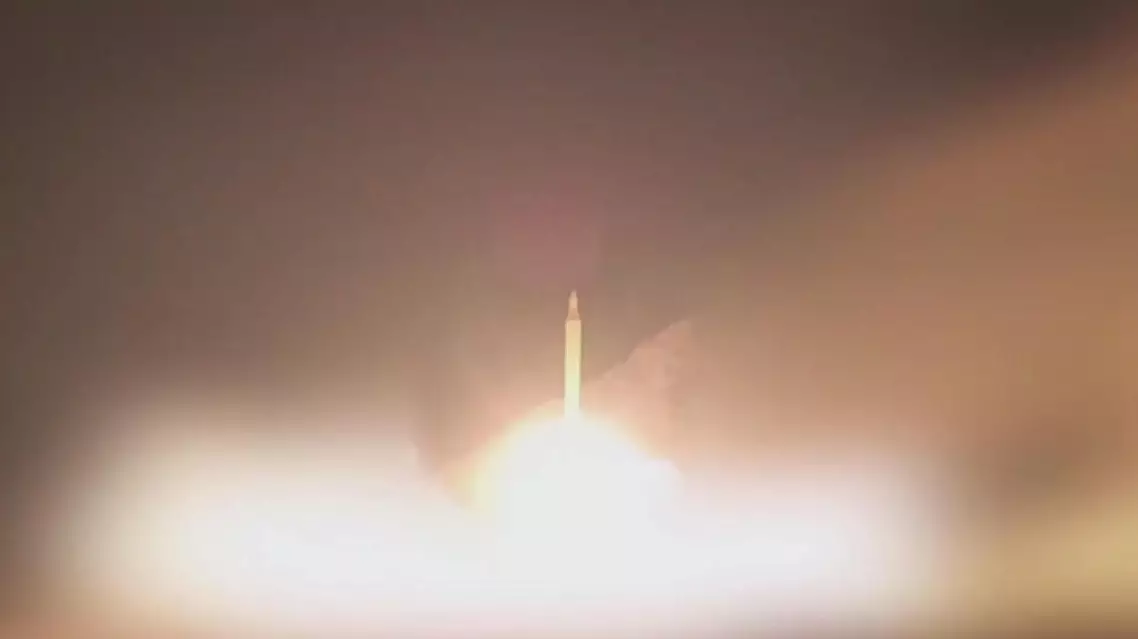
Iran launches retaliatory attacks after U.S. strikes hit Qeshm Island
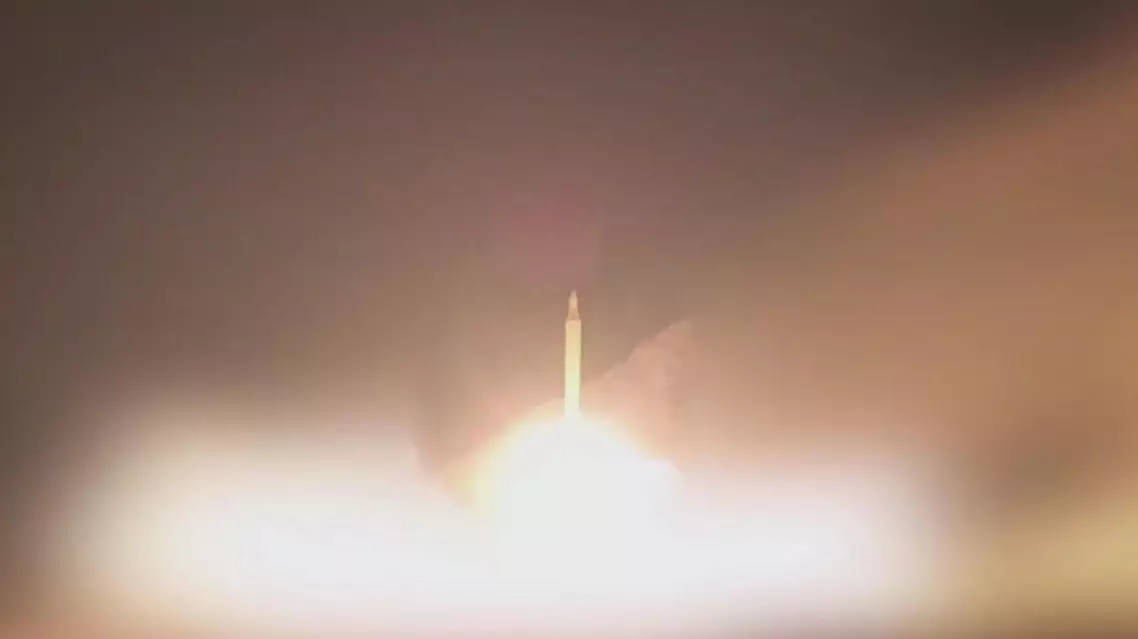
Iran launches retaliatory attacks after U.S. strikes hit Qeshm Island
The Third World Conference of Sinologists opened on Tuesday in Dunhuang City, northwest China's Gansu Province, bringing together scholars, researchers and other representatives from around the world to focus on how civilizational dialog can help address today's global problems.
The event is themed on "Pooling Wisdom of Civilizations to Jointly Address Challenges of Our Times."
The conference comes as geopolitical tensions, regional conflicts and growing mistrust between nations continue to reshape the global landscape.
Participants say that in an increasingly fragmented world, exchanges among civilizations can help reduce misunderstanding, bridge differences and foster greater international cooperation.
"Today, the international order and international law are facing serious challenges. That is why I believe China's call for renewed multilateralism and stronger international cooperation is especially meaningful at this moment, as the world struggles with growing disorder in global governance," said Sira Abed Rego, Minister of Youth and Children of Spain.
Many discussions are also centered on the global initiatives proposed by China, including the Global Development Initiative and the Global Civilization Initiative.
Scholars say these initiatives reflect the traditional Chinese belief in harmony and coexistence.
They say such ancient wisdom offers useful insights for addressing conflicts and uncertainty in today's world.
"This is the philosophy of inclusiveness. And I think today what contemporary China is applying this philosophy that we are all on the same sky, under the same sky. China, with its global initiative, security initiative, civilization initiative, is always proposing to develop this philosophy that we are all friends and we are not enemies," said Sebastien Perimony, head of the Africa office of the International Schiller Institute in France.
The conference will run through Thursday.
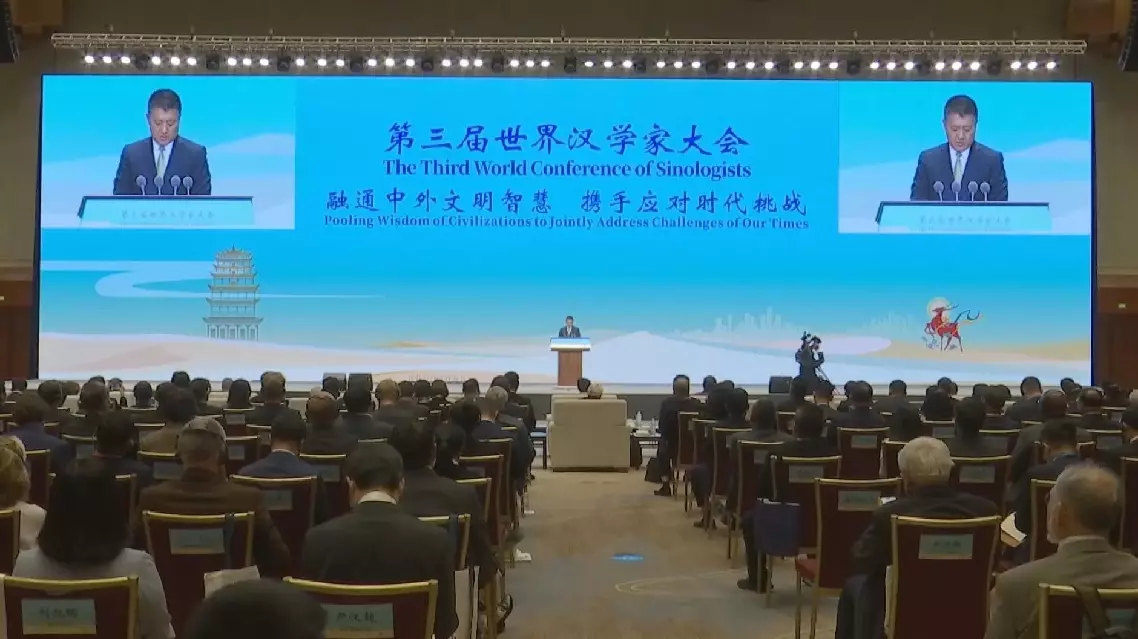
Sinologists conference opens in Dunhuang