SANTIAGO, Chile (AP) — When a rare but deadly rodent-borne virus struck passengers on a cruise ship and seemed to be spreading, there were no treatments for those who fell ill and no vaccines to protect others.
That was the case even though it wasn't a novel germ that the world had never seen before, like the virus that caused the coronavirus pandemic. It was a hantavirus, one of a family of viruses that have been known for decades and are thought to exist around the world.
Click to Gallery

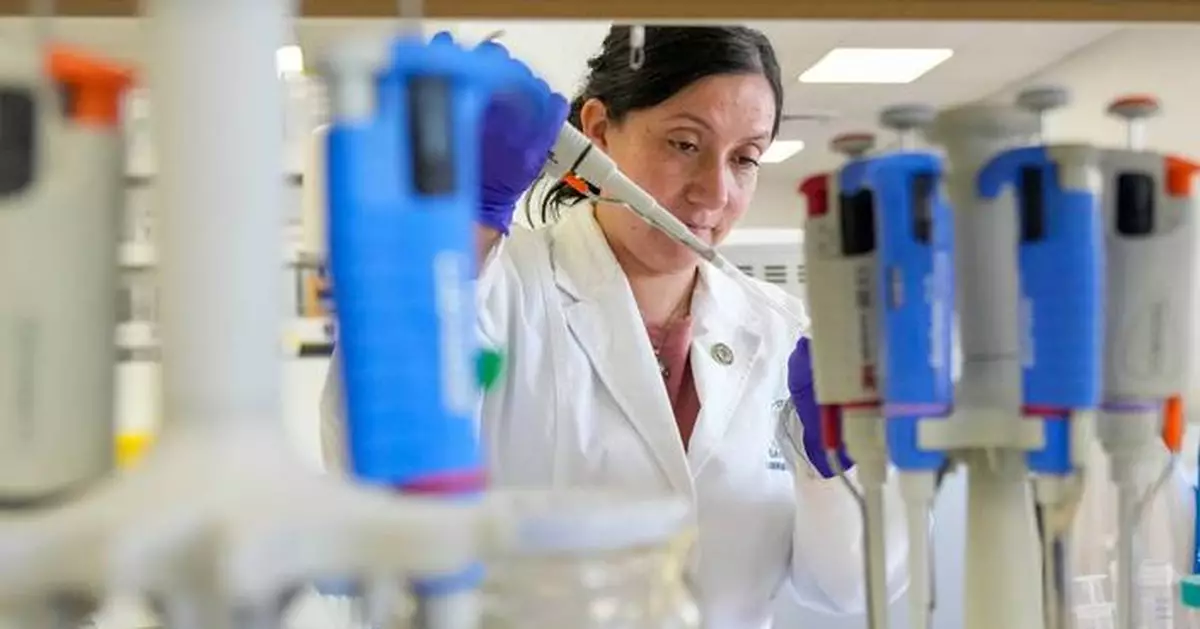
María Inés Barría, a virologist at the Universidad San Sebastián, gives an interview at the university, in Santiago, Chile, Wednesday, May 20, 2026. (AP Photo/Esteban Felix)
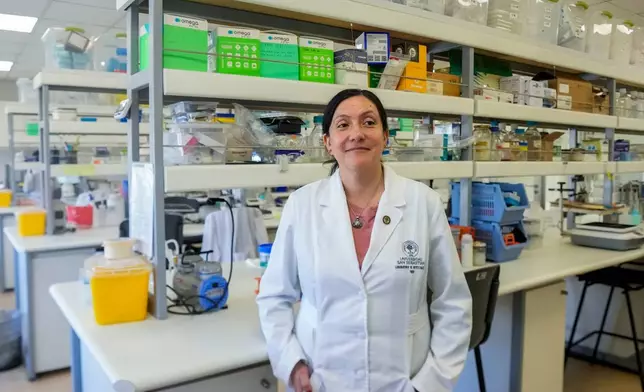
María Inés Barría, a virologist at the Universidad San Sebastián, poses for picture at the university, in Santiago, Chile, Wednesday, May 20, 2026. (AP Photo/Esteban Felix)
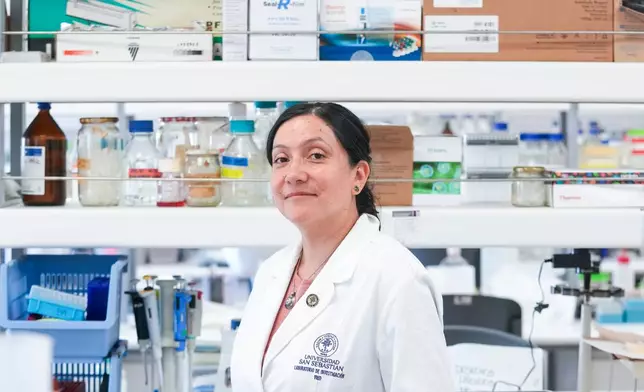
María Inés Barría, a virologist at the Universidad San Sebastián, poses for a picture at the university in Santiago, Chile, Wednesday, May 20, 2026. (AP Photo/Esteban Felix)
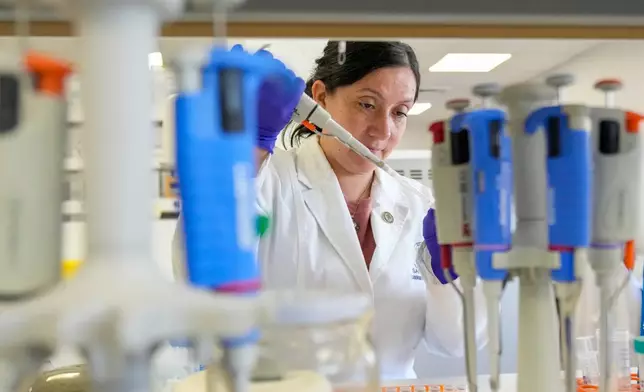
María Inés Barría, a virologist at the Universidad San Sebastián, works at the university, in Santiago, Chile, Wednesday, May 20, 2026. (AP Photo/Esteban Felix)
Teams of researchers, including in Chile, Argentina and the United States, have long been trying to find and develop drugs and vaccines. But because the viruses are relatively rare and don't spread easily between people, there hasn't been enough sustained investment by governments, global health groups, or drug companies to pay for the extensive safety and efficacy testing needed to make them available.
Still, there have been some promising developments. Researchers on Wednesday published a hint that a drug used for an autoimmune disease may help hantavirus patients fight off the most deadly symptoms.
They and others hope the attention that the cruise ship outbreak brought to the virus — and concern that hantavirus infections could become more common as a changing climate is expected to increase contact between people and rodents — may bring new momentum to the hunt.
“I hope this situation will help us continue our research and strengthen the collaboration between healthcare workers, the community, and the necessary resources," said Dr. Fernando Tortosa of the National University of Río Negro in Patagonia, Argentina, the study's lead author.
Hantaviruses usually spread when people inhale contaminated residue of rodent droppings. But there are unique species of hantavirus found in different parts of the world that have their own characteristics and can cause different symptoms.
The Andes virus, the germ behind the cruise ship outbreak, is a particular focus of researchers because it is the only hantavirus thought to be able to spread between people in some cases. And while hantavirus infections are rare, they can be extremely deadly.
“That is why it is a public health problem,” said María Inés Barría, a virologist at the Universidad San Sebastián in Chile who studies hantaviruses.
Three of the 13 likely cases among cruise ship passengers ended in death. Separately, in Chile, the Ministry of Health has confirmed 15 deaths and 42 cases of hantavirus so far this year. Authorities in Argentina have reported 32 deaths and 102 cases since June 2025. In the U.S., 35% of the hantavirus cases since tracking began in 1993 have resulted in death, according to the U.S. Centers for Disease Control and Prevention.
In Argentina, researchers are testing whether a treatment for rheumatoid arthritis might help fight hantavirus pulmonary syndrome, a severe infection caused by both the Andes virus and the Sin Nombre virus, a type of hantavirus found in North America.
The drug tocilizumab tamps down a molecule called IL-6 that triggers damaging inflammation in some autoimmune and other diseases. IL-6 also is a suspect in the inflammatory reaction to the infection, which can rapidly cause lungs to fill with fluid and fail.
Four of five patients in an Argentinian hospital survived after receiving tocilizumab in addition to traditional supportive care for hantavirus pulmonary syndrome, the research team reported in The Lancet Infectious Diseases.
The report is unusual, tracking the first people to receive tocilizumab in an ongoing “compassionate use” study — meaning doctors can use it in patients they deem eligible. Another five who were deemed eligible for tocilizumab but didn’t get it and instead received only standard care died. Two worsened too quickly and the hospital lacked supply for the others, the researchers reported.
The research team cautioned that the five patients who didn’t receive the drug were sicker and older than those who did. Still, they said tocilizumab warrants further investigation.
Barría's team, which includes Chilean scientists, researchers from the U.S. National Institutes of Health's Rocky Mountain Laboratories and the Robert Koch Institute in Germany, is working on another approach — using cloned antibodies from hantavirus survivors to fend off infections. The team published research in 2018 showing the approach worked in animals, but they were not able to get funding to continue with human trials, in part because resources were diverted to fight the coronavirus pandemic.
“We are truly at the forefront, at a very important stage of moving to the next phase," Barría said.
Several other groups, including at the Albert Einstein College of Medicine and the Vanderbilt Center for Antibody Therapeutics, are also working on antibody treatments.
Vaccines against so-called Old World hantaviruses have been developed and used, though the World Health Organization says there are no current licensed hantavirus vaccines. But there are new vaccines in the works, including ones aimed to fight the Andes virus. A team lead by Jay Hooper of the U.S. Army Medical Research Institute of Infectious Diseases, is working on a vaccine that has successfully generated antibodies against the virus in early-stage human trials, according to a study the team published in 2020.
Dr. Paul Bollyky, an infectious disease doctor and researcher at Stanford Medical Center in California, said attracting and sustaining the support needed to produce vaccines and treatments is extremely difficult for rare diseases like hantavirus.
For one, labs typically don't have what Bollyky calls the necessary machinery they need to test and validate vaccines and treatments for rare infections. Also, because hantavirus outbreaks are so sporadic and unpredictable, that virus is much harder to study compared with a common germ that regularly circulates, such as the flu.
“That also makes clinical trials in this space super difficult because of the number of people you would have to immunize to protect against one infection,” he said. “It's just impractical.”
And it means there might not be a large or steady market for a vaccine or treatment, because it would be hard to know who is going to be exposed, and when.
Still, it frustrates researchers and doctors who know there are potential treatments that, with enough sustained investment, could be helping people now.
“What happened was a tragedy, but it can happen not only with this but also other diseases,” Tortosa said, referring to the cruise ship outbreak.
Montoya Bryan reported from Albuquerque, New Mexico. AP Medical Writer Lauran Neergaard in Washington contributed to this story.
The Associated Press Health and Science Department receives support from the Howard Hughes Medical Institute’s Science and Educational Media Group and the Robert Wood Johnson Foundation. The AP is solely responsible for all content.
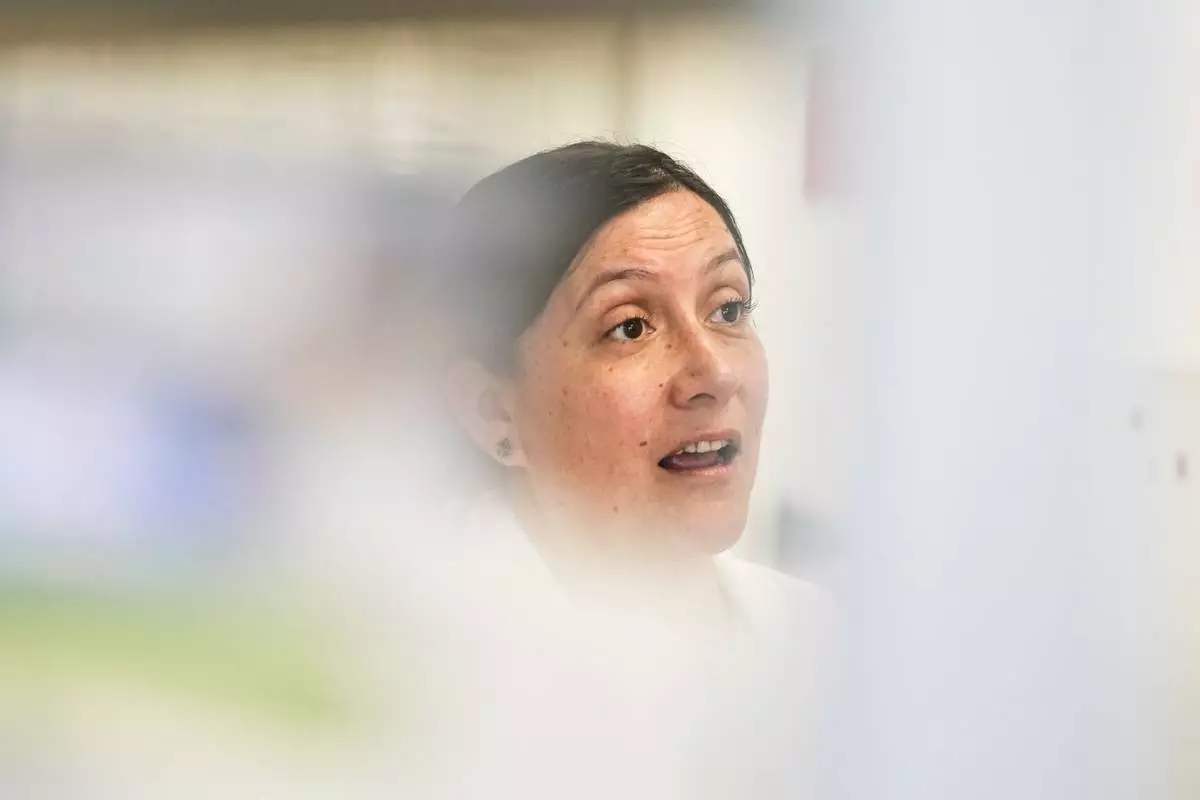
María Inés Barría, a virologist at the Universidad San Sebastián, gives an interview at the university, in Santiago, Chile, Wednesday, May 20, 2026. (AP Photo/Esteban Felix)
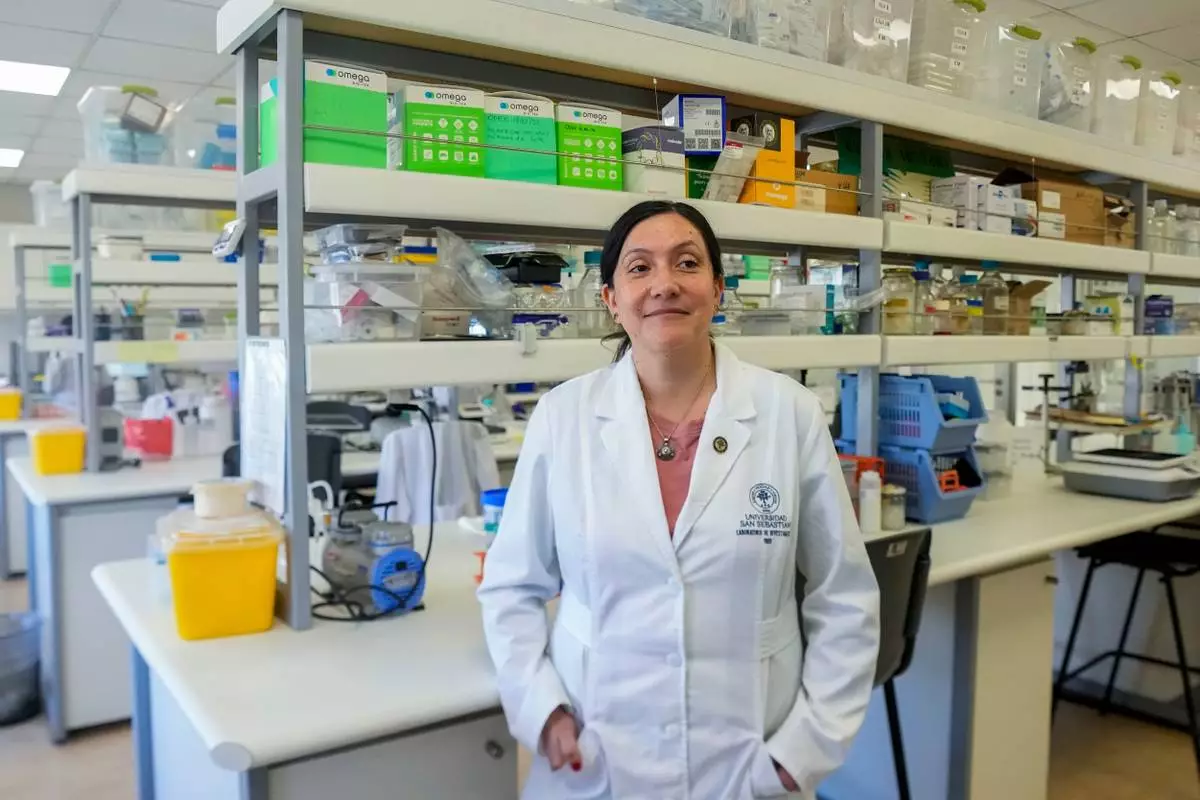
María Inés Barría, a virologist at the Universidad San Sebastián, poses for picture at the university, in Santiago, Chile, Wednesday, May 20, 2026. (AP Photo/Esteban Felix)
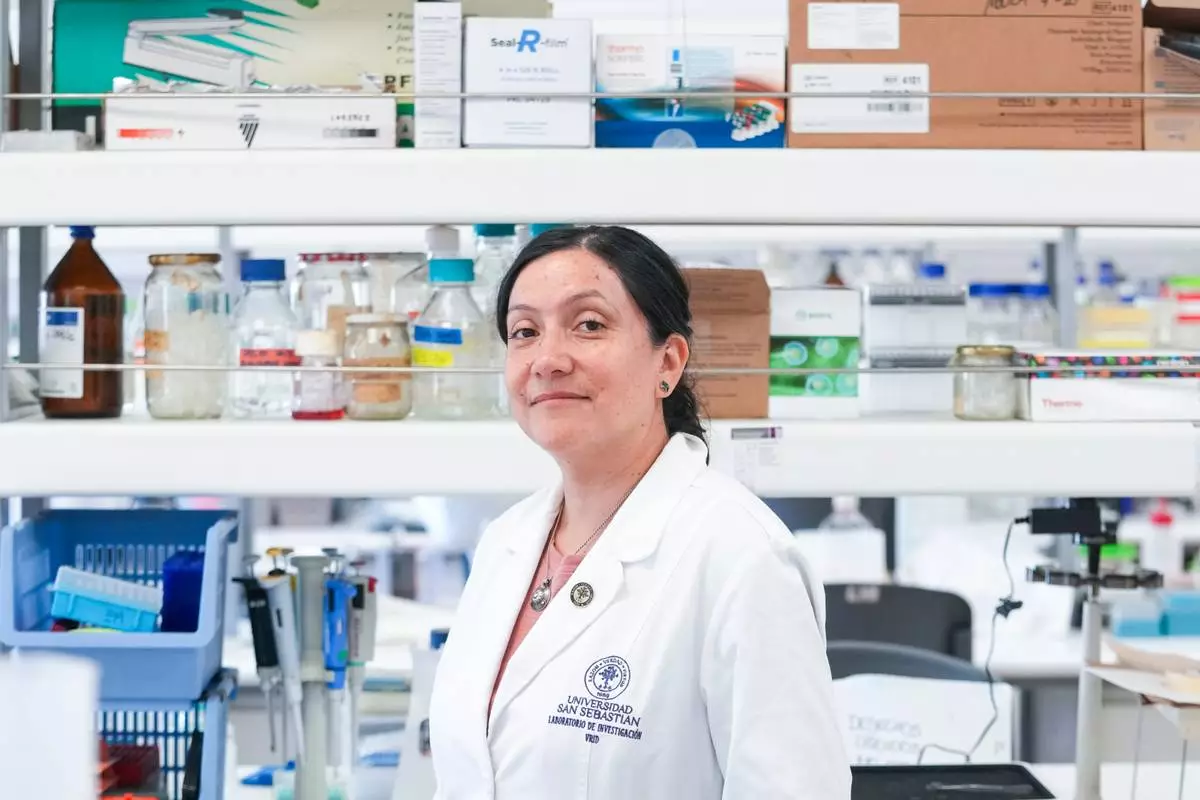
María Inés Barría, a virologist at the Universidad San Sebastián, poses for a picture at the university in Santiago, Chile, Wednesday, May 20, 2026. (AP Photo/Esteban Felix)
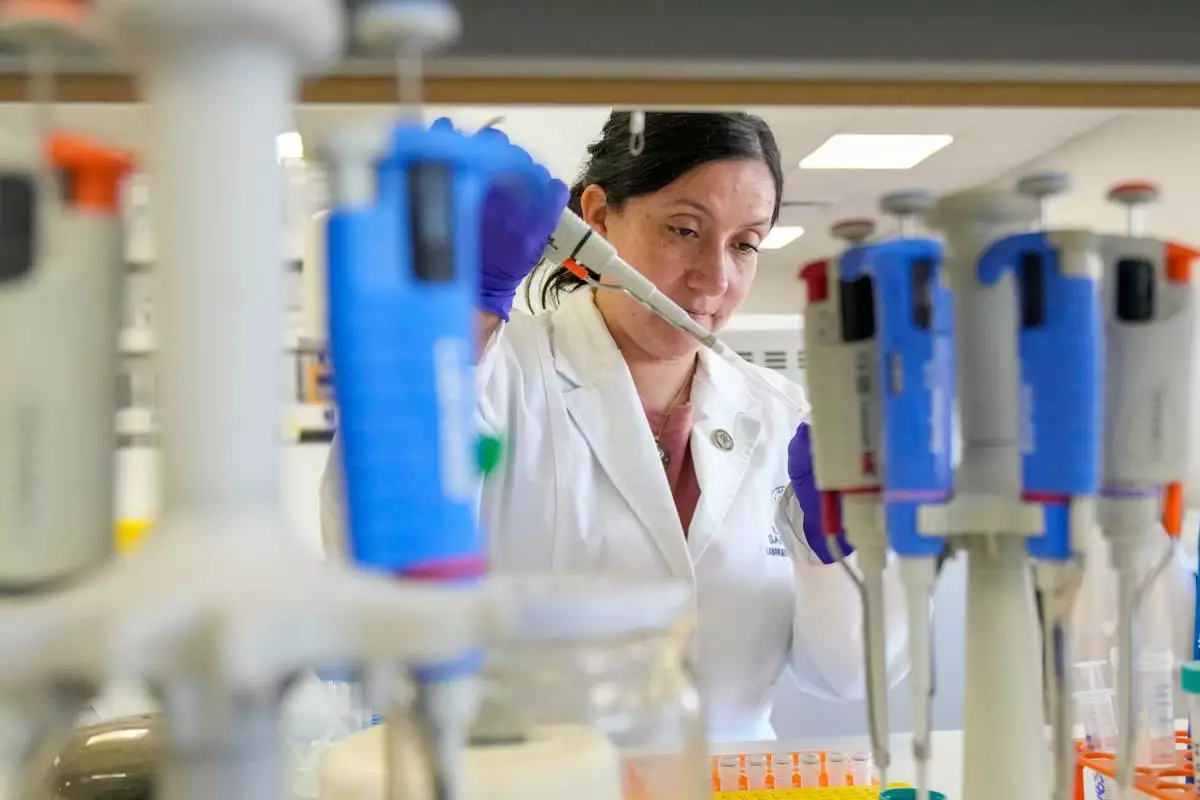
María Inés Barría, a virologist at the Universidad San Sebastián, works at the university, in Santiago, Chile, Wednesday, May 20, 2026. (AP Photo/Esteban Felix)