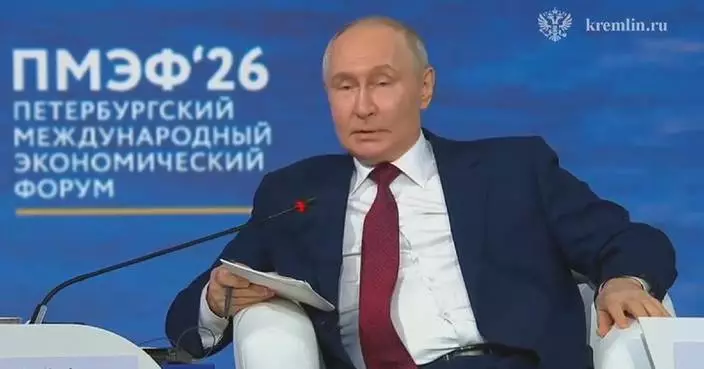
Kremlin spokesman Dmitry Peskov said Friday that Russia-China relations are rich in content and cover every possible area of cooperation, vowing continued commitment as the two countries celebrate key anniversaries of bilateral pact.
This year marks the 30th anniversary of the China-Russia strategic partnership of coordination and the 25th anniversary of the signing of the Treaty of Good-Neighborliness and Friendly Cooperation between China and Russia. The two presidents have agreed to extend the treaty for another five years, a decision Peskov described as affirming the cornerstone of bilateral relations. He also emphasized that Russia will always followed the spirit of the treaty.
"Our ties with China are extremely rich and multidimensional, covering every area where cooperation is possible between our two countries. Of course, as in any relationship, a legal foundation is needed. The Treaty of Good-Neighborliness and Friendly Cooperation between China and Russia is precisely that foundation, and we hold it in high regard," Peskov said in an exclusive interview with China Media Group (CMG) at the 29th St. Petersburg International Economic Forum.
"We have always followed the letter and spirit of this treaty and can feel China responding in kind. We hope that in the decades, even centuries, ahead, we will continue walking this path together," said the spokesman.
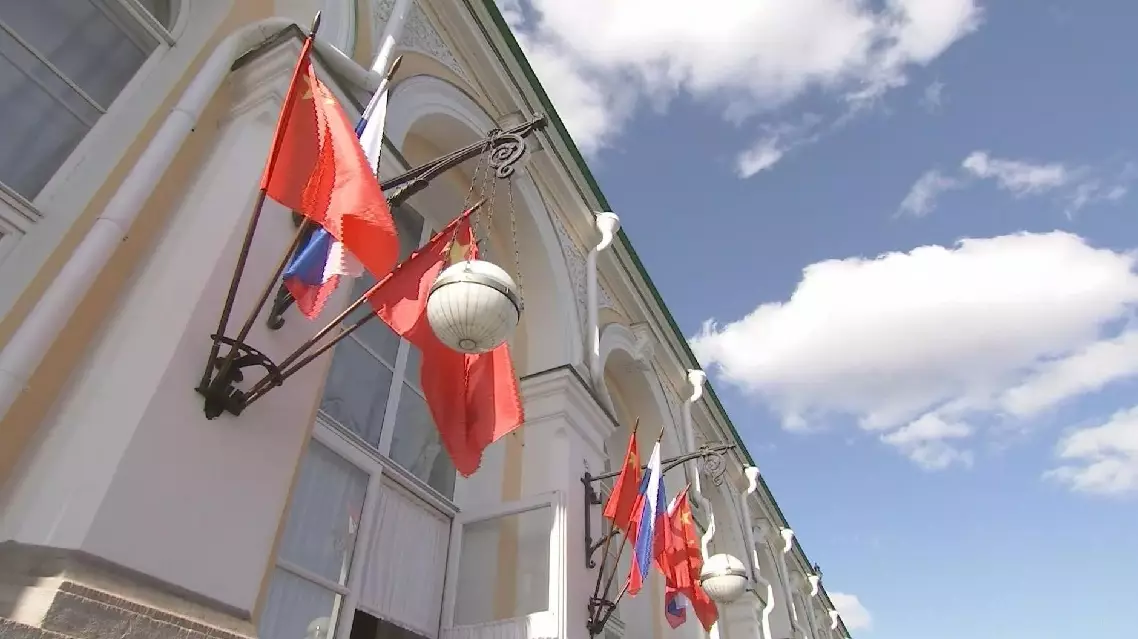
Russia-China ties embrace all-fields cooperation: Peskov
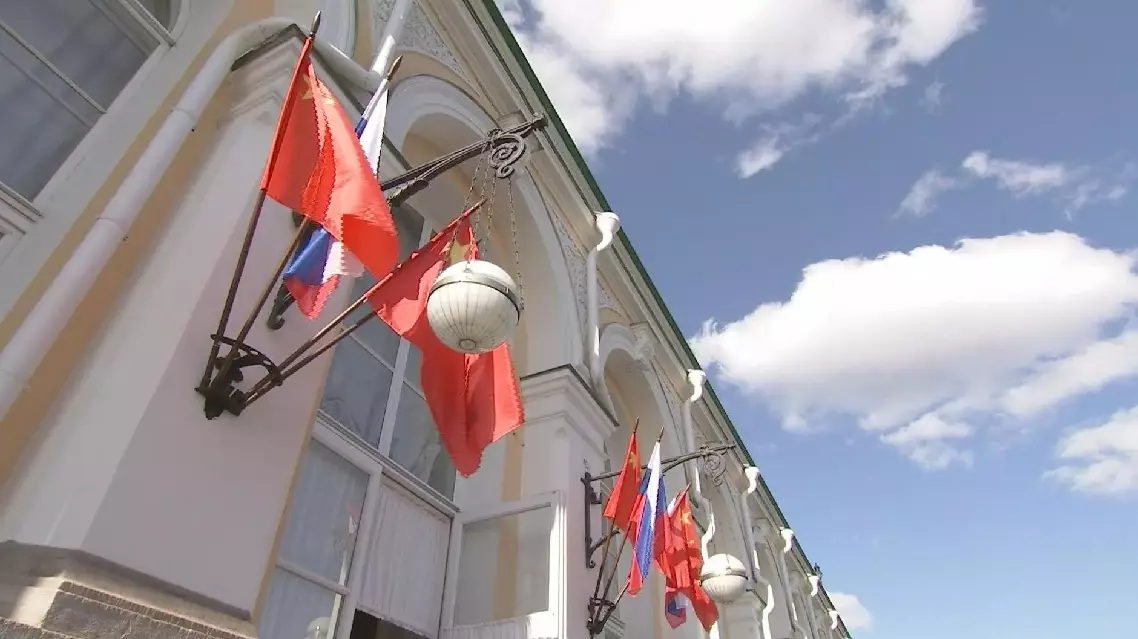
Russia-China ties embrace all-fields cooperation: Peskov
Global journalists gained a firsthand look at the groundbreaking technological innovations that are reshaping China's tech future, as they embarked on a media tour in east China's Zhejiang Province.
Nearly 70 media representatives from countries including the United States, Singapore, and Brazil joined the tour, visiting the headquarters of several ambitious tech companies in the province.
At a company called BrainCo, the visitors witnessed a brain-computer interface enabling a disabled staff member to control prosthetic fingers with ease, and even practice calligraphy.
"I control it just like my own hand. Every finger moves. It’s intuitive. No delay," said the staff member.
The demonstration left a deep impression on the international journalists.
"I think this area, and specifically the the brain area, is one of the most exciting fields China is working on right now. There's all these expectations that China will deliver a lot of answers to many people around the world," said Nelson Pancini De Sa, a reporter for Universo Online, a Brazilian web content, products, and services company.
The media tour highlighted Zhejiang's strategy for integrating technological and industrial innovation. Unitree Robotics, based in Hangzhou, produces 60 to 70 percent of the world's quadruped robot shipments.
"Unitree has unveiled the H2 Plus, a next-generation humanoid robot reference design. It launches in the second half of this year, giving humanoid robots a more powerful 'smart brain,'" said Huang Jiawei, marketing director of Unitree Robotics.
Journalists also observed how China's humanoid robot makers are shifting their focus from showmanship to real-world applications. Some companies emphasized their potential in elderly care.
"I thought that it's quite interesting that they are looking at these humanoid robots and training them to specifically address the needs of older people who are living alone, which I thought is an interesting space to look out for," said Ananth Krishnan, a reporter with The Hindu, an Indian news agency.
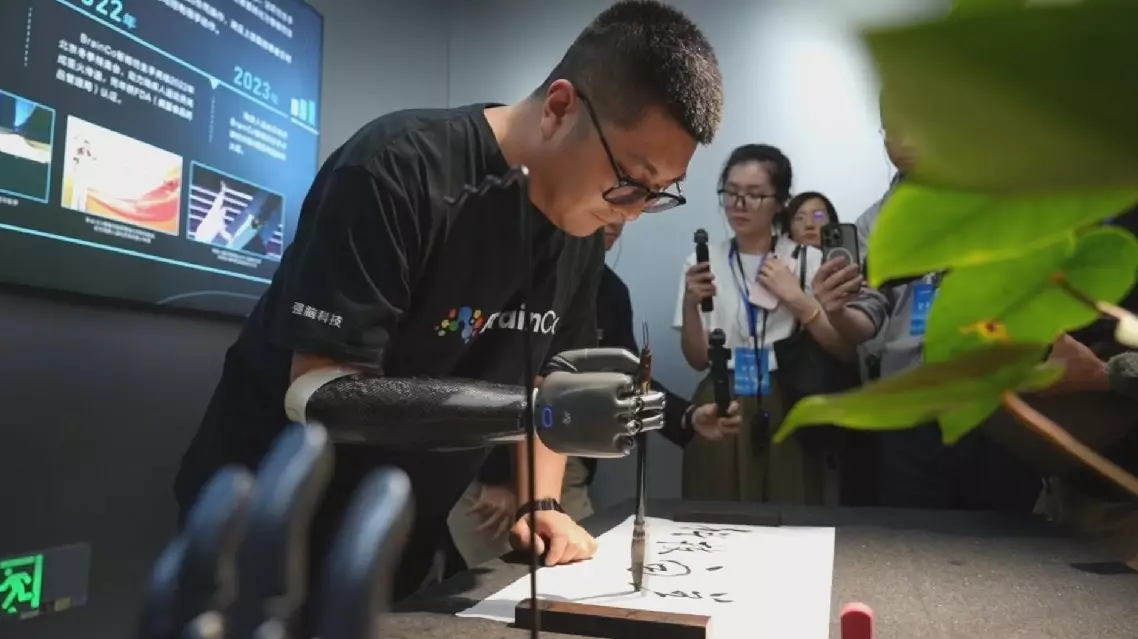
Int'l media representatives dig through China's tech sector in Zhejiang