China's National Standardization Administration has released new national standards aimed at elevating service quality and accessibility across the tourism industry.
These standards involve travel agency services for elderly tourism, barrier-free services in hotels, smart operations of tourist attractions, and service quality at shopping venues.
They are designed to meet the diverse needs of all travelers, including the elderly, people with disabilities, pregnant women, infants.
The new elderly tourism standards emphasize safety, comfort, and convenience, focusing on age-friendly full-process design with relaxed pace, ample rest, and customized itineraries based on seniors' health, without mandatory health checks as a participation barrier.
China has nearly 500 million people with mobility limitations. The new standard will benefit this group by addressing common challenges they face when traveling, such as poor accessibility, difficult-to-use facilities, and lack of accessible information.
For shopping, a top concern for many tourists, the updated service quality standards for tourist shopping places require all goods to have complete qualification certificates that are verifiable, clearly priced, with counterfeit or high-imitation branded products strictly prohibited.
Regarding smart operations, the new standards require that tourist attractions strengthen risk early warning and data security for visitor information and payments.
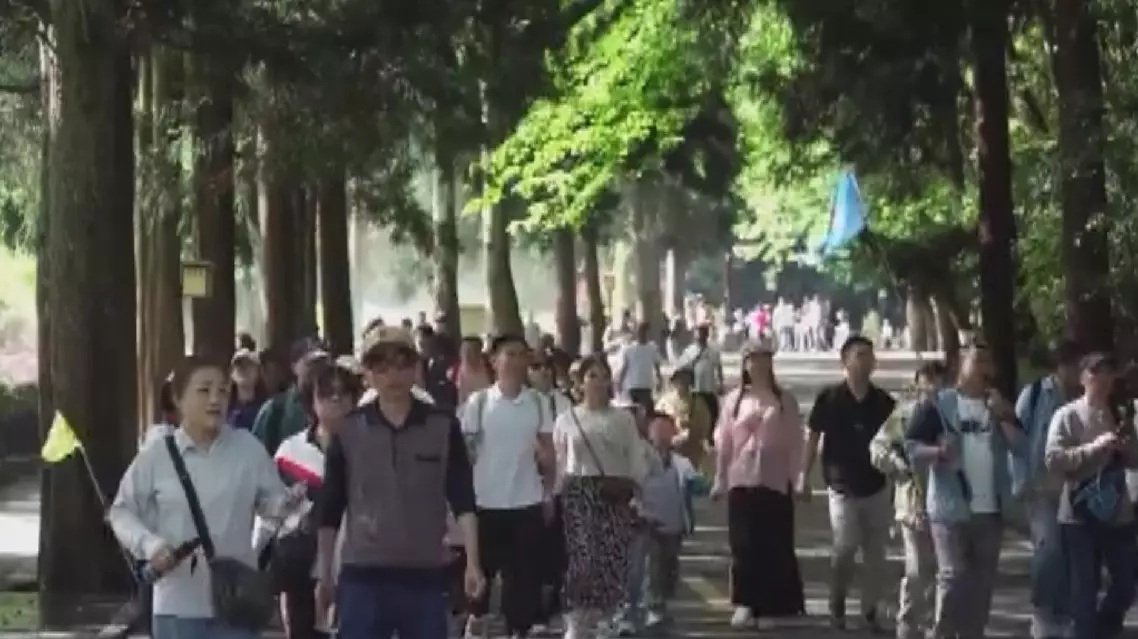
China releases new national standards to improve service quality, boost high-quality development of tourism
Global journalists gained a firsthand look at the groundbreaking technological innovations that are reshaping China's tech future, as they embarked on a media tour in east China's Zhejiang Province.
Nearly 70 media representatives from countries including the United States, Singapore, and Brazil joined the tour, visiting the headquarters of several ambitious tech companies in the province.
At a company called BrainCo, the visitors witnessed a brain-computer interface enabling a disabled staff member to control prosthetic fingers with ease, and even practice calligraphy.
"I control it just like my own hand. Every finger moves. It’s intuitive. No delay," said the staff member.
The demonstration left a deep impression on the international journalists.
"I think this area, and specifically the the brain area, is one of the most exciting fields China is working on right now. There's all these expectations that China will deliver a lot of answers to many people around the world," said Nelson Pancini De Sa, a reporter for Universo Online, a Brazilian web content, products, and services company.
The media tour highlighted Zhejiang's strategy for integrating technological and industrial innovation. Unitree Robotics, based in Hangzhou, produces 60 to 70 percent of the world's quadruped robot shipments.
"Unitree has unveiled the H2 Plus, a next-generation humanoid robot reference design. It launches in the second half of this year, giving humanoid robots a more powerful 'smart brain,'" said Huang Jiawei, marketing director of Unitree Robotics.
Journalists also observed how China's humanoid robot makers are shifting their focus from showmanship to real-world applications. Some companies emphasized their potential in elderly care.
"I thought that it's quite interesting that they are looking at these humanoid robots and training them to specifically address the needs of older people who are living alone, which I thought is an interesting space to look out for," said Ananth Krishnan, a reporter with The Hindu, an Indian news agency.
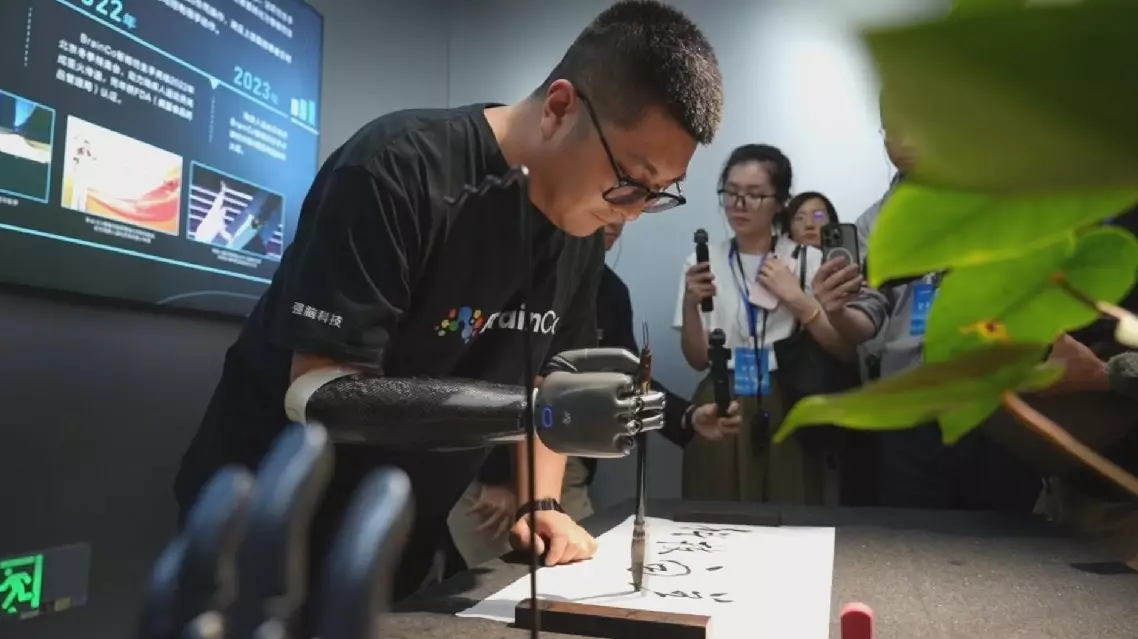
Int'l media representatives dig through China's tech sector in Zhejiang