Top international hotel operators linked to Cuba's military-run conglomerate GAESA have announced they are scaling back or ending operations at several hotels across the island, following a U.S. government deadline targeting foreign entities connected to Cuba's military sector.
The deadline, which fell on Friday, required foreign companies to sever ties with firms associated with GAESA and its subsidiaries. In response, several major hotel groups have rescinded management contracts with properties tied to the military conglomerate.
Spain's Melia Hotels International said it will cease operations at 15 of the 34 hotels it manages in Cuba. Iberostar, also based in Spain, terminated management agreements for 12 properties. Canada's Blue Diamond Resorts and Singapore-based Archipelago International have likewise withdrawn from several hotels operating under the Ashton brand. However, the companies clarified that they are only ending contracts with GAESA-linked hotels and intend to maintain management agreements with other properties under Cuba's Ministry of Tourism.
Tourism has long been considered one of Cuba's most important economic sectors. Between 2014 and 2019, the island welcomed an average of more than four million visitors annually and generated over 2 billion U.S. dollars in revenue each year. In recent years, however, the industry has suffered a sharp decline. Nearly 1.6 million visitors traveled to Cuba in 2025, while just 328,000 arrivals were recorded in the first quarter of 2026.
A combination of tightened U.S. sanctions, a deepening economic crisis, and persistent structural challenges has led travel agencies and airlines to suspend or reduce flights to the island this year. The latest measures targeting GAESA have added further strain to an already struggling sector.
Hotel closures have occurred before, with many employees reassigned to other areas of the economy. This time, however, workers currently employed in the sector said they fear job losses as more properties scale back operations.
Cuban economist Omar Everleny said the immediate impact of the latest measures may be limited, given the sector's existing difficulties.
"The news will indeed affect us, but most hotels in Cuba are either closed or operating with very low occupancy rates. In other words, the role of those companies was not really being felt yet, because tourism is influenced by many different factors," said Everleny.
Further complicating matters, Cuba's central bank announced on Saturday the suspension of Visa and Mastercard transactions following new U.S. sanctions on military-linked entities.
The U.S. Treasury Department on Thursday announced additional sanctions against Cuban President Miguel Diaz-Canel, as well as other individuals and entities. This adds to growing pressures on tourism and other sectors, posing further threats to the country's economy.
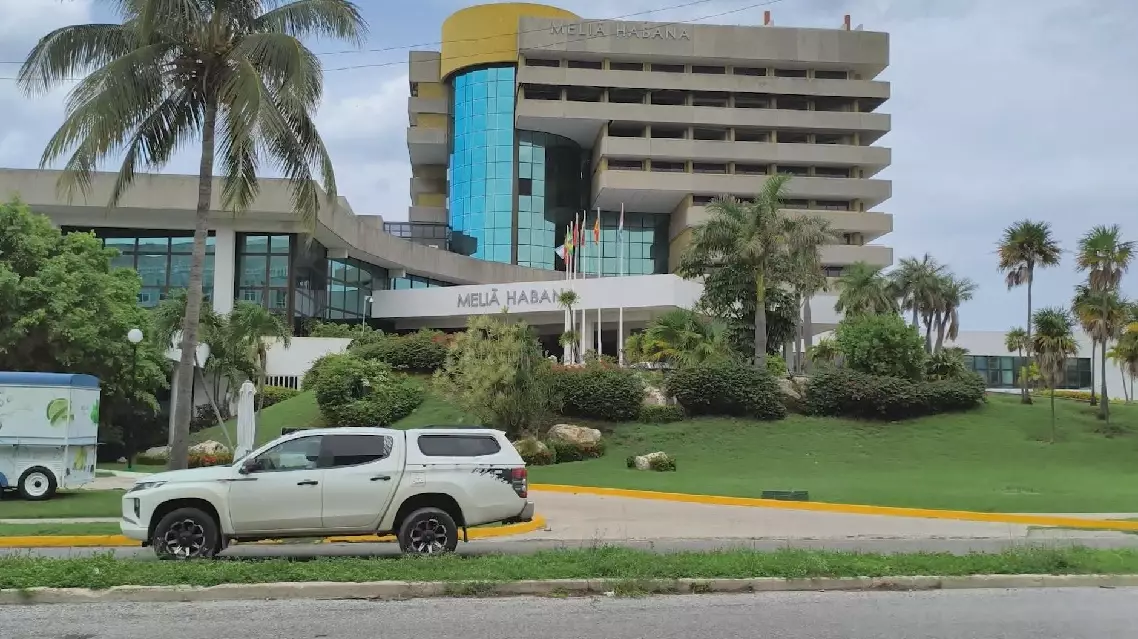
Int'l hotel chains scale back Cuba operations following US sanctions