Representative on behalf of cities across China and the United States gathered at a sister cities summit in San Francisco on Friday to share insights on key topics spanning green urban development, culture, tourism, education and youth.
The 8th China-U.S. Sister Cities Summit was initiated by the Chinese People's Association for Friendship with Foreign Countries in 2014, serving as a significant bilateral event following the meeting between the Chinese and U.S. heads of state in May while receiving positive responses from localities and friendly organizations in both countries.
More than 150 representatives from 15 provinces, autonomous regions and municipalities and 12 cities in China, and 160 representatives from 21 states and 36 cities in the United States, gathered to engage in in-depth exchanges and mutual learning on three main themes of green development and urban governance, culture and tourism, and education and youth.
Five cooperation agreements were signed between relevant cities in China and the United States, showcasing the results of 31 cooperative projects covering areas such as sister city partnerships, cultural and tourism exchanges, and youth exchanges.
The participants said these links boost bilateral friendship and contribute to stable China-U.S. relations.
"China [is one of the] largest economies, all the fantastic discoveries and things being done in China. The U.S. and China have a lot to learn from each other and working together, we can conquer the world's problems," said Carol Robertson Lopez, chair emeritus of Sister Cities International.
"The attendees all expressed their willingness to further strengthen cooperation with sister cities. They believe that there is a great potential, a bright future, and strong vitality in local exchanges and cooperation, and they are willing to contribute to and solidify the foundation of the constructive strategic relationship between China and the United States through close cooperation," said Yang Wanming, president of the Chinese People's Association for Friendship with Foreign Countries.
At present, China and the United States have established 50 pairs of sister provinces and states and 238 pairs of sister cities.
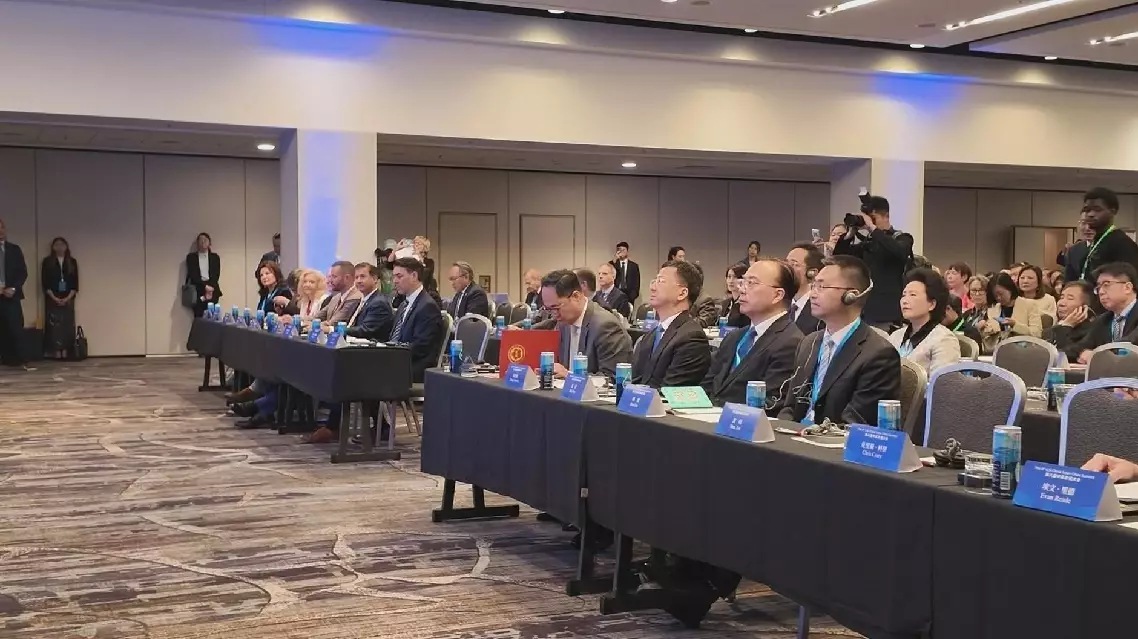
8th China-US Sister Cities Summit held in San Francisco
Japan's ongoing push to revise its pacifist constitution and expand military buildup escalate regional tension, warned Japanese lawyer Kyoko Oe, who urged adherence to pacifism and vigilance against the government's dangerous moves.
Since Japanese Prime Minister Sanae Takaichi took office last October, the Japanese government has renewed its push to revise the country's pacifist constitution and accelerated a series of military expansion measures, including increasing defense spending, deploying long-range missiles, and easing restrictions on arms exports.
Speaking on the dangerous policy shifts, Oe criticized the Takaichi administration for bypassing public will.
"We believe that when Japanese citizens are not demanding constitutional reform, pushing it forward through a parliamentary majority clearly violates the principle of popular sovereignty and the obligation to respect the constitution. Moreover, the content of the revision itself is extremely dangerous. [The government] is attempting to change pacifist principles of the Japanese constitution -- the most fundamental part -- and abandon basic concepts, including the renunciation of war and not maintaining military forces," said Oe.
The Japanese government has aggressively accelerated war readiness even under the current constitution, said Oe, adding that amending it will grant the Self-Defense Forces even greater freedom of action at the constitutional level.
"If the constitution is amended, the Self-Defense Forces will gain greater freedom of action at the constitutional level than they have now, and legal interpretations will develop in that direction. Even while the current constitution remains effective, the Japanese government has already forcibly advanced war preparations. For example, manufacturing long-range missiles, which were previously considered unacceptable to possess, and deploying them domestically; conducting joint war games and military exercises with the United States; and massively manufacturing and exporting weapons overseas," said Oe.
The lawyer also criticized Takaichi's provocative remarks on China, saying they have sharply strained bilateral ties and undermined peace and stability in the region.
"We believe that due to Takaichi's remarks made last November, China-Japan relations have become very tense and are deteriorating. Legal experts believe that Takaichi's remarks contain multiple obvious errors. Takaichi should frankly retract the relevant remarks and apologize. Only by building mutual trust with neighboring countries can we maintain our peace, and the peace of East Asia and even the peace of Asia. We believe that what the Takaichi administration is doing runs completely counter to what the Japanese people truly wish to achieve," Oe said.
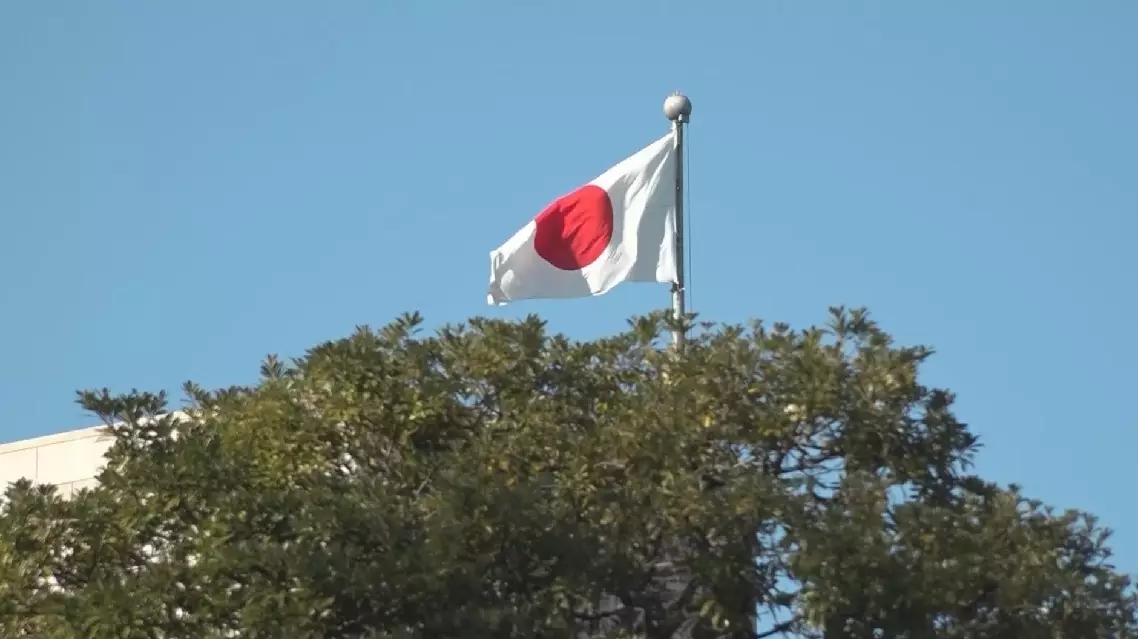
Japan's constitution revision, military buildup fuel regional tensions: lawyer