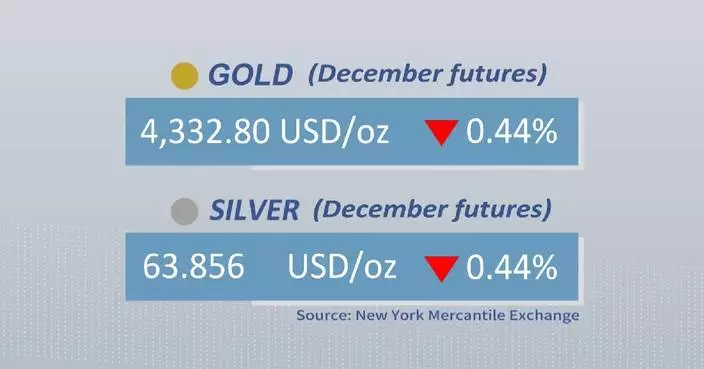
China's foreign exchange reserves stood at 3.4422 trillion U.S. dollars at the end of May 2026, up 31.7 billion dollars, or 0.93 percent, from the end of April, official data showed on Sunday.
The State Administration of Foreign Exchange noted that influenced by factors such as the global macroeconomic environment and expectations regarding monetary policies of major economies, the U.S. dollar index rose in May, and the prices of major global financial assets generally increased.
The combined effects of exchange rate conversion and changes in asset prices led to an increase in China's foreign exchange reserves during the month, the administration said.
China's economy registered steady and improving performance during the period, with solid progress made toward high-quality development. Its steady performance provided solid support for keeping the scale of the country's foreign exchange reserves basically stable, according to the administration.
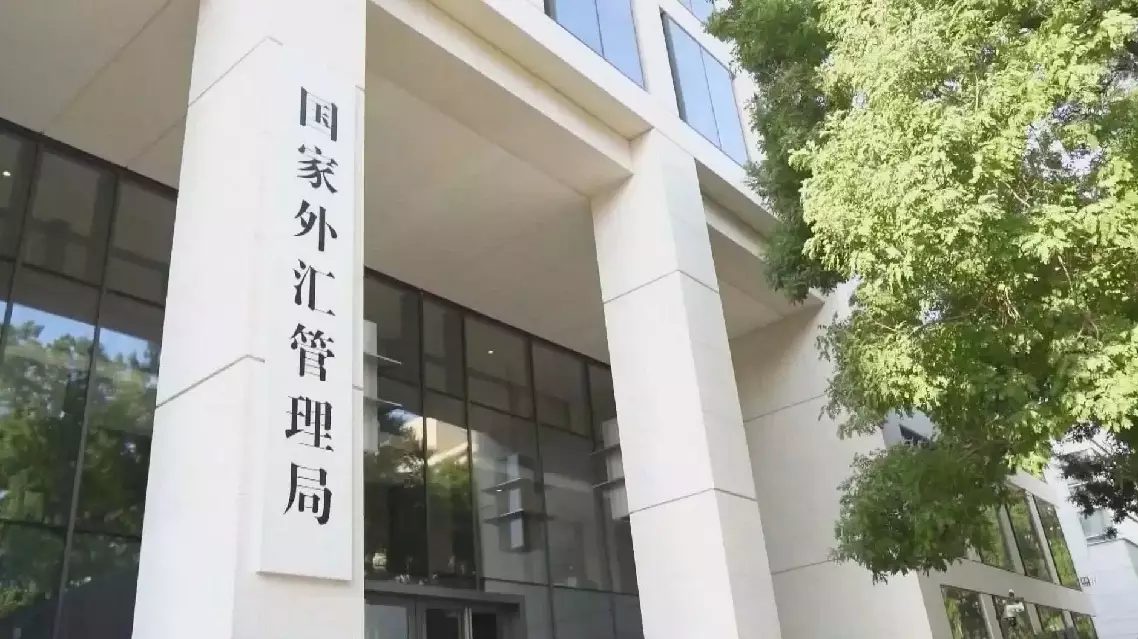
China's foreign exchange reserves maintain stable growth in May
China's foreign exchange reserves maintain stable growth in May
China's foreign exchange reserves maintain stable growth in May
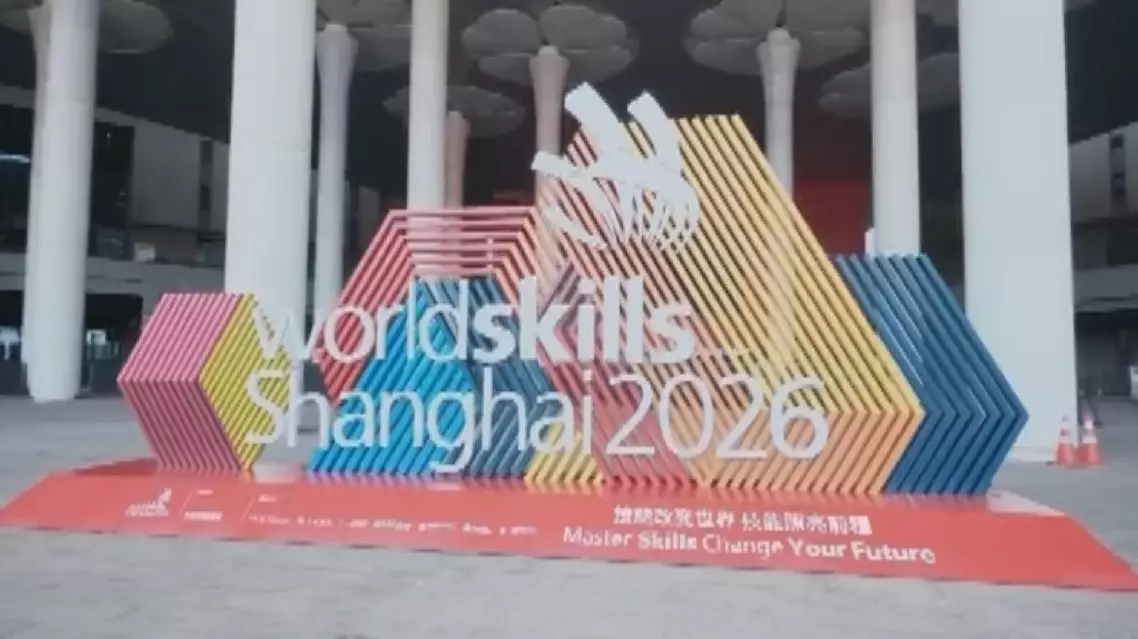
Preparations for the 48th WorldSkills Competition have entered the final stage as the event prepares to open in Shanghai next week to showcase emerging trends in vocational skills amid rapid technological transformation.
Running from September 22 to 27, the event will take place at the National Exhibition and Convention Center, bringing together about 1,400 contestants from around 70 countries and regions to show the world their mastery in 64 skill categories.
It includes both high-tech skills such as cloud computing and drone operation, as well as everyday trades like cooking and hairdressing.
This year's edition features seven new skill categories, including unmanned aircraft systems, digital interactive media design, rail vehicle technology, smart security technology, software testing, oral prosthodontic technology and retail.
The work of establishment and installation at the exhibition and competition areas has largely been completed, while technical support and reception services are in the final phase of preparation.
Inside the venue on Tuesday, forklifts and trailers were seen moving between competition zones as staff focus on the final detailed setup.
"All large equipment and basic materials for the competition are being delivered to the venue for installation and subsequent testing. We expect all preparations to be fully ready by September 18," said Gao Zhanfeng, deputy director of the Competition Department, Shanghai Executive Bureau of 48th WorldSkills Competition.
In the Creative Arts and Fashion section, visual displays will present contestants' work and progress in real time to enhance the visitor experience.
"For example, in the 3D digital game event, the final effect of a model will be shown simultaneously on external display screens, allowing visitors to better appreciate the finished product," said Chen Qiong, venue zone manager for the Creative Arts and Fashion section.
The Social and Personal Services section has introduced new technologies to support contestants and has added events closely linked to everyday life.
"In the hairdressing event, we are using an AI styling design technology for the first time to help contestants create better designs," added Li Xiaojie, venue zone manager for the Social and Personal Services section.
Preparations in full swing for WorldSkills Competition in Shanghai