Japanese Prime Minister Sanae Takaichi, who also heads the ruling Liberal Democratic Party (LDP), reshuffled the party's executive lineup on Wednesday.
In her first reshuffle since taking the helm of the ruling party last October, Takaichi retained most of the LDP's executive members as she seeks to maintain continuity ahead of a packed legislative agenda through the end of the year, Kyodo News reported.
In key positions, former Prime Minister Taro Aso remained LDP vice president, and Shunichi Suzuki kept his post as LDP secretary general. Meanwhile, Diet affairs committee chief Hiroshi Kajiyama replaced Haruko Arimura as head of the LDP's decision-making General Council.
Among other appointments, Hideki Murai, a former deputy chief cabinet secretary, succeeded Hiroshi Kajiyama as the LDP's Diet affairs chief. Junichi Ishii, the party's secretary-general in the upper house, was replaced by Kazuhiko Aoki.
Kyodo News said Ishii has been seen as on poor terms with the prime minister amid legislative impasses with the opposition in the chamber.
Japanese media analyses suggested that Takaichi's latest reshuffle is aimed primarily at maintaining her power base within the party and securing another term as LDP president in next autumn's party leadership election.
In a recent report, the Asahi Shimbun pointed out that Takaichi has no faction of her own within the party and received backing from Aso's faction in last October's LDP presidential race. Aso and his brother-in-law Suzuki are among the key pillars underpinning the Takaichi administration. Should Takaichi disregard Aso, running her government would likely become difficult.
Takaichi is also set to reshuffle her cabinet on Thursday. Japanese media previously reported that Hiroshi Nakatsuka, secretary-general of the Japan Innovation Party (JIP), is all but certain to join the cabinet.
Analysts said that with a JIP member joining Takaichi's cabinet, the LDP-JIP ruling coalition will shift from cooperation outside the cabinet to cooperation within it.
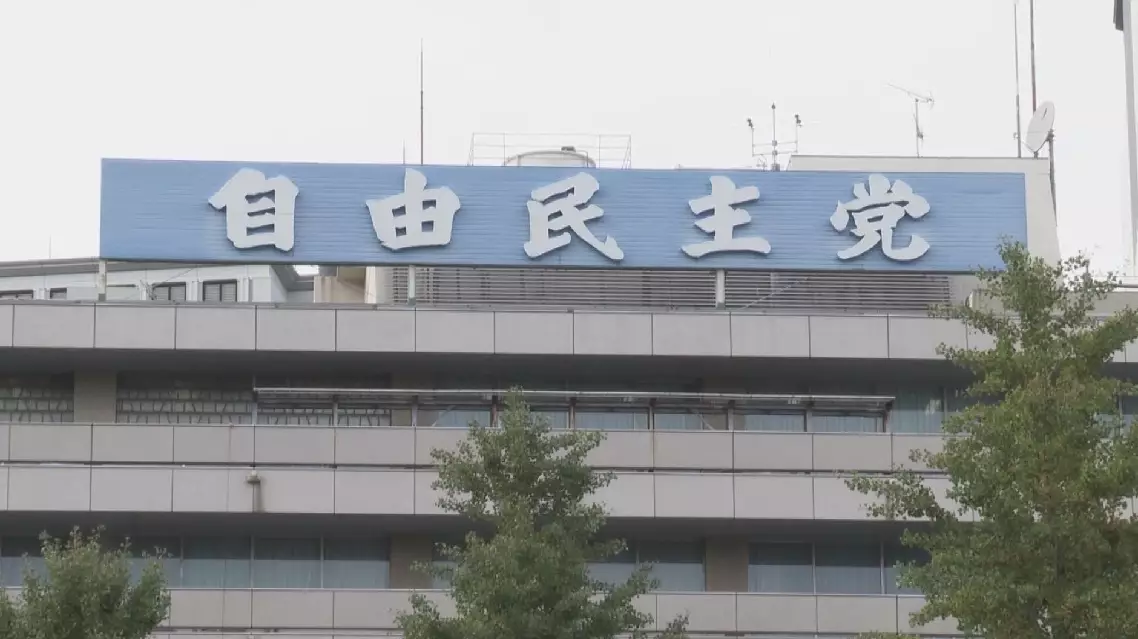
Japanese PM Takaichi reshuffles ruling party's executive lineup, largely retains key figures
Iran is working to secure the Strait of Hormuz and remains resolutely determined to defend itself, deputy head and spokesman of the Atomic Energy Organization of Iran Behrouz Kamalvandi said in Vienna.
Speaking on the sidelines of the 70th General Conference of the International Atomic Energy Agency (IAEA), Kamalvandi said that only a handful of ships are currently moving through the strait, disputing U.S. claims that traffic through the strategic waterway is increasing.
"We are doing all our best to secure the situation, to secure the Strait of Hormuz. But the number of ships is not the number that they are claiming. We have only a one-digit number of ships which are in traffic, going and coming into the Strait of Hormuz," said Kamalvandi.
As the conflict remains unsettled, he emphasized that Iran will hold strong in defense of itself for as long as circumstances require.
"If you are under invasion, you have every card to play to defend yourself. So we have more than cards. We have, of course, enough cards, but more than cards, we have a very strong will to defend our country. And of course we will be able to prevail in this situation no matter how much pressure they put on us," said Kamalvandi.
According to Iran's state-run IRIB news agency reports on Monday, Austria has denied a visa to president of the Atomic Energy Organization of Iran Mohammad Eslami, who was scheduled to deliver a speech at the 70th Regular Session of the IAEA General Conference later in the day. The reports cited "obstructionism" by the United States and certain other countries as the reason.
Kamalvandi sharply criticized the decision to prevent Eslami from attending this week's IAEA General Conference.
"They issued a visa about two weeks ago. But all of a sudden, under pressure from Americans, they revoked it. And, this is not good. This is something that is not a matter only for Iran, it is a matter of international issue. And I think everybody, every country has to react," he said.
The 70th Regular Session of the IAEA General Conference, running from Monday to Friday, has drawn nearly 4,000 senior officials and representatives from IAEA member states, and delegations of international organizations and non-governmental organizations.
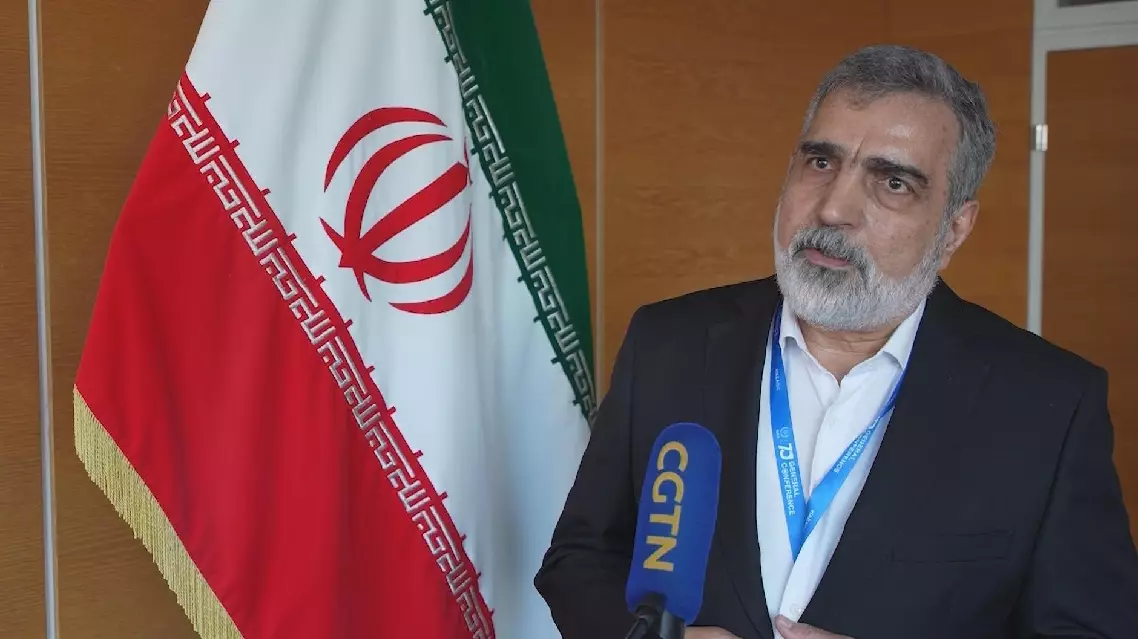
Iran maintains "strong will" to defend itself: Iranian nuclear official