China's Hong Kong Special Administrative Region (HKSAR) unveiled its first five-year plan for economic and social development (2026-2030) on Wednesday.
Unveiling the blueprint, HKSAR chief executive John Lee said on Wednesday that the 2026-2030 period is five crucial years for Hong Kong to seize the opportunity to expedite the transition from stability to prosperity, enhance social well-being, and build a better home for all.
Hong Kong will consolidate and enhance its status as an international financial, maritime and trade center, and develop itself into an international IT center and a global hub for high-caliber talent, thus sharpening its competitive edge, according to the plan.
Efforts will also be made to expedite the development of the Northern Metropolis, deepen the development of the Guangdong-Hong Kong-Macao Greater Bay Area and create an international collaboration network.
The plan also vows to enhance social well-being and refine the social protection framework.
Noting that this year marks the beginning of China's 15th Five-Year Plan period (2026-2030), Lee said that the inaugural blueprint represents a major initiative by the HKSAR government to uphold and enhance the executive-led system and improve governance efficacy.
The blueprint signaled the strategic planning need for Hong Kong to proactively align with national development strategies and better integrate into and serve the overall national development, the chief executive added.
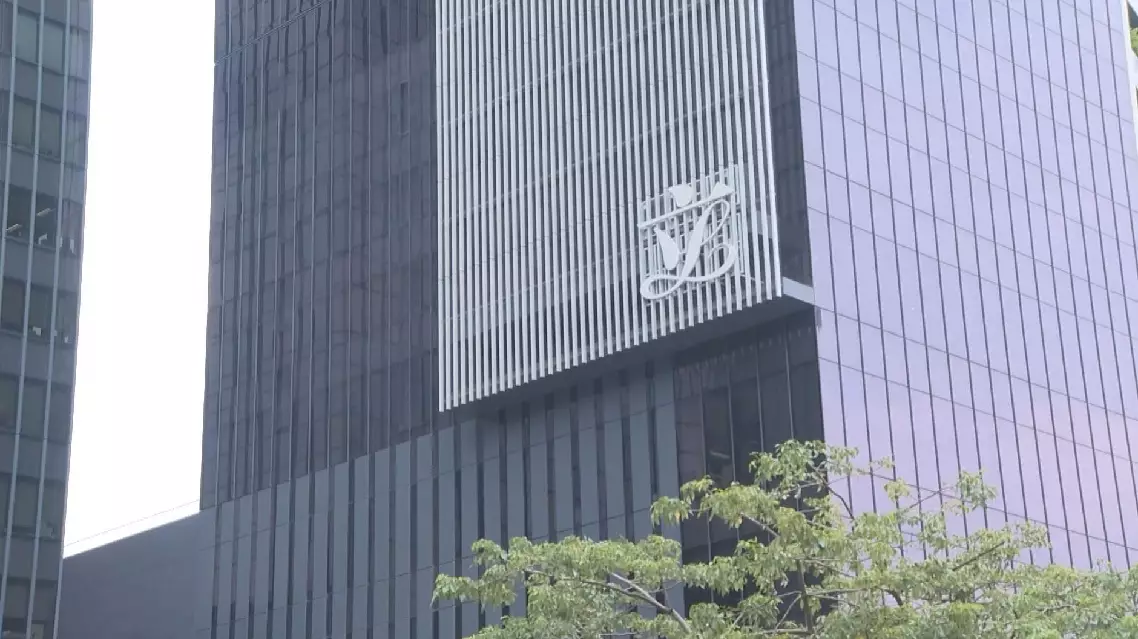
Hong Kong unveils first five-year plan for economic, social development
The World Trade Organization (WTO) warned Tuesday that failure to modernize the global trading system could leave global GDP as much as 10 percent lower than under a strengthened multilateral system, as trade policy faces its most serious and sustained disruption in decades.
The warning came in the WTO's annual flagship publication, World Trade Report 2026: A Critical Juncture for the World Trading System, which examines the achievements of the multilateral trading system over the past 80 years and the challenges it now faces.
"The multilateral trading system has delivered enormous benefits over the past 80 years, helping to create a more integrated and resilient global economy," WTO Director-General Ngozi Okonjo-Iweala said.
About 72 percent of global merchandise trade still takes place under the WTO's most-favored-nation terms, she said.
The global trading landscape has changed significantly but the founding logic of the system, that all economies are better off cooperating rather than acting unilaterally, remains as relevant today as ever, Okonjo-Iweala said.
She said WTO members are actively discussing reforms and recognize that "the status quo is not an option."
The report models three possible futures for the global trading system.
Under a strengthened multilateral framework, global GDP could rise 2.9 percent and exports 17.9 percent by 2050 compared with the baseline trajectory.
The other two scenarios envision an erosion of multilateral trade rules. In a "geo-fragmented world," where trade cooperation is organized around geopolitical blocs, global GDP could fall 5.1 percent and exports 18.6 percent, while in a world where multilateral cooperation is replaced by a network of free trade agreements, GDP could fall 6.9 percent and exports 26.9 percent.
WTO warns weakened trade rules could leave global GDP up to 10 pct lower