Skip to Content Facebook Feature Image

Nine New Tropical Cyclone Names Introduced for 2026

HK

Nine New Tropical Cyclone Names Introduced for 2026
HK

HK

Nine New Tropical Cyclone Names Introduced for 2026

2026-06-08 10:00 Last Updated At:11:44

New names for tropical cyclones in 2026

The Hong Kong Observatory said today (June 8) that nine new names, Koki, Gaeguri, Dim-sum, Hebi, Tomo, Tirou, Narae, Burapha and Hoaban, have been introduced to the list of tropical cyclone names in the western North Pacific and the South China Sea in 2026 to replace the old names of Kong-rey, Toraji, Man-yi, Usagi, Yagi, Ewiniar, Jebi, Krathon and Trami respectively.
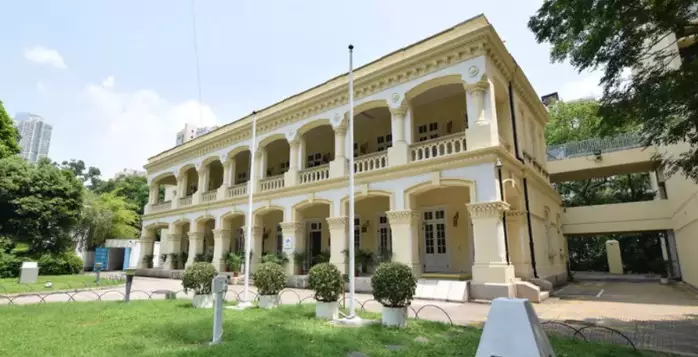
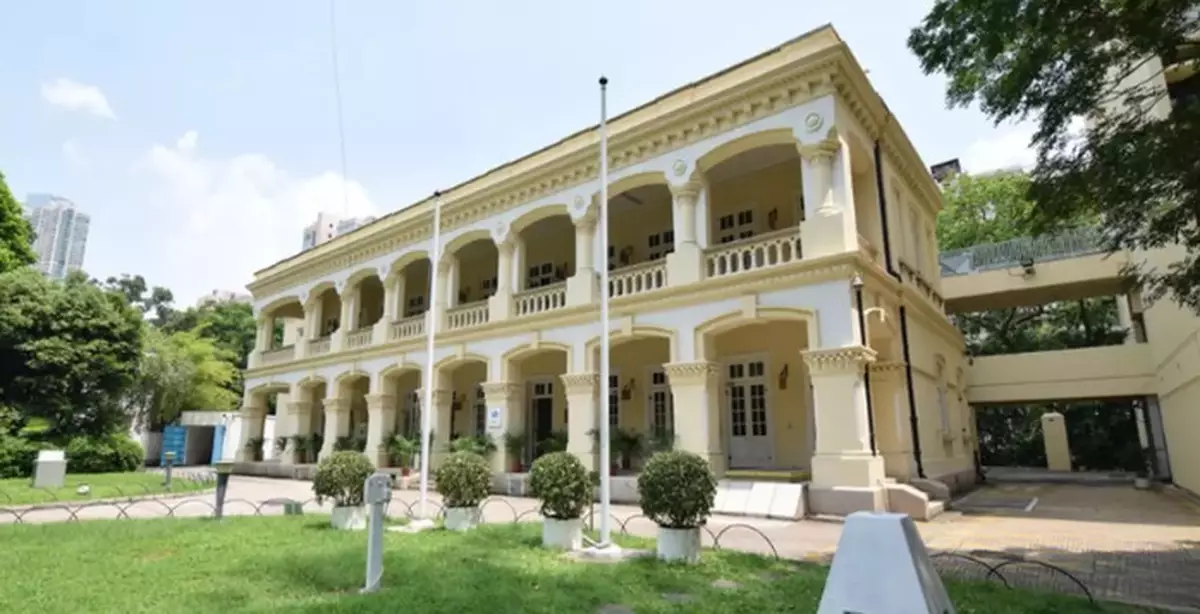
The Hong Kong Observatory, Photo source: reference image

The Hong Kong Observatory, Photo source: reference image

The new names were endorsed at the 58th session of the Typhoon Committee, which is under the United Nations Economic and Social Commission for Asia and the Pacific, and the World Meteorological Organization.

The meanings of the nine new names and the contributing countries/regions are as follows:

Name

Meaning

Contributing country/region

1.Koki

The name of a large tree with a hard flesh that is suitable for daily use in Cambodia

Cambodia

2.Gaeguri

A frog

Democratic People's Republic of Korea

3.Dim-sum

A famous food in Hong Kong cuisine

Hong Kong, China

4.Hebi

Serpens; snake

Japan

5.Tomo

Puppis; stern

Japan

6.Tirou

A formal and respectful way of greeting in Chuukese culture

Micronesia

7.Narae

The wing of a bird or an insect

Republic of Korea

8.Burapha

East

Thailand

9.Hoaban

It is a species of flowering plant in the Fabaceae family, a typical flower of the Northwest mountains of Vietnam, it has a pleasant scent and blooms every spring

Vietnam

According to convention, the Typhoon Committee will consider retiring the name of a tropical cyclone which has caused serious casualties and economic losses. Typhoon Ewiniar hit the Philippines in late May 2024, causing six deaths and eight injuries. More than 150 000 people were affected and economic losses exceeded PHP1.04 billion. In early September 2024, Super Typhoon Yagi left 21 deaths, 26 missing and 22 injuries in the Philippines during its passage. More than three million people were affected and economic losses exceeded PHP2.6 billion. Super Typhoon Krathon brought torrential rain to the northern part of the Philippines in late September to early October 2024, resulting in five deaths, one missing and 12 injuries. Over 380 000 people were affected and economic losses exceeded PHP1.5 billion. Typhoon Trami and Super Typhoon Kong-rey in late October 2024 caused a total of 159 deaths, 22 missing and 132 injuries in the Philippines. More than 9.6 million people were affected and economic losses exceeded PHP18.4 billion. Typhoon Toraji, Super Typhoon Usagi and Super Typhoon Man-yi hit the Philippines successively in mid-November 2024, causing a total of 14 deaths, two missing, 15 injuries with more than 4.3 million people affected. Economic losses exceeded PHP3.7 billion. Additionally, "Jebi" has been retired due to an inappropriate meaning in other languages.

The latest list of tropical cyclone names and their corresponding meanings are available on the Hong Kong Observatory webpage for Tropical Cyclone Names in the western North Pacific and the South China Sea with effect from 2026.
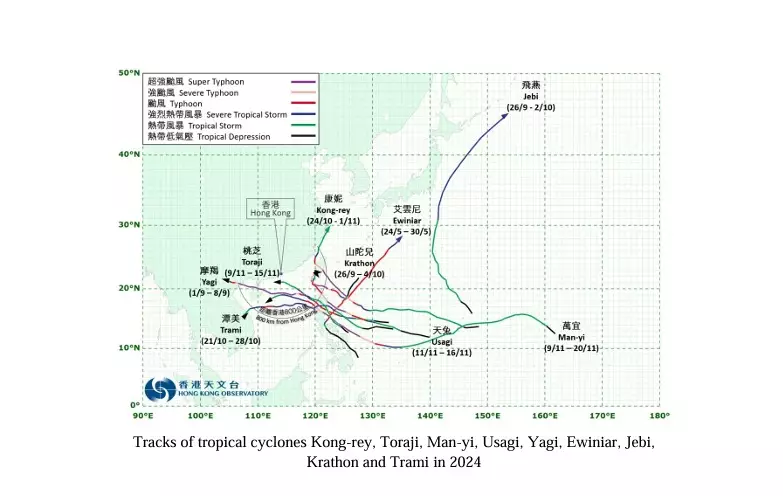
Photo source: HKSAR Government Press Releases

Photo source: HKSAR Government Press Releases
Employers and employees should make reasonable work arrangements after tropical cyclones or rainstorms

The Labour Department (LD) today (June 8) reminded employers to make practical and reasonable work arrangements for employees after the cancellation of tropical cyclone warnings or rainstorm warnings, with due consideration to the road and traffic conditions and other factors, and make flexible arrangements for staff to resume work or work remotely (if applicable). This will help maintain good labour-management relations, and ensure the safety of employees as well as the smooth operation of organisations.

The Labour Department (LD), Photo source: reference image

The Labour Department (LD), Photo source: reference image

"For staff who have genuine difficulties in resuming work on time upon cancellation of a tropical cyclone or rainstorm warning, employers should be sympathetic and handle each case flexibly. For example, employers may allow employees to resume work in stages, permit employees who have difficulties in returning to workplaces to work remotely (if applicable) or allow more time for them to report for duty and resume work," an LD spokesman said.

The spokesman reminded employers to observe the statutory liabilities and requirements under the Employment Ordinance, Occupational Safety and Health Ordinance, Factories and Industrial Undertakings Ordinance, Employees' Compensation Ordinance and Minimum Wage Ordinance.

"As natural calamities cannot be avoided, for employees who are not able to report for duty or resume duty on time due to adverse weather or extreme conditions, employers should neither deduct their wages, good attendance bonus or allowances, nor reduce employees' entitlement to annual leave, statutory holidays or rest days under the Employment Ordinance, or ask for additional hours of work from employees to compensate for the loss of working hours when they are unable to report for duty," the spokesman said.

Employers should note that they have an obligation to provide and maintain a safe working environment for their employees under the Occupational Safety and Health Ordinance. Moreover, under the Employees' Compensation Ordinance, employers are liable to pay compensation for injuries or deaths incurred when employees are travelling by a direct route from their residence to their workplace, or from their workplace back to their residence after work, four hours before or after working hours on a day when Tropical Cyclone Warning Signal No. 8 or higher, a Red or Black Rainstorm Warning Signal or extreme conditions are in force.

The LD has published the "Code of Practice in Times of Adverse Weather and 'Extreme Conditions'", which provides the major principles, reference guidelines and information on relevant legislation on making work arrangements for the reference of employers and employees. The booklet can be obtained from branch offices of the Labour Relations Division or downloaded from the department's webpage (www.labour.gov.hk/eng/public/wcp/Rainstorm.pdf).

Photo by Bastille Post

Photo by Bastille Post

Recommended Articles