Wuhan, the capital city of central China's Hubei Province, has been creating several clusters for entrepreneurs, where startups in AI industry can develop collectively.
So far, the industry size of Hubei Province's AI sector has surpassed 160 billion yuan (about 22.5 billion U.S. dollars).
Wuhan's Donghu New Technology Development Zone, also known as the Optics Valley, is one of such clusters.
AI startup, Lingine Technology Co., Ltd., just moved to this community eight months ago, Not only does its number of employees have increased from two to eight, but also its business scale has expanded to research and development of intelligent devices.
"The government not only provides the office to us for free, but also offers financial support, such as interest-free loan. These measures are great encouragement for startups like us," said Zhang Ao, founder of Lingine Technology Co., Ltd.
In this community, the neighboring companies are the upstream and downstream of the industrial chain.
Back in February, when Zhang's firm encountered an obstacle on agent frame, another startup, just 10 meters away from them, unreservedly provided them with underlying technical support.
"The biggest advantage to start a company in such an environment is that all the enterprises can help each other and grow together," Zhang said.
"When the companies of these young generations grow big enough to go beyond here, they will also recruit more employees," said Ye Wanqi, deputy director of Optics Valley's AI+ office.
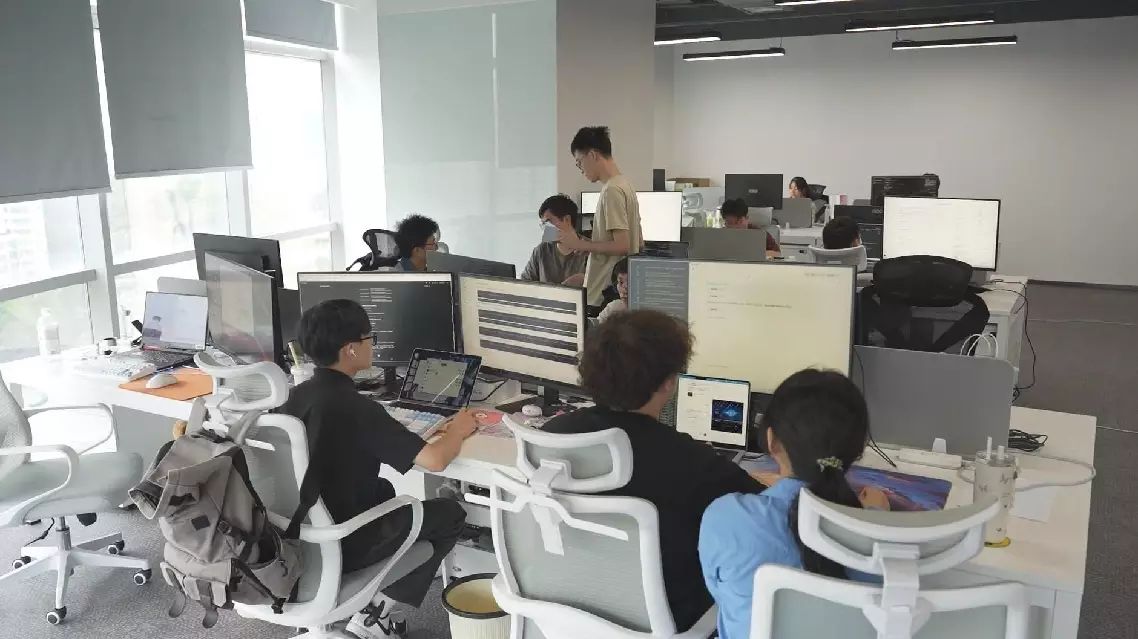
Wuhan’s startup community helps AI firms grow together
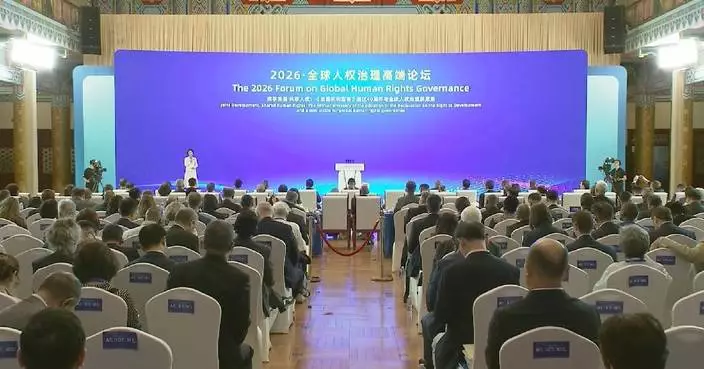
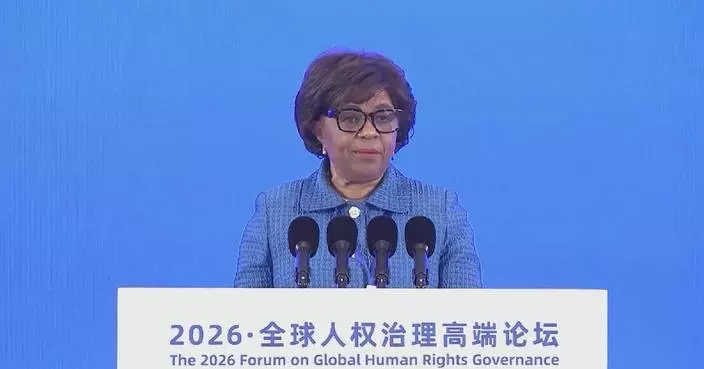
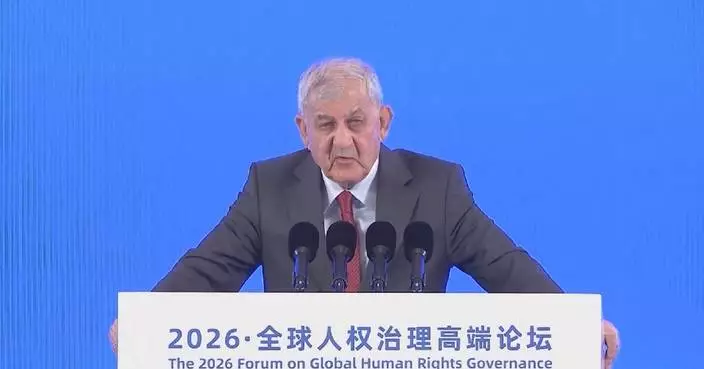
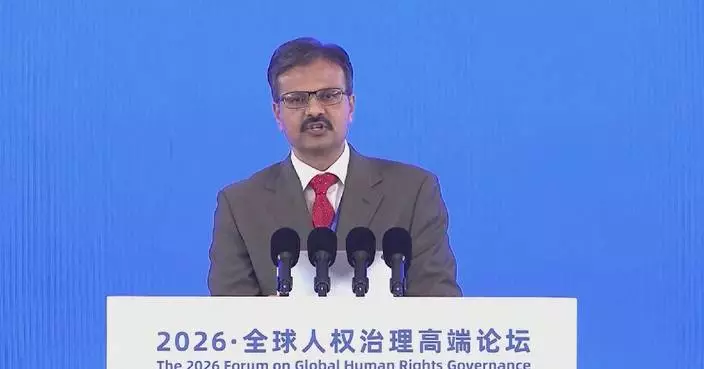
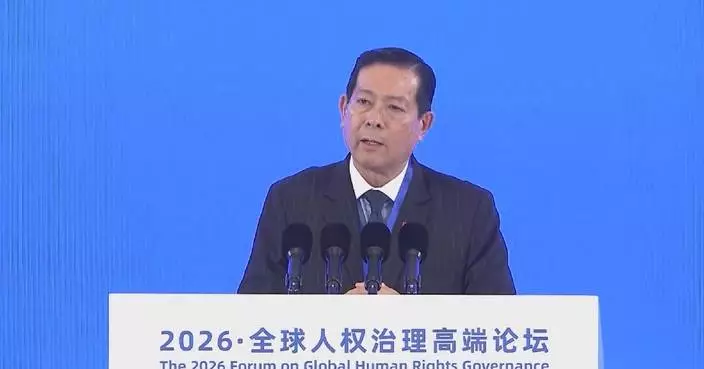
Delegates highly commented on China's Global Governance Initiative (GGI) at the 2026 Forum on Global Human Rights Governance which opened in Beijing on Thursday, exploring new approaches to shared challenges.
Marking the 40th anniversary of the adoption of the Declaration on the Right to Development, the two-day event focuses on advancing human rights through development and will foster discussions on global human rights governance issues.
Over 400 participants from over 100 countries and international organizations, including the United Nations (UN) are in attendance.
Ole Doering, professor with Hunan Normal University in China stated that the growing complexity of the world demands a new management theory, and that China's GGI opens new options for UN development.
"In the past, the world was complicated, but not as complex as today. We need an entirely new management theory of how to deal with that. That goes into the governance task that we have globally. I think what China is doing now is to open the new option for the development of the United Nations through the Global Governance Initiative," said the professor.
Muhammad Asif Noor, executive director of the Institute of Peace and Diplomatic Studies, an autonomous, nonpartisan research think tank based in Islamabad, Pakistan, highlighted China's important and systematic diplomatic role in resolving conflicts in troubled regions around the world.
"China's role in the whole world is very important, especially in the conflicting areas and regions. China is systematically, and diplomatically resolving the conflicts among the nations," he said.
Chang Jian, director of the Center for Study of Human Rights at China's Nankai University, emphasized that through dialogue and shared experiences, building common understanding and solidarity is what matters most for human rights.
"We exchange ideas and share experiences. Through dialogue, we broaden our perspectives and build common understanding. On that basis, we emphasize solidarity, cooperation and shared development. I believe that is what matters most," Chang said.
Robert Persaud, foreign secretary of the Guyanese Ministry of Foreign Affairs and International Cooperation, stated that despite different systems and views, respecting people's fundamental rights is non-negotiable.
"We may have different perspectives, different views on different subjects. We have different systems which have been operated. But respecting people's fundamental rights, I think that's something we should not compromise on," said Persaud.
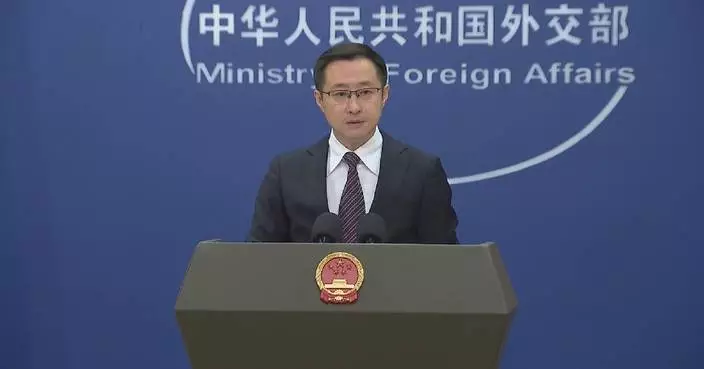
The forum is jointly hosted by China's Information Office of the State Council and Ministry of Foreign Affairs.
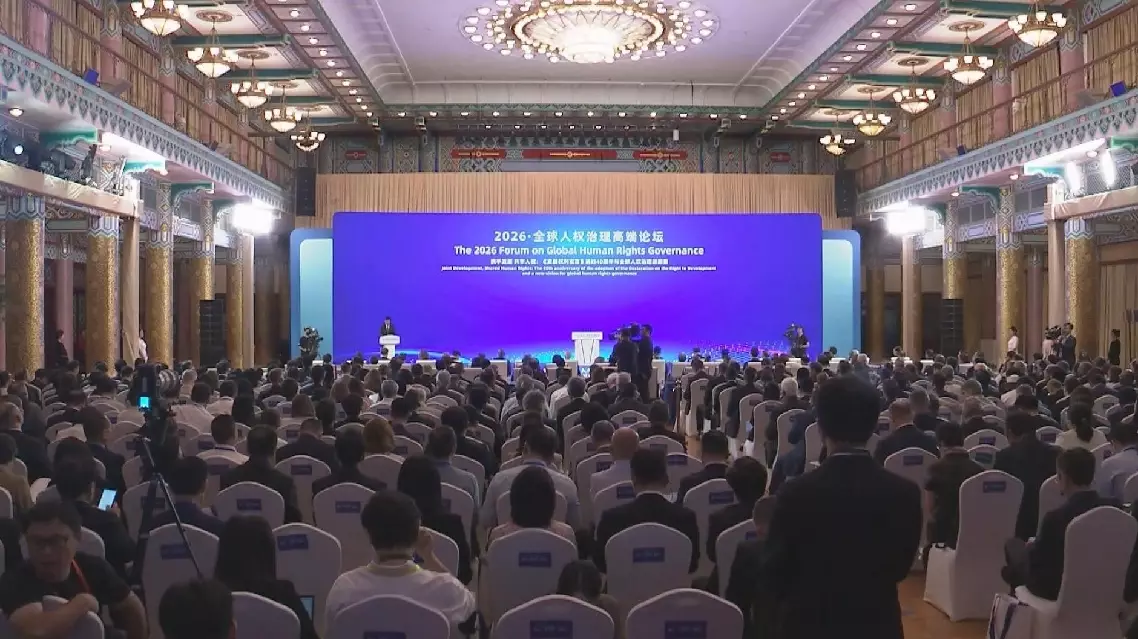
Global experts highlight Global Governance Initiative's role in address challenges