The ongoing conflict in the Middle East is sending shockwaves through Australia's economy, pushing up petrol prices, raising farming costs and limiting the government's ability to tackle inflation.
Affected by the Strait of Hormuz crisis, fuel prices in some areas of Australia nearly doubled before easing slightly due to government tax cuts and market cycles. However, the Australian Broadcasting Corporation has pointed out that a temporary fuel excise cut is set to expire on June 30, and if the Middle East conflict continues to disrupt energy shipments through the strategic Strait of Hormuz, Australian motorists could soon face another spike in petrol costs.
Australia's thin fuel reserves are also a source of concern. According to data released on June 6 by the Department of Climate Change, Energy, the Environment and Water, the country holds only about 30 days' worth of diesel and aviation fuel stocks and roughly 43 days of petrol.
Meanwhile, higher oil prices are driving up fertilizer costs, which in turn push up supermarket bills. The Lowy Institute, an Australian think tank, notes that the impact of the Middle East conflict is not limited to energy. Urea prices, for instance, have surged about 75 percent. These rising costs for farms are already feeding through to supermarket prices, meaning ordinary consumers bear the burden at the checkout.
Beyond household budgets, energy price volatility is also squeezing the policy options available to the government and the central bank. The Reserve Bank of Australia has previously warned that rising energy prices will push up inflation over time, reducing household real incomes and dampening consumption. If energy prices continue to fuel inflation, the room for interest rate cuts will narrow.
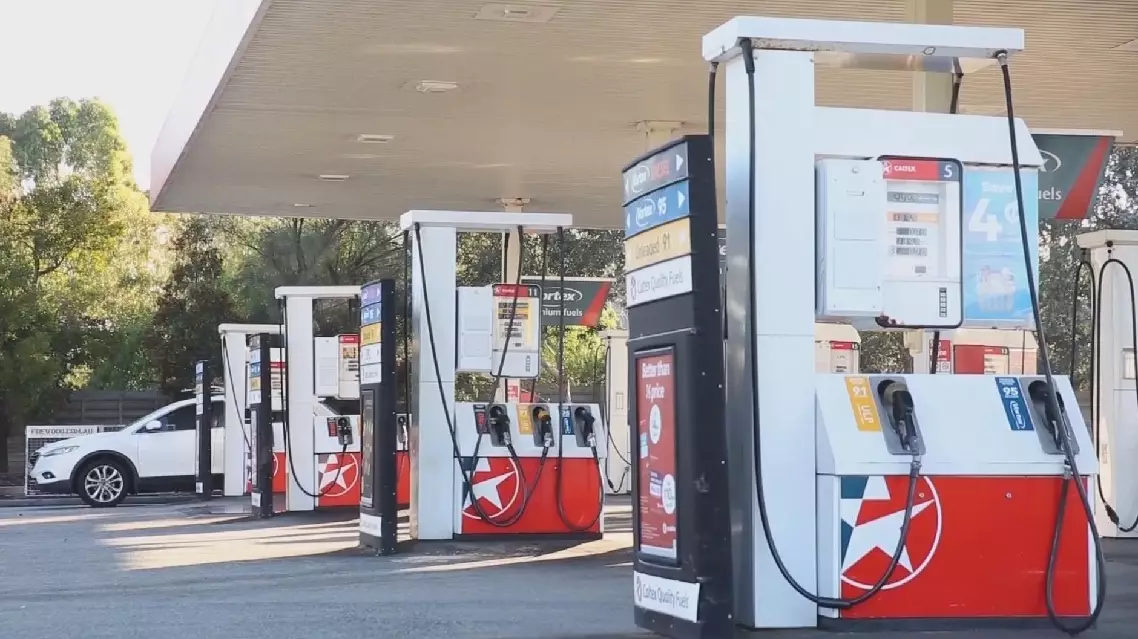
Middle East conflict drives up fuel, farm costs in Australia