WASHINGTON (AP) — Organizations that give legal assistance to children who came to the U.S. alone said agents from Immigration and Customs Enforcement and Health and Human Services tried to enter their offices in what the groups described as part of a campaign to intimidate legal services providers.
Because of the special vulnerability of children, the U.S. government has historically provided legal help to migrant children who came to the U.S. without a parent or guardian. But the second Trump administration has attempted to cut funding to the network of non-governmental legal groups that provide legal help at the same time the administration has taken other steps that advocates say amounts to an attack on immigrant children.
Three organizations that provide legal aid to children said in news releases Friday that agents from Homeland Security Investigations, which is part of ICE, and the Office of the Inspector General at U.S. Health and Human Services tried to gain access to their Washington D.C.-area offices, including Amica Center for Immigrant Rights, Ayuda, and Kids in Need of Defense.
Immigration and Customs Enforcement directed requests for information to the Justice Department which directed them to the Office of Refugee Resettlement, which falls under Health and Human Services. HHS directed questions to the inspector general's office, which said in a statement that they generally don’t confirm nor deny the existence of ongoing investigations.
Michael Lukens, the head of Amica, said agents visited their offices Thursday asking for financial records related to their contract to provide legal services to unaccompanied migrant children. They didn't have a warrant or any paperwork to back up their demands and the organization turned them away, Lukens said.
“There was no reason to show up other than to intimidate us, which didn’t work,” said Lukens, who added that the legal service providers already regularly provide updates to the government on their work. Lukens said the law enforcement visits were part of months of “very quiet and strategic attacks” by the administration against immigrant children's legal rights.
“If the kids don't have attorneys it’s very unlikely they can fight their cases," he said.
Critics of the Trump administration have raised concerns over wellness checks carried out by immigration officers at elementary schools, immigration officers showing up and detaining sponsors at reunification meetings with children, and newly required documentation that’s created a “paperwork barrier” and led to a recent lawsuit.
Wendy Young, president at KIND, said two agents with the HHS Office of Inspector General on Thursday knocked on the door of their office located in D.C. They did not have a warrant or subpoena, but they asked for access to financial records.
Paula Fitzgerald, the executive director at Ayuda, said two agents visited their office Wednesday morning and asked to see information on billing and invoices related to their legal services work with migrant children. Fitzgerald asked them to put their request in writing over email. They said they would get back to her and left.
These visits could have a chilling effect on legal service providers already financially strained under the Trump administration, said Young.
“I think there’s an overarching approach which is to harass and intimidate those organizations that are set up to provide services to this very vulnerable population because these are kids who cannot navigate the immigration system without the assistance of counsel,” Young said.
Both Young and Lukens said the visits came at the same time the Justice Department, Homeland Security and Health and Human Services held a news conference Thursday to announce cases against three Guatemalan nationals that they said underscores the dangers of improper vetting of sponsors in a program seeking to unite kids with relatives or family friends after they enter the U.S.
Officials at the press conference said they're also investigating what officials call super-sponsors, who gained custody of more than three unrelated children, to determine whether the sponsors took the kids in fraudulently.
“It seems to be that the timing probably wasn’t coincidental,” Young said.
Just a month into the second Trump administration, it suspended the legal aid program for children with little explanation, only to reverse that decision a week later.
More recently, the legal aid groups say the government hasn't paid money it owes them. KIND, which says it has represented 14,000 immigrant children and educated 70,000 more about their legal rights since the organization was founded, said in their news release that they're currently owed $20 million for services already completed.
The Trafficking Victims Protection Act of 2008 created special protections for children who arrive in the U.S. without a parent or a legal guardian. It said the government should facilitate legal representation for the children put into deportation proceedings, though it did not mandate every child have a lawyer.
Unaccompanied children can request asylum, juvenile immigration status, or visas for victims of sexual exploitation. Most of the children don’t speak English and need interpreters.
Gonzalez reported from McAllen, Texas.
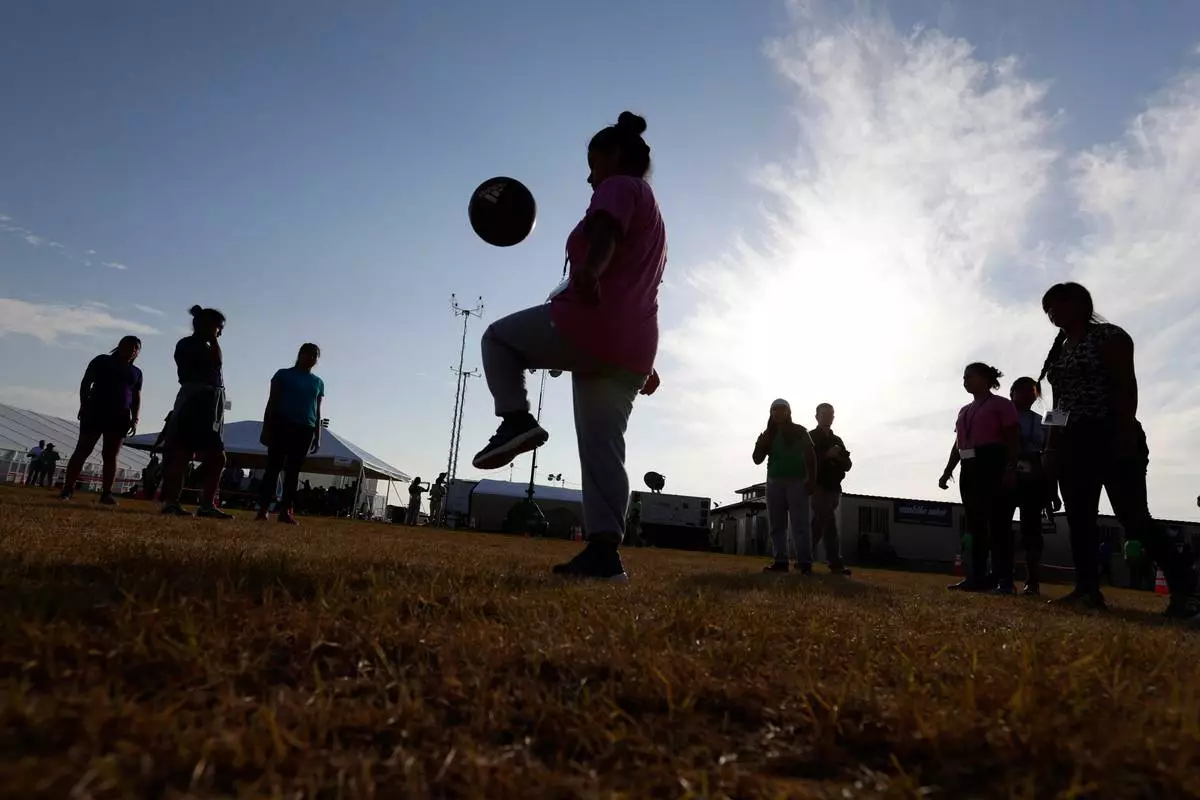
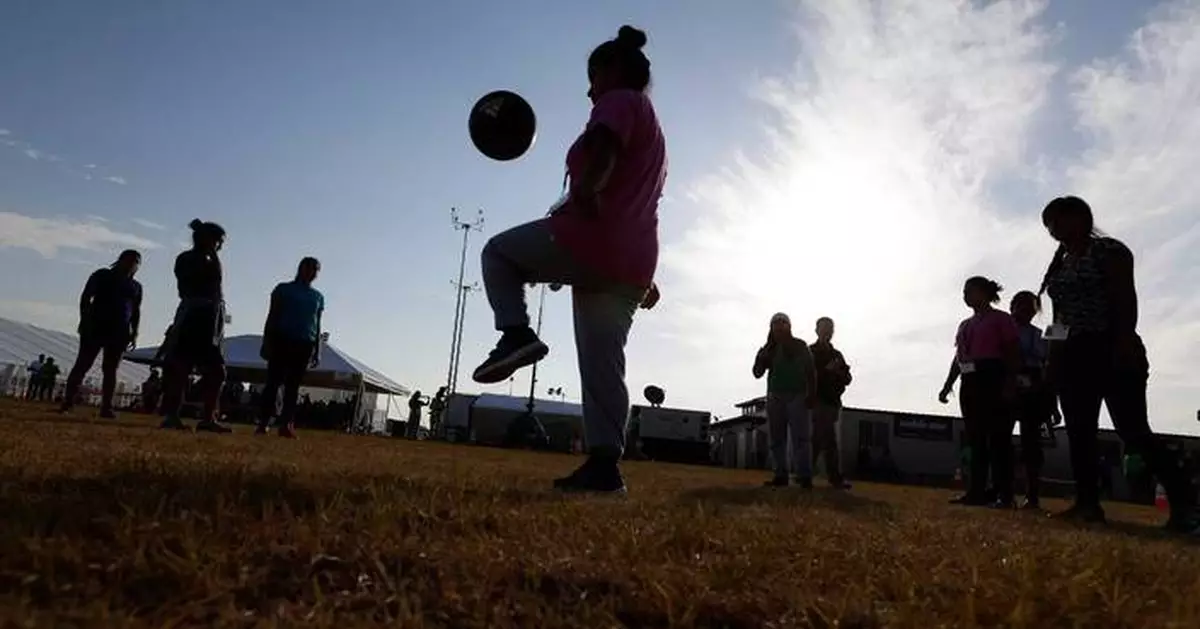
FILE - Immigrants play soccer at a new U.S. government holding center for migrant children, in Carrizo Springs, Texas, July 9, 2019. (AP Photo/Eric Gay, File)
PROVO, Utah (AP) — Attorneys for the man accused of killing Charlie Kirk asked a judge Friday to block prosecutors from seeking the death penalty as punishment for comments they made in the media about a bullet fragment recovered from Kirk’s body.
The comments were made in response to speculation that the bullet fragment could exonerate defendant Tyler Robinson. Conjecture over the evidence in Kirk’s killing has fueled unsubstantiated conspiracy theories that there might have been a second shooter or that his death was staged.
Prosecutors have said they intend to seek the death penalty if Robinson is convicted. The 23-year-old from southwestern Utah is charged with aggravated murder in the Sept. 10 killing of Kirk, a conservative activist who was shot in the neck while addressing a crowd of thousands at Utah Valley University. Robinson has not yet entered a plea.
Robinson’s attorneys accused prosecutors of going on a “media tour” to discuss expert reports about the bullet fragment, violating the judge's restrictions against speaking about the case outside court.
Prosecutors countered that they had a right to speak to the press to correct misinformation about a preliminary finding by ballistics experts. Those experts' initial tests did not match the bullet fragment with a gun that investigators believe was used to kill Kirk.
In court filings, defense attorneys made public a federal agency's failure to conclusively link the bullet fragment with the rifle. They said it appeared to be “exculpatory evidence” — information that tends to absolve a defendant of guilt — without noting that the finding was preliminary and that further testing was planned.
That spurred stories by some publications raising questions about the prosecution's case: A March 30 headline in the U.K.-based Daily Mail reported that the bullet that killed Kirk “did NOT match” the rifle investigators say was used to kill Kirk.
Authorities have said DNA consistent with Robinson’s was found on the trigger of the rifle, the fired cartridge casing, two unfired cartridges and a towel used to wrap the rifle.
“The rules expressly allow lawyers to set the record straight,” Deputy Utah County Attorney Christopher Ballard wrote in a court filing.
Ballard argued Friday that he didn't speak to the media about case specifics and only spoke generally about how ballistics testing can be inconclusive. He said his goal “was to respond to the substantial undue prejudicial effect of the media stories.”
Defense attorney Richard Novak disagreed, saying Ballard did not speak to the media using general terms and tried to “influence public perception” of the case.
“What was going on here was an attempt to influence the jury pool,” Novak argued.
State District Judge Tony Graf said he will issue his decision about the contempt allegation on June 22.
Earlier Friday, Graf declined a defense request to halt the proceedings while they appeal a June 1 order in which the judge declined to bar cameras from the courtroom.
The ruling comes ahead of a key hearing scheduled to begin July 6, when prosecutors must show they have enough evidence to warrant a trial. That would mark the most significant presentation of evidence to date in the case, which has so far focused on matters of media access.
Before Friday's hearing, the defense team pointed to another criminal case in which prosecutors were accused of contempt and suggested that one potential remedy would be to bar the state from seeking the death penalty.
While the judge in that earlier case disagreed that an order barring the death penalty was merited, Robinson’s attorneys noted that “the court did not conclude that such a remedy was beyond its authority where the facts support it.”
Brown reported from Billings, Montana.
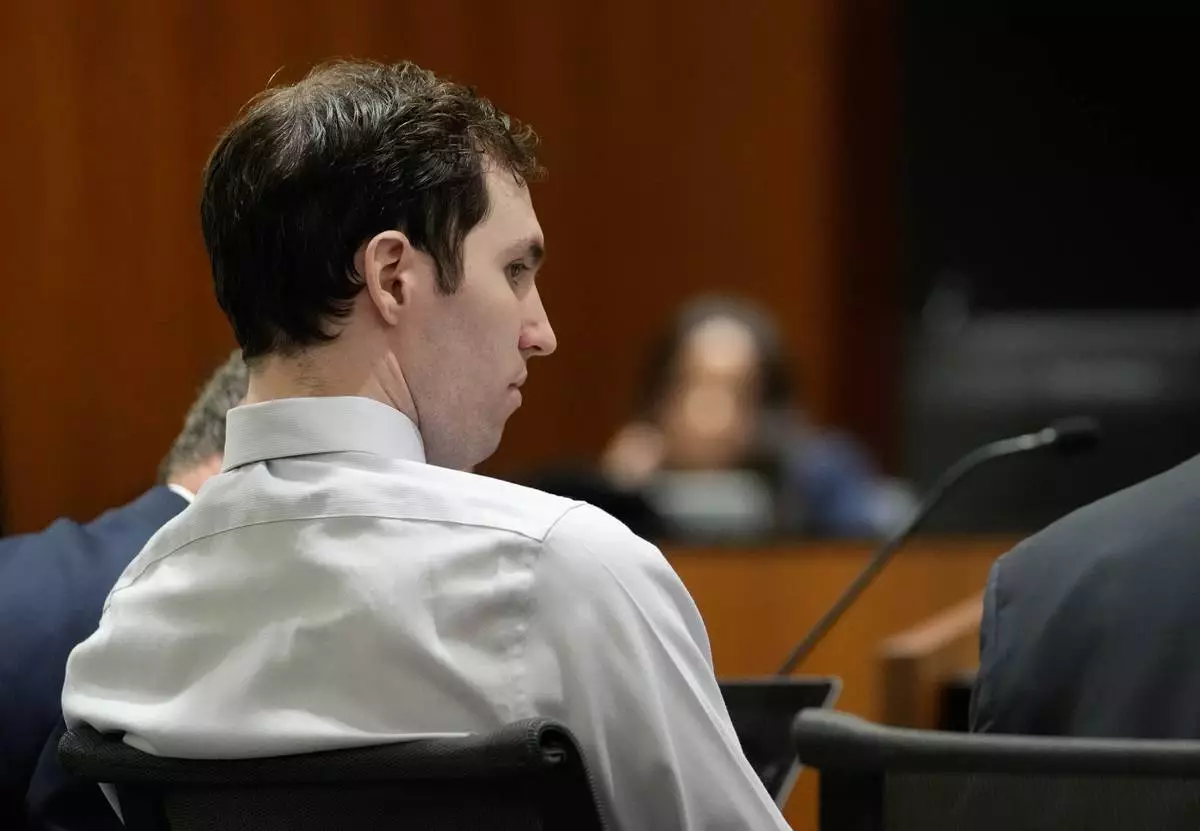
Tyler Robinson, accused in the fatal shooting of Charlie Kirk, appears during a hearing in 4th District Court in Provo, Utah, on Friday, June 12, 2026. (Francisco Kjolseth /The Salt Lake Tribune via AP, Pool)
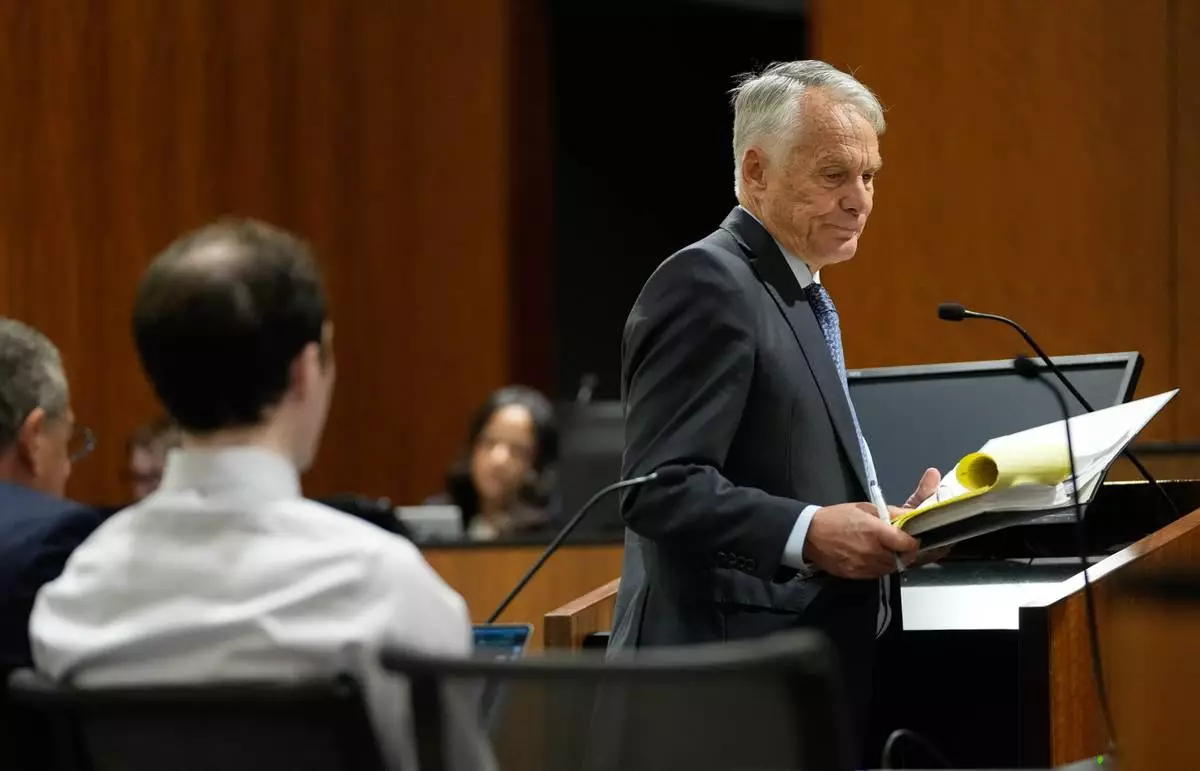
Defense attorney Michael Burt appears during a hearing for Tyler Robinson, accused in the fatal shooting of Charlie Kirk, in 4th District Court in Provo, Utah, on Friday, June 12, 2026. (Francisco Kjolseth /The Salt Lake Tribune via AP, Pool)
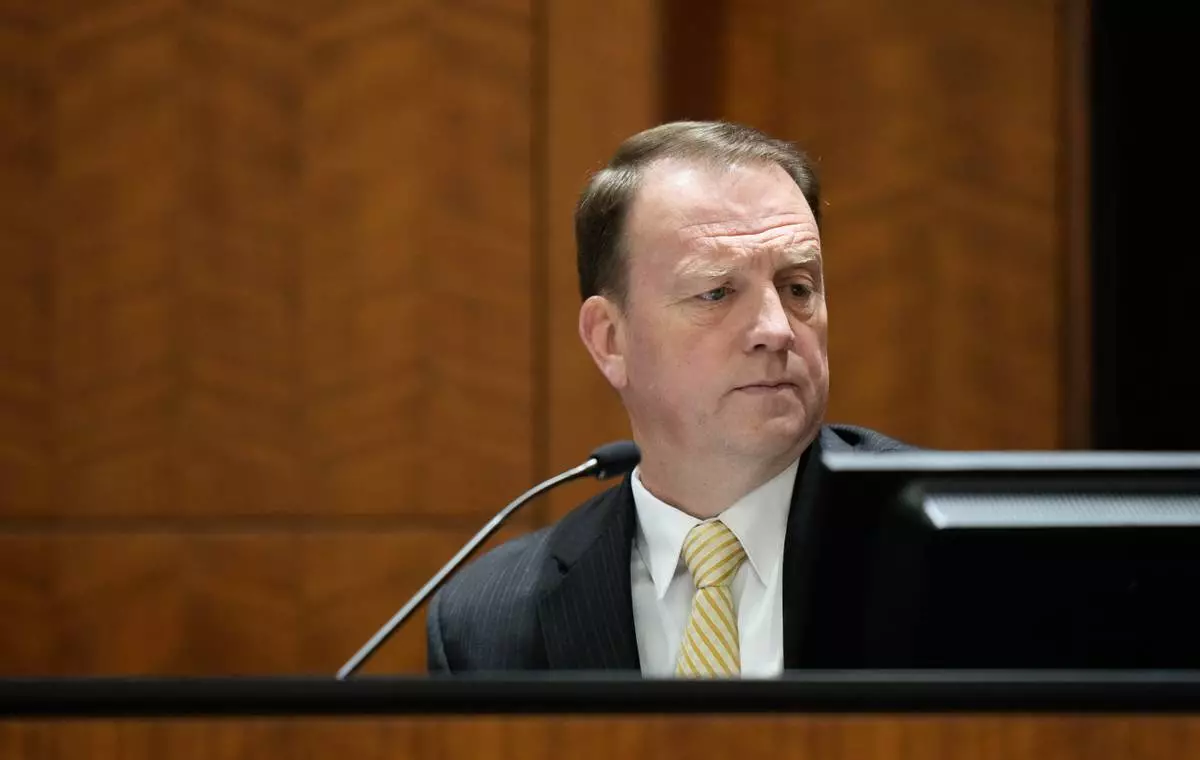
Deputy Utah County Attorney Christopher Ballard reviews a video from the witness stand during a hearing for Tyler Robinson, accused in the fatal shooting of Charlie Kirk, in 4th District Court in Provo, Utah, on Friday, June 12, 2026. (Francisco Kjolseth /The Salt Lake Tribune via AP, Pool)
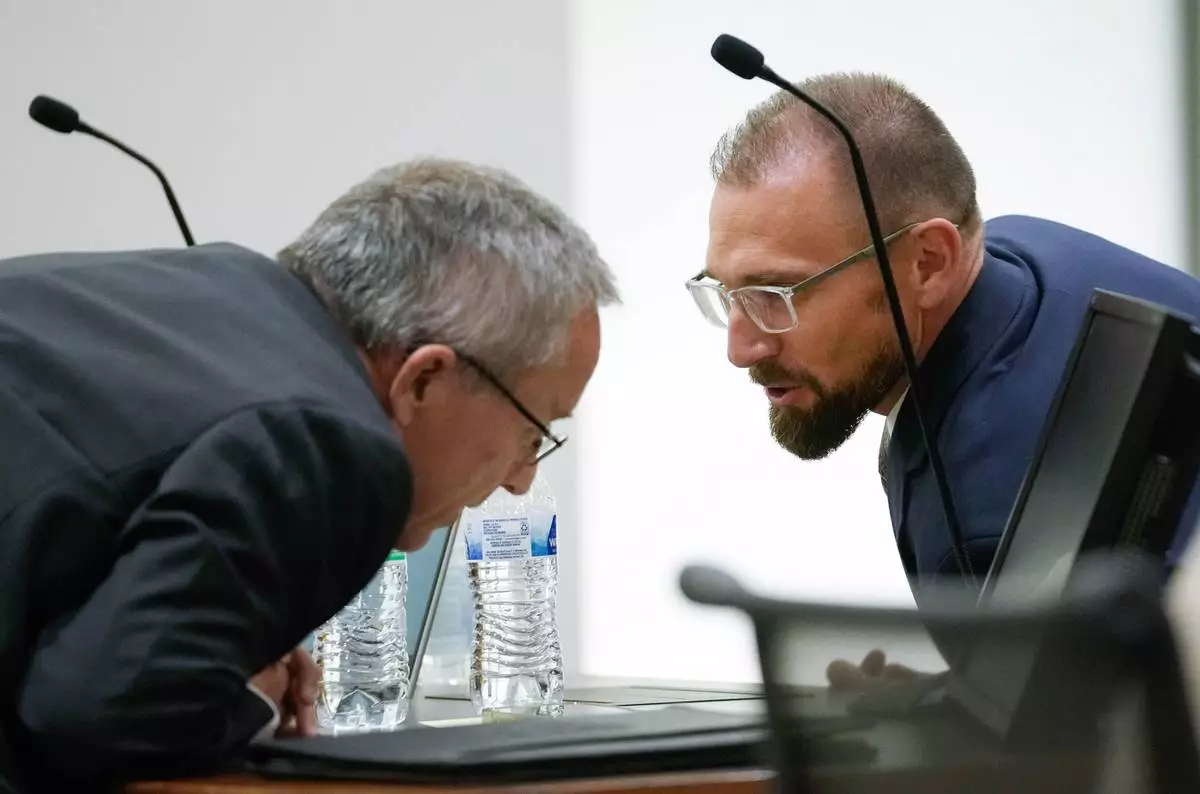
Utah County Attorney Jeff Gray, left, and Deputy Utah County Attorney Ryan McBride talk with each other during a hearing for Tyler Robinson, accused in the fatal shooting of Charlie Kirk, in 4th District Court in Provo, Utah, on Friday, June 12, 2026. (Francisco Kjolseth /The Salt Lake Tribune via AP, Pool)
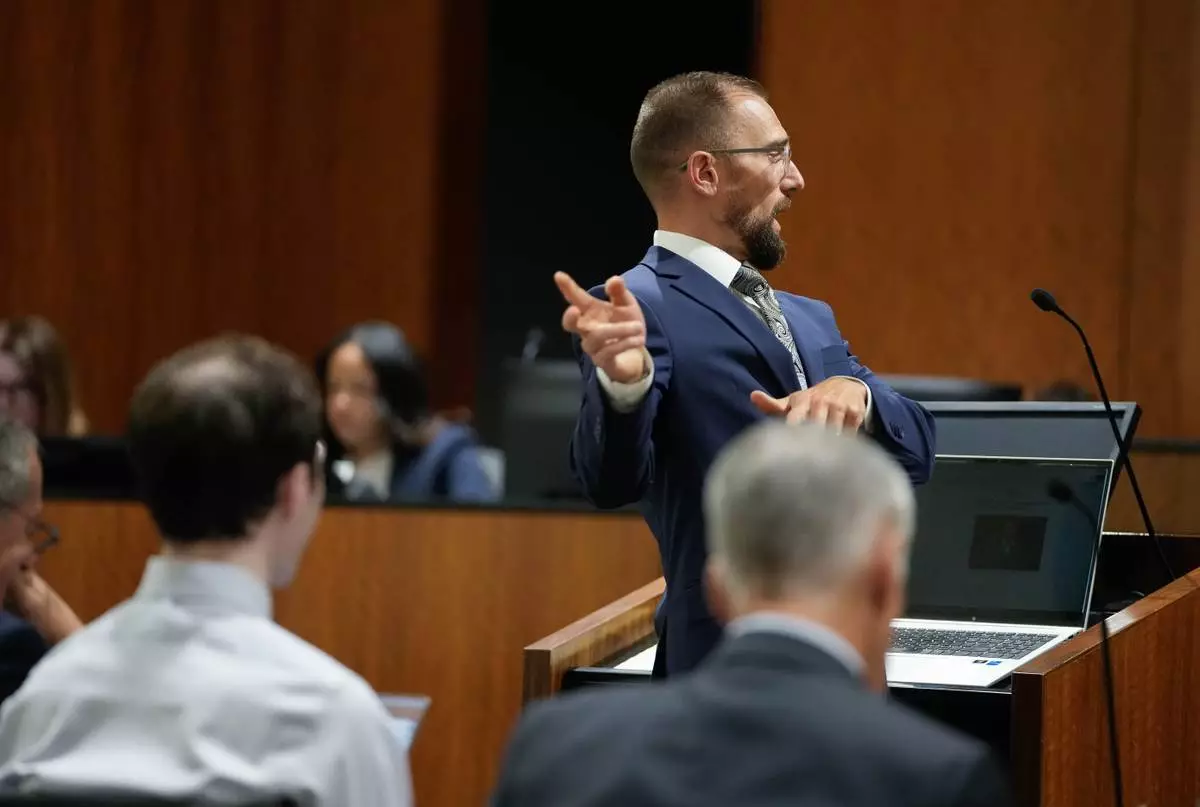
Deputy Utah County Attorney Ryan McBride cross examines during a hearing for Tyler Robinson, accused in the fatal shooting of Charlie Kirk, in 4th District Court in Provo, Utah, on Friday, June 12, 2026. (Francisco Kjolseth /The Salt Lake Tribune via AP, Pool)
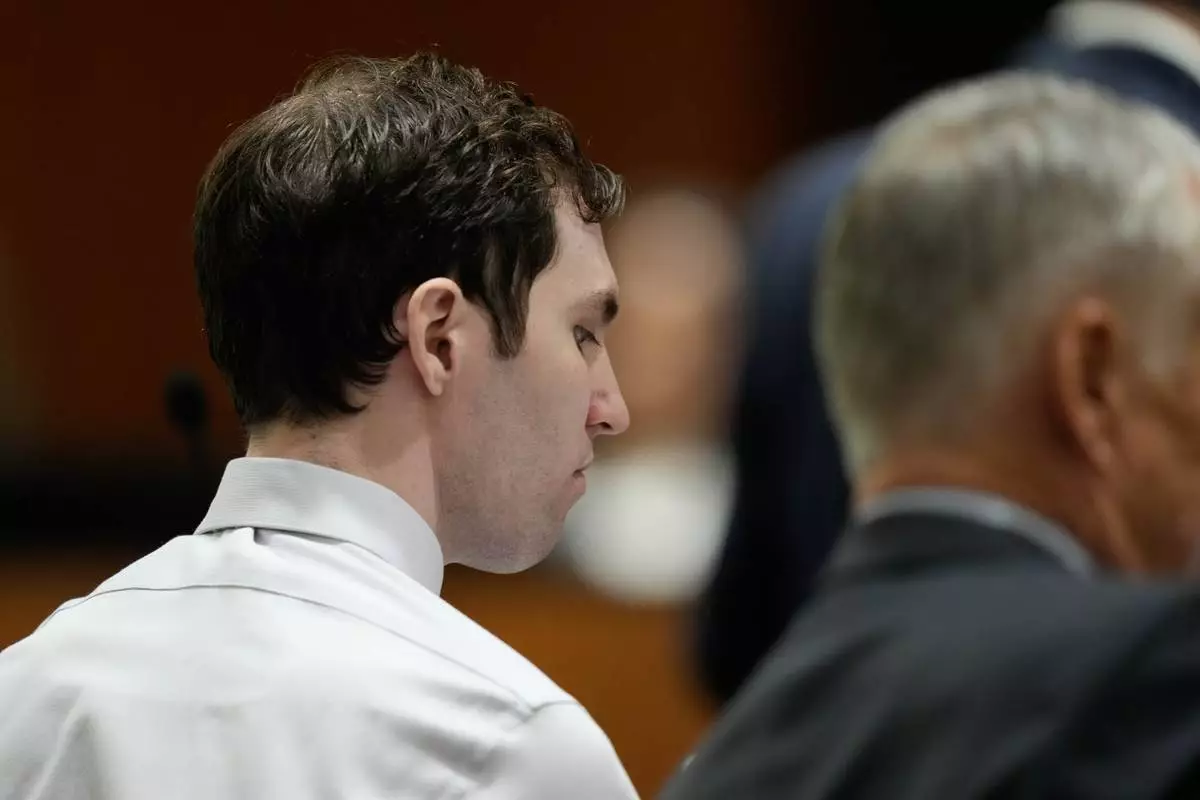
Tyler Robinson, accused in the fatal shooting of Charlie Kirk, appears during a hearing in 4th District Court in Provo, Utah, on Friday, June 12, 2026. (Francisco Kjolseth /The Salt Lake Tribune via AP, Pool)
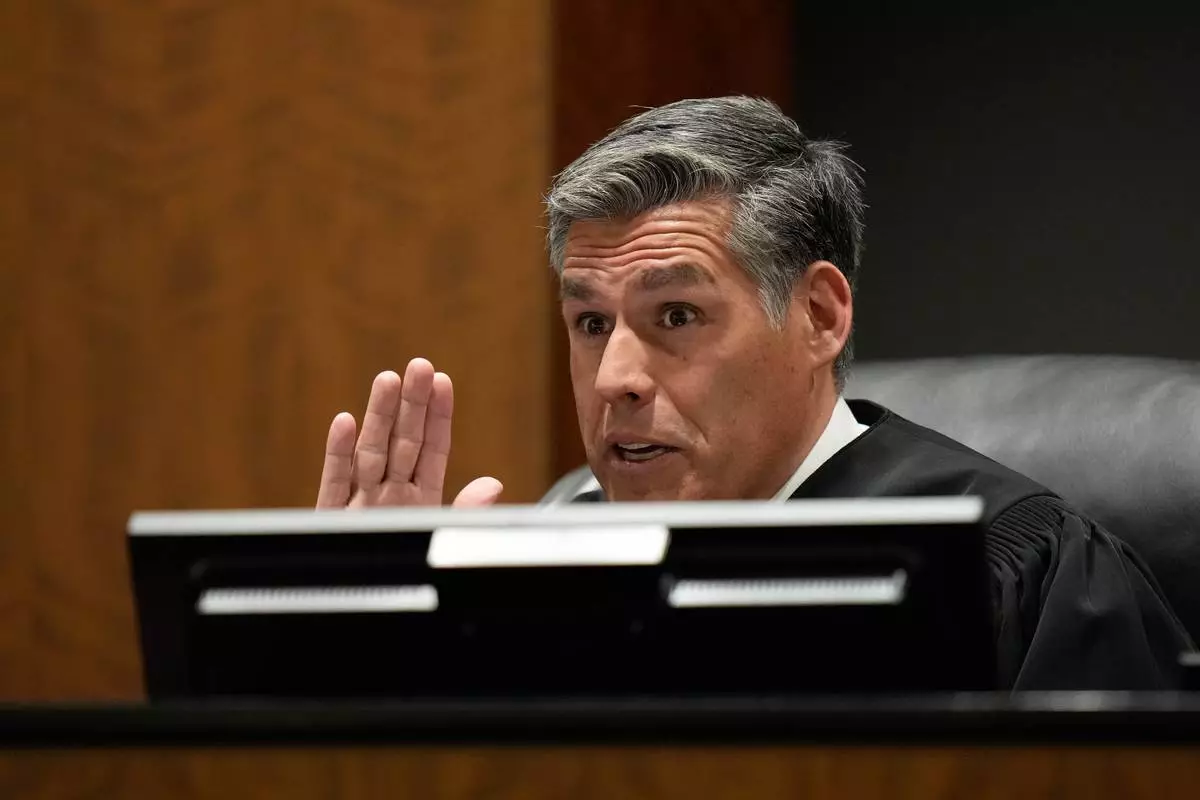
Fourth District Court Judge Tony Graf in Provo listens during a hearing for Tyler Robinson, accused in the fatal shooting of Charlie Kirk, in 4th District Court in Provo, Utah, on Friday, June 12, 2026. (Francisco Kjolseth /The Salt Lake Tribune via AP, Pool)
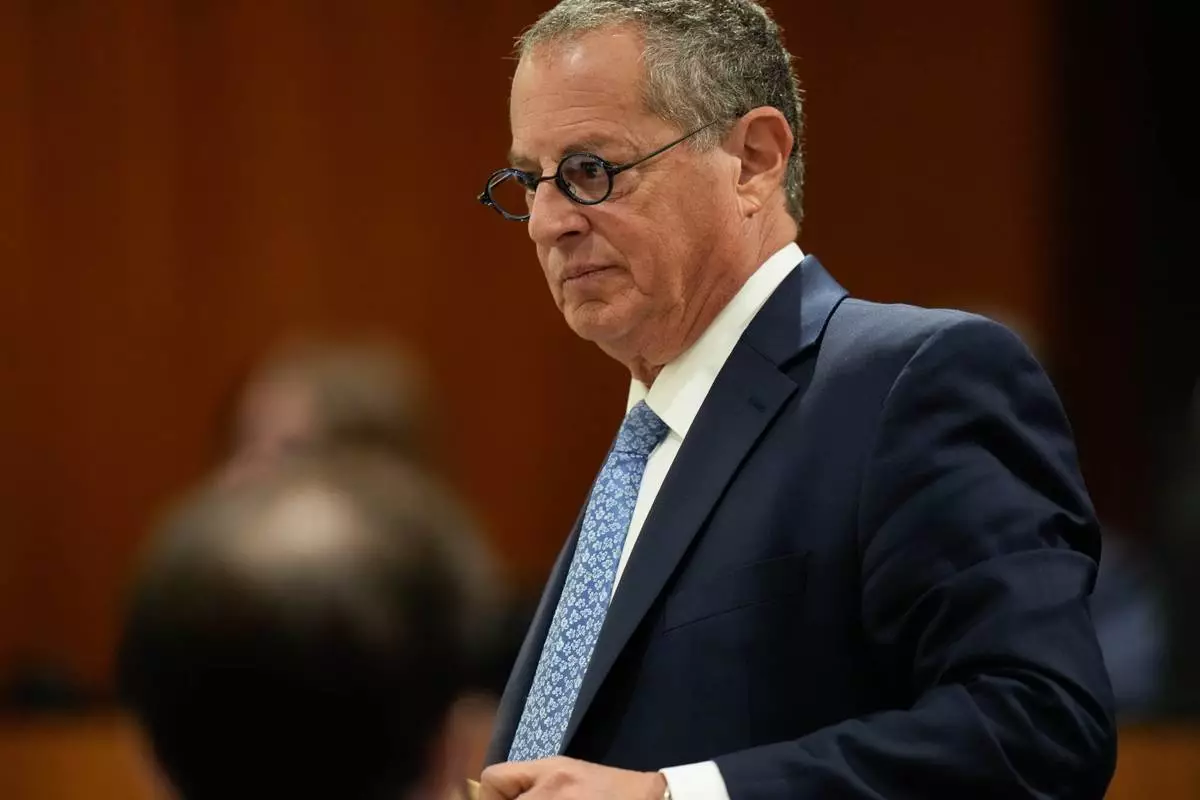
Defense attorney Richard Novak in Fourth District Court appears during a hearing for Tyler Robinson, accused in the fatal shooting of Charlie Kirk, in 4th District Court in Provo, Utah, on Friday, June 12, 2026. (Francisco Kjolseth /The Salt Lake Tribune via AP, Pool)
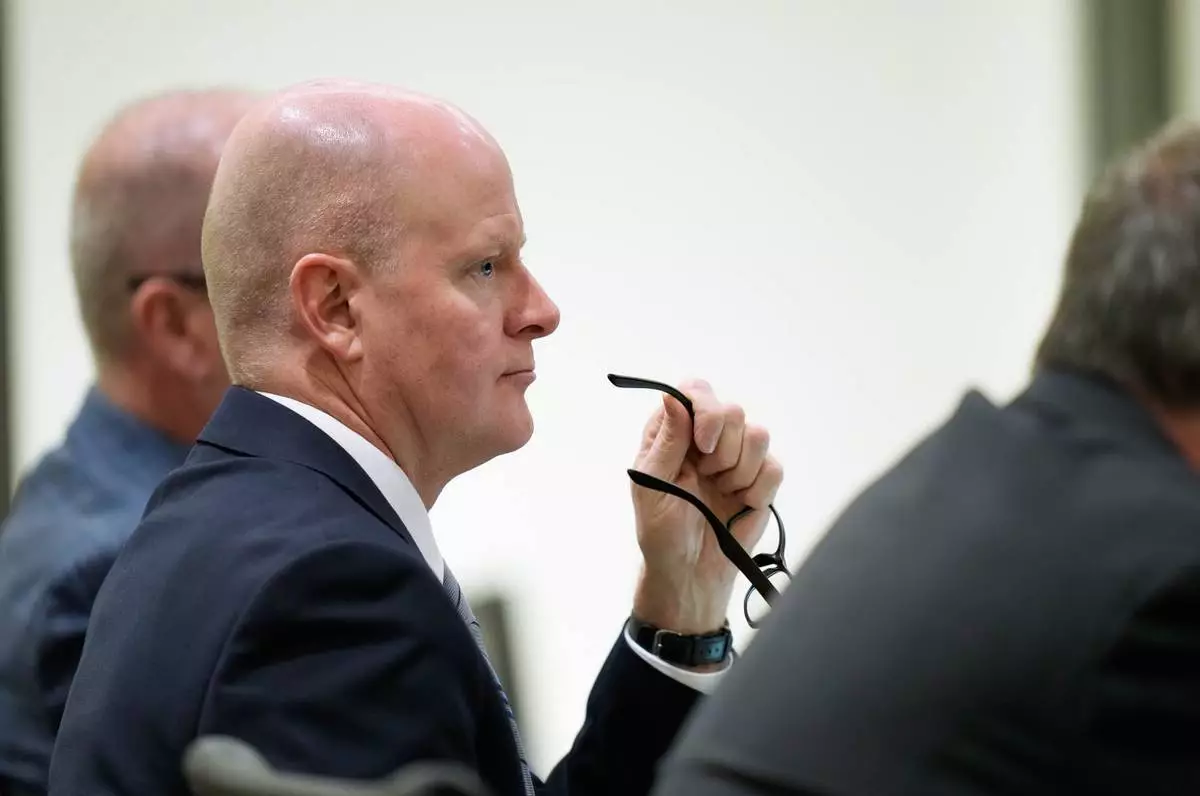
Deputy Utah County Attorney Chad Grunander attends a hearing for Tyler Robinson, accused in the fatal shooting of Charlie Kirk, in 4th District Court in Provo, Utah, on Friday, June 12, 2026. (Francisco Kjolseth /The Salt Lake Tribune via AP, Pool)
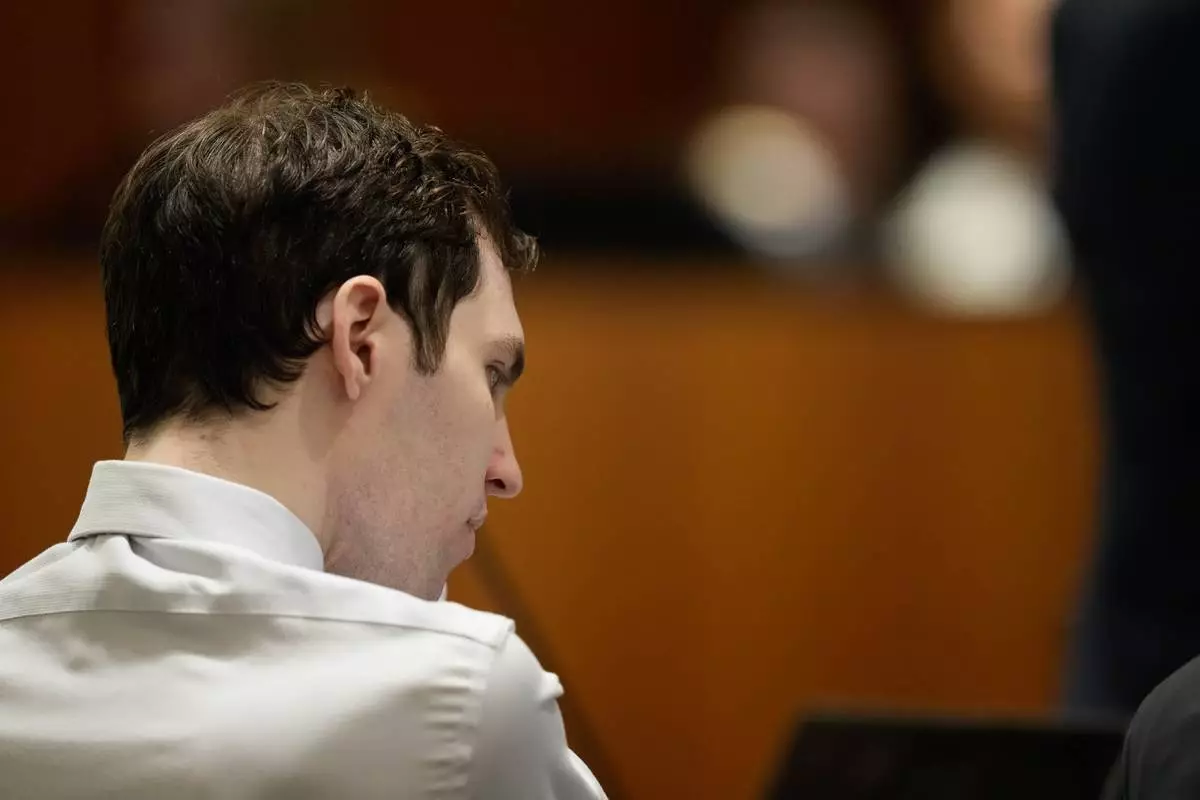
Tyler Robinson, accused in the fatal shooting of Charlie Kirk, appears during a hearing in 4th District Court in Provo, Utah, on Friday, June 12, 2026. (Francisco Kjolseth /The Salt Lake Tribune via AP, Pool)
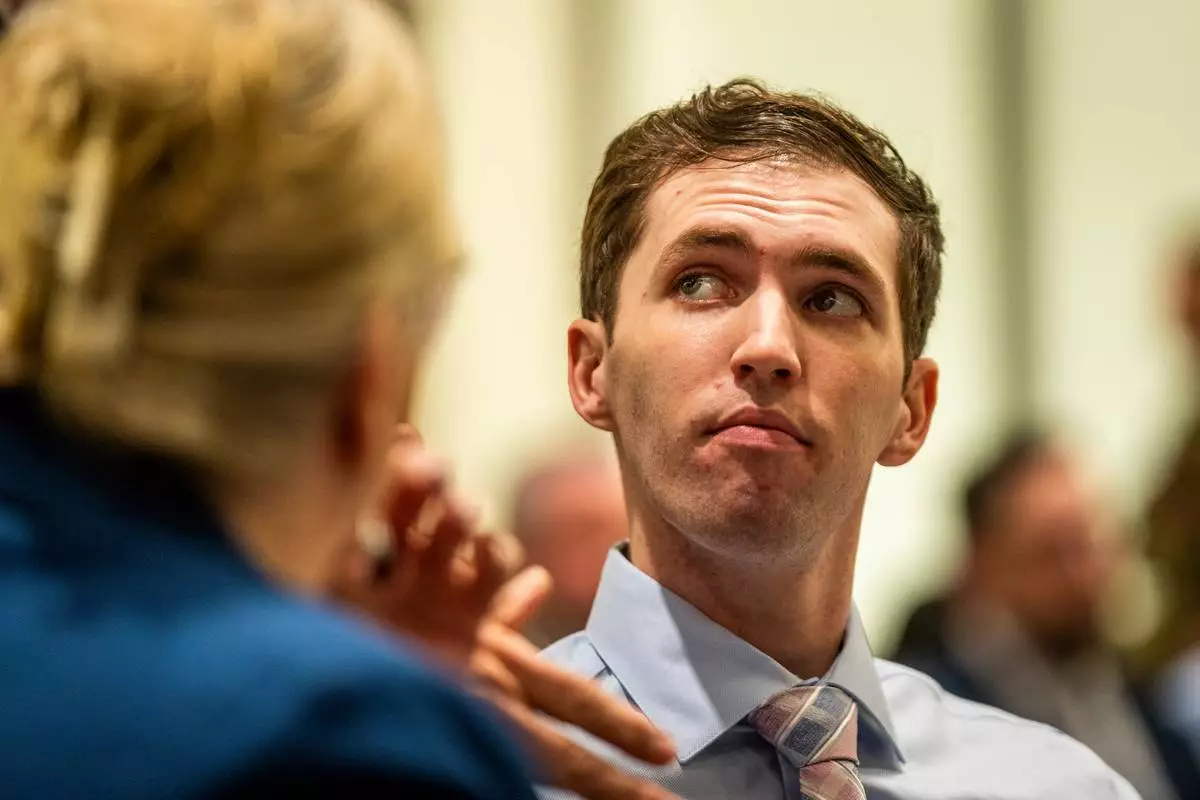
FILE - Tyler Robinson, who is accused of fatally shooting Charlie Kirk, appears during a hearing in Fourth District Court in Provo, Utah, on Dec. 11, 2025. (Rick Egan/The Salt Lake Tribune via AP, Pool, File)