MONTGOMERY, Ala. (AP) — Alabama on Friday asked permission to execute a man by lethal injection after court rulings blocked the use of nitrogen gas and cast doubt on the future of the state’s gas method.
The Alabama Attorney General’s office filed a motion asking the Alabama Supreme Court to authorize a death warrant for Jeffery Lee, this time using lethal injection. The request came less than 24 hours after the state was thwarted in plans to use nitrogen to execute Lee, who was convicted of killing two people during a 1998 robbery.
Click to Gallery
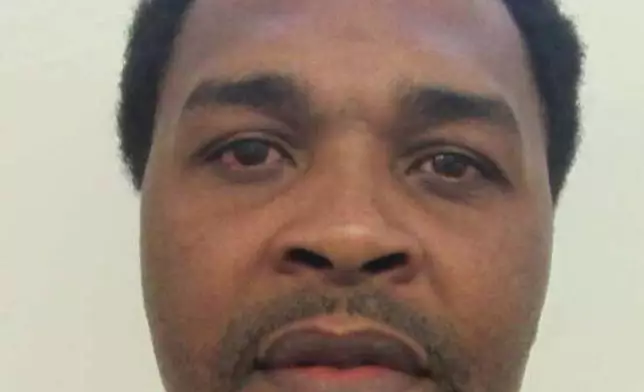
This undated photo from the Alabama Department of Corrections shows Jeffery Lee, who was sentenced to death for killing two people during a 1998 robbery at a pawn shop. (Alabama Department of Corrections via AP)
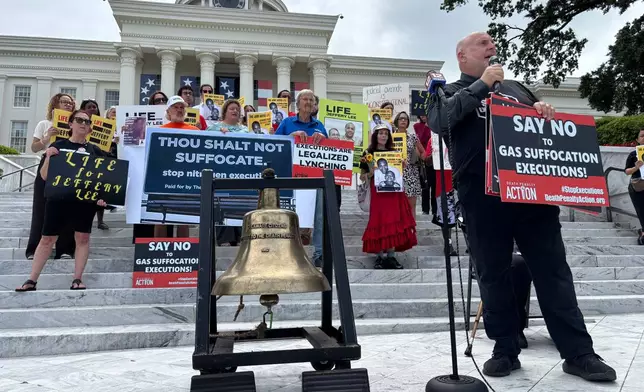
Abraham Bonowitz, of the group Death Penalty Action, leads a demonstration outside the Capitol in Montgomery, Ala., on Monday, June 8, 2026, to oppose an upcoming execution in Alabama. (AP Photo/Kim Chandler)
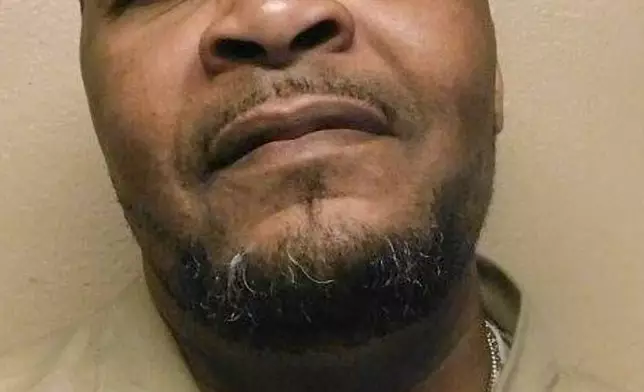
This undated photo provided by the Alabama Department of Corrections on Thursday, June 11, 2026, shows Jeffery Lee, who was sentenced to death for killing two people during a 1998 robbery at a pawn shop. (Alabama Department of Corrections via AP)
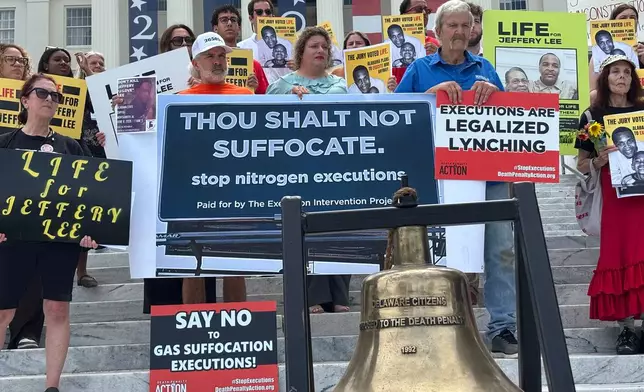
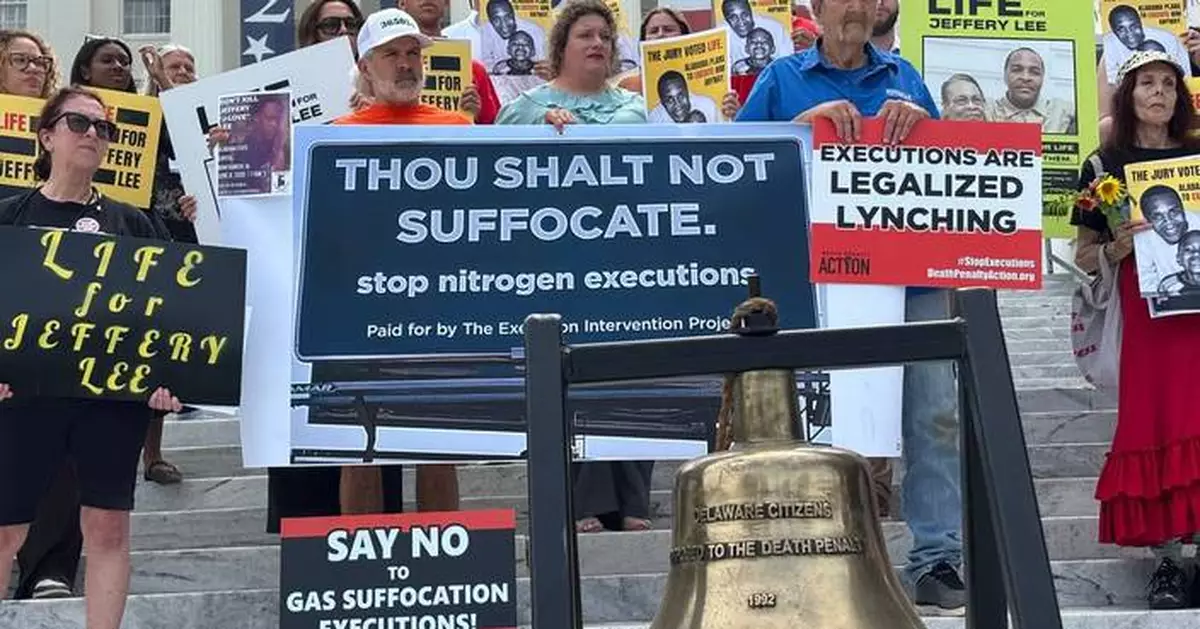
Protesters gather outside the Capitol in Montgomery, Ala., on Monday, June 8, 2026, to oppose an upcoming execution in Alabama. (AP Photo/Kim Chandler)
“In sum, ADOC has not been barred from executing Lee, only from executing him by nitrogen hypoxia,” state lawyers wrote.
A spokesperson for Lee’s legal team said they did not have an immediate comment on the action. The next step is for his attorneys to respond to the request at the Alabama Supreme Court.
The U.S. Supreme Court on Thursday night refused to lift an injunction blocking the state from executing Lee with nitrogen gas. A district judge issued the injunction after finding the state’s nitrogen protocol violated the ban on cruel and unusual punishments established in the Constitution's Eighth Amendment. The injunction, however, did not block the state from using one of its other authorized methods, lethal injection or the electric chair, to put Lee to death.
A spokesperson for Alabama Attorney General Steve Marshall declined to comment Friday, citing the pending litigation. Marshall on Thursday said he would “never stop seeking justice” for Lee’s victims.
“The State is prepared to do whatever is necessary to see Mr. Lee’s lawful sentence carried out,” Marshall said Thursday.
The development came after a week of legal rulings that cast doubt on the future of nitrogen executions, a method the state began using in 2024. It involves strapping a respirator to a person’s face and replacing breathable air with pure nitrogen gas, causing death from lack of oxygen.
Lee filed a lawsuit in 2025 challenging the constitutionality of the state’s nitrogen protocol. U.S. District Judge Emily C. Marks, after holding a three-day bench trial, initially ruled the method constitutional. However, a three-judge appellate panel on Monday reversed part of her conclusions and sent the case back. Marks issued a new finding Tuesday that the state’s execution protocol violates the Eighth Amendment and permanently enjoined the state from using it to execute Lee.
The state asked the U.S. Supreme Court to stay the injunction so Lee’s execution could go forward Thursday night. The court on Thursday declined to do so. The high court voted 6-3 and did not explain its reasoning. Three of the conservative justices — Clarence Thomas, Samuel Alito, and Neil Gorsuch — said they would grant Alabama’s request to lift the injunction and let the execution go forward.
The Supreme Court decision was only a ruling on Alabama’s emergency request to stay or lift the injunction. The court has not made a merits decision on the constitutionality of using nitrogen gas, said Robin Maher executive director of the Death Penalty Information Center. However, Maher said there is now a very significant ruling by a district judge that “this method, as Alabama has chosen to use it, is unconstitutional.”
“Anyone else who’s facing a potential execution in Alabama, in which the state intends to use nitrogen gas, will argue that the very same equities that resulted in Alabama being prohibited from using it in Mr. Lee’s case should also prohibit the state from using it in their case,” Maher said.
Lee was convicted of two counts of capital murder for killing Jimmy Ellis and Elaine Thompson while robbing a pawnshop on Dec. 12, 1998. Prosecutors said Lee entered Jimmy’s Pawnshop with a sawed-off shotgun and shot Ellis, the owner of the store, and Thompson, a store employee.
Nitrogen has been used in eight executions in the United States — seven times in Alabama and once in Louisiana. Lee was scheduled to be the ninth.
Alabama could appeal the case back to the Supreme Court, which so far has never ruled a state’s execution method unconstitutional.
Deborah W. Denno, a professor at Fordham Law School, said it’s difficult to predict what will happen.
“What seems pretty clear to me is that Alabama is going to have a very hard time carrying out a nitrogen hypoxia execution. It’s basically three courts telling you they can’t do that,” Denno said.
The Alabama Supreme Court recently authorized a nitrogen execution for another Alabama inmate, Michael Taylor. His lawyers asked the court to recall the warrant in the wake of what happened with Lee’s case. His lawyers wrote they don’t suggest the Supreme Court's “denial of emergency relief constitutes a ruling on the merits of the State’s appeal” but said the state shouldn't move ahead for now.
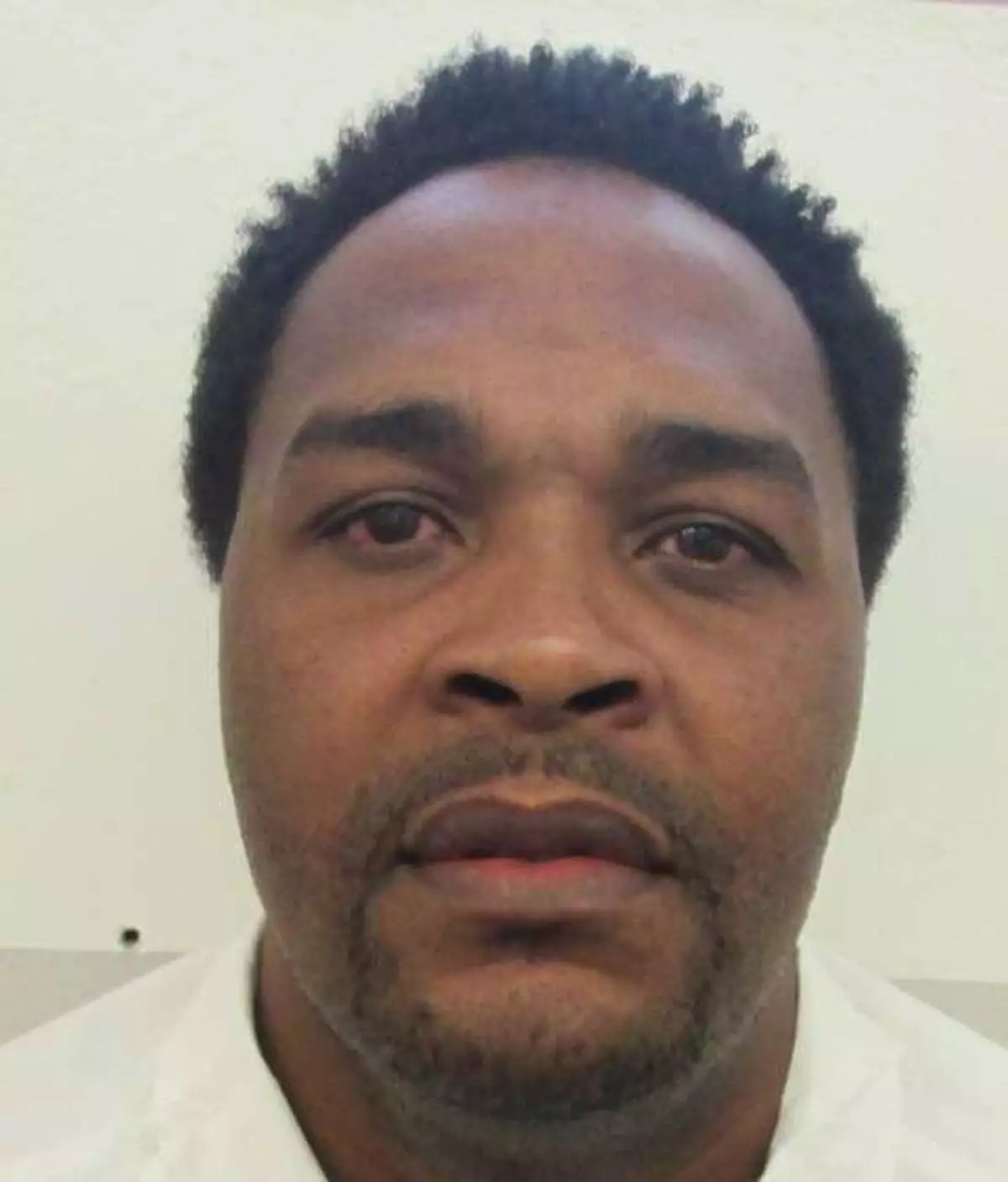
This undated photo from the Alabama Department of Corrections shows Jeffery Lee, who was sentenced to death for killing two people during a 1998 robbery at a pawn shop. (Alabama Department of Corrections via AP)
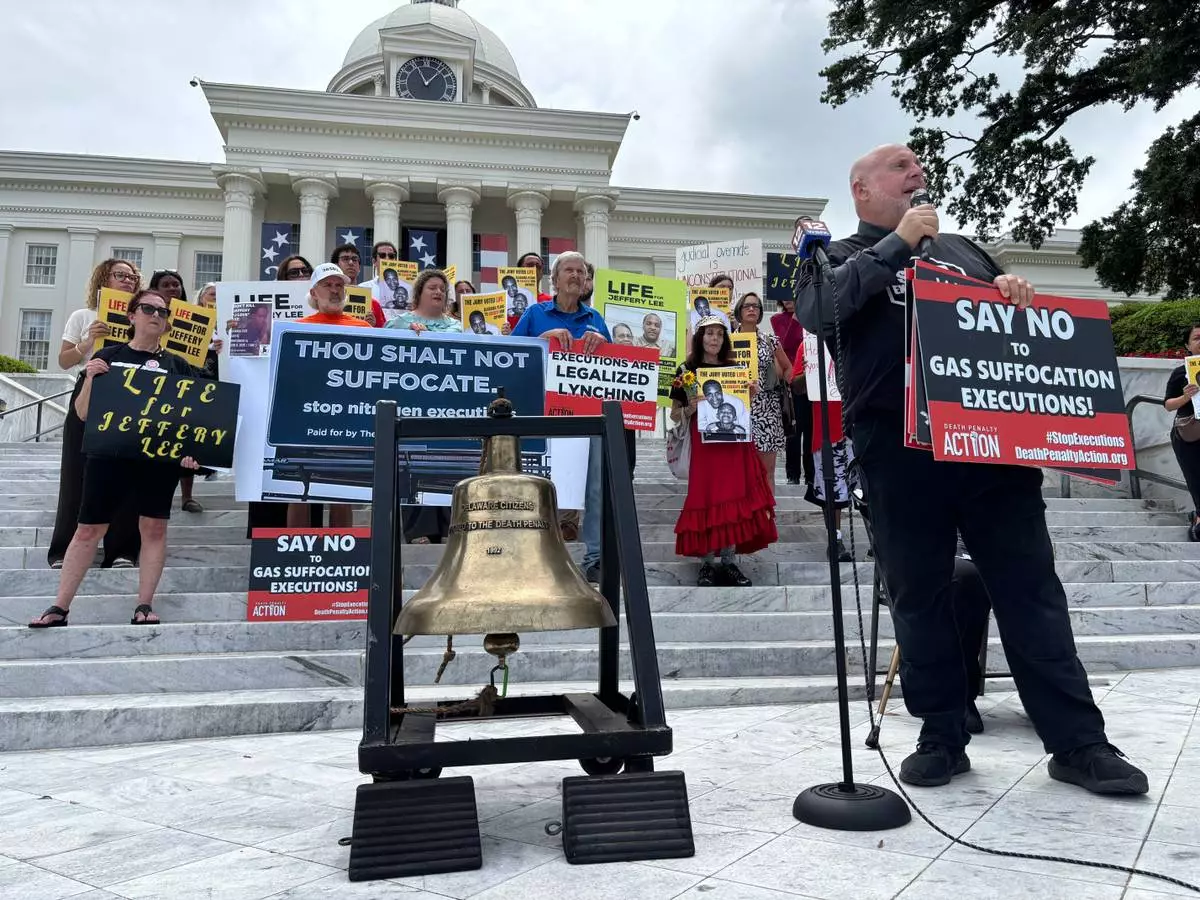
Abraham Bonowitz, of the group Death Penalty Action, leads a demonstration outside the Capitol in Montgomery, Ala., on Monday, June 8, 2026, to oppose an upcoming execution in Alabama. (AP Photo/Kim Chandler)
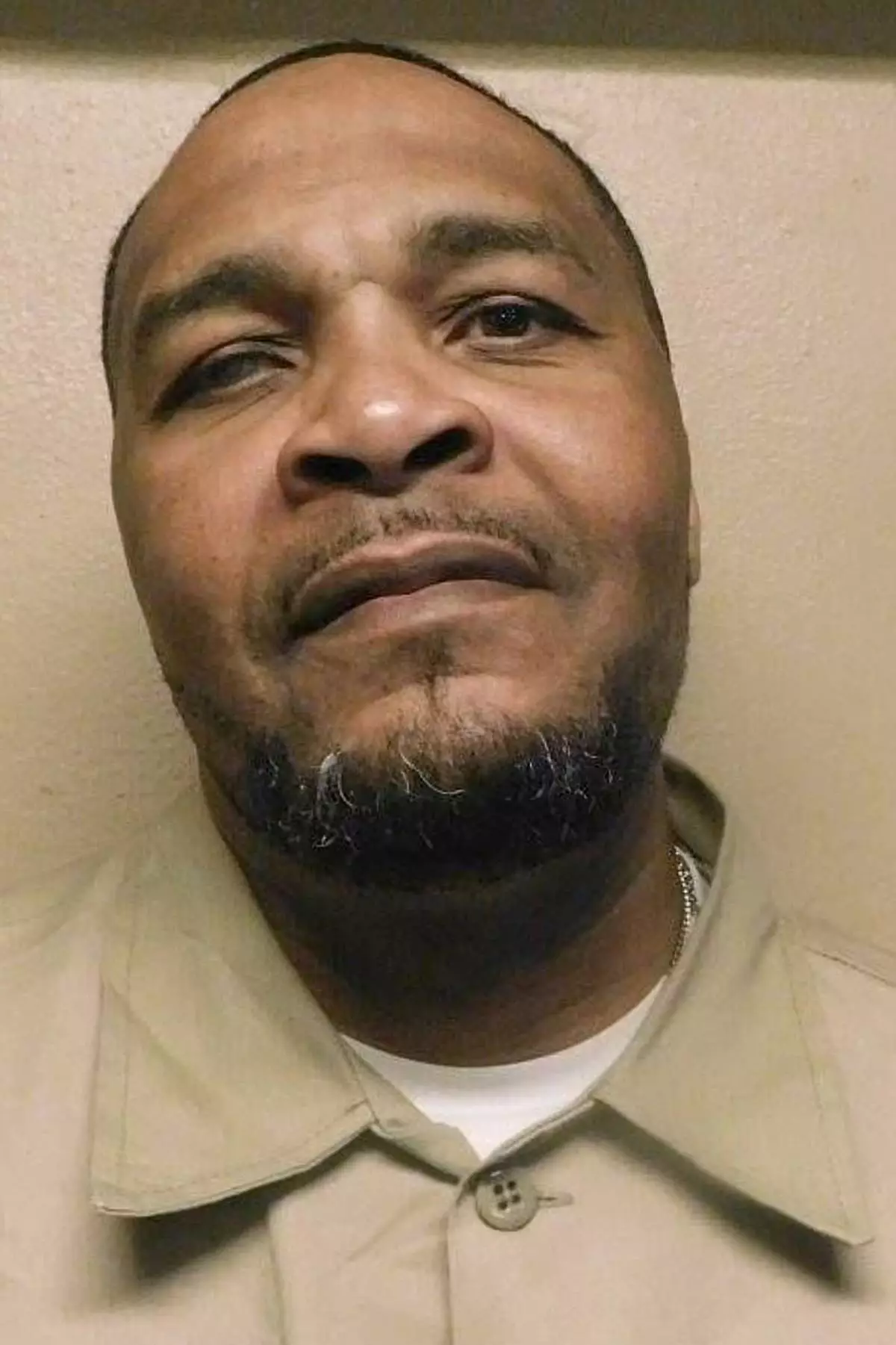
This undated photo provided by the Alabama Department of Corrections on Thursday, June 11, 2026, shows Jeffery Lee, who was sentenced to death for killing two people during a 1998 robbery at a pawn shop. (Alabama Department of Corrections via AP)
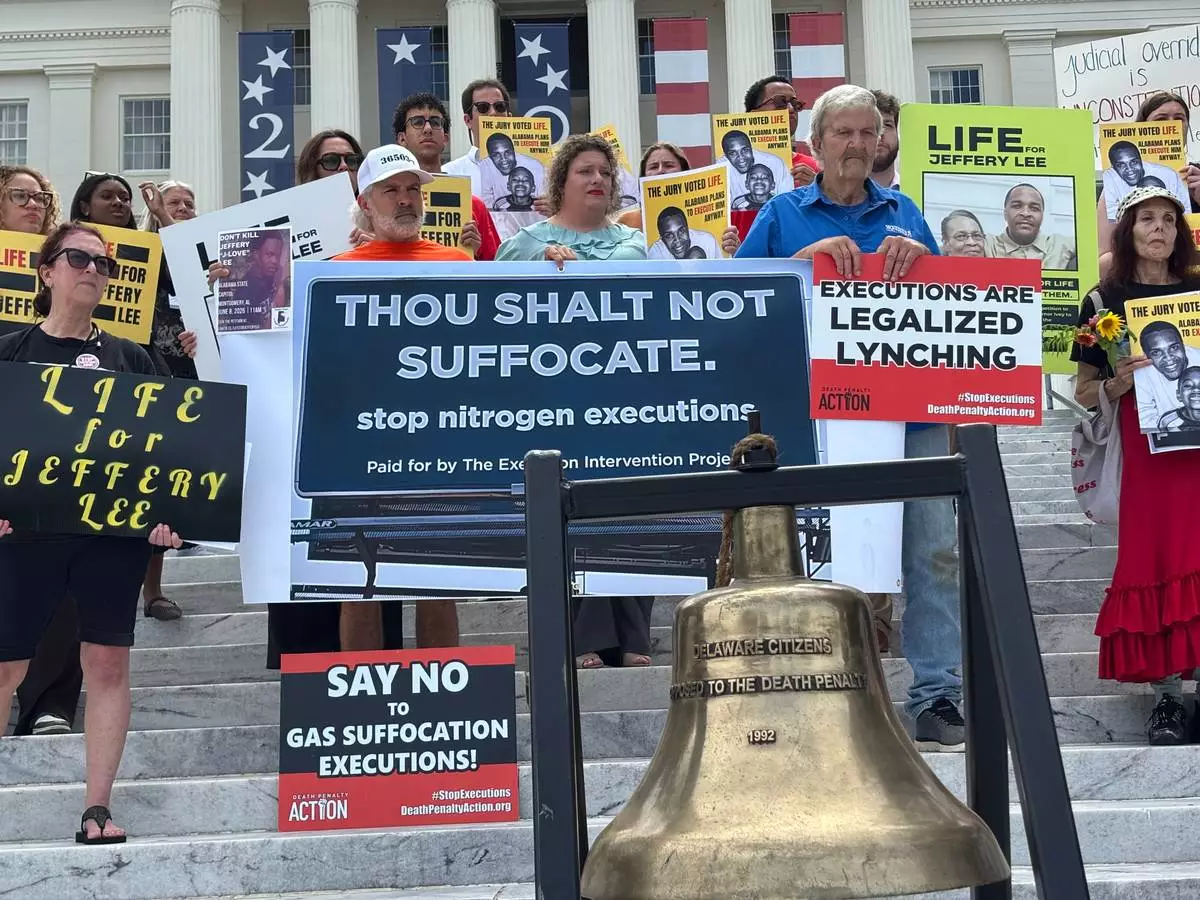
Protesters gather outside the Capitol in Montgomery, Ala., on Monday, June 8, 2026, to oppose an upcoming execution in Alabama. (AP Photo/Kim Chandler)