The United States and Iran have still remained divided over key issues despite prospects of a peace deal.
Iran's nuclear program is a central contentious point. The United States insists that Iran must never possess nuclear weapons, while Iran defends its nuclear program as civilian, and says it is willing to accept limits if sanctions are lifted.
Sanctions relief is another sticking point. Iran demands a full end to U.S.-imposed restrictions, while the United States favors gradual, conditional easing. Disagreements over how relief would be implemented remain unresolved.
The two sides also differ over the Strait of Hormuz. U.S. President Donald Trump has suggested cooperating with Iranian Supreme Leader Mojtaba Khamenei, but Iran maintains that the strait is not international waters.
Frozen Iranian assets add to their disputes. Tehran wants the funds fully released, a move that Washington opposes without nuclear concessions.
Furthermore, regional security is also on the table. Iran is also pushing for a ceasefire that includes Lebanon, as Israeli bombings continue in southern Lebanon despite a U.S.-brokered ceasefire.
Pakistani Prime Minister Shehbaz Sharif said on Friday that a final and mutually agreed text of a peace agreement has been reached between the United States and Iran amid intensive mediation efforts.
"Pakistan is now working closely with both sides to finalize the next steps. Peace has never been this close as it is now," the Pakistani prime minister said on his X account.
Meanwhile, Iran's state-run IRNA news agency reported that Pakistan's Deputy Prime Minister and Foreign Minister Ishaq Dar is traveling to Geneva, as part of the ongoing mediation efforts.
The visit is aimed at advancing diplomatic contacts and helping coordinate a potential understanding between the two sides as negotiations continue.
Switzerland has offered to host the possible signing of the peace deal, saying it is in close contact with both Tehran and Washington.
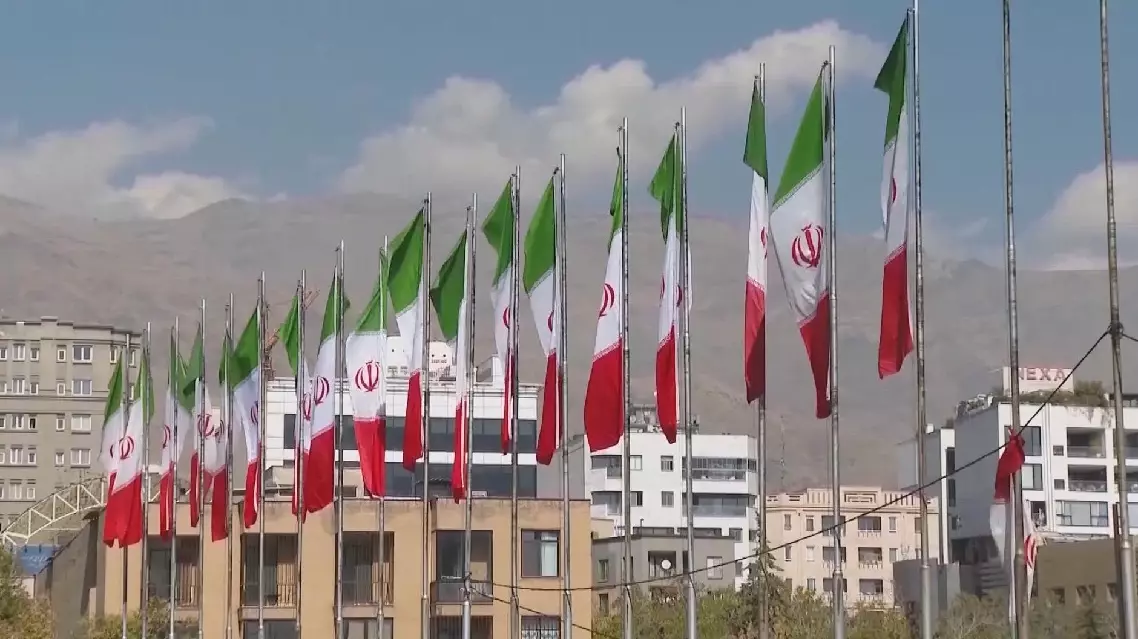
US, Iran divided on multiple key issues as peace deal looms
Sticky rice dumpling producers in east China's Zhejiang Province are experimenting with new flavors and scaling up output ahead of the Dragon Boat Festival, a major holiday in China closely associated with the traditional food, known as zongzi.
More than one billion of these dumplings are produced each year in Zhejiang's Jiaxing City, which ranks first in the country in terms of zongzi output, output value, and sales revenue. Much of that production happens in preparation for the Dragon Boat Festival, which falls on June 19 this year.
Factories in the city have been buzzing since the beginning of peak season for zongzi production, which arrives in March every year. Zhejiang Qinglian Food Company has been receiving orders from all over the country since March and is currently operating at full capacity, with a peak daily output of nearly 200,000 zongzi.
"Our overall production capacity has increased by about 40 to 50 percent compared with the same period last year, and sales have grown proportionally. Market feedback has been very positive, with products selling across the country, particularly in the Shanghai and Hangzhou areas," said Guo Shali, general manager of the company's fresh zongzi business unit.
Wufangzhai, another leading zongzi company in Jiaxing, has been dedicating significant effort to new product development in recent years. Beyond traditional offerings like meat and red bean paste zongzi, the company has introduced innovative options such as eel and small fish zongzi, marketing them with a "low-fat and health-conscious" appeal.
"Our philosophy is that 'anything can be a zongzi filling. While eel is highly popular in Japan, China holds unique advantages across the entire eel supply chain. By combining these elements, we were able to create an eel zongzi that remains relatively affordable for consumers," said Li Yanfei, deputy general manager of Wufangzhai's international business department.
Stores around China are beginning to stock zongzi as consumers get ready to celebrate the holiday. In addition to brick-and-mortar sales, zongzi companies are investing heavily in e-commerce to expand their market reach, driven by improvements in freshness-preserving technology.
The zongzi’s connection to the Dragon Boat Festival is a tradition that goes back thousands of years. The holiday commemorates the life and death of Qu Yuan (340 BC-278 BC), who committed suicide by wading into the Miluo River in protest against the wrongful policies of the feudal dynasty in his times.
The local people raced their boats to find the beloved Qu in the river and threw balls of sticky rice into the river to keep the fish from eating his body. Since then, people have been celebrating the festival by holding dragon boat races and eating the traditional dumplings.
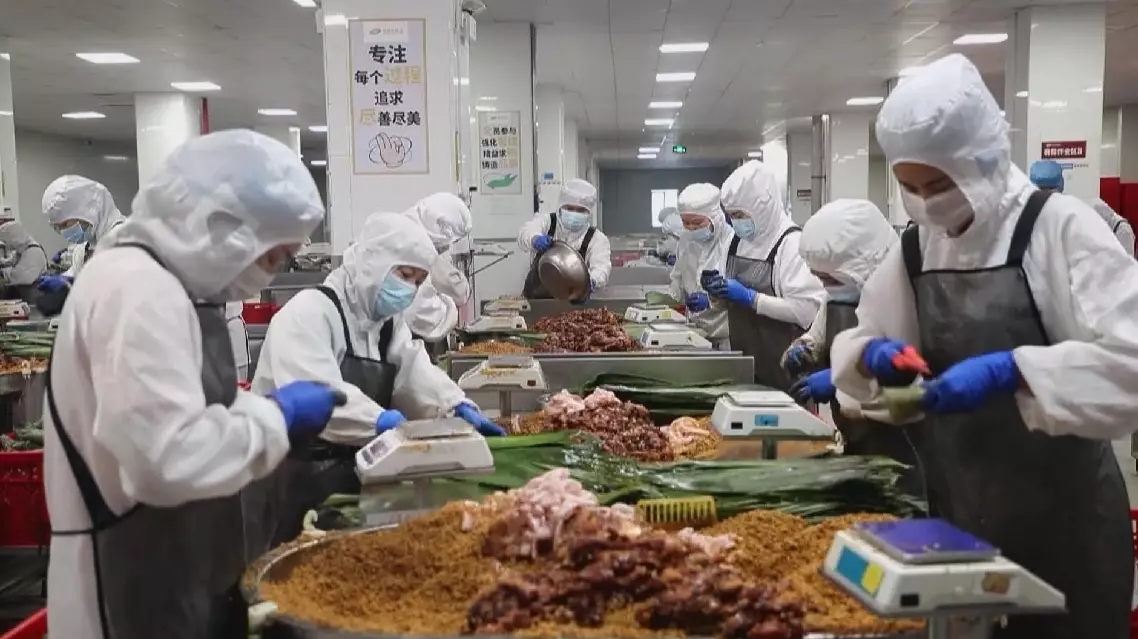
Chinese Zongzi companies pump up production ahead of Dragon Boat Festival