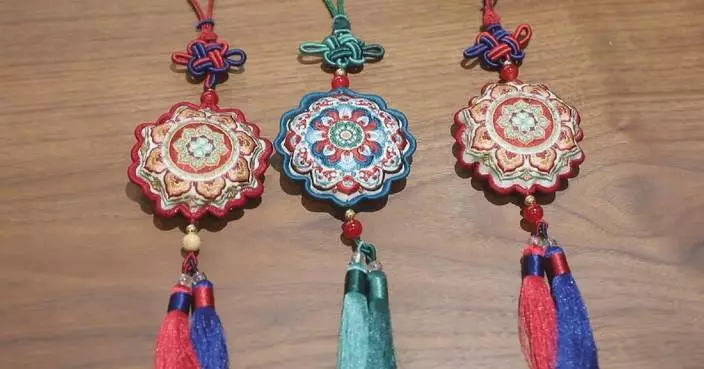
Wuhan City of central China's Hubei Province Saturday held the main event of China to mark the 2026 Cultural and Natural Heritage Day which fell on the day, centering national cultural relic protection efforts on public participation and public interests.
The country now has a total of 60 UNESCO World Heritage sites, placing it among the global leaders in heritage conservation.
In observation of the 2026 Cultural and Natural Heritage Day, a number of world cultural heritage sites in the province, including the Wudang Mountains, offered full or half-price ticket discounts. The Hubei Provincial Museum extended its opening hours and provided free access to intangible cultural heritage performances, allowing visitors to immerse themselves in cultural heritage and get close to nature on this special day.
During this year's celebration, the Cultural Relics Conservation Display Center at the Hubei Provincial Museum opened to the public for the first time. Conservation teams demonstrated restoration processes, offering visitors an up-close look at the technology and craftsmanship behind heritage preservation.
"For ancient ceramics, we will use digital reconstruction to restore them. For bronzes, such as the Chime-bells of Marquis Yi of Zeng, we will apply 3D printing technology to achieve a comprehensive restoration. By integrating traditional restoration techniques with modern technology, we can achieve much better conservation results," said Zhao Xiaolong, a restorer at the Hubei Provincial Museum.
The Chime-bells of Marquis Yi of Zeng is the name given to an ancient musical instrument made of bells (called bianzhong) unearthed in 1978 in the Tomb of Marquis Yi of Zeng in Hubei, China. The bianzhong were made in 433 B.C.
From the Ming Dynasty (1368-1644) architecture of the Wudang Mountains to the Xianling Tomb of the Ming Dynasty, from the Ruins of the ancient Tangya Ethnic Minority Chieftain Fortress deep in the mountains of western Hubei to the primeval forests of the Shennongjia Nature Reserve, Hubei is home to four world heritage sites. Visitors can experience the unique charm of the ancient heritage and stunning natural beauty in Hubei.
Since 2006, China has celebrated its Cultural Heritage Day on the second Saturday of June. In 2017, it was renamed Cultural and Natural Heritage Day.
The annual event has since grown into a major platform for promoting public awareness about heritage conservation across the country.
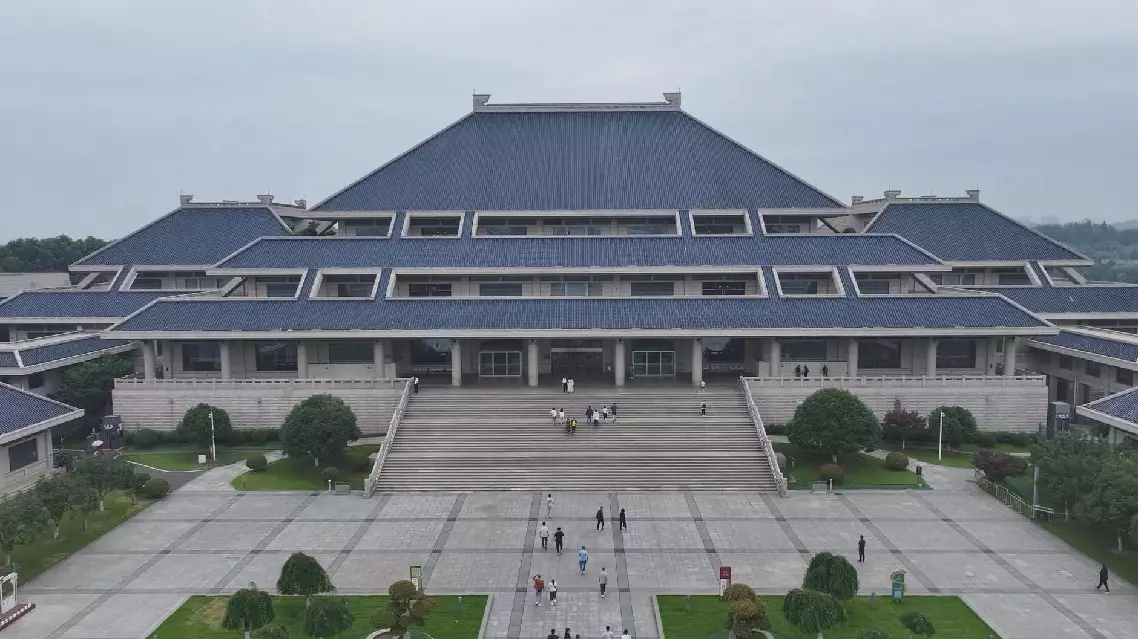
Central China's Wuhan hosts event to mark 2026 Cultural and Natural Heritage Day
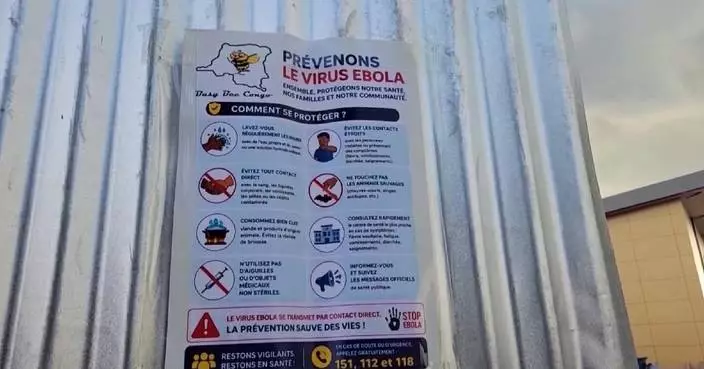
Ugandan scientists are accelerating vaccine research and development efforts to curb the Bundibugyo strain of the ongoing Ebola outbreak, which is spreading across the country and in neighboring Democratic Republic of the Congo (DRC).
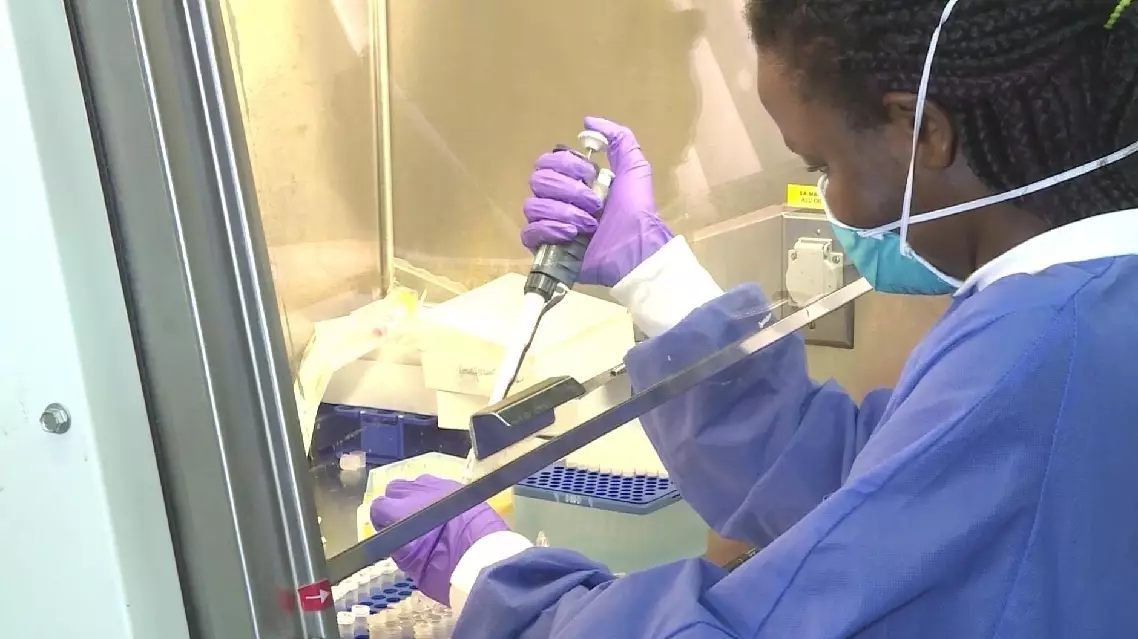
Scientists at the Uganda Virus Research Institute are collaborating with global health organizations and pharmaceutical companies in developing an effective vaccine.
According to the World Health Organization (WHO), the Bundibugyo virus, which currently lacks approved vaccines or specific therapeutics, is one of three ebolavirus species that cause large Ebola outbreaks, alongside the Zaire and Sudan viruses.
Pontiano Kaleebu, director of the Uganda Virus Research Institute, told CGTN (The China Global Television Network) that researchers at the institute are examining whether existing Ebola vaccine options can offer protection for the Bundibugyo virus, and they are also studying whether experimental drugs used to treat other Ebola strains can work against the new strain.
"The health workers got some of these vaccines for Zaire, and if you boost them with another vaccine - let's say the Sudan vaccine [which is] not yet licensed but available - do you broaden the immune response and [make] people protected?" Kaleebu said in a recent interview.
Although uncertainties remain, ongoing clinical trials are designed to provide clearer answers.
Researchers are also exploring options for conducting trials in both Uganda and the Democratic Republic of the Congo (DRC), including the use of antibodies from Ebola survivors.
According to Kaleebu, similar tests were conducted during the West African Ebola outbreak in 2014-2016, and the results were successful.
"We already have individuals who got infected with Zaire, those who got infected with Bundibugyo, those who got infected with Sudan. If you get their antibodies, can they kill the other one, can someone who has antibodies against Zaire, can those antibodies work against Budibugyo? Those lab studies are also being planned," he said.
The WHO says a promising vaccine trial by the International AIDS Vaccine Initiative could be available in as little as seven months.
Following a visit to an Ebola isolation unit at a hospital in Uganda's capital Kampala on Monday, WHO Director-General Tedros Adhanom Ghebreyesus highlighted the need to accelerate research and development efforts, including work currently underway on monoclonal antibodies and antiviral treatments for Ebola. He noted that investment in vaccines, therapeutics, and diagnostics remains critical for future outbreak preparedness.
He also reaffirmed WHO's commitment to supporting Uganda's response and emphasized that governments must remain at the center of emergency response efforts.
"There are other support we give - I already told you the emergency medical team, I mean the emergency medical training we started many years ago and many Ugandans were certified, I think I had 148 [of them] - that helps in preparedness and that helps in response," the WHO chief said.
According to the WHO and health authorities in both Uganda and the DRC, most of the 19 confirmed Ebola cases in Uganda are imported from the DRC, where the latest outbreak was declared by its health ministry in mid-May, with the confirmed infections rising to 689 and the death toll reaching 139 as of Friday.
Uganda fast-tracks vaccine development for Bundibugyo Ebola strain