A China-Mongolia cooperation project, the central wastewater treatment plant in Mongolia's capital Ulaanbaatar, was put into operation on Monday.
The facility, built by Chinese companies using Chinese standards and technology, is the largest and most advanced wastewater treatment plant in Mongolia.
As a project for people's livelihood and a symbol of friendship, it carries the expectations of the leaders and the peoples of both countries, becoming another important landmark of China-Mongolia mutual assistance and a concrete reflection of the good-neighborly and friendly relations between the two nations.
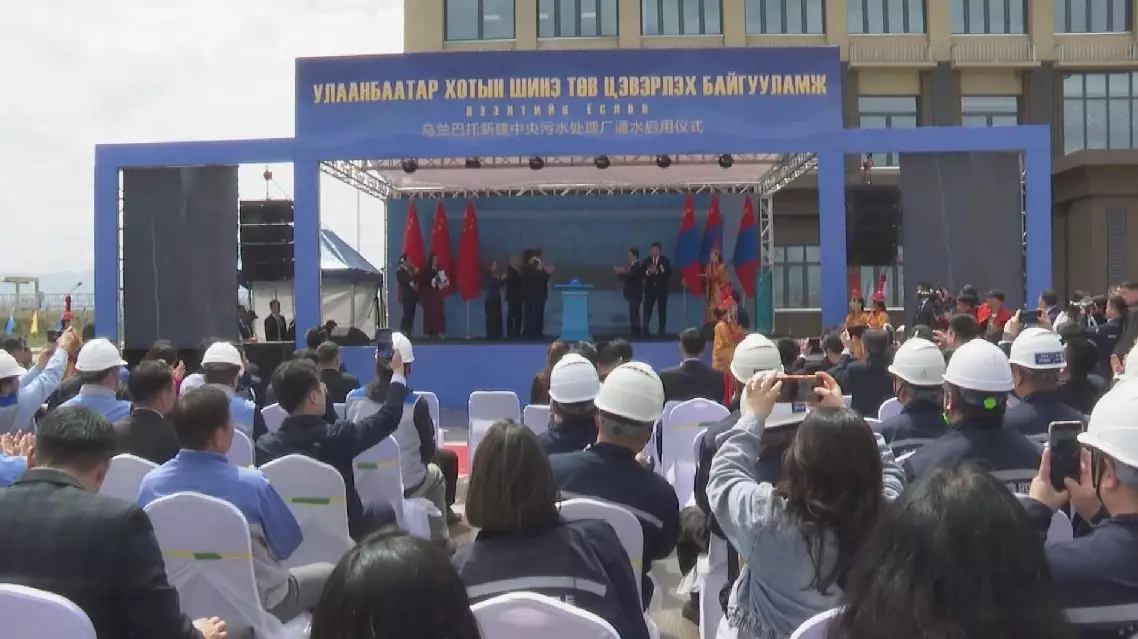
China-built Ulaanbaatar wastewater plant put into operation
Chinese stock markets dropped on Monday, as AI and tech stocks continued to see-saw, according to China Global Television Network (CGTN) market analyst Timothy Pope.
The benchmark Shanghai Composite Index closed down 0.59 percent at 3,882.01 points, with the Shenzhen Component Index, which has more exposure to the tech sector, closing 2.13 percent lower at 13,794.29 points.
Trading volumes on the two indices rose with around 2.01 trillion yuan (about 296.28 billion U.S. dollars) traded on Monday, up from 1.88 trillion yuan (about 280 billion U.S. dollars) last Friday.
Traditional sectors such as precious metals, coal mining, and insurance led the gains, while bio-tech stocks were among the top decliners.
The ChiNext Index, tracking China's Nasdaq-style board of growth enterprises, lost 3.21 percent to close at 3,431.89 points on Monday.
The STAR Composite Index, which tracks the performance of stocks on China's sci-tech innovation board, closed 3.10 percent lower on Monday at 1,896.16 points.
"The A-share markets seem locked in this cycle of rally and rout for those growth stocks, particularly in the AI and adjacent sectors. Today was very much on the rout side so, while the Shanghai Composite Index was down 0.6 percent, we saw the Shenzhen Component down more than 2 percent, the ChiNext board was down 3.2 percent and the STAR 50 down 3.1 percent. Those last three are more exposed to the tech rally than the Shanghai Composite. The big losers as I said were AI hardware companies - Shenzhen Gongjin Electronics was down 10 percent, Zhongji Innolight fell more than 7 percent. But they weren't alone because the other big winning sector of the last few weeks - biotech - was in retreat today as well. Investors were rotating into gold and coal stocks as well, and agricultural stocks extended the food security trade rally that we saw at the end of last week. There were a number of stocks across those sectors, all of those were hitting the upper limits of trade today," said Pope.
Pope said the rest of the week will be dominated by earnings reports from some of China’s biggest companies.
"The rest of the week is going to be mostly about earnings. The end-of-August filing deadline is fast approaching. Friday will be a really big day on the earnings calendar. We've got BYD, PetroChina, Shenhua Energy and a lot of big banks as well. Earnings that we are going to see for ICBC, China Merchants Bank and others will give us an insight into how much pressure the big banks are under with their margins. BYD is also going to be an interesting one in light of the government's anti-involution campaign and its efforts to avert a bit of a race to the bottom in the EV sector. And before we get there, there are Nvidia results in the US on Wednesday which will doubtless impact every stock in the AI space," he said.
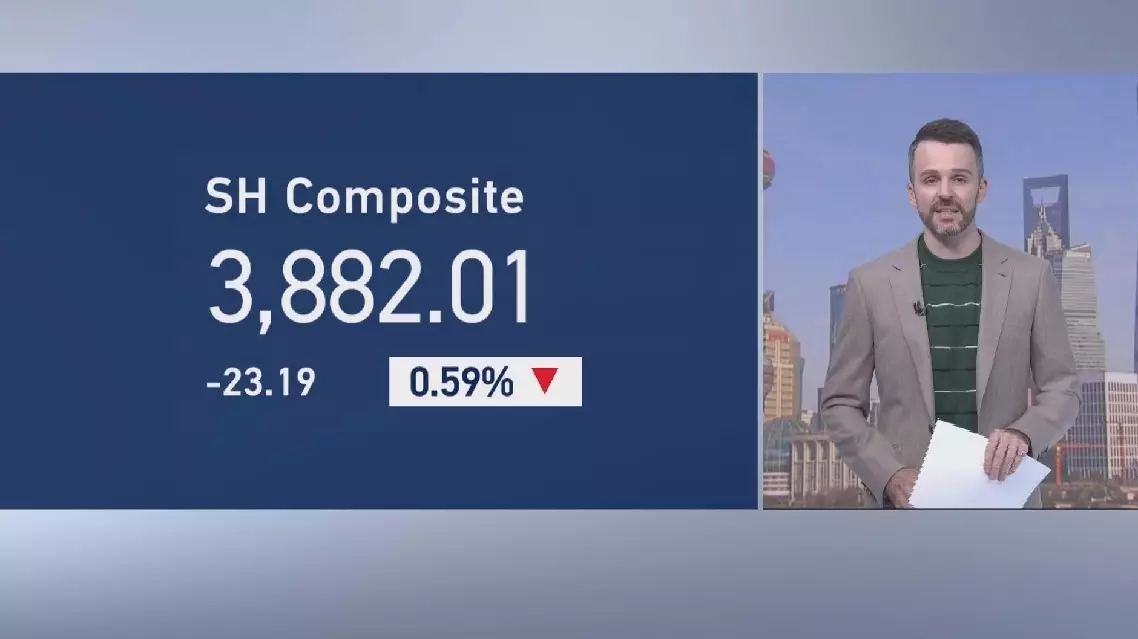
Chinese stock markets start week lower on AI volatility: analyst