Skip to Content Facebook Feature Image

Chinese premier calls for strengthening implementation of functional zoning strategy

China

China

China

Chinese premier calls for strengthening implementation of functional zoning strategy

2026-06-15 23:47 Last Updated At:06-16 14:42

Chinese Premier Li Qiang on Monday called for efforts to coordinate and optimize the spatial layouts of agricultural, ecological and urban spaces, and further improve the country's functional zoning system.

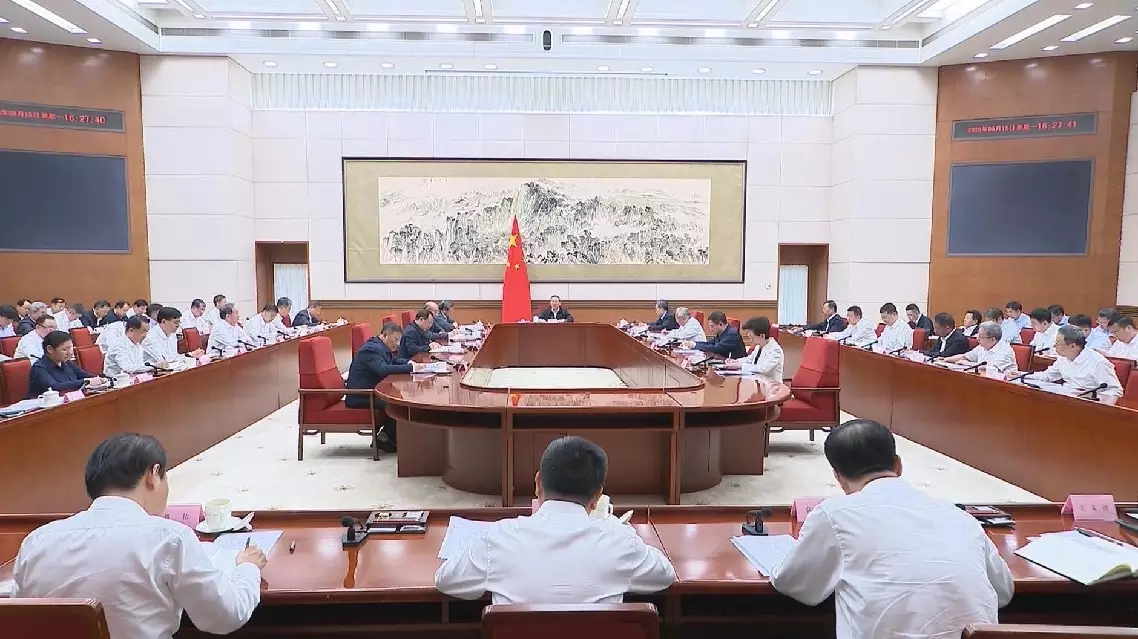
Li made the remarks while presiding over a State Council group study session on strengthening the implementation of the functional zoning strategy and promoting coordinated regional development.

These efforts should promote the formation of a new pattern for the development and protection of territorial space featuring clearly defined functions, complementary strengths and high-quality development, providing strong support for promoting coordinated regional development and optimizing the layout of major productive forces, said Li.

Li said efforts should be made to optimize functional zoning and make spatial governance more targeted and refined, while improving the policy and institutional system suited to functional zoning to guide different regions in pursuing differentiated and coordinated development.

Stressing that the coordinated regional development strategy, major regional strategies and the new urbanization strategy are all major strategies based on territorial space, Li called for efforts to promote the coordinated implementation and integration of the functional zoning strategy with other major national strategies.

Li also stressed the need to improve implementation mechanism for the functional zoning strategy, strengthen coordination among departments and localities, improve supporting systems, enhance policy integration, and form greater synergy in this work.

At the session, Fan Jie, an academician of the Chinese Academy of Sciences, gave a lecture. Vice Premiers He Lifeng and Liu Guozhong and State Councilor Shen Yiqin also delivered speeches.
Chinese premier calls for strengthening implementation of functional zoning strategy
Chinese premier calls for strengthening implementation of functional zoning strategy

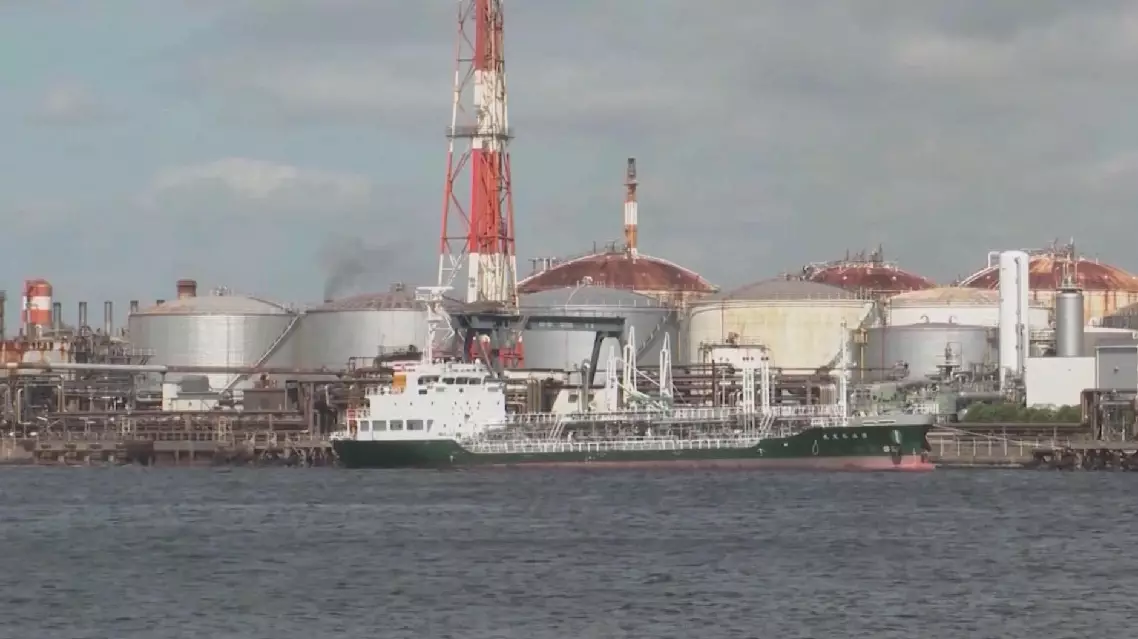
The International Energy Agency (IEA) said on Wednesday that oil reserves in members of the Organisation for Economic Co-operation and Development (OECD) had fallen by a cumulative 163 million barrels since the outbreak of the Middle East conflict, reaching their lowest level since December 1990.

According to the IEA's latest Monthly Oil Report, global observed oil stocks have fallen by an average of 3.8 million barrels per day (mb/d) since the start of the Middle East conflict, including a draw of 143 million barrels in May, mainly due to accelerated releases of emergency stocks.

The report said the memorandum of understanding due to be signed by the United States and Iran this week was an important step toward easing regional tensions and could pave the way for reopening the Strait of Hormuz and lifting the U.S. blockade on Iranian oil traffic.

The IEA forecast global oil supply to fall by an average of 3.9 mb/d in 2026 to 102.4 mb/d, before rising by 8 mb/d in 2027 to 110.3 mb/d. However, unresolved issues, including mine clearance in the Strait of Hormuz and transit arrangements, mean operational and political risks could still weigh on the pace of supply recovery.

The agency said a significant supply overhang could emerge next year. Global oil demand is projected to rise by a relatively modest 2 mb/d to 105.3 mb/d, while supply is expected to increase by about 8 mb/d to 110.3 mb/d.

The surplus could ease market pressures and allow countries to replenish depleted inventories or build strategic reserves as they reassess energy policies in response to the crisis, the IEA said.

IEA says OECD oil stocks fall to lowest since 1990

IEA says OECD oil stocks fall to lowest since 1990

Recommended Articles