DUBAI, United Arab Emirates--(BUSINESS WIRE)--Jun 17, 2026--
Almost every digital health system assumes the internet will be there. Zoya Technologies today launched the ZoyeMed 3.0 Resilience Edition, a clinical AI terminal engineered to deliver a complete medical episode without an internet connection at any stage.
This press release features multimedia. View the full release here: https://www.businesswire.com/news/home/20260617381037/en/
Continuity of care is the first casualty of infrastructure disruption. Disasters, grid instability, and remote deployments routinely sever the connectivity that cloud-dependent systems require - when clinical capacity is most needed.
The Resilience Edition is a fully standalone configuration of ZoyeMed 3.0. The complete Longitudinal Multimodal Model and Zoyel.health clinical suite are resident on the device, executing locally on the company’s proprietary Amygdala edge AI engine. A terminal can operate indefinitely without a network connection.
“Clinical intelligence should remain available to the patient and the clinician regardless of the state of the network around them,” said Dr. Syed Sabahat Azim, Chief Executive Officer of Zoya Technologies. “We have removed the cloud from the critical path of care - not as a feature, but as the architecture.”
In a 5-square-metre footprint, the Resilience Edition delivers a complete medical episode in under 30 minutes. It integrates 12-lead ECG, digital stethoscopy, spirometry, dermatoscope, otoscope, fetal Doppler, a 12-camera telepresence array, and biochemistry, haematology, and immunoassay analysers supporting 120+ point-of-care tests. It operates in three modes: doctor-run, nurse-managed with remote clinician sign-off, and autonomous screening.
The Resilience Edition builds on existing ZoyeMed deployments across multiple regions, in commercial service since 2025. It is a human-in-the-loop system; final clinical decisions remain under the authority of a licensed clinician.
Zoya Technologies has also deployed an immutable audit trail across the platform - hash-chained, append-only records of every clinical action, particularly relevant in disconnected environments.
The Resilience Edition is available through Zoya Technologies’ authorised distribution partners. Product imagery and the clinical white paper are available on request.
About Zoya Technologies LLC
Zoya Technologies LLC is a deep-technology infrastructure company focused on building edge-native systems for real-world service delivery at scale. The company develops physically grounded, autonomous systems that integrate sensing, safety, and longitudinal intelligence, with healthcare as its first deployed domain.
Source:AETOSWire
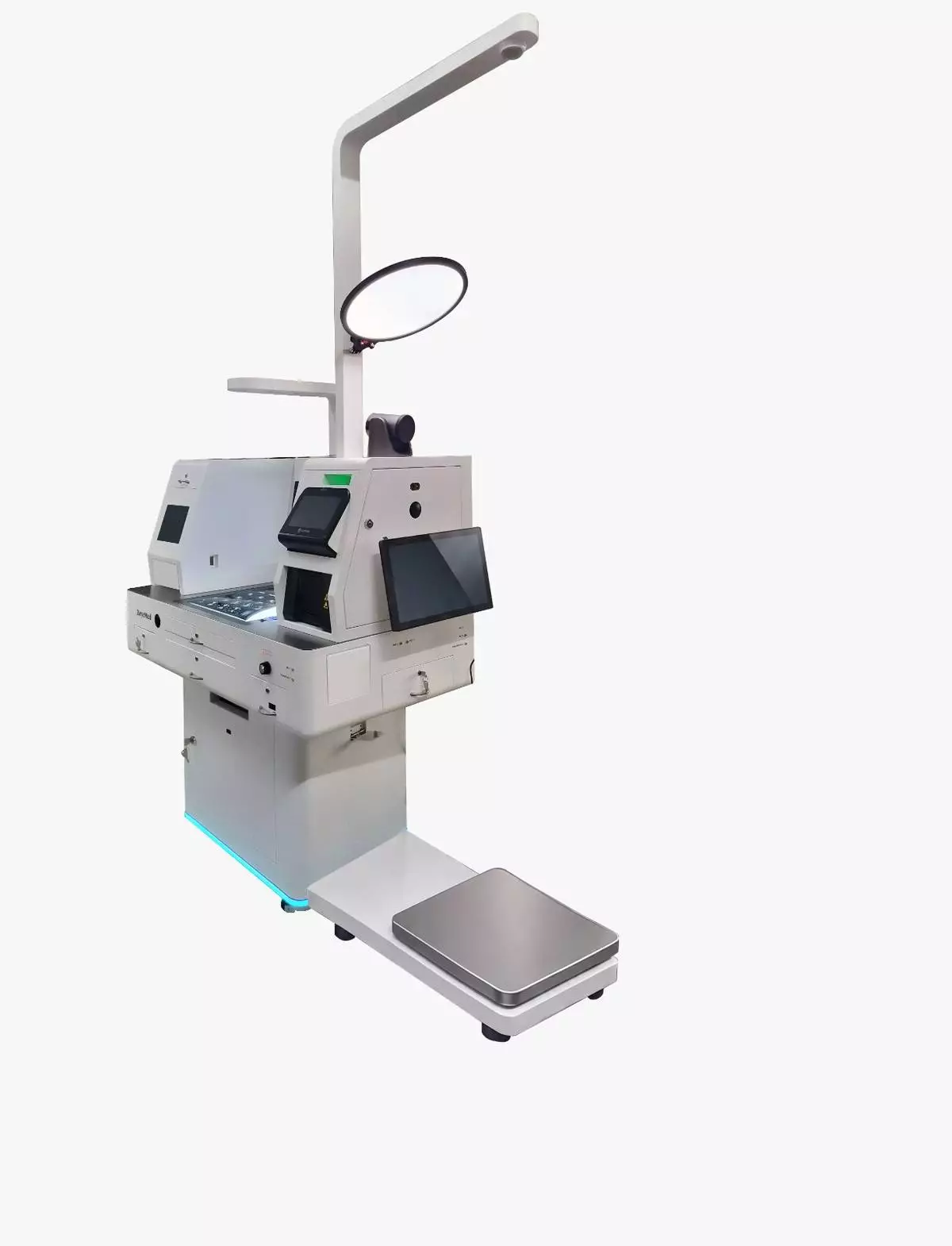
The ZoyeMed 3.0 Resilience Edition - a fully standalone clinical AI terminal engineered to operate without internet connectivity, integrating point-of-care diagnostics, examination tools, and on-device AI in a single 5-square-metre footprint (Photo: AETOSWire)
This is the sun's time to shine: Sunday is the longest day of the year in the Northern Hemisphere.
Sunday is the solstice, marking the start of astronomical summer north of the equator. It’s the opposite in the Southern Hemisphere, where it is the shortest day of the year and winter will start.
The word “solstice” comes from the Latin words “sol,” for sun, and “stitium,” which can mean “pause” or “stop.” The summer solstice is the end of the sun’s annual march higher in the sky, when it makes its longest, highest arc. The bad news for sun lovers: It then starts retreating and days will get a little shorter every day until late December.
People have marked solstices for eons with festivals and monuments, including Sweden's midsummer eve celebrations and Stonehenge, which was designed to align with the sun’s paths at the solstices.
Here’s what to know about the Earth’s orbit.
As the Earth travels around the sun, it does so at an angle, making the sun’s warmth and light fall unequally on the northern and southern halves of the planet for most of the year.
The solstices mark the times when the Earth is tipped most extremely either toward or away from the sun. This means the hemispheres are getting very different amounts of sunlight, and days and nights are at their most unequal.
At the Northern Hemisphere’s summer solstice, the Earth’s upper half is leaning toward the sun, creating the longest day and shortest night of the year. The summer solstice falls between June 20 and 22. This year it’s June 21.
The opposite happens at the Northern Hemisphere winter solstice: the Earth’s upper half leans the furthest away from the sun, leading to the shortest day and longest night of the year. The winter solstice falls between Dec. 20 and 23.
During the equinox, the Earth’s tilt is neither toward the sun nor away from the sun, so both the northern and southern hemispheres get an equal amount of sunlight. The sun rises almost exactly due east and it sets almost exactly due west.
The word equinox comes from two Latin words meaning equal and night. That’s because on the equinox, day and night last almost the same amount of time — though one may get a few extra minutes, depending on where you are on the planet.
The Northern Hemisphere’s fall — or autumnal — equinox can land between Sept. 21 and 24, depending on the year. Its spring — or vernal — equinox can land between March 19 and 21. The exact time of the equinox is the moment the sun is directly overhead at the equator.
These are just two different ways to carve up the year.
While astronomical seasons depend on how the Earth moves around the sun, meteorological seasons are defined by the weather. Meteorologists break down the year into three-month seasons based on annual temperature cycles. By that calendar, spring starts on March 1, summer on June 1, fall on Sept. 1 and winter on Dec. 1.
The Associated Press Health and Science Department receives support from the Howard Hughes Medical Institute’s Department of Science Education and the Robert Wood Johnson Foundation. The AP is solely responsible for all content.
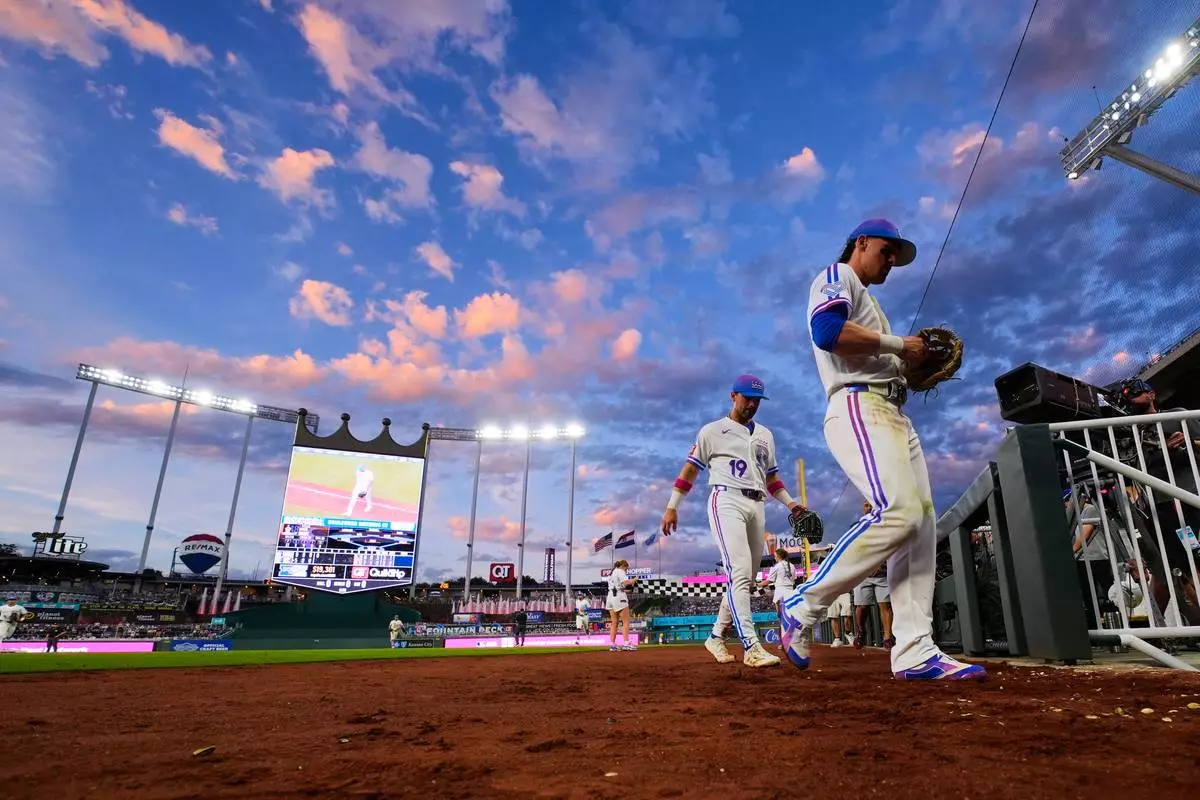
FILE - Kansas City Royals second baseman Michael Massey (19) and shortstop Bobby Witt Jr., right, return to the dugout during the fourth inning of a baseball game against the Houston Astros, Friday, June 12, 2026, in Kansas City, Mo. (AP Photo/Charlie Riedel, File)

FILE - Soccer fans sit on a bench overlooking Lumen Field stadium at sunset during the 2026 World Cup in Seattle, Saturday, June 13, 2026. (AP Photo/Manu Fernandez, File)
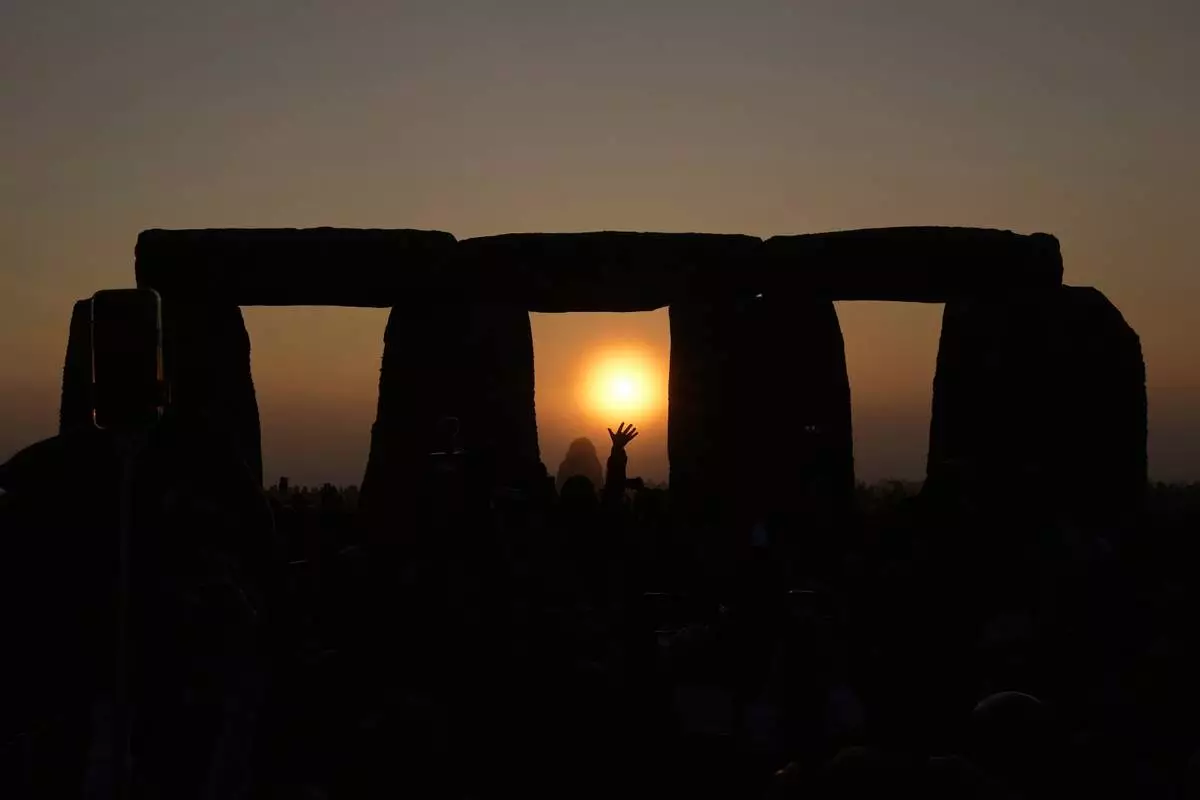
FILE - Revelers gather at the ancient stone circle Stonehenge to celebrate the Summer Solstice, the longest day of the year, near Salisbury, England, Wednesday, June 21, 2023. (AP Photo/Kin Cheung, File)