Many global shipowners will hold off on resuming transit for weeks to wait for a “material” U.S.-Iran deal, said a CEO of a Japanese shipbuilding firm.
U.S. President Donald Trump said Sunday that the Strait of Hormuz will reopen upon the signing of the deal on Friday.
Jotaro Tamura, chief executive of Mitsui OSK Lines, said that the opening of navigation through the Strait of Hormuz will not happen overnight and most affected shipowners will adopt a cautious and wait-and-see attitude. Tamura said only after seeing that the US-Iran agreement "is material and translated into the real situations" will they have the confidence to have their ships pass through the strait. He believes that a reasonable estimate is that even if it is not a month, it will take at least several weeks for cargo ships to resume navigation.
The U.S. has lifted its naval blockade following the announcement of a peace memorandum of understanding (MoU) between Iran and the U.S., the semi-official Tasnim news agency reported. The report identified the vessels as three oil tankers and two ships carrying essential goods.
Iran's Deputy Foreign Minister Majid Takht-Ravanchi said on Tuesday that the blockade has been lifted prior to the formal signing. International Energy Agency (IEA) Executive Director Fatih Birol also noted on Tuesday that "unconditionally" opening the Strait of Hormuz is essential to ending the current energy crisis.
Market analysts have described the action as a "technical reopening", while the market hopes for a "commercial reopening", which would entail security guarantees and a reduction in insurance costs.
Experts believe that even in the best-case scenario where the traditional shipping routes are restored, it will take several weeks or even months to fully recover from the impact of the Hormuz Strait crisis on the shipping industry.
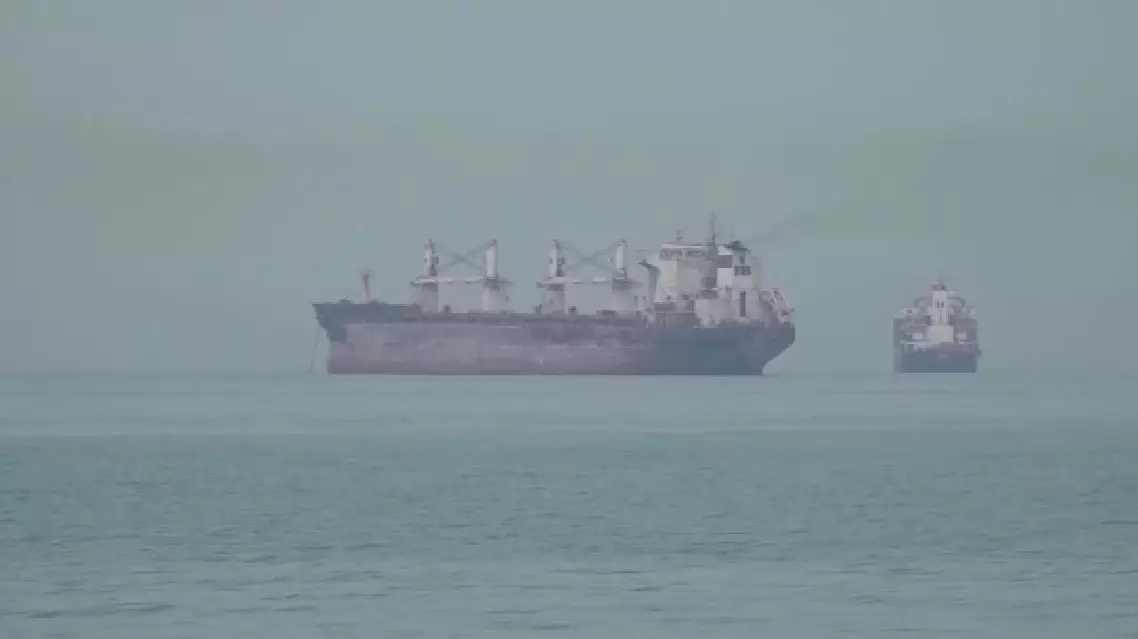
Hormuz Strait transport will take ‘weeks’ to resume: Japanese shipbuilding CEO
Hormuz Strait transport will take ‘weeks’ to resume: Japanese shipbuilding CEO