BOGOTÁ, Colombia (AP) — The memories of Colombia’s six decades of armed conflict are still like open wounds etched on its victims’ bodies and minds.
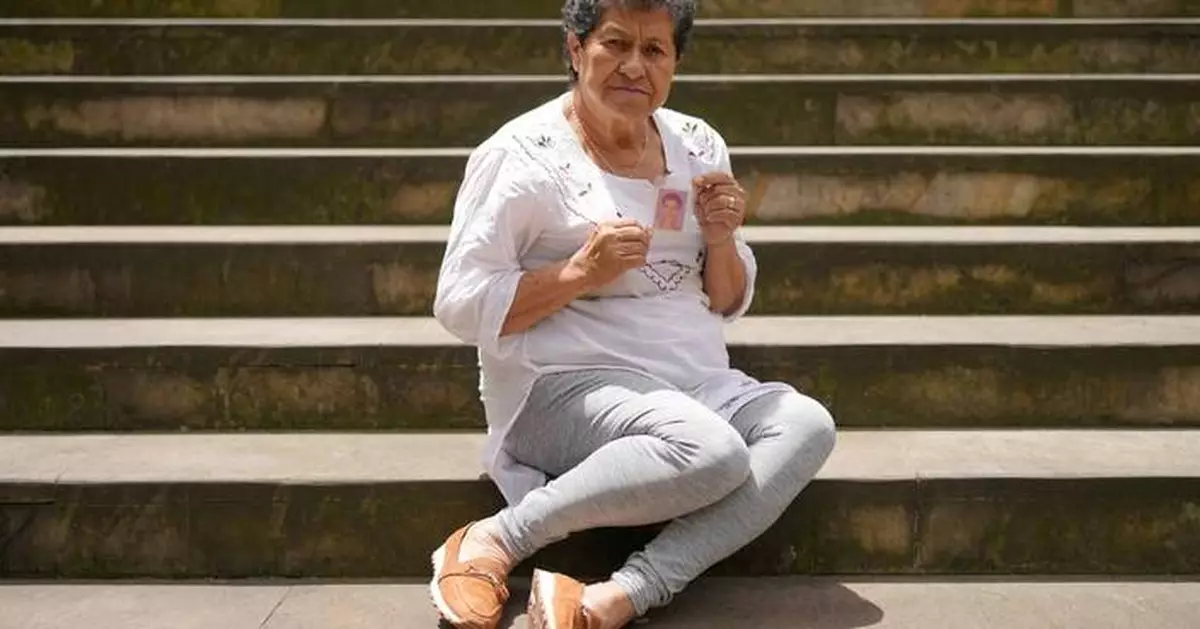
For Blanca Nubia Monroy, it’s a black-and-white scale of justice tattooed on her forearm, identical to the one used to identify her 19-year-old son's body after he was kidnapped and killed by Colombian soldiers in 2008.
Click to Gallery
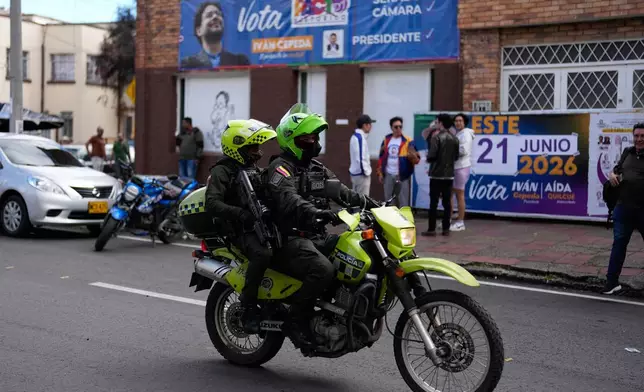
Police patrol past the headquarters of presidential candidate Ivan Cepeda, of the ruling Historic Pact coalition, in Bogota, Colombia, Tuesday, June 16, 2026. (AP Photo/Fernando Vergara)
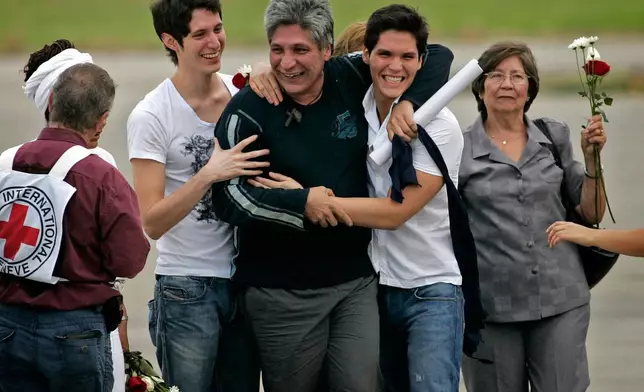
FILE - Freed hostage Sigifredo Lopez reunites with his family after his release from the Revolutionary Armed Forces of Colombia, or FARC, in Cali, Colombia, Feb. 5, 2009. Lopez was kidnapped in 2002 along with 11 fellow lawmakers and was the sole survivor after the others were killed in captivity. (AP Photo/Christian Escobar Mora, File)
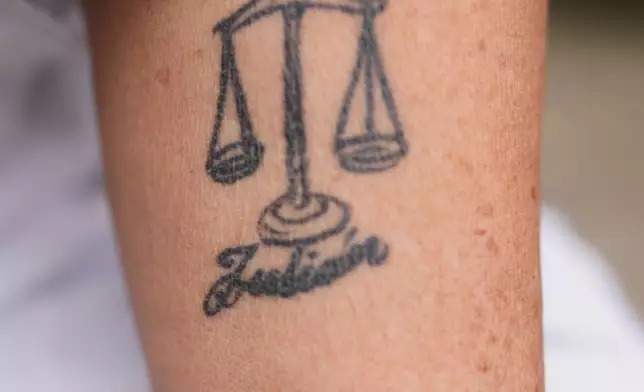
Blanca Nubia Monroy shows a tattoo with the name of her son, Julian Oviedo, who disappeared in 2008 and whose body was found months later in a clandestine grave, in Bogota, Colombia, Monday, June 1, 2026. (AP Photo/Matias Delacroix)
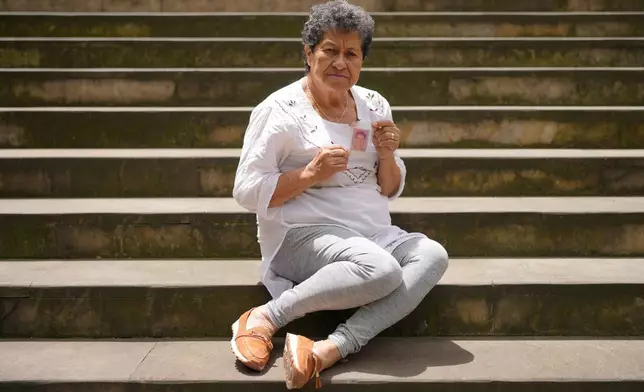
Blanca Nubia Monroy poses with a photograph of her son, Julian Oviedo, who disappeared in 2008 and whose body was found months later in a clandestine grave, in Bogota, Colombia, , June 1, 2026. (AP Photo/Matias Delacroix)
For Sigifredo López, it's flashbacks from the seven years he was held captive by guerrillas in the South American country's dense jungles and the trauma of surviving after his companions were massacred in 2007.
Both have radically different views of who should win Colombia’s presidency on Sunday, with Monroy throwing her support behind peace activist Iván Cepeda and López backing Trump-endorsed Abelardo de la Espriella, who has promised a scourge on crime.
But their fear is the same: Returning to a more violent past.
“It all takes a toll, both physically and emotionally,” said López. “Emotionally, there’s the fear that still simmers deep down, something you don’t openly express, the fear that everything we’ve already lived through could happen again.”
In Colombia’s most polarized presidential election in years, voters will choose between de la Espriella and Cepeda – two candidates with sharply different visions for how to find peace in a country long marked by war.
The armed struggle between Marxist guerrillas, Colombian military forces and right-wing paramilitaries has resulted in more than 10 million people — one in five Colombians — becoming victims of conflict, according to a government registry documenting killings, kidnappings, forced displacement and more.
The trauma of war and the fight for peace are embedded in Colombian politics. Despite a 2016 peace pact with Revolutionary Armed Forces of Colombia (FARC) guerrillas, conflict rages in many parts of the Andean nation, becoming a defining theme in Sunday's vote.
Polarization within Colombian society over how to handle violence has “been brewing for decades,” said Elizabeth Dickinson, Bogotá-based deputy Latin America director of International Crisis Group.
“Increasingly on both sides, there's an us and a them. That's very dangerous in a country like Colombia with a long history of political violence. ... The spark could light at any moment."
On one side is Cepeda, who has pledged to continue Colombian President Gustavo Petro’s “total peace” agenda of negotiating peace pacts with a range of criminal groups, from drug mafias to insurgent fighters. That strategy sought to rewire how Colombia deals with conflict, but has largely failed, stoking a rebuke as armed groups have taken advantage of ceasefires to grow in strength.
On the other is de la Espriella, a lawyer who has promised an all-out offensive on crime, echoing El Salvador President Nayib Bukele’s war on gangs. While Bukele’s crackdown has drawn attention across the region for sharply cutting homicide rates, it also fueled allegations of human rights abuses.
The 67-year-old Monroy is reminded of the civilian toll from past military offensives every time she thinks of her son, Julián Oviedo Monroy, or looks at the tattoo on her arm.
Her son, who had dreamed of joining Colombia’s military to lift his family out of poverty, disappeared in 2008 along with other poor young men on the fringes of Bogotá. Months later, his body was unearthed in a clandestine grave in the conflict-torn northeast. His body was identified by his tattoo.
“It’s like still having him here,” she said, looking down at the tattoo she got as an homage to her son and his photo that she keeps in her wallet.
Monroy's son became one of 6,402 victims in one of the worst atrocities of Colombia’s conflict. Colombian military officers carried out extrajudicial executions against civilians in a scandal known as “false positives” carried out largely between 2002–2008 under ex-President Álvaro Uribe. Officials then falsely said the murdered civilians were enemy combatants killed in the war with FARC rebels.
Around a dozen high-ranking security officers later acknowledged they killed Monroy's son and asked for forgiveness in a peace tribunal established after the 2016 peace pact to unearth the ugly truths of the war — a court that de la Espriella has promised to dismantle.
Monroy criticized the mounting violence under incumbent president Petro, saying Cepeda would have to come down with a heavier hand on criminal groups.
But what outweighed her criticism was fear of the military campaign promised by de la Espriella, who has vowed to wipe out “anyone who I’ve declared a military target like cockroaches, like rats.”
“God willing, this man doesn’t come to power, because ‘false positives’ will become a reality again,” she said of de la Espriella.
For López, 62, the fear is returning to the “hell” he lived in for seven years from 2002-2009 when he was kidnapped by FARC guerrillas and held captive in the jungles they controlled.
López was working as a local assemblyman in western Colombia at a time when the rebels had declared politicians military targets. They kidnapped him and 11 other lawmakers.
López was being held in solitary confinement in 2007 when his companions were massacred by rebels. He heard the gunshots echo over the rebel camp, a memory that haunts him. The case turned López into a symbol — a survivor of the FARC's kidnapping of over 21,000 people over five decades of conflict.
Now in Cali, the city where he was kidnapped, he lives with a state-appointed security detail because of threats against his life. He's watched with fear over the past four years as violence has mounted. Because of that, López, a self-declared leftist, said de la Espriella has his support.
“Colombia is being kidnapped,” López said. “I’m with Abelardo because his priority is to restore safety to Colombians. He understands ‘total peace’ isn’t won by negotiating with criminals, but by exercising the legitimate force of the state.”
Under current president Petro, armed groups have used weapons like drones to wage war, bombings have racked up a civilian toll and one presidential candidate was assassinated in June 2025. In May, the International Red Cross said the impact of armed conflict on civilians in Colombia over the past year had reached the worst point in a decade.
This week, the country's largest guerrilla group, the National Liberation Army (ELN), announced a temporary ceasefire in order to not interfere in Colombia's elections. Other criminal groups made no such promises.
With the wave of violence, López said, “victims are being revictimized."
Just as Monroy fears what could come from a sharp swerve to the right, López worries about what could happen if Colombia continues on its current path.
“My fear is for the new generation, that the same thing that happened to me could happen to them if the country keeps being handed over to guerrillas and organized crime,” López said.
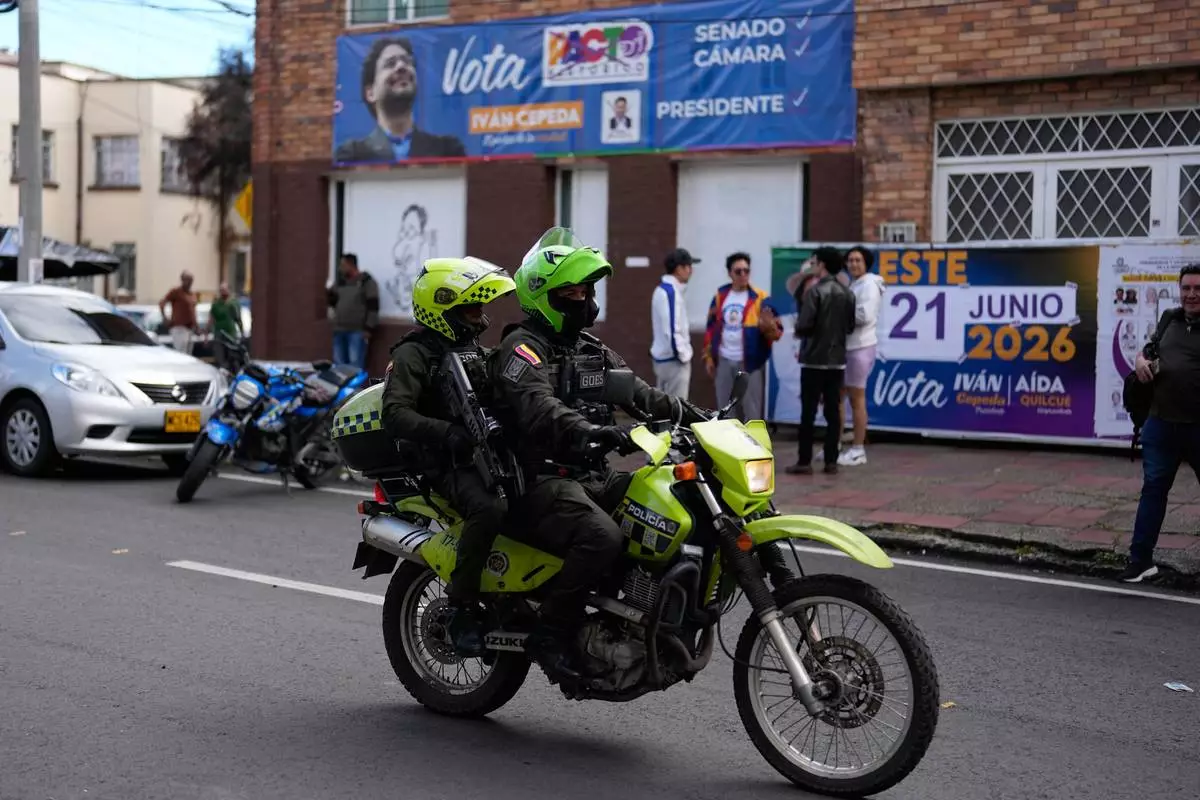
Police patrol past the headquarters of presidential candidate Ivan Cepeda, of the ruling Historic Pact coalition, in Bogota, Colombia, Tuesday, June 16, 2026. (AP Photo/Fernando Vergara)
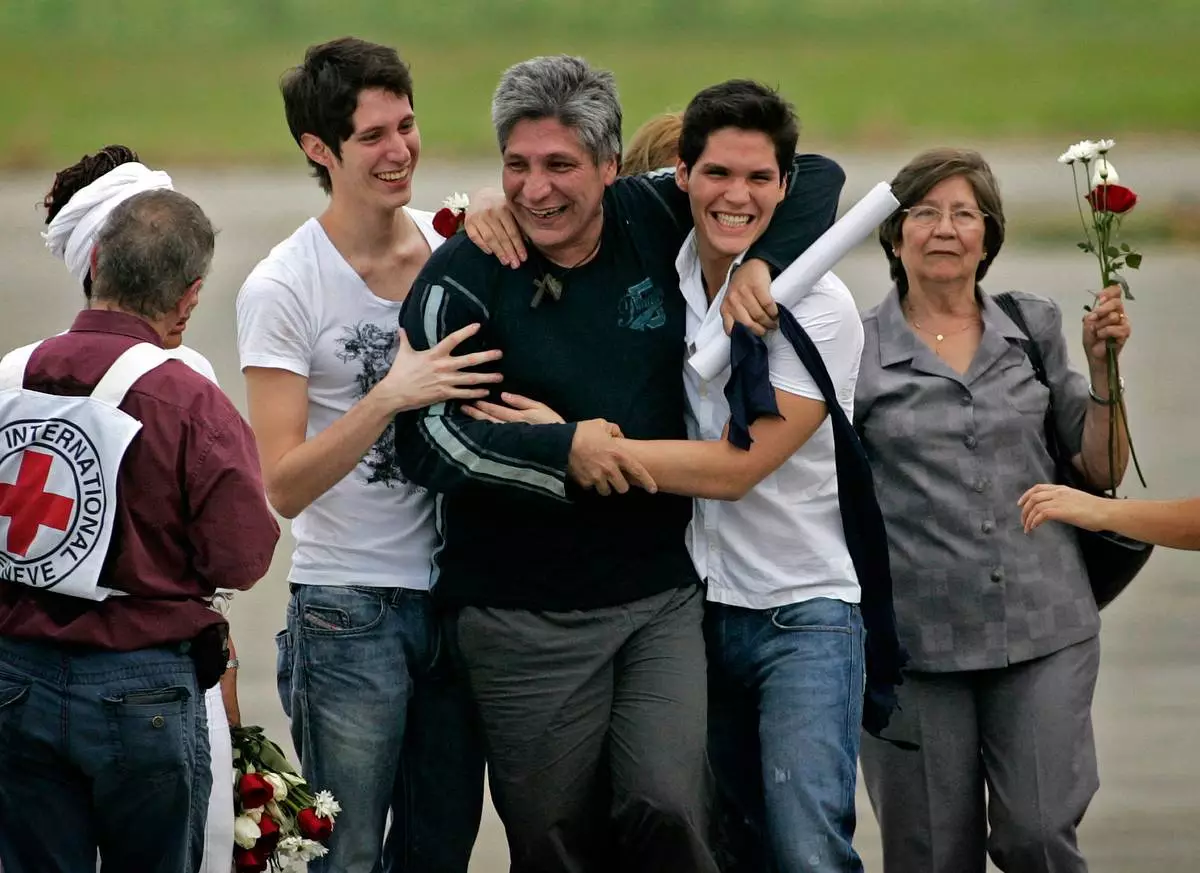
FILE - Freed hostage Sigifredo Lopez reunites with his family after his release from the Revolutionary Armed Forces of Colombia, or FARC, in Cali, Colombia, Feb. 5, 2009. Lopez was kidnapped in 2002 along with 11 fellow lawmakers and was the sole survivor after the others were killed in captivity. (AP Photo/Christian Escobar Mora, File)
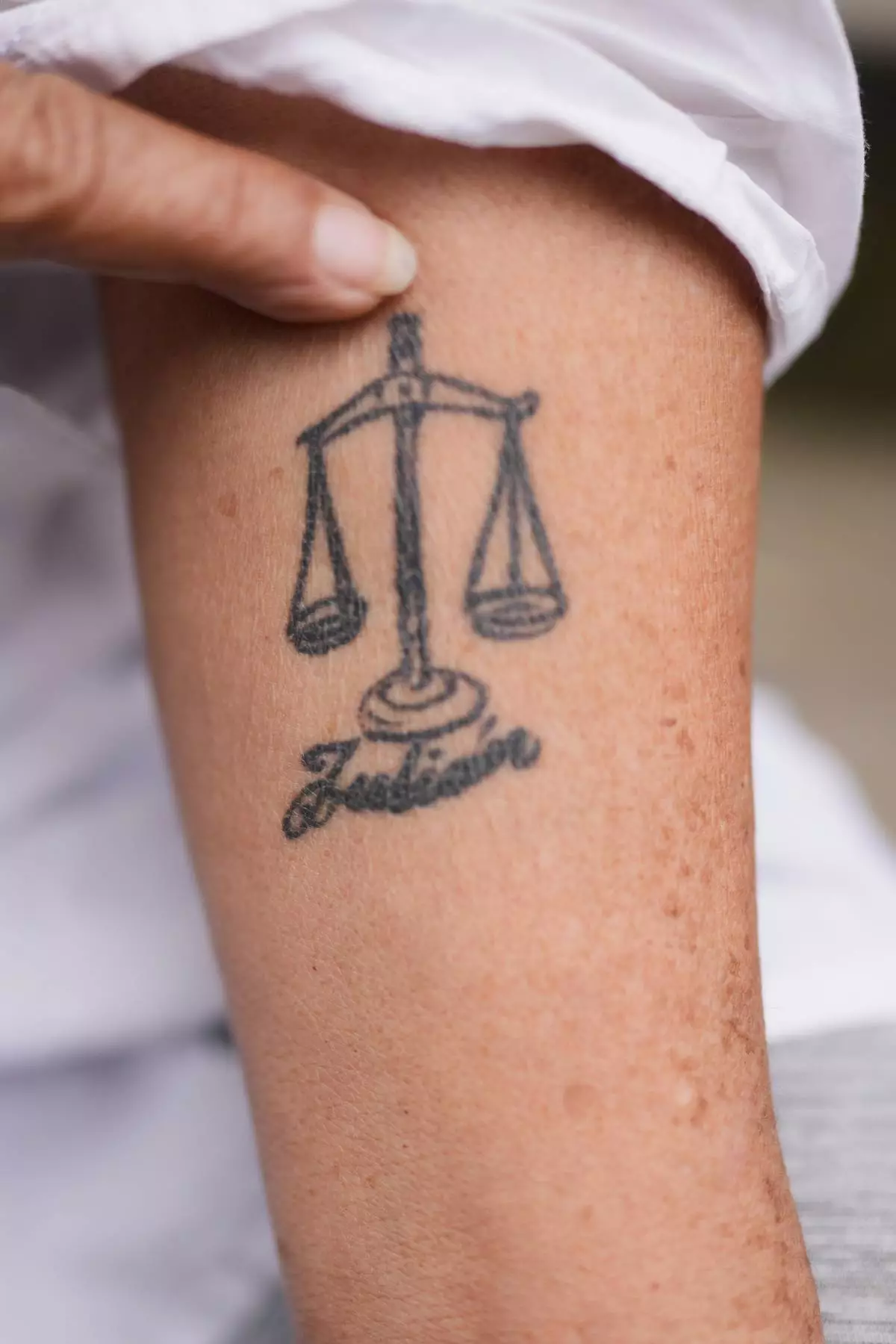
Blanca Nubia Monroy shows a tattoo with the name of her son, Julian Oviedo, who disappeared in 2008 and whose body was found months later in a clandestine grave, in Bogota, Colombia, Monday, June 1, 2026. (AP Photo/Matias Delacroix)
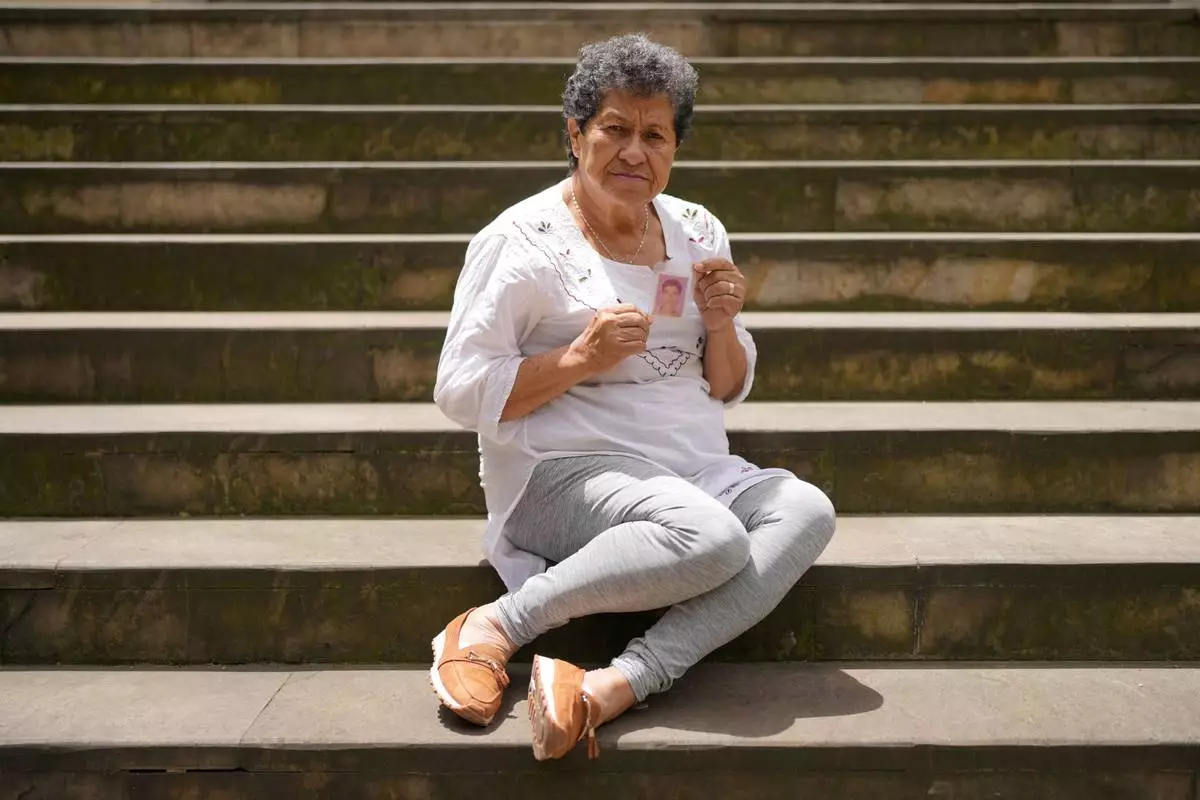
Blanca Nubia Monroy poses with a photograph of her son, Julian Oviedo, who disappeared in 2008 and whose body was found months later in a clandestine grave, in Bogota, Colombia, , June 1, 2026. (AP Photo/Matias Delacroix)