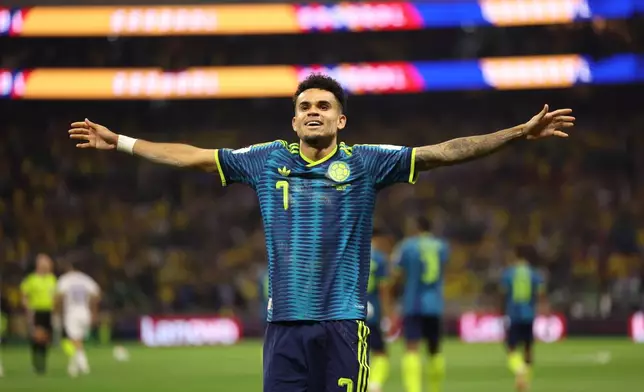
MEXICO CITY (AP) — After contributing a goal and an assist in his World Cup debut, Colombia's Luis Díaz walked to the sidelines to look for his father. They spotted each other, fulfilling a dream that was years in the making.
“A lot of things came to me from the past,” Díaz said after Colombia beat Uzbekistan 3-1 on Wednesday night. “I worked for this. I fought to be here at this moment.”
Click to Gallery
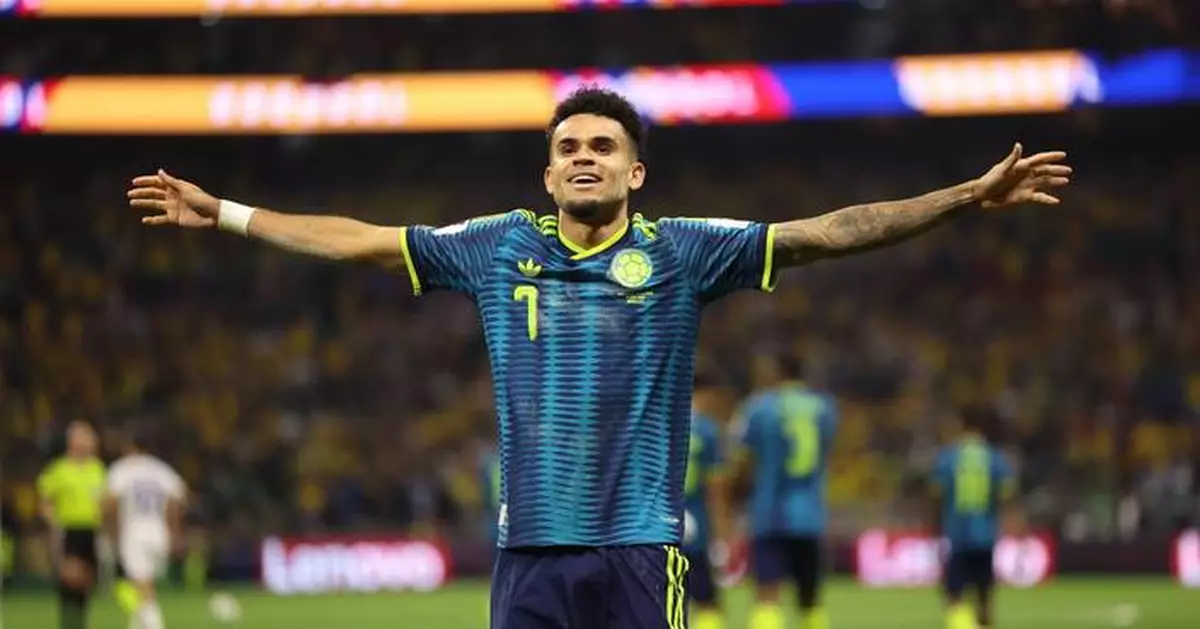
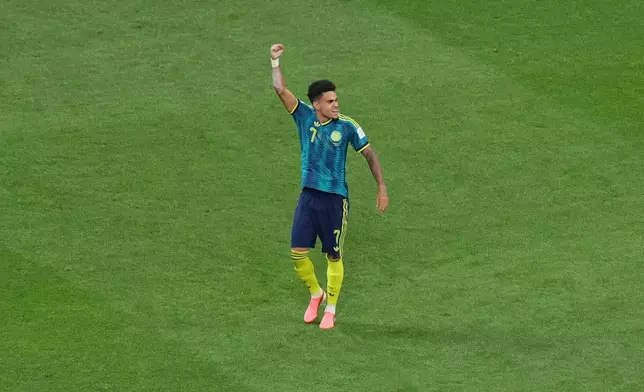
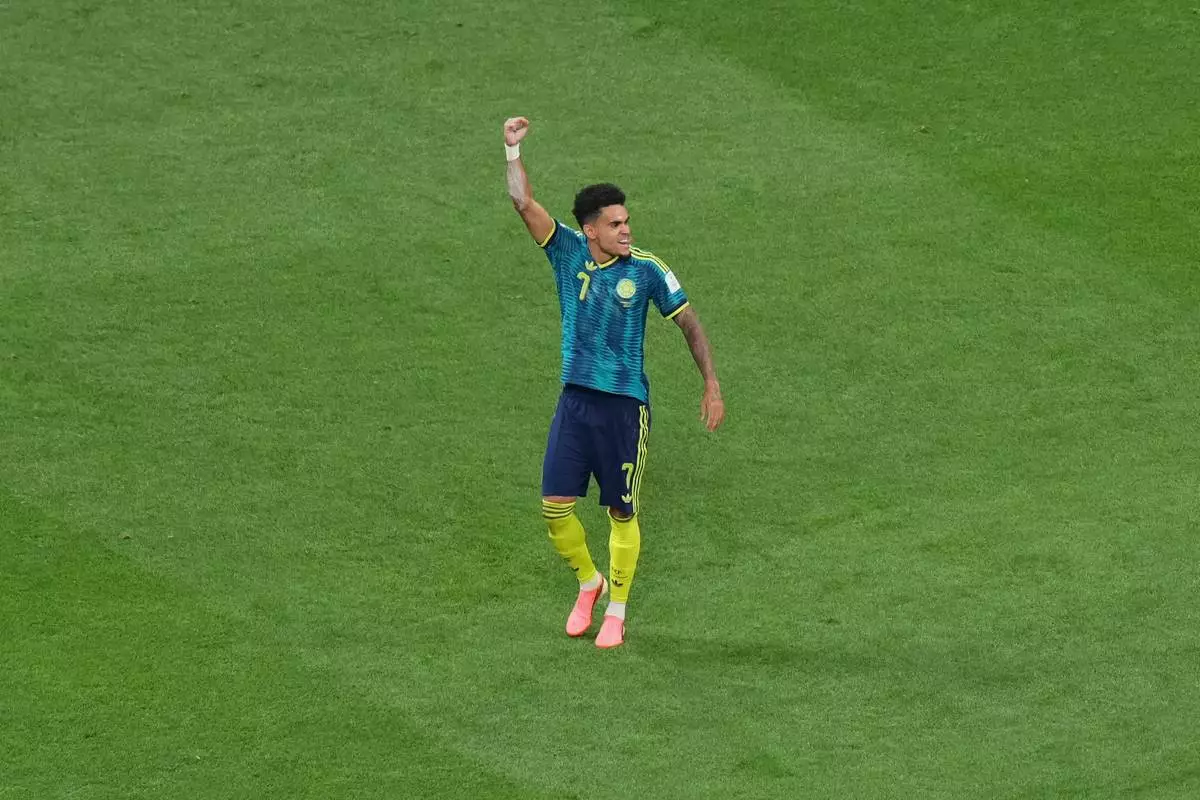
Colombia's Luis Diaz (7) celebrates after scoring his side's second goal during the World Cup Group K soccer match between Uzbekistan and Colombia in Mexico City, Wednesday, June 17, 2026. (AP Photo/Silvia Izquierdo)
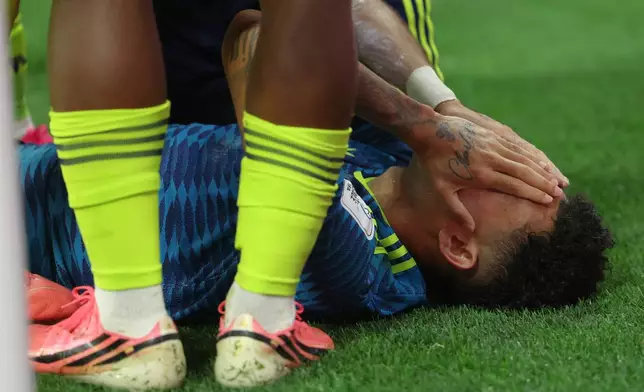
Colombia's Luis Diaz (7) covers his face as he celebrates with teammates after scoring their second goal during the World Cup Group K soccer match between Uzbekistan and Colombia in Mexico City, Wednesday, June 17, 2026. (AP Photo/Ashtin Barker)
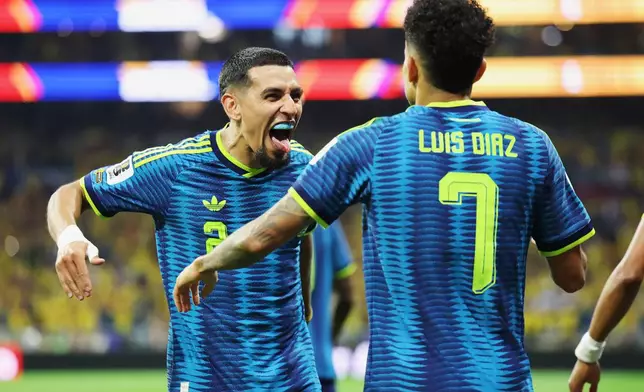
Colombia's Luis Diaz (7) celebrates with Daniel Munoz (2) after scoring their second goal during the World Cup Group K soccer match between Uzbekistan and Colombia in Mexico City, Wednesday, June 17, 2026. (AP Photo/Ashtin Barker)
Colombia's Luis Diaz (7) celebrates after scoring their second goal during the World Cup Group K soccer match between Uzbekistan and Colombia in Mexico City, Wednesday, June 17, 2026. (AP Photo/Ashtin Barker)
First, Colombia failed to qualify for the 2022 World Cup. Then his parents were kidnapped.
In late 2023, Luis Manuel “Mane” Díaz and his wife, Cilenis Marulanda, were captured by armed guerillas at the Colombia-Venezuela border. Marulanda was quickly rescued, but Mane Díaz was not.
Luis Díaz, playing for Liverpool at the time, missed two games to return home to Barrancas and advocate for his father’s freedom. Upon his return to the club, he scored and revealed an undershirt with the words “Freedom for Papa” printed in Spanish.
The gesture garnered international support and increased pressure on the Colombian government to act. Mane was released after being held for 12 days, and father and son had an emotional embrace when they reunited.
This week, Díaz’s father posted a viral video of himself praying over his son’s jersey ahead of his first World Cup game.
Díaz, who now plays for Bayern Munich, scored the go-ahead goal shortly after Uzbekistan equalized to lift Colombia to its first World Cup victory since 2018 while his father watched from the stands.
“I think there was always something that kept us from being at ease,” Díaz said. “I think that today, I am at my best.”
Jack Little is a student in the University of Georgia’s Carmical Sports Media Institute.
AP World Cup: https://apnews.com/hub/fifa-world-cup
Colombia's Luis Diaz (7) celebrates after scoring his side's second goal during the World Cup Group K soccer match between Uzbekistan and Colombia in Mexico City, Wednesday, June 17, 2026. (AP Photo/Silvia Izquierdo)
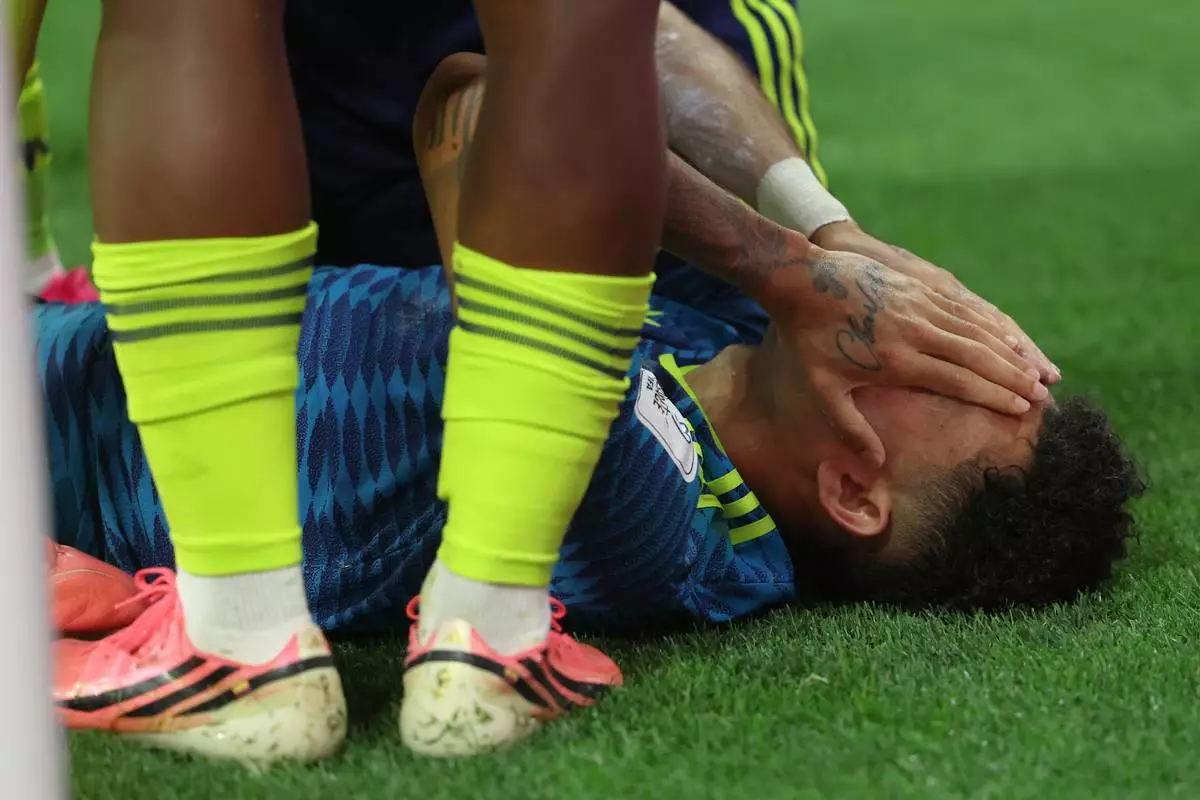
Colombia's Luis Diaz (7) covers his face as he celebrates with teammates after scoring their second goal during the World Cup Group K soccer match between Uzbekistan and Colombia in Mexico City, Wednesday, June 17, 2026. (AP Photo/Ashtin Barker)
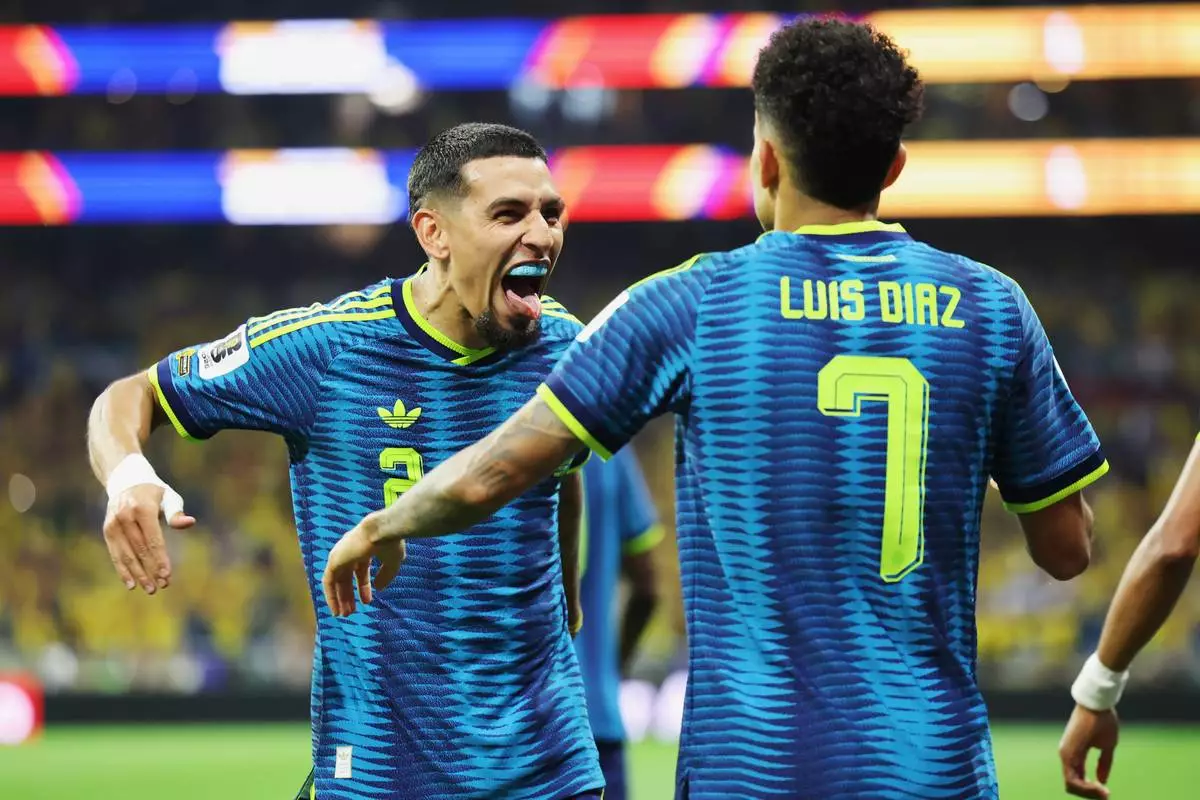
Colombia's Luis Diaz (7) celebrates with Daniel Munoz (2) after scoring their second goal during the World Cup Group K soccer match between Uzbekistan and Colombia in Mexico City, Wednesday, June 17, 2026. (AP Photo/Ashtin Barker)
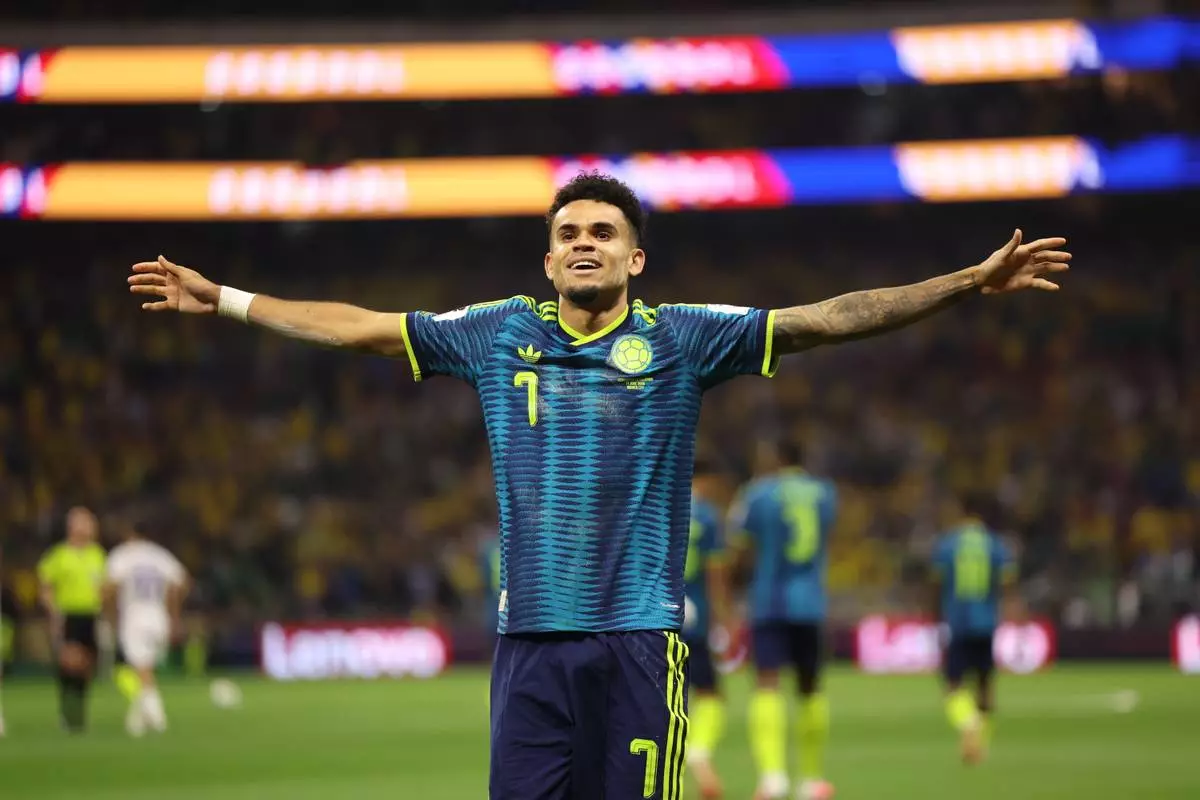
Colombia's Luis Diaz (7) celebrates after scoring their second goal during the World Cup Group K soccer match between Uzbekistan and Colombia in Mexico City, Wednesday, June 17, 2026. (AP Photo/Ashtin Barker)
CAIRO (AP) — The interim deal reached by the United States and Iran to end their war will reopen the Strait of Hormuz and bring the two adversaries back to the negotiating table over Tehran’s nuclear program. It will also give Iran an immediate benefit, allowing it to sell its oil freely again, according to details released by both countries.
Besides the new oil revenue for Iran, the two sides are more or less back where they were 3½ months ago — before Israel and the U.S. launched their war, which has left thousands dead across the region, triggered a global energy crisis and shaken the American economy.
Iran and the U.S. will enter a 60-day period of negotiations, and hanging over them will be the question of whether U.S. President Donald Trump can wrest a better deal than the 2015 nuclear accord he scuttled eight years ago.
Here’s what to know based on details released by U.S. officials and Iranian state media:
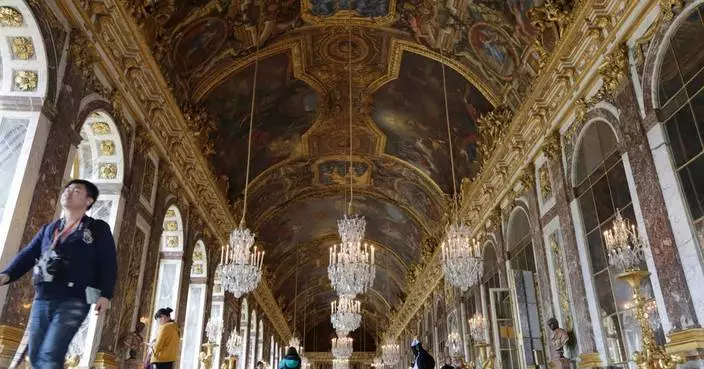
Trump signed a physical copy of the deal Wednesday while dining with French President Emmanuel Macron at the Palace of Versailles.
In Tehran, President Masoud Pezeshkian signed the document, according to the state-run IRNA news agency, which posted an image of him holding up the deal with his signature and Trump’s.
Under the agreement, the Strait of Hormuz will reopen, and the U.S. will lift its blockade of Iranian ports — both of which should push gas prices down. Passage through the waterway will be toll-free for 60 days, and the deal doesn't preclude fees after that, according to U.S. officials who spoke on the condition of anonymity to read details of the draft, which has not yet been officially released by Washington.
Iran’s closure of the strait, through which around a fifth of the world’s traded oil supplies passed before the war, proved perhaps its strongest weapon. It drove up global fuel prices, made food and other products like fertilizer more expensive, and helped push U.S. inflation to 4% ahead of this fall's midterm congressional elections.
With the deal in place, the Islamic Republic has survived the most serious attempt ever by Israel and the United States to topple its government, despite the thundering opening volleys of the war that killed Iran’s supreme leader and other top officials.
The deal immediately waives, but doesn't eliminate, sanctions that Trump imposed on Iran’s oil exports, allowing it once again sell its crude on the world market and restoring a revenue stream worth billions.
Last year, Iran earned an estimated $45 billion from oil sales. But it had only one major buyer, China, and had to ship its crude through a shadow fleet of tankers to elude sanctions, eating into its profits. Under the blockade since April, its exports have nearly ground to a halt.
With the waiver, Iran will likely be able to find more customers and sell its oil for higher prices.
The draft agreement calls for Iran’s highly enriched uranium to be “downblended” — or diluted — under the supervision of the International Atomic Energy Agency, without elaborating. Negotiations on any other restrictions on Tehran's nuclear program lie ahead.
Trump withdrew from a previous nuclear deal with world powers, criticizing it for giving a huge windfall to Iran. But the interim deal outlines even more lucrative incentives if Iran reaches a new nuclear agreement.
One is the eventual lifting of all international sanctions, which would seem to go further than the 2015 accord. That agreement lifted sanctions related to Iran’s nuclear program but kept others in place over what the U.S. alleged were Tehran's support for terrorism and rights abuses.
The interim pact also promises a $300 billion fund for postwar reconstruction. It's not clear where that money will come from — but Trump said the U.S. would not contribute.
To give a sense of the extraordinary scale of the fund, the World Bank estimates that Syria, after 13 years of civil war, needs $215 billion for reconstruction; the Gaza Strip, largely flattened in two years of war between Israel and Hamas, needs $53 billion.
The deal also promises to unfreeze billions of dollars worth of Iranian assets held abroad under a procedure the two sides will work out, according to the text provided by U.S. officials.
The Trump administration said its war aims were to “obliterate” Iran's missile arsenal, “sever its support” for armed proxies in the region, “annihilate its navy,” and ensure it never acquires a nuclear weapon.
The seven weeks of U.S.-Israeli bombardment are believed to have heavily damaged Iran’s missile arsenal and production facilities as well as other parts of its military. How heavily isn't known, though, and Iran continued to fire on Israel as recently as last week. Meanwhile, Iran’s ties with its militant proxies — Hezbollah in Lebanon, the Houthis in Yemen and Shiite militias in Iraq — appear as strong as ever.
Neither the missile arsenal nor Iran’s support for its allies appears to be on the table in the upcoming negotiations.
The deal calls for an end to the war in Lebanon, where Israel has been fighting Hezbollah.
However, Israel and Hezbollah aren't parties to the agreement. Iran insists Israel must withdraw from the large swath of southern Lebanon it is occupying, but the interim deal doesn't explicitly require that and only ensures Lebanon's “territorial integrity.”
Israel has vowed to keep troops in Lebanon, while Hezbollah says it is committed to resisting Israel “until full withdrawal is achieved.” Fighting between the two could derail the deal unless the U.S. and Iran can rein in their respective allies.
Israel was squeezed out of the negotiations with Iran, and Israelis from across the political spectrum have called the deal a disaster, directing their fury at Prime Minister Benjamin Netanyahu.
Tensions between Trump and Netanyahu, meanwhile, have occasionally spilled into the open, including when the American president described the Israeli leader as “crazy.”
At the G7 summit in France this week, Trump said that Netanyahu “has to be more responsible with respect to Lebanon.”
Netanyahu is left in a precarious situation ahead of national elections later this year. His relationship with Trump may require downscaling a military campaign in Lebanon that is broadly popular in Israel.
The 2015 agreement negotiated by the Obama administration severely limited Iran’s nuclear program for 15 years. During that period, Iran could only enrich uranium to a low level, far below what's needed for a weapon. It could only stockpile 300 kilograms (660 pounds) of the material and had to sharply reduce its centrifuges carrying out enrichment. It was also put under stricter inspections by the IAEA.
One main criticism was the 15-year time limit, after which opponents said Iran would be able to quickly ramp up its ability to produce a bomb. Iran insists its nuclear program is for peaceful purposes.
A key question now will be whether the U.S. can win stricter limits for a longer term.
Associated Press reporters Michelle L. Price and Matthew Lee in Washington contributed.
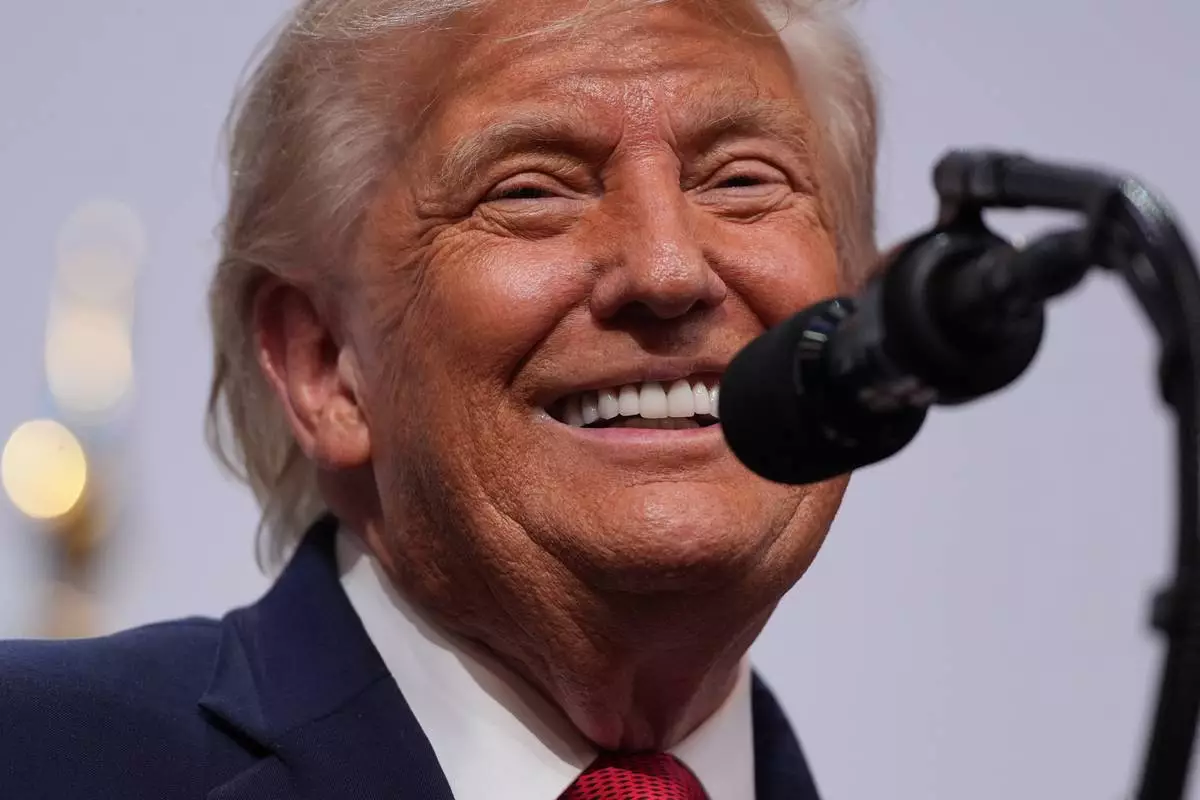
U.S. President Donald Trump speaks during a news conference at the G7 summit, Wednesday, June 17, 2026, in Evian-les-Bains, France. (AP Photo/Julia Demaree Nikhinson)
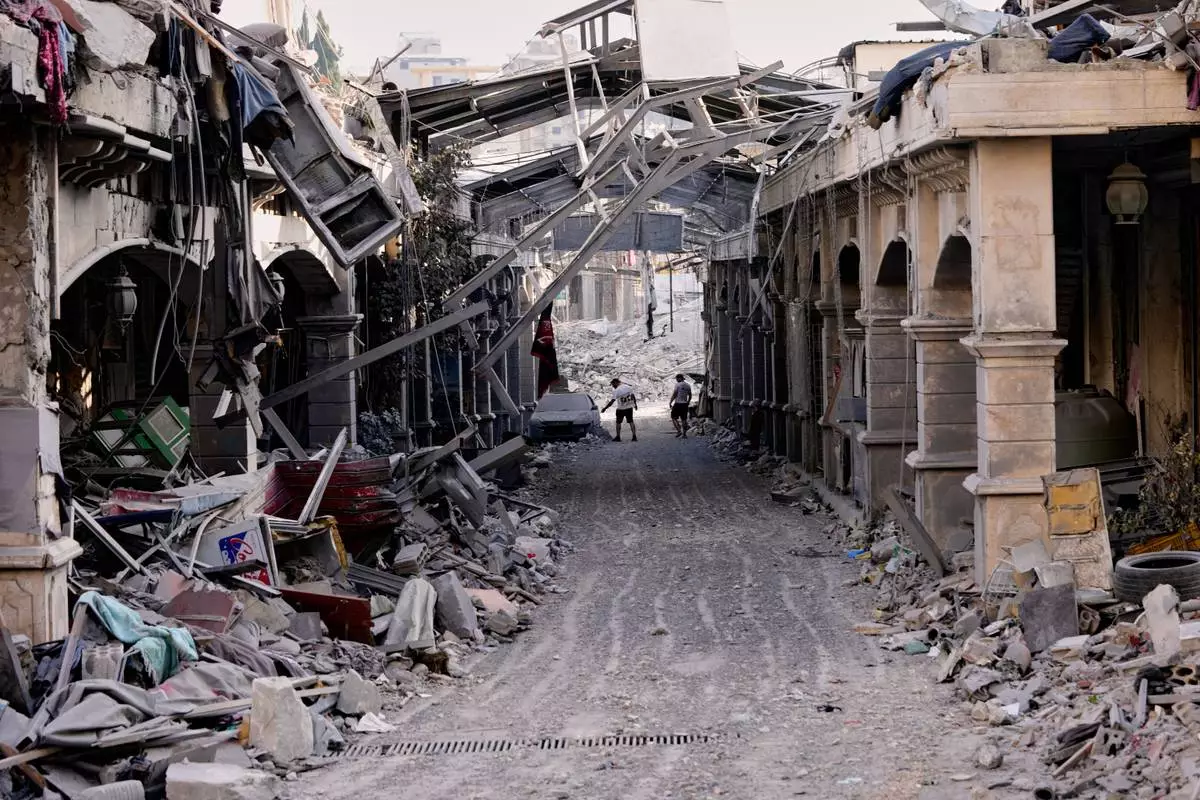
People returning to their village following the announcement of an initial ceasefire agreement between the United States and Iran, check a car at a destroyed market shop in Nabatiyeh town, southern Lebanon, Tuesday, June 16, 2026. (AP Photo/Hussein Malla)
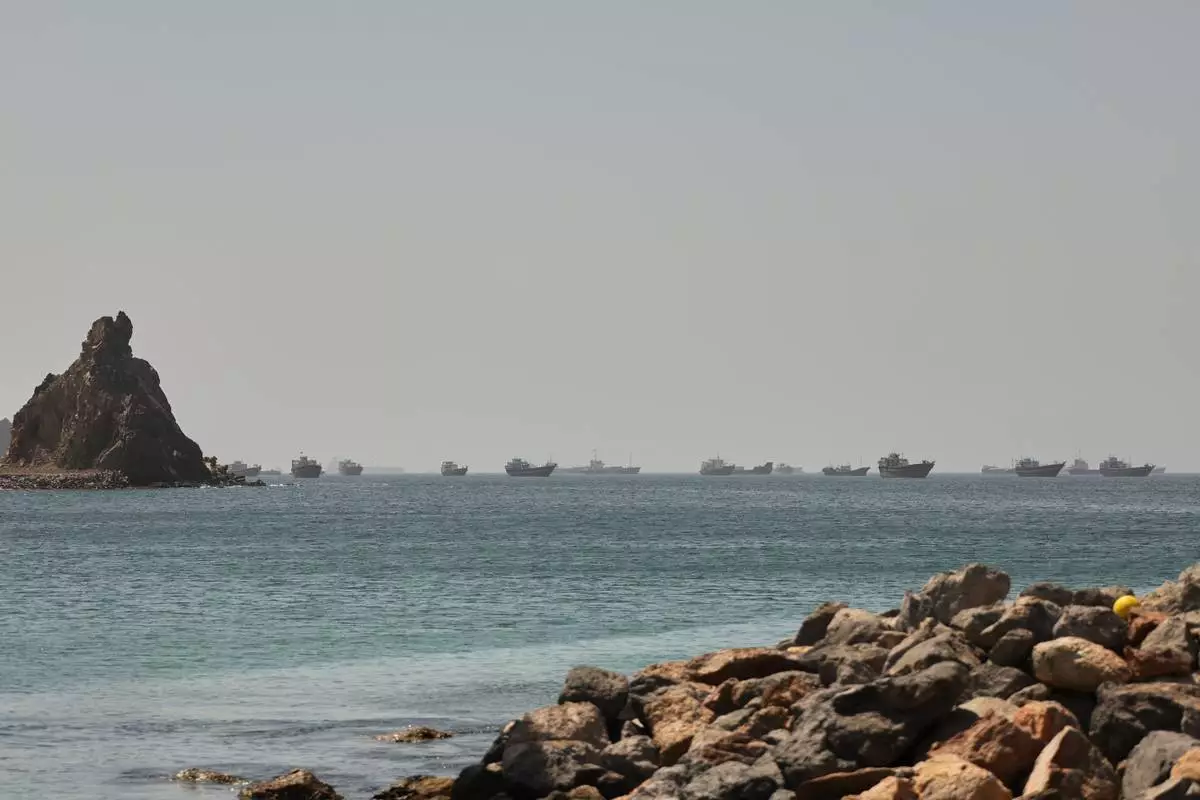
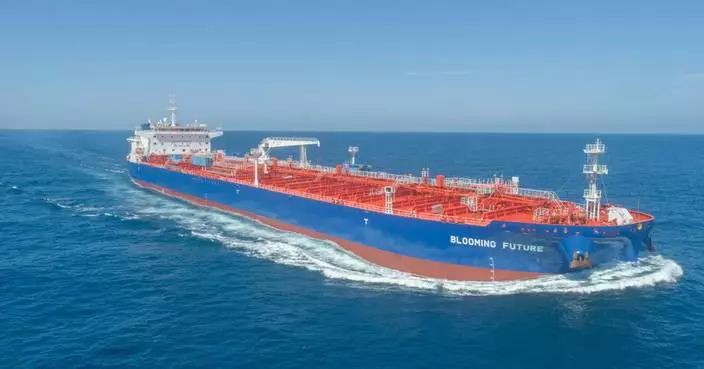
Tankers and cargo vessels are seen in the Gulf of Oman, along shipping routes linking the Strait of Hormuz and the Arabian Sea, Tuesday, June 16, 2026. (AP Photo)
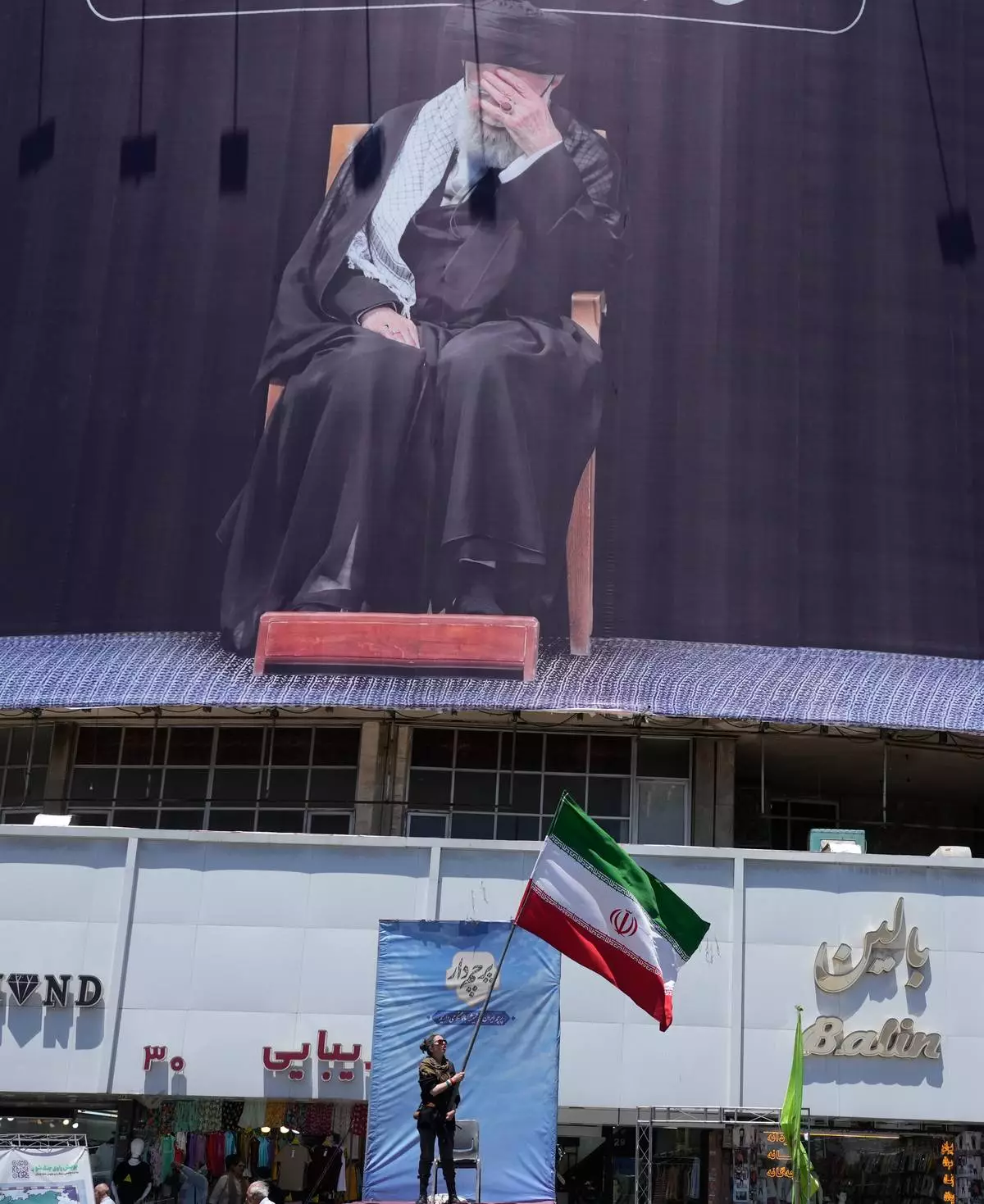
A woman waves an Iranian flag during a pro-government campaign under a portrait of the slain Supreme Leader Ayatollah Ali Khamenei, who was killed in U.S. and Israeli strikes on Feb. 28, in downtown Tehran, Iran, Monday, June 15, 2026. (AP Photo/Vahid Salemi)
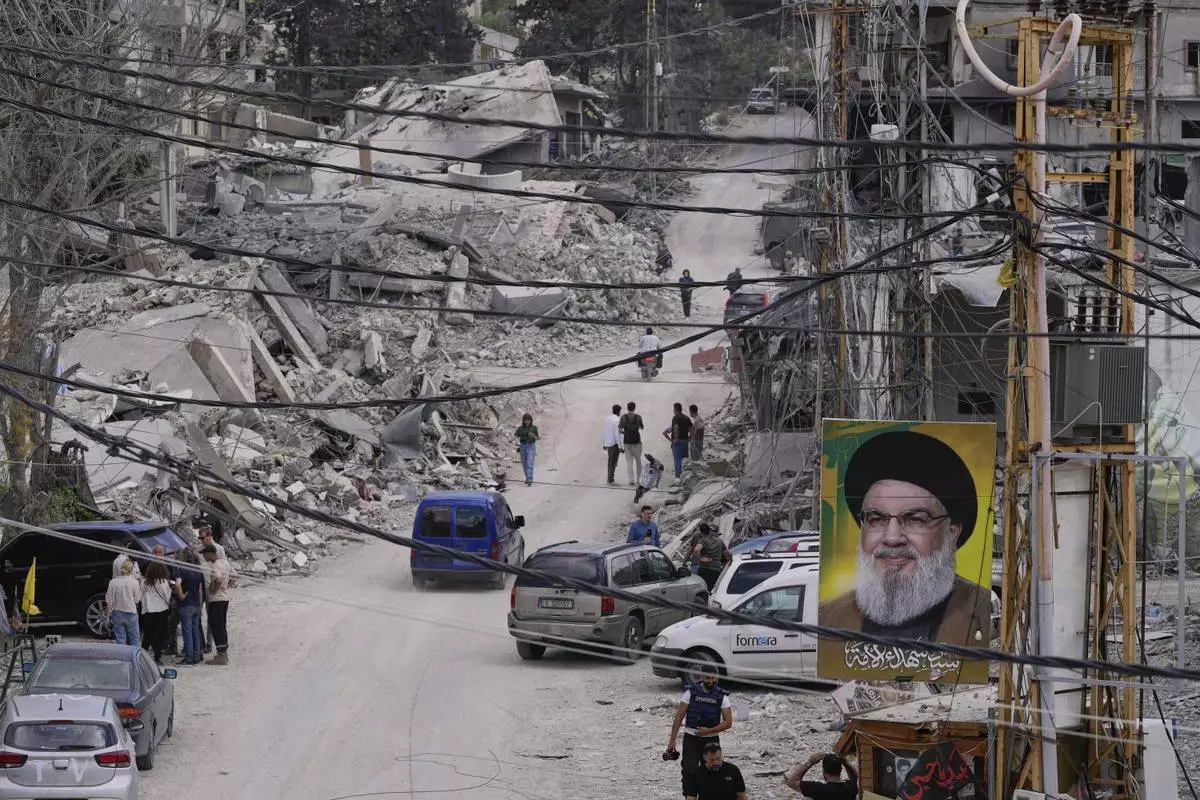
People who return to their village following the announcement of an initial ceasefire agreement between the United States and Iran, gather with journalists at a destroyed street in Beer al-Salassel, south Lebanon, Monday, June 15, 2026. (AP Photo/Mohammed Zaatari)
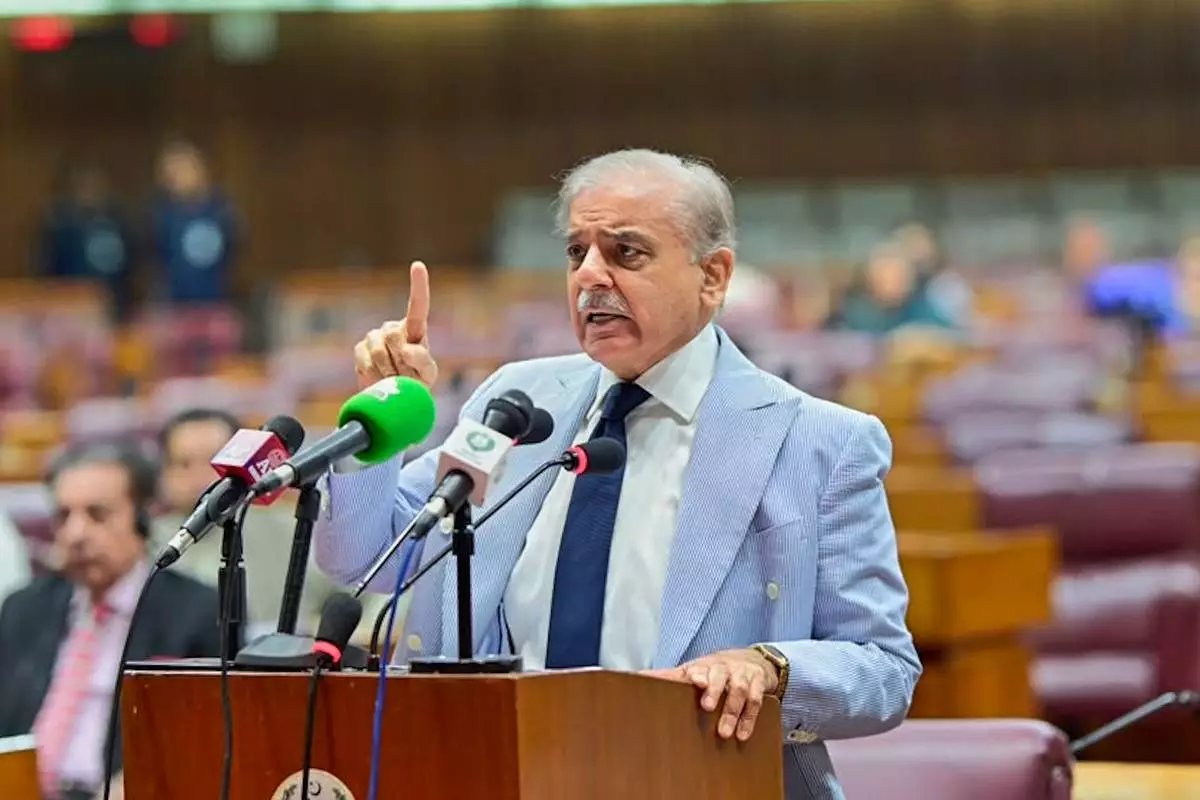
In this photo released by the Pakistan Prime Minister Office, Prime Minister Shehbaz Sharif speaks on the U.S.'s conflict with Iran, during a assembly session in the parliament in Islamabad, Pakistan, Monday, June 15, 2026. (Pakistan Prime Minister Office via AP)
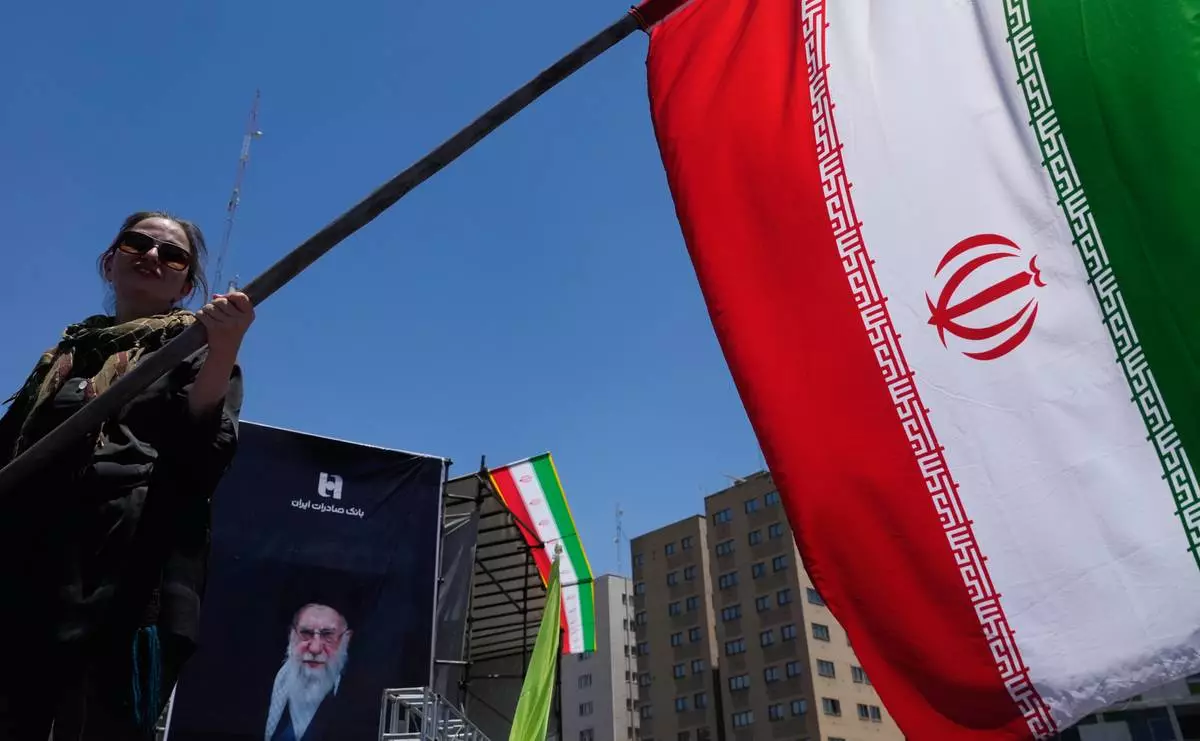
A woman waves an Iranian flag during a pro-government campaign as a portrait of the slain Supreme Leader Ayatollah Ali Khamenei, who was killed in U.S. and Israeli strikes on Feb. 28, is displayed at rear, in downtown Tehran, Iran, Monday, June 15, 2026. (AP Photo/Vahid Salemi)
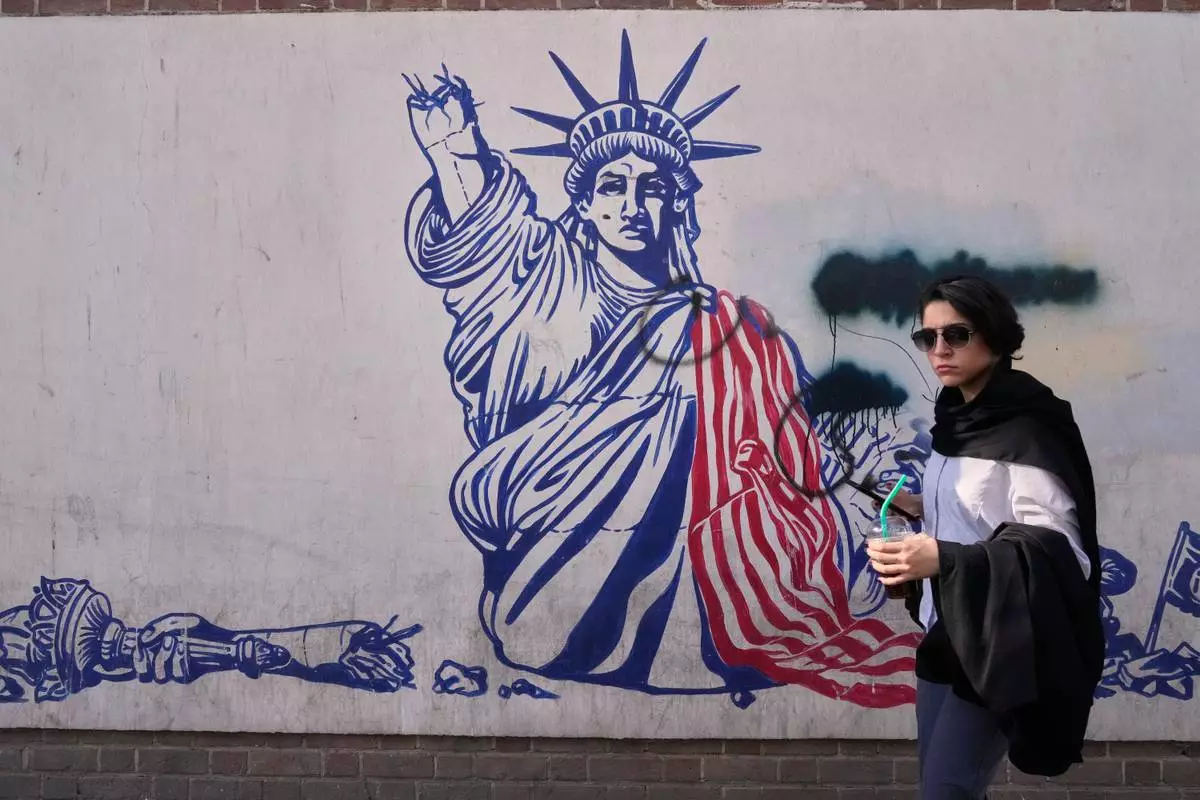
A woman walks past an anti-American mural on the wall of the former U.S. Embassy, now a museum, in Tehran, Iran, Friday, June 12, 2026. (AP Photo/Vahid Salemi)