Skip to Content Facebook Feature Image

US allows more than a dozen ships through to Iranian ports, lifting blockade under deal, Vance says

News

US allows more than a dozen ships through to Iranian ports, lifting blockade under deal, Vance says
News

News

US allows more than a dozen ships through to Iranian ports, lifting blockade under deal, Vance says

2026-06-19 00:30 Last Updated At:00:41

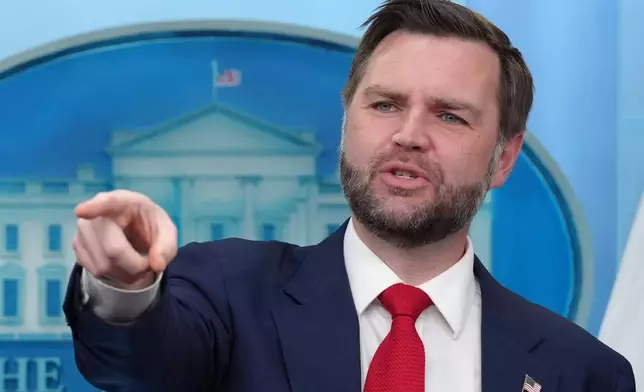
WASHINGTON (AP) — Vice President JD Vance said Thursday that the U.S. Navy has allowed more than a dozen ships through to Iranian ports, lifting a blockade as part of an agreement to end the war.

Vance made the announcement at a White House press briefing, where he said more oil is now flowing through the Strait of Hormuz. The Republican vice president said more than 12.5 million barrels went through the shipping channel Wednesday night.

More Images
Vice President JD Vance points as he takes questions from reporters in the James Brady Press Briefing Room at the White House, Thursday, June 18, 2026, in Washington. (AP Photo/Jacquelyn Martin)
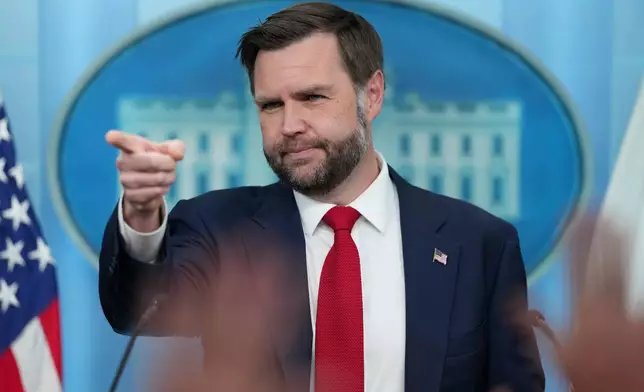
Vice President JD Vance points as he takes questions from reporters in the James Brady Press Briefing Room at the White House, Thursday, June 18, 2026, in Washington. (AP Photo/Jacquelyn Martin)
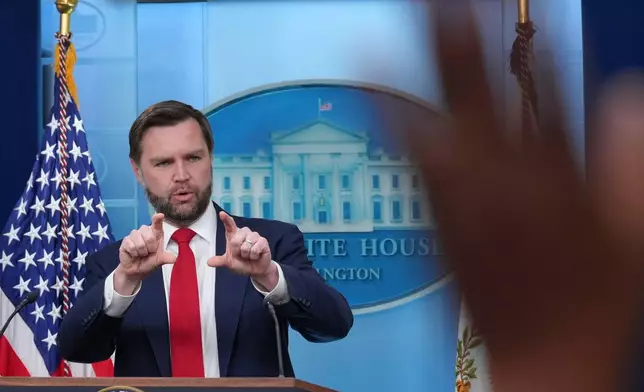
Vice President JD Vance points to a reporter to take a question in the James Brady Press Briefing Room at the White House, Thursday, June 18, 2026, in Washington. (AP Photo/Jacquelyn Martin)
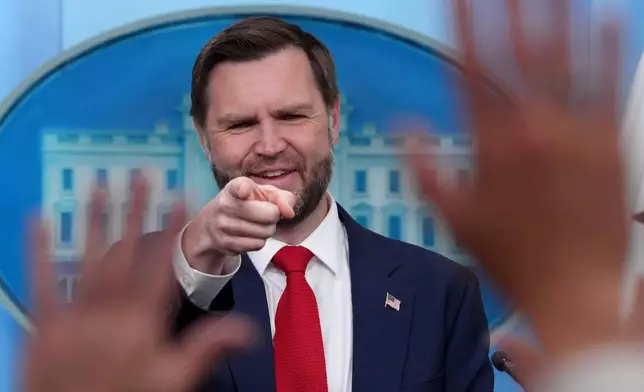
Vice President JD Vance points to a reporter to take a question in the James Brady Press Briefing Room at the White House, Thursday, June 18, 2026, in Washington. (AP Photo/Jacquelyn Martin)
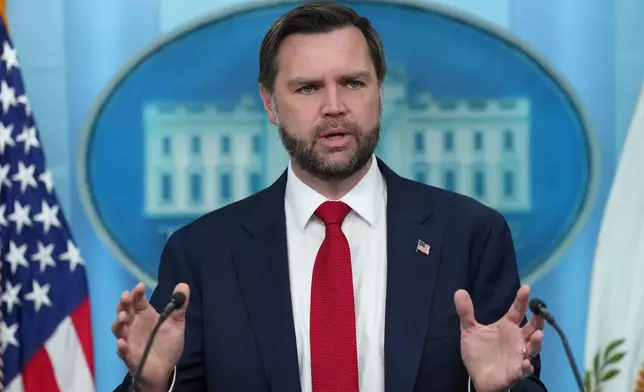
A reporter raises a hand to ask a question as Vice President JD Vance speaks in the James Brady Press Briefing Room at the White House, Thursday, June 18, 2026, in Washington. (AP Photo/Jacquelyn Martin)

A reporter raises a hand to ask a question as Vice President JD Vance speaks in the James Brady Press Briefing Room at the White House, Thursday, June 18, 2026, in Washington. (AP Photo/Jacquelyn Martin)

Vice President JD Vance points to a reporter to take a question in the James Brady Press Briefing Room at the White House, Thursday, June 18, 2026, in Washington. (AP Photo/Jacquelyn Martin)

Vice President JD Vance points to a reporter to take a question in the James Brady Press Briefing Room at the White House, Thursday, June 18, 2026, in Washington. (AP Photo/Jacquelyn Martin)

Vice President JD Vance speaks to reporters in the James Brady Press Briefing Room at the White House, Thursday, June 18, 2026, in Washington. (AP Photo/Jacquelyn Martin)

Vice President JD Vance speaks to reporters in the James Brady Press Briefing Room at the White House, Thursday, June 18, 2026, in Washington. (AP Photo/Jacquelyn Martin)

“So we’re also honoring our end of the early part of the agreement on the military side,” Vance said, citing it as an immediate benefit of the deal as he downplayed criticism that the agreement tilts in favor of Iran.

And in an extraordinary rebuke, he warned U.S. critics in Israel against “attacking the only powerful ally” it has left. He lashed out at members of the Israeli government, warning them that “Donald J. Trump is the only head of state in the entire world who is sympathetic to the nation of Israel at this moment in time.”

Vance said he plans to travel to Switzerland for talks on the Iran deal but he doesn’t know when that will happen. He had been expected to lead talks on implementing the agreement with Iran aimed at diluting its stockpile of highly enriched uranium and restarting oil traffic through the Strait of Hormuz.

On Tuesday, two oil tankers left Iran and crossed the U.S. military blockade without being stopped. A merchant shipping tracking website said the ships were carrying a combined total of 3.8 million barrels of Iranian crude oil.

Meanwhile, Iranian state media said that shipping has “normalized” at Iran’s southern ports but added that the Strait of Hormuz remains supervised and under the control of the Iranian military and transiting through the vital waterway still requires coordination.

Major shipowners have begun moving vessels through the Strait of Hormuz since the agreement was signed, according to maritime data company Lloyd’s List Intelligence — though they did not give data on how many ships have passed through the strait as of Thursday.

In a media briefing, Richard Meade, editor in chief of Lloyd’s List, said for the first time in 110 days, ships owned by major companies are transiting the strait after effectively being marooned there since February.

Tankers controlled by major ship owners Grimaldi Group, Cosco, Knutsen and NYK have passed through the strait. And two Iran-flagged, National Iranian Tanker Company-owned, sanctioned crude oil tankers have entered the strait, according to Lloyd’s List.

Phillip Belcher, marine director of Intertanko, a trade group for global independent tanker owners, said the main central route of the Strait of Hormuz is still closed and has an estimated 80 mines that need to be cleared.

But ships have been passing through the smaller Northern route, which goes through Iranian waters, and the Southern route, which goes through Omani waters.

The agreement calls for a permanent end to hostilities and starts a 60-day negotiating clock to reach a final deal on the future of Iran’s nuclear program, though Trump left the door open to resume attacks. It appears to offer Iran several benefits up front while extracting little in return.

It states that Iran’s stockpile of highly enriched uranium, which is believed to be buried under rubble, must at minimum be diluted under international supervision. It also states that Iran shall not procure or develop nuclear weapons — a commitment it has made previously. But beyond stating that the U.S. and Iran will negotiate over Iran’s nuclear program, other commitments still need to be worked out.

Much of the agreement would restore the status quo before the war, including ending hostilities, restarting talks between the U.S. and Iran over Tehran’s nuclear program, and reopening the Strait of Hormuz, the crucial passage for the world’s oil and natural gas whose closure created a historic energy crisis.
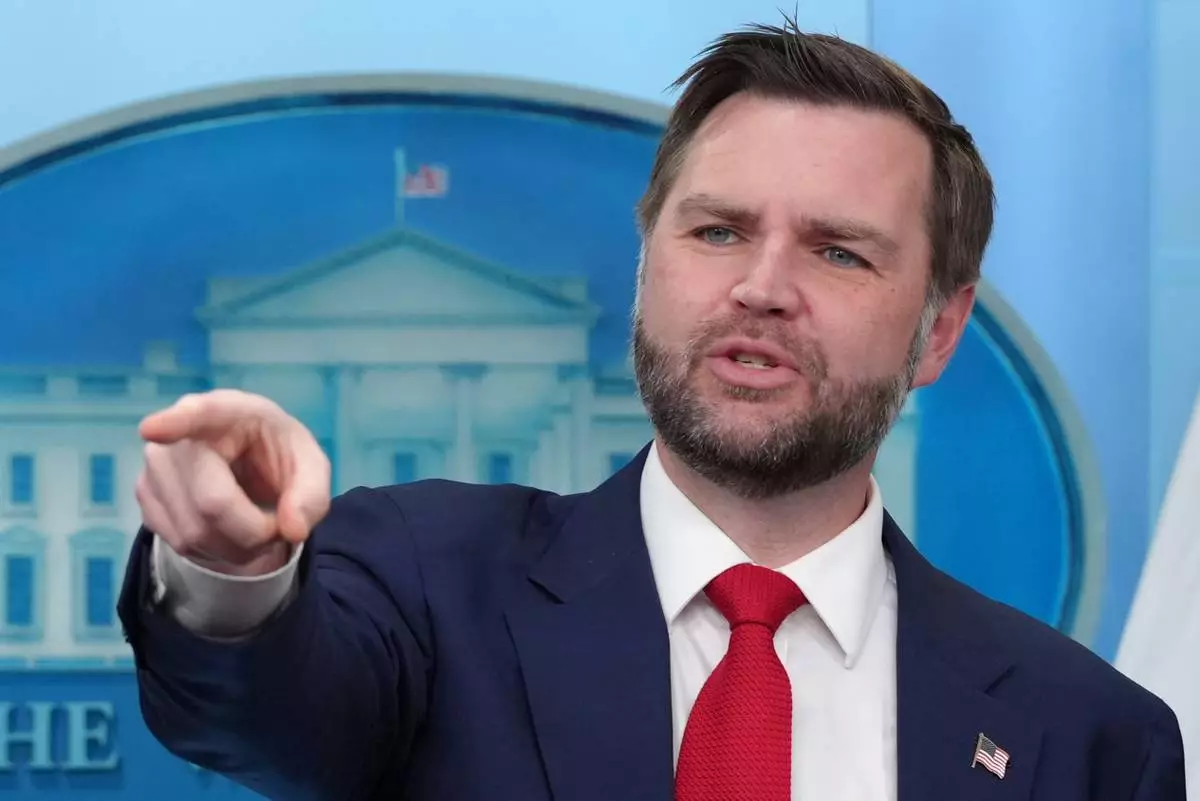
Vice President JD Vance points as he takes questions from reporters in the James Brady Press Briefing Room at the White House, Thursday, June 18, 2026, in Washington. (AP Photo/Jacquelyn Martin)
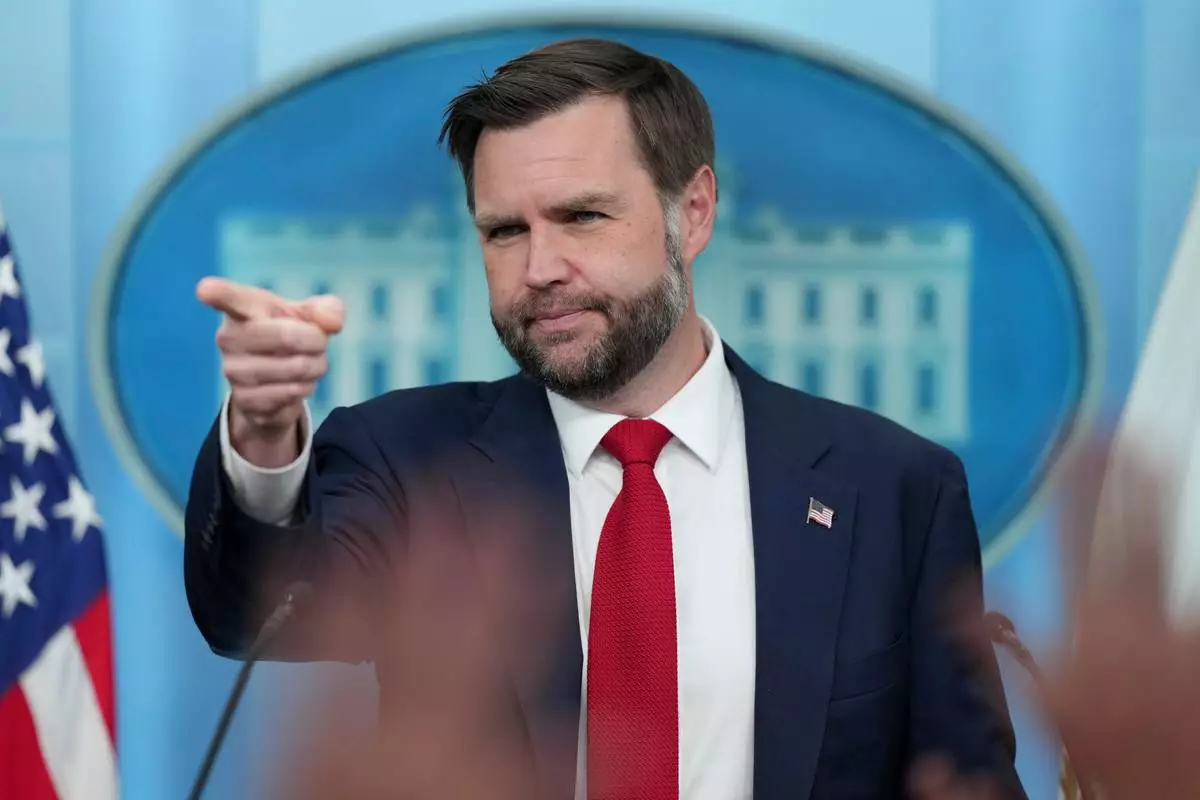
Vice President JD Vance points as he takes questions from reporters in the James Brady Press Briefing Room at the White House, Thursday, June 18, 2026, in Washington. (AP Photo/Jacquelyn Martin)
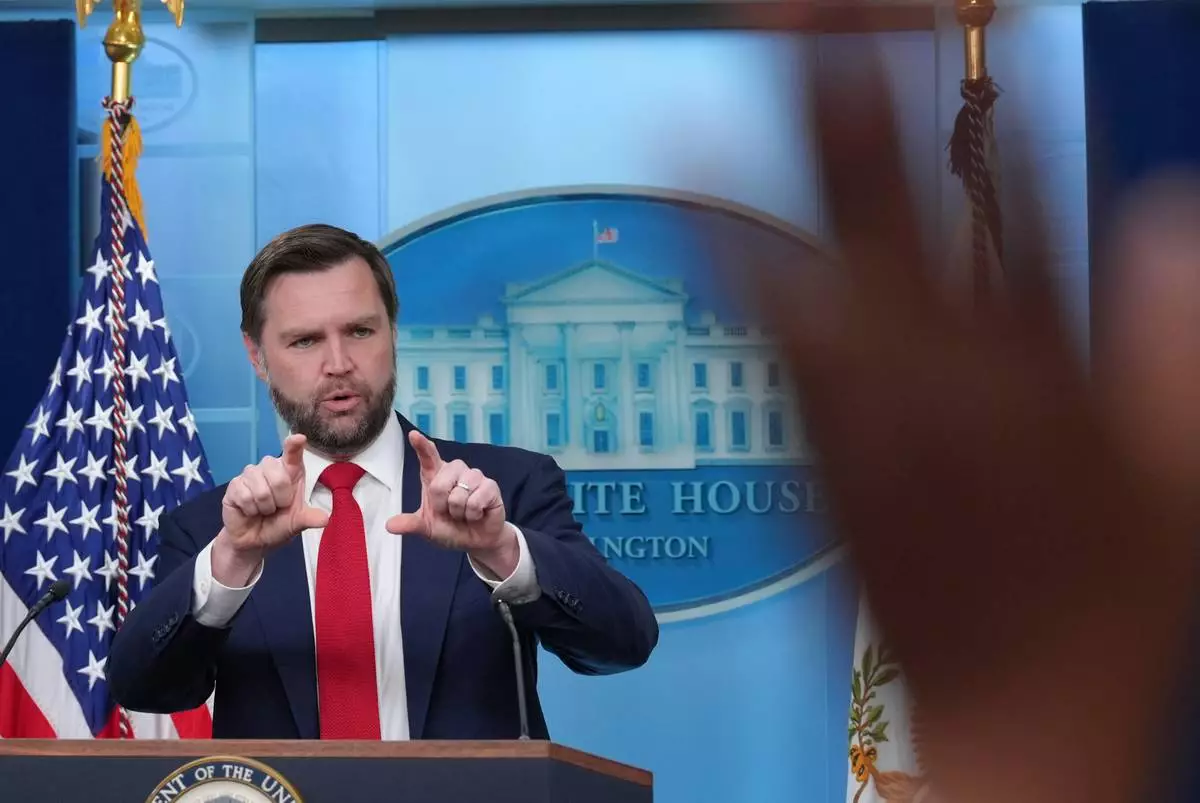
Vice President JD Vance points to a reporter to take a question in the James Brady Press Briefing Room at the White House, Thursday, June 18, 2026, in Washington. (AP Photo/Jacquelyn Martin)
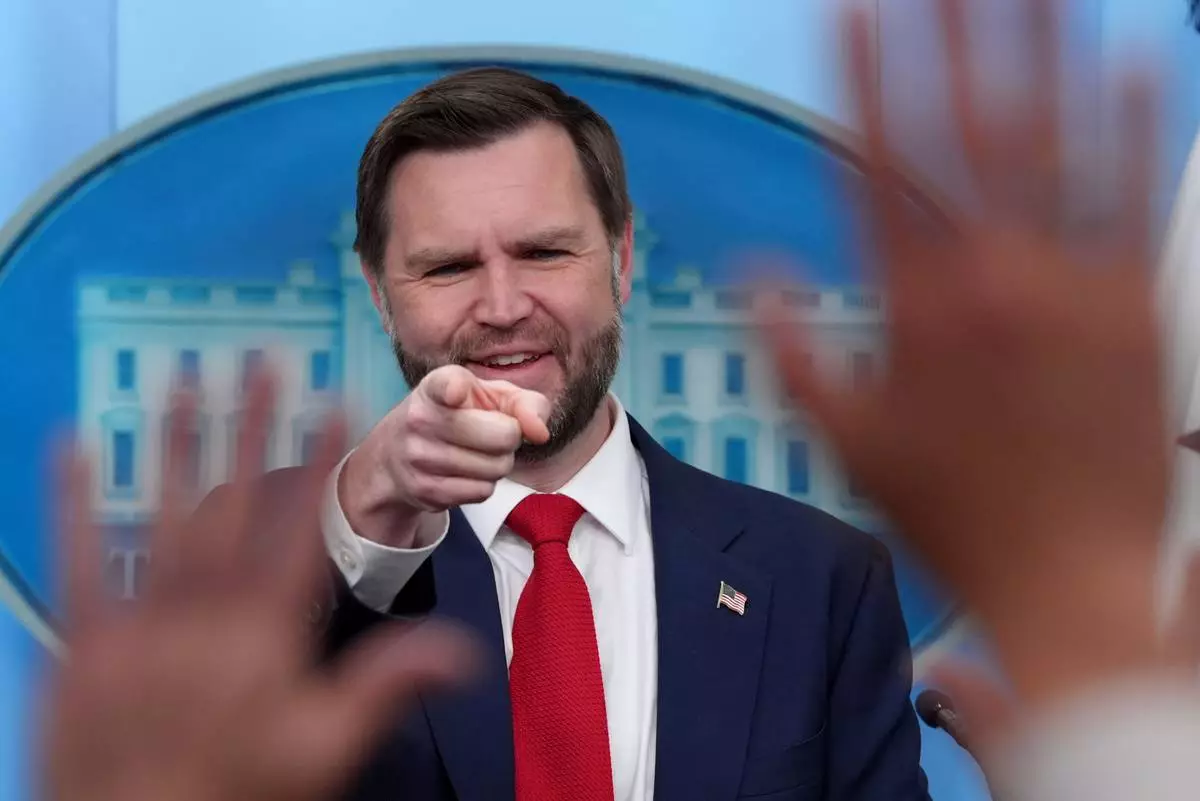
Vice President JD Vance points to a reporter to take a question in the James Brady Press Briefing Room at the White House, Thursday, June 18, 2026, in Washington. (AP Photo/Jacquelyn Martin)
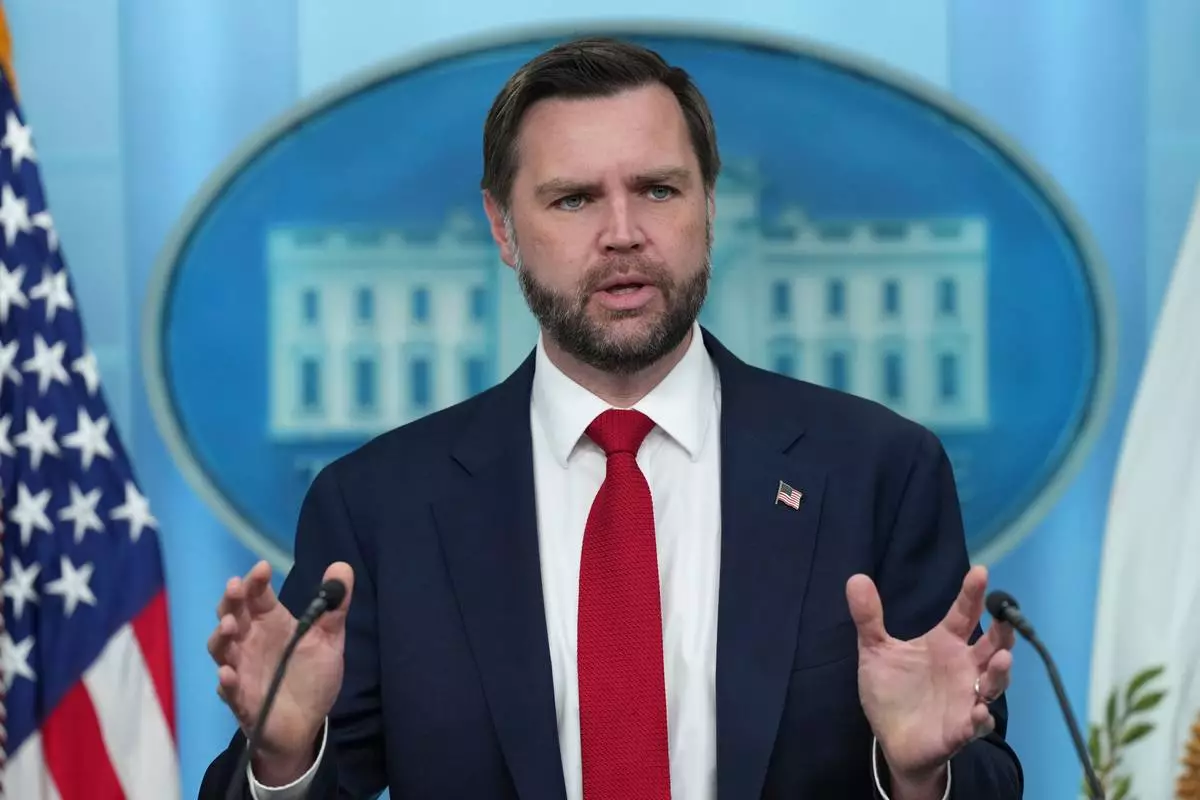
A reporter raises a hand to ask a question as Vice President JD Vance speaks in the James Brady Press Briefing Room at the White House, Thursday, June 18, 2026, in Washington. (AP Photo/Jacquelyn Martin)

A reporter raises a hand to ask a question as Vice President JD Vance speaks in the James Brady Press Briefing Room at the White House, Thursday, June 18, 2026, in Washington. (AP Photo/Jacquelyn Martin)
Vice President JD Vance points to a reporter to take a question in the James Brady Press Briefing Room at the White House, Thursday, June 18, 2026, in Washington. (AP Photo/Jacquelyn Martin)
Vice President JD Vance points to a reporter to take a question in the James Brady Press Briefing Room at the White House, Thursday, June 18, 2026, in Washington. (AP Photo/Jacquelyn Martin)
Vice President JD Vance speaks to reporters in the James Brady Press Briefing Room at the White House, Thursday, June 18, 2026, in Washington. (AP Photo/Jacquelyn Martin)
Vice President JD Vance speaks to reporters in the James Brady Press Briefing Room at the White House, Thursday, June 18, 2026, in Washington. (AP Photo/Jacquelyn Martin)
BRUSSELS (AP) — The European Union has made a tentative bid to open a line of communication with Moscow so the continent is not sidelined in any potential talks to end Russia’s grinding war in Ukraine, officials said Thursday.

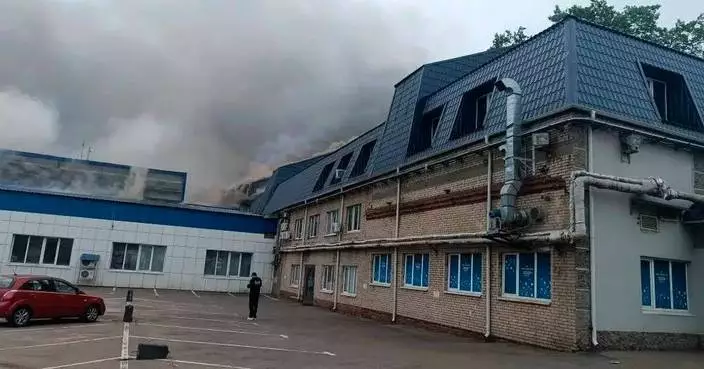
The news emerged as Ukraine launched one of its biggest drone attacks since Russia’s all-out invasion of its neighbor more than four years ago, Russian officials said Thursday. A major oil refinery was hit for a second time in a week and commercial flights at Moscow airports were disrupted.

Against the backdrop of conflict, and despite reservations among some European leaders, the EU has been quietly seeking to reopen communications with Moscow even as it doubles down on its support for Kyiv. President Vladimir Putin, meanwhile, has tried to cut out Europe and Kyiv and negotiate Ukraine’s future with Washington.

“⁠In the past few weeks, brief contacts were made at diplomatic level to open communication channels, but nothing was discussed on substance,” an EU official with knowledge of the approach said on condition of anonymity to discuss the sensitive move. A second official, also speaking on condition of anonymity because they were not authorized to speak to the media on the matter, confirmed the Russia outreach is taking place but declined to comment further.

“In any future scenario, the EU has specific interests that will need to be defended, therefore it is important to have established diplomatic channels with Russia. The EU is not a mediator. It supports Ukraine in its efforts to achieve a just and lasting peace,” the first official added.

The Kremlin did not immediately respond to a request for comment.

Putin has repeatedly said Europe cannot play any kind of mediation role in settling the conflict but has not ruled out speaking to the EU.

“We have never refused contacts with representatives of the European Union in any format,” he said earlier this month. “We are not rejecting contacts. If they want to talk, they know how to reach us. They can pick up the phone and call. If they want to come, they are welcome to do so. It is not Russia that is refusing engagement.”

The officials said European Council President Antonio Costa “has been coordinating closely with European leaders on possible engagement with Russia and the issues to be discussed when the right moment comes.”

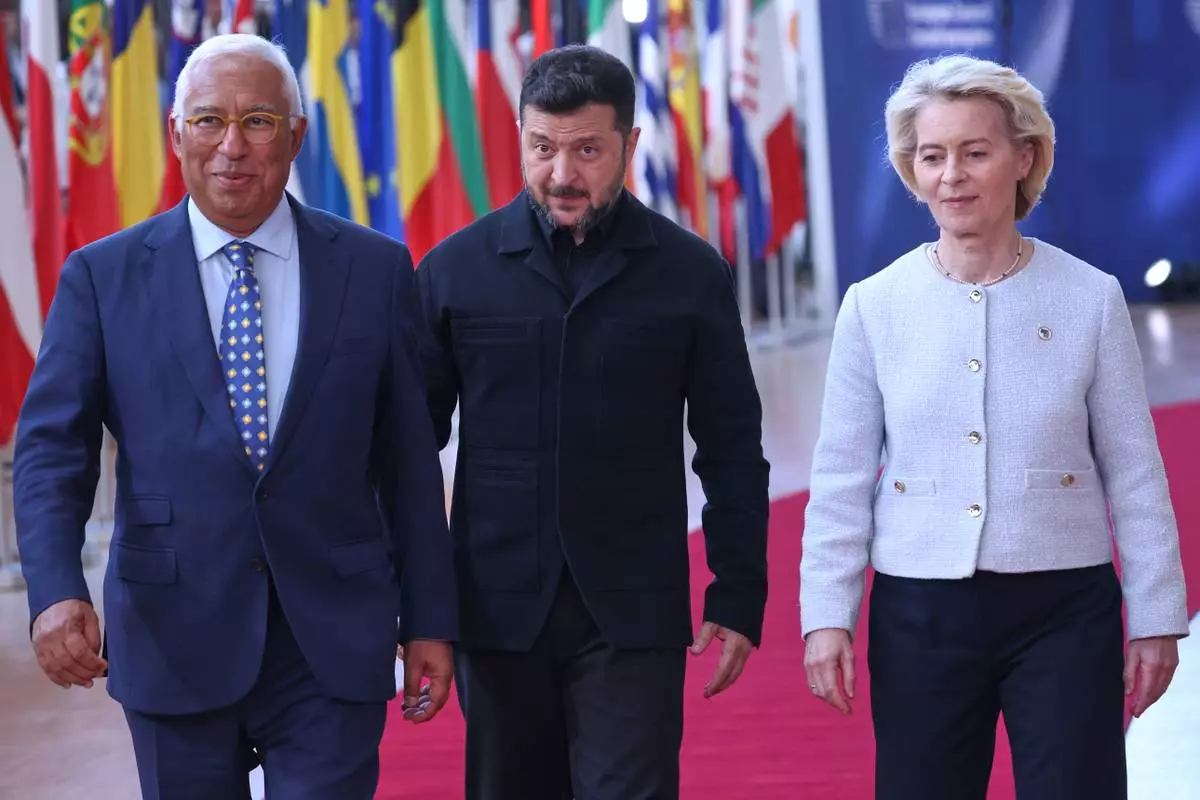
News of the moves came as EU leaders met in Brussels for their summer summit, where Ukraine was high on the agenda. President Volodymyr Zelenskyy was expected to address the 27 leaders, who are seeking closer ties with Kyiv.

Leaders of EU countries in the Baltics expressed skepticism about the initiative.

"There has to be someone on the other side willing for peace,'' Latvia’s new Prime Minister Andris Kulbergs said. Otherwise, "there's no point for contact.''

Luxemburg's Prime Minister Luc Frieden said that if Europe wants a voice in Ukraine's future, "at some point in time, yes, we need to sit at the table.”

The EU leaders overwhelmingly urged support for Ukraine as they arrived for the summit. On Monday, Ukraine officially opened negotiations to join the EU, launching a process that will require its government to commit to years of political reforms even as it fights the Russian invasion.

The EU outreach to Russia also closely follows this week's meeting of the world's seven leading industrialized nations in the French spa town of Evian-Les-Bains, where Europeans managed to get Trump to join G7 leaders in offering “unwavering support for Ukraine.”

Zelenskyy said his country won key pledges of further support from world leaders attending the G7 summit in France, including the United States.

Corder reported from The Hague, Netherlands.

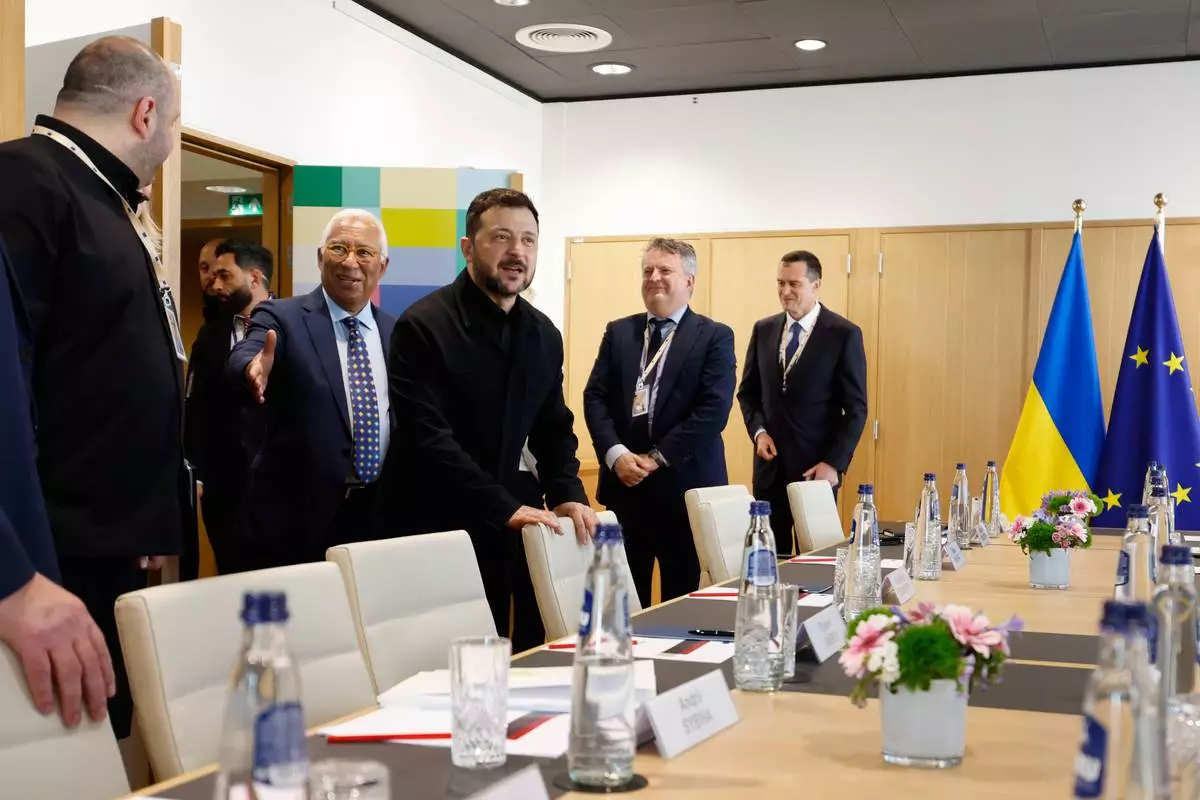
European Council President Antonio Costa, center, prepares to greet Ukraine's Chief of National Security Rustem Umerov, second left, and Ukraine's President Volodymyr Zelenskyy, center, during a meeting on the sidelines of the EU summit in Brussels, Thursday, June 18, 2026. (AP Photo/Geert Vanden Wijngaert, Pool)

European Council President Antonio Costa, center, prepares to greet Ukraine's Chief of National Security Rustem Umerov, second left, and Ukraine's President Volodymyr Zelenskyy, center, during a meeting on the sidelines of the EU summit in Brussels, Thursday, June 18, 2026. (AP Photo/Geert Vanden Wijngaert, Pool)

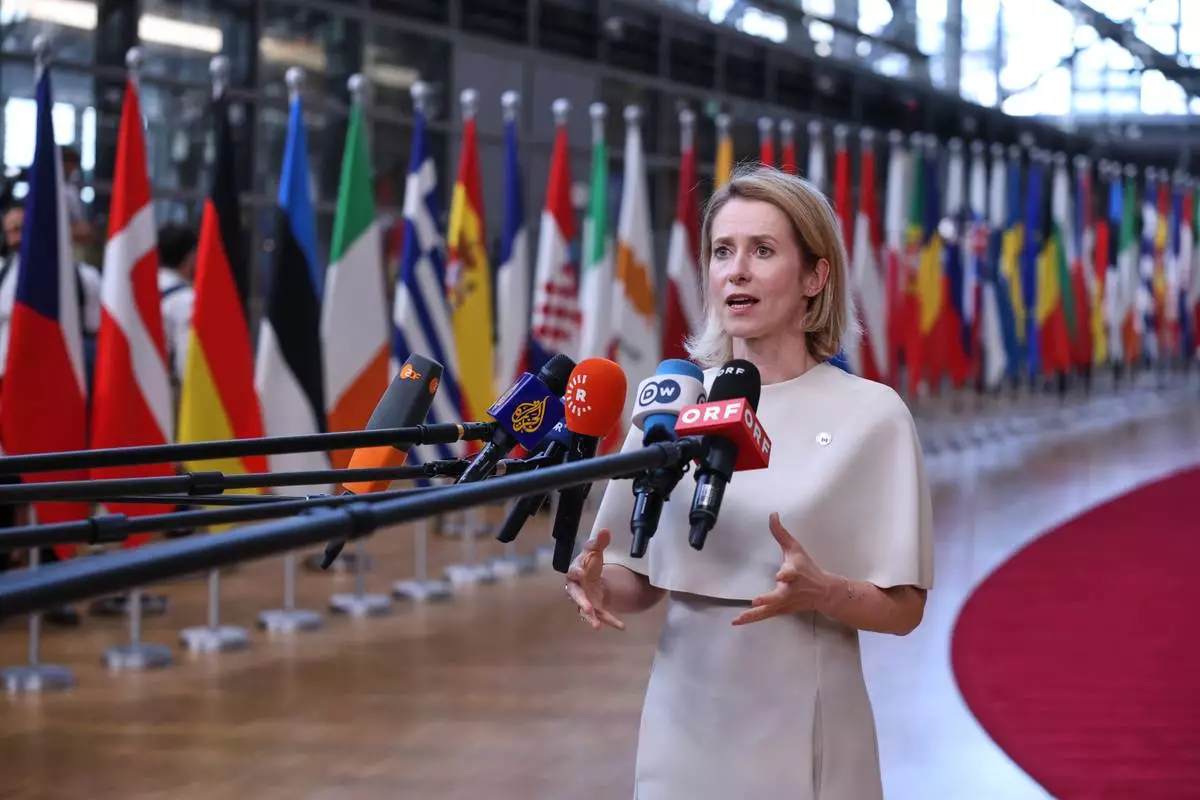
European Union foreign policy chief Kaja Kallas talks to journalists as she arrives for the EU summit in Brussels, Thursday, June 18, 2026. (AP Photo/Omar Havana)

European Union foreign policy chief Kaja Kallas talks to journalists as she arrives for the EU summit in Brussels, Thursday, June 18, 2026. (AP Photo/Omar Havana)

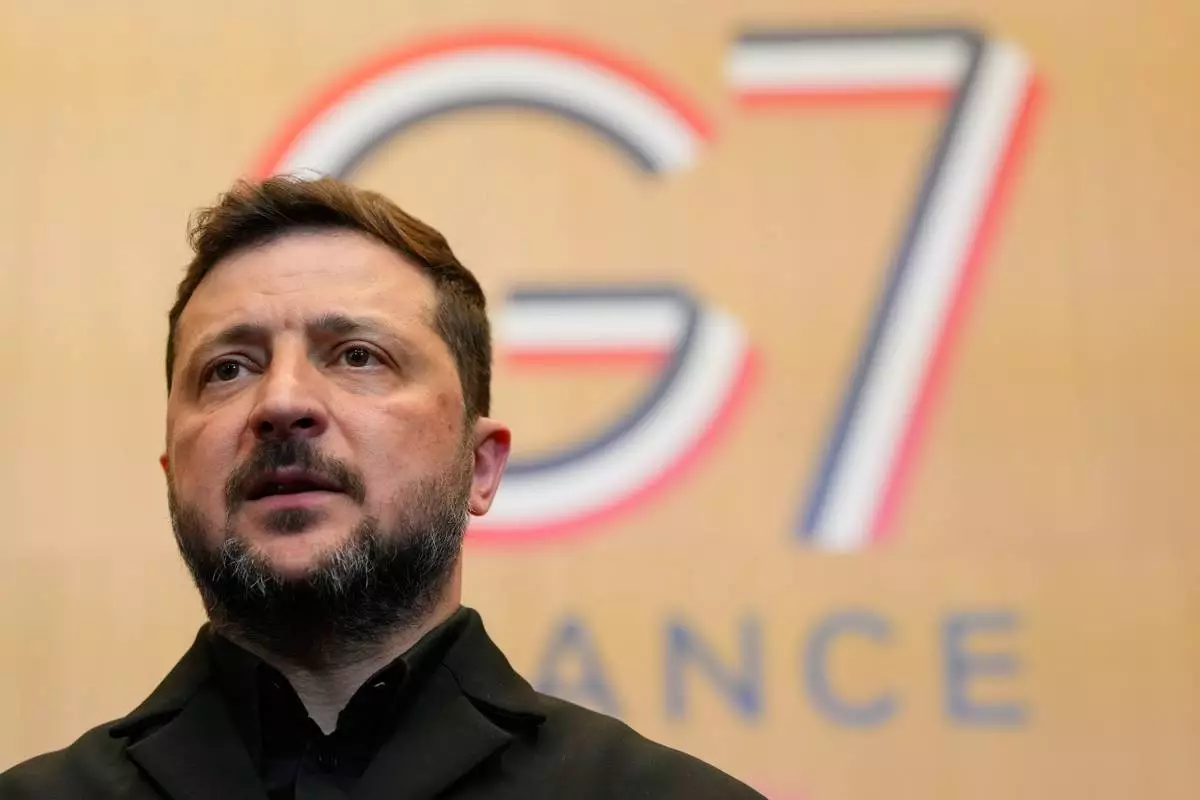
Ukrainian President Volodymyr Zelenskyy attends the G7 summit in Evian-les-Bains, France, Tuesday, June 16, 2026. (AP Photo/Vadim Ghirda)

Ukrainian President Volodymyr Zelenskyy attends the G7 summit in Evian-les-Bains, France, Tuesday, June 16, 2026. (AP Photo/Vadim Ghirda)

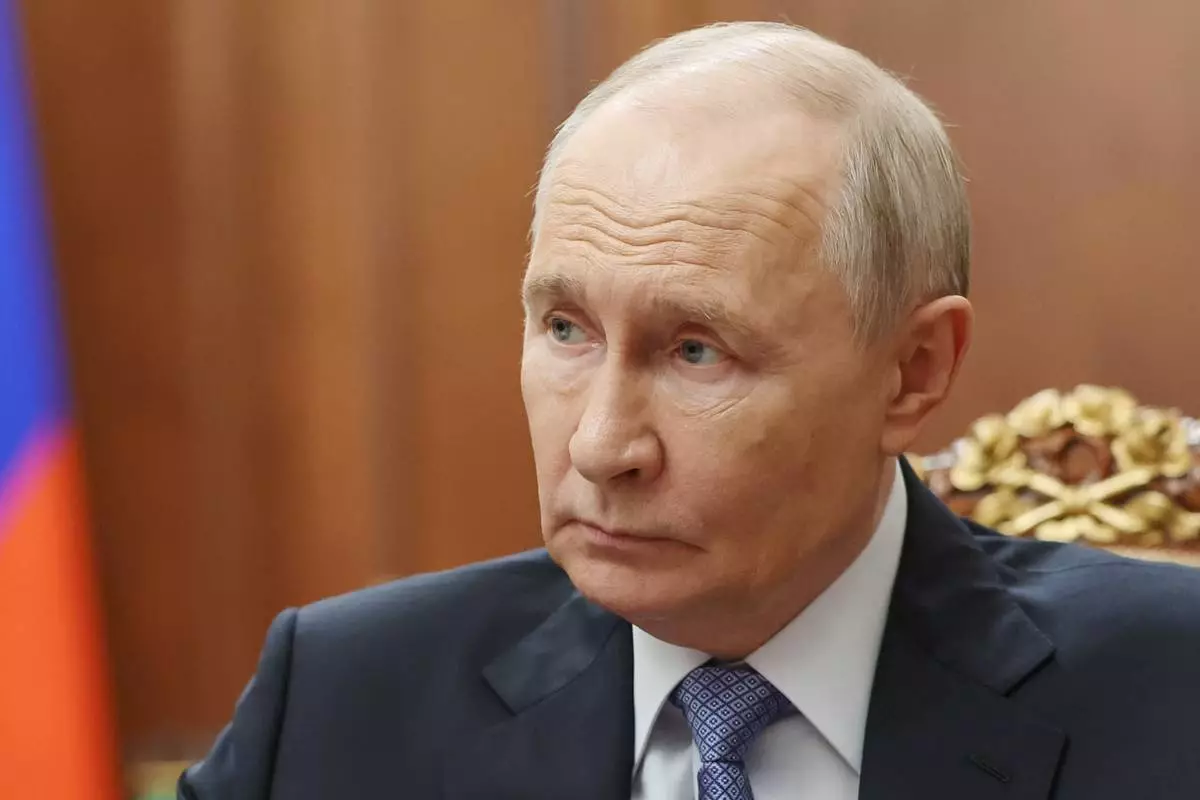
Russian President Vladimir Putin speaks with Sergei Menyailo, the North Ossetia-Alania Republic Head, during their meeting at the Kremlin in Moscow, Tuesday, June 16, 2026. (Vyacheslav Prokofyev, Sputnik, Kremlin Pool Photo via AP)

Russian President Vladimir Putin speaks with Sergei Menyailo, the North Ossetia-Alania Republic Head, during their meeting at the Kremlin in Moscow, Tuesday, June 16, 2026. (Vyacheslav Prokofyev, Sputnik, Kremlin Pool Photo via AP)

From left, European Council President Antonio Costa, Ukraine's President Volodymyr Zelenskyy and European Commission President Ursula von der Leyen arrive for the EU summit in Brussels, Thursday, June 18, 2026. (AP Photo/Omar Havana)

From left, European Council President Antonio Costa, Ukraine's President Volodymyr Zelenskyy and European Commission President Ursula von der Leyen arrive for the EU summit in Brussels, Thursday, June 18, 2026. (AP Photo/Omar Havana)

Recommended Articles