LIMA, Peru (AP) — Peruvian President José María Balcázar announced Thursday that Pope Leo XIV will visit Peru in the first half of November.
Balcázar said after meeting with the pontiff at the Vatican that Leo will travel to Puno, Iquitos, Cusco, Pucallpa, Piura and Chiclayo, where the Pope carried out his pastoral work for nearly a decade. The Chicago-born pope previously lived in Trujillo, on the northwestern coast, and became a Peruvian citizen in 2015.
Click to Gallery
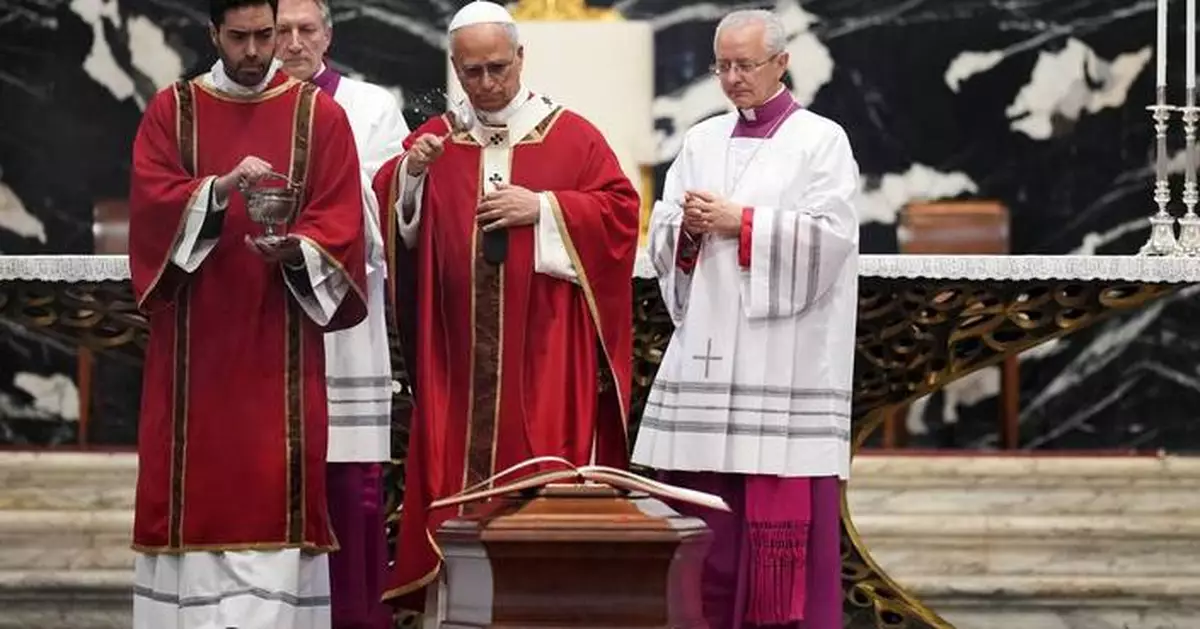
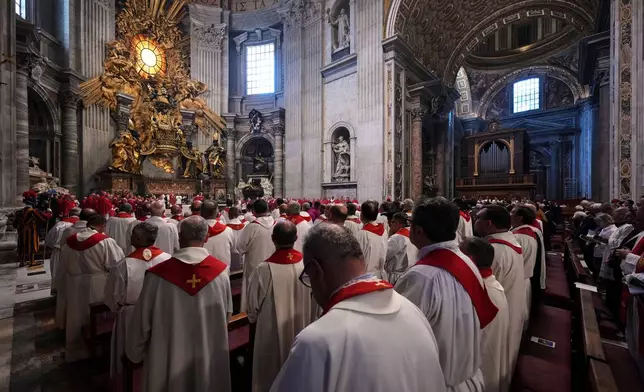
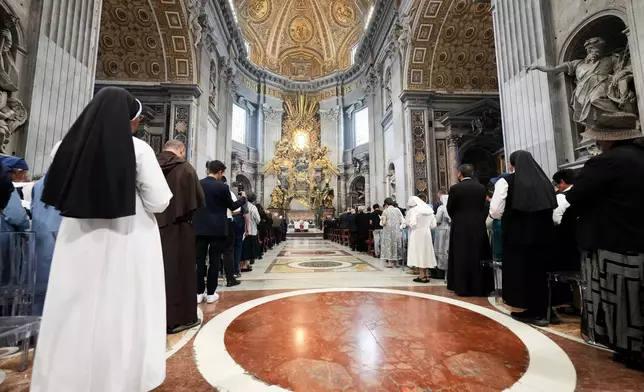
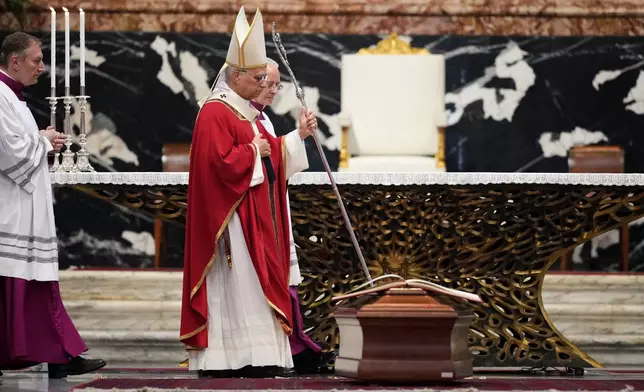
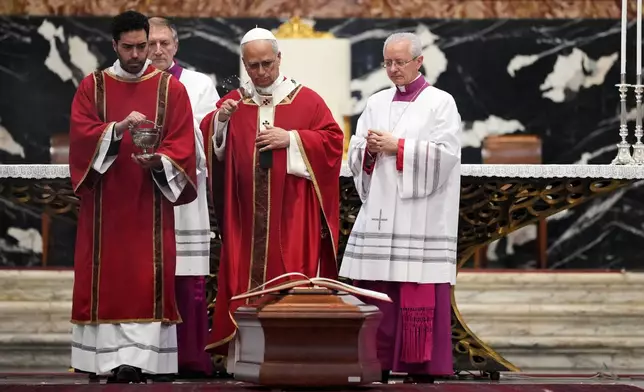
Pope Leo XIV celebrates the funeral service for late Cardinal Camillo Ruini, in St.Peter's Basilica at the Vatican, Thursday, June 18, 2026. (AP Photo/Andrew Medichini)
Pope Leo XIV celebrates the funeral service for late Cardinal Camillo Ruini, in St.Peter's Basilica at the Vatican, Thursday, June 18, 2026. (AP Photo/Andrew Medichini)
Pope Leo XIV celebrates the funeral service for late Cardinal Camillo Ruini, in St.Peter's Basilica at the Vatican, Thursday, June 18, 2026. (AP Photo/Andrew Medichini)
Pope Leo XIV celebrates the funeral service for late Cardinal Camillo Ruini, in St.Peter's Basilica at the Vatican, Thursday, June 18, 2026. (AP Photo/Andrew Medichini)
The president told local radio station RPP that details of the itinerary will be released later due to “religious policy and security reasons.”
The Vatican has not confirmed any upcoming trip, but a visit to Peru with possible stops in other South American countries is widely rumored. Leo himself has expressed his desire to make such a trip.
“Argentina and Uruguay are awaiting the Pope’s visit. I believe Peru would also welcome me with open arms, and if I go to Peru, I would also visit many neighboring countries, but the plan is not yet finalized,” the pontiff told the press in December upon his return from Lebanon.
Chiclayo, 14 kilometers (9 miles) from the Pacific Ocean, is a city with more than 800,000 inhabitants and plays a vital role as a commercial hub on Peru’s northern coast. However, it also faces social problems, and around 20% of its population lives in poverty.
Leo lived there for almost a decade before he left for Rome in 2023 when then-Pope Francis asked him to assume the presidency of the Pontifical Commission for Latin America.
The residents of Chiclayo celebrated with excitement when, in his first words as pontiff, Leo XIV addressed the cheering crowds in St. Peter’s Square in Spanish: “My beloved diocese of Chiclayo, in Peru, where a faithful people have accompanied their bishop and shared their faith.”
AP journalist Nicole Winfield contributed to this report from the Vatican.
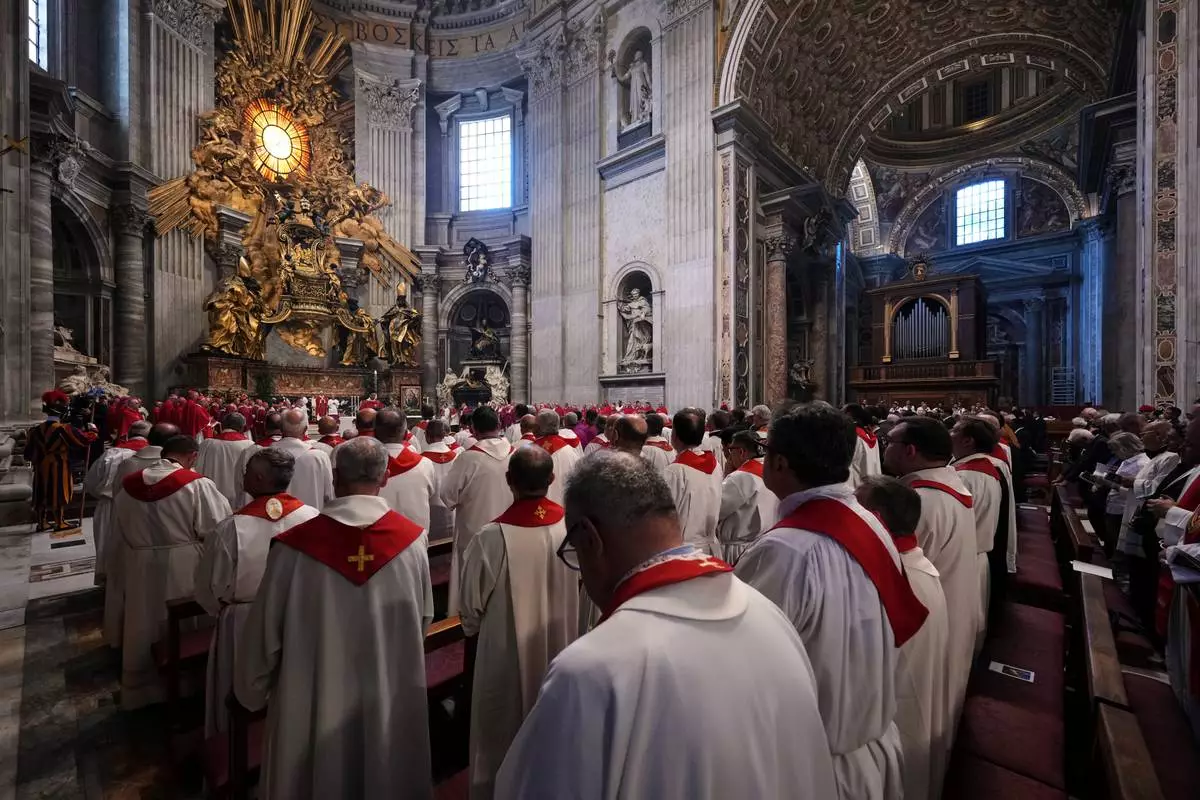
Pope Leo XIV celebrates the funeral service for late Cardinal Camillo Ruini, in St.Peter's Basilica at the Vatican, Thursday, June 18, 2026. (AP Photo/Andrew Medichini)
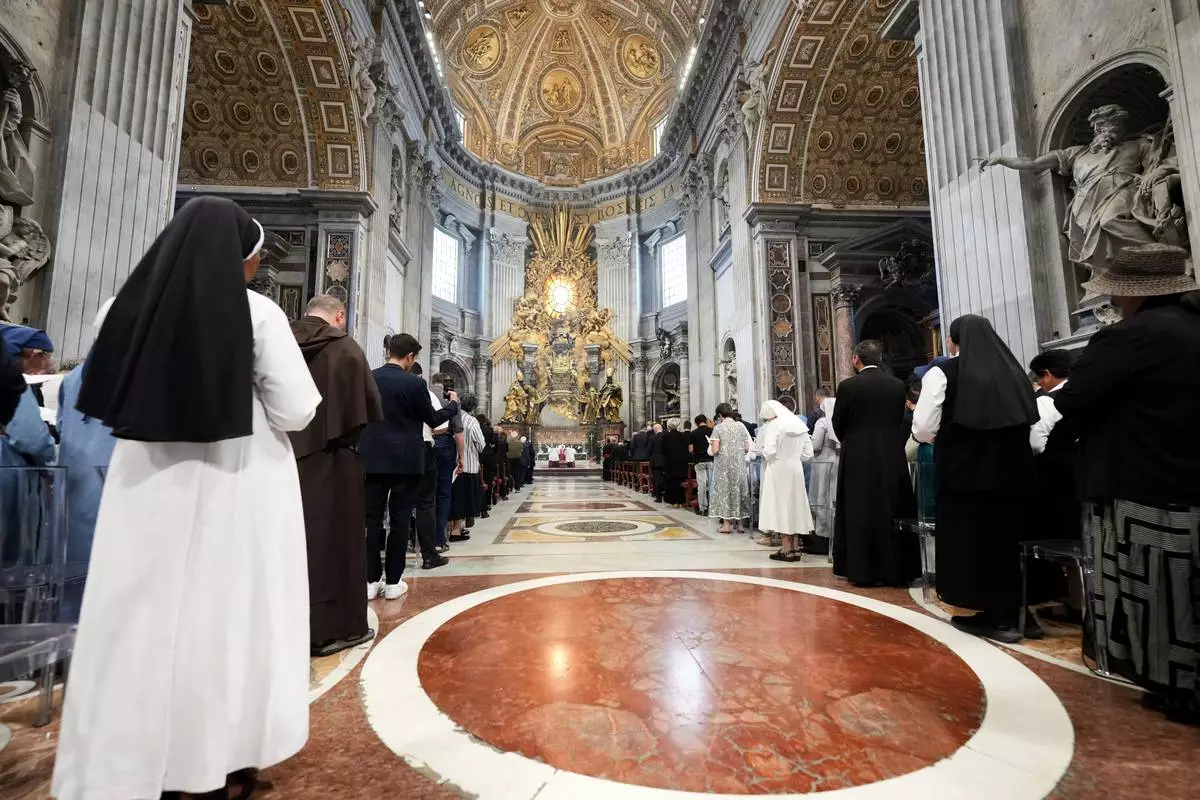
Pope Leo XIV celebrates the funeral service for late Cardinal Camillo Ruini, in St.Peter's Basilica at the Vatican, Thursday, June 18, 2026. (AP Photo/Andrew Medichini)
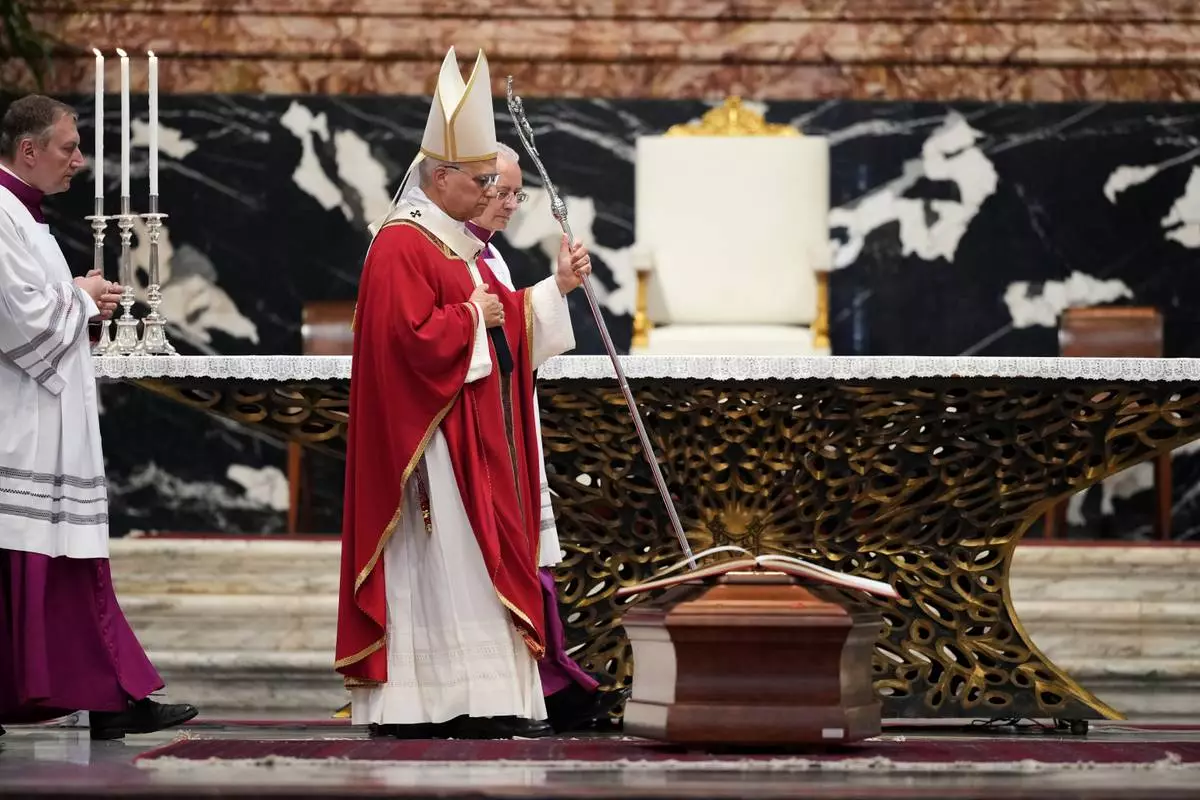
Pope Leo XIV celebrates the funeral service for late Cardinal Camillo Ruini, in St.Peter's Basilica at the Vatican, Thursday, June 18, 2026. (AP Photo/Andrew Medichini)
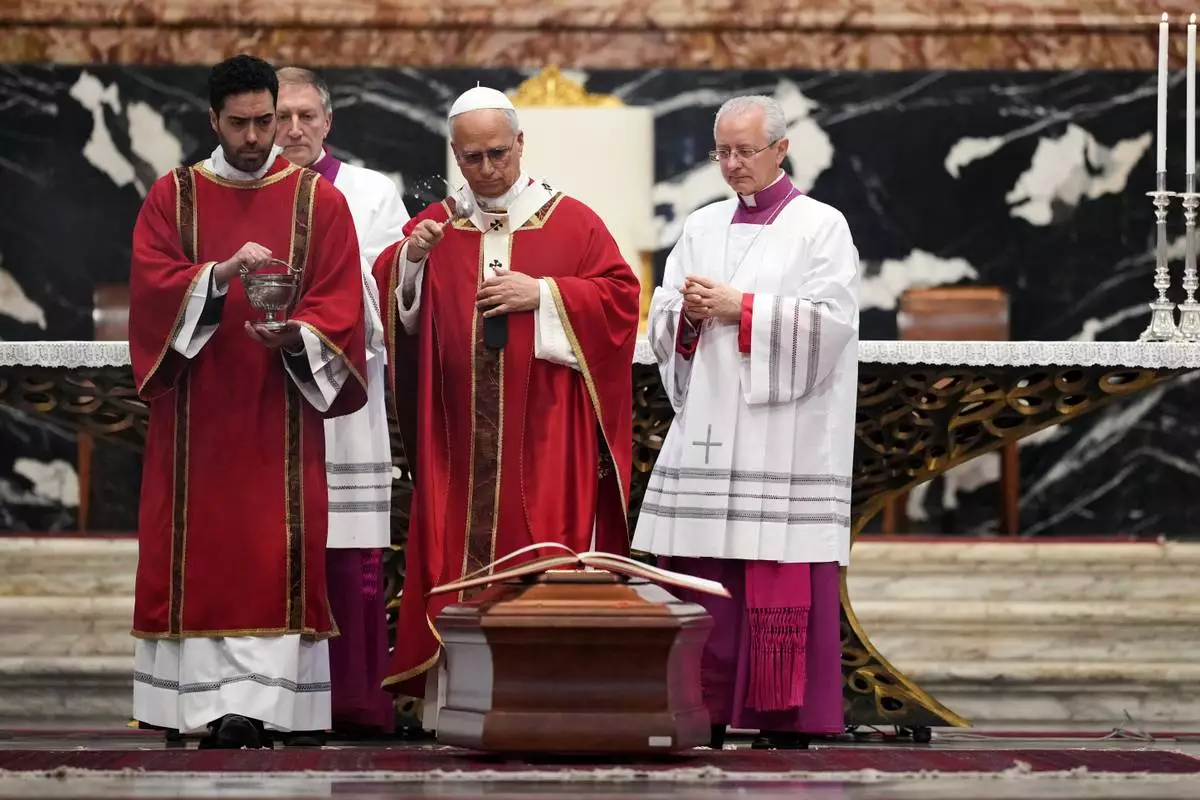
Pope Leo XIV celebrates the funeral service for late Cardinal Camillo Ruini, in St.Peter's Basilica at the Vatican, Thursday, June 18, 2026. (AP Photo/Andrew Medichini)
NEW YORK (AP) — The average U.S. price for a gallon of gas fell below $4 on Thursday, hitting a level not seen since the first full month of the war with Iran and providing a bit of relief to consumers squeezed by soaring costs.
Although the tentative peace deal between the U.S. and Iran and the resumption of oil shipments through the Strait of Hormuz are pushing energy prices downward, the cost of gas is still much higher than before the war began on Feb. 28.
According to motor club AAA, a gallon of regular gasoline averaged $3.999 on Thursday. It was the first time since late March that prices were that low. And the drop aligns with easing crude oil costs overall, with markets expressing optimism in recent weeks about the prospect of a peace deal.
Even with prices dropping, American drivers are collectively paying about $1 more per gallon than they were before the war, and gas is 25% more expensive than it was this time last year. That has caused many households to tighten their budgets and rethink how they want to spend their money.
Research has shown that short-term swings in the cost of gas leads consumers to adjust their driving and wider spending, with some even pulling back on core necessities such as groceries when gas prices get high, said Dylan Brewer, an assistant professor in Georgia Tech’s School of Economics.
If costs continue to fall in the coming weeks, he said, more people may be able to “loosen their belts a little bit.” Businesses that rely on gas and diesel to transport their goods will also benefit, but it could take a few months for that to trickle through the supply chain, Brewer added.
Gas isn't the only thing that's gotten more expensive during the war. Groceries, airline tickets and even condoms and shoes cost more amid global supply chain disruptions. Even if oil and other core necessities such as fertilizer begin flowing from the Middle East again, experts warn that the high costs will likely persist long after the fighting ends.
“Product prices across the United States are projected to keep climbing for the rest of 2026," Pat Penfield, a professor of supply chain practice at Syracuse University, said Thursday.
Penfield pointed to depleted inventories and supply chain problems caused by the war, noting that farmers, for example, had to pay more for fertilizer and other supplies this spring, which will “ripple through to increased food prices by autumn.” At the gas pump, meanwhile, limited refinery capacity in the U.S. “remains a significant bottleneck” toward bringing down prices further, he said.
Steep fuel costs have already pushed U.S. inflation to its highest level in three years. And many consumers are still paying much more than $4 per gallon to fill their tanks.
That price is a national average, with costs varying between states due to factors like proximity to supply and differing tax rates. In California on Thursday, the average price for regular gas was about $5.64, according to AAA. Next costliest was Hawaii, at $5.57. Meanwhile, prices in Indiana and Texas sat at about $3.40 and $3.49 a gallon, respectively.
Recent relief for fuel prices arrived with a drop in costs for crude oil, the main ingredient in gasoline.
Brent crude, the international standard, sat under $80 per barrel Thursday. And U.S. benchmark crude tumbled to below $76 per barrel. That's still a little higher than the roughly $70 price tag before the war, but far below the $100-plus price from just a few weeks ago.
Prices fell overnight Wednesday into Thursday after President Donald Trump signed the tentative agreement with Iran. It calls for Tehran to dilute its stockpile of highly enriched uranium and, in a significant concession from Washington, waives U.S.-backed sanctions on the country, immediately allowing Iran to sell its oil freely.
Major ship owners have also begun moving vessels through the Strait of Hormuz since the memorandum of understanding was signed Wednesday, according to maritime data from Lloyd’s List Intelligence, although some reported that only more limited side routes were open. And U.S. Vice President JD Vance said Thursday that the U.S. Navy has lifted its own blockade to allow some transit to and from Iranian ports.
Still, it could take weeks or months for traffic to return to prewar levels. Before the war, the strait carried a fifth of the world’s crude oil. And Gulf oil producers that throttled back production will need time to get the oil moving again.
Some ship captains may take their time to determine if the passage is safe. The agreement between the U.S. and Iran calls for a permanent end to hostilities and starts a 60-day negotiating clock to reach a final deal on the future of Iran’s nuclear program, though Trump left the door open to resume attacks.
Refineries also typically pay for crude oil a month or more in advance, so even after oil prices drop, they won’t immediately be processing cheaper products. Energy shocks have been even starker in places that rely more heavily on imports from the Middle East — notably countries across Asia and Africa.
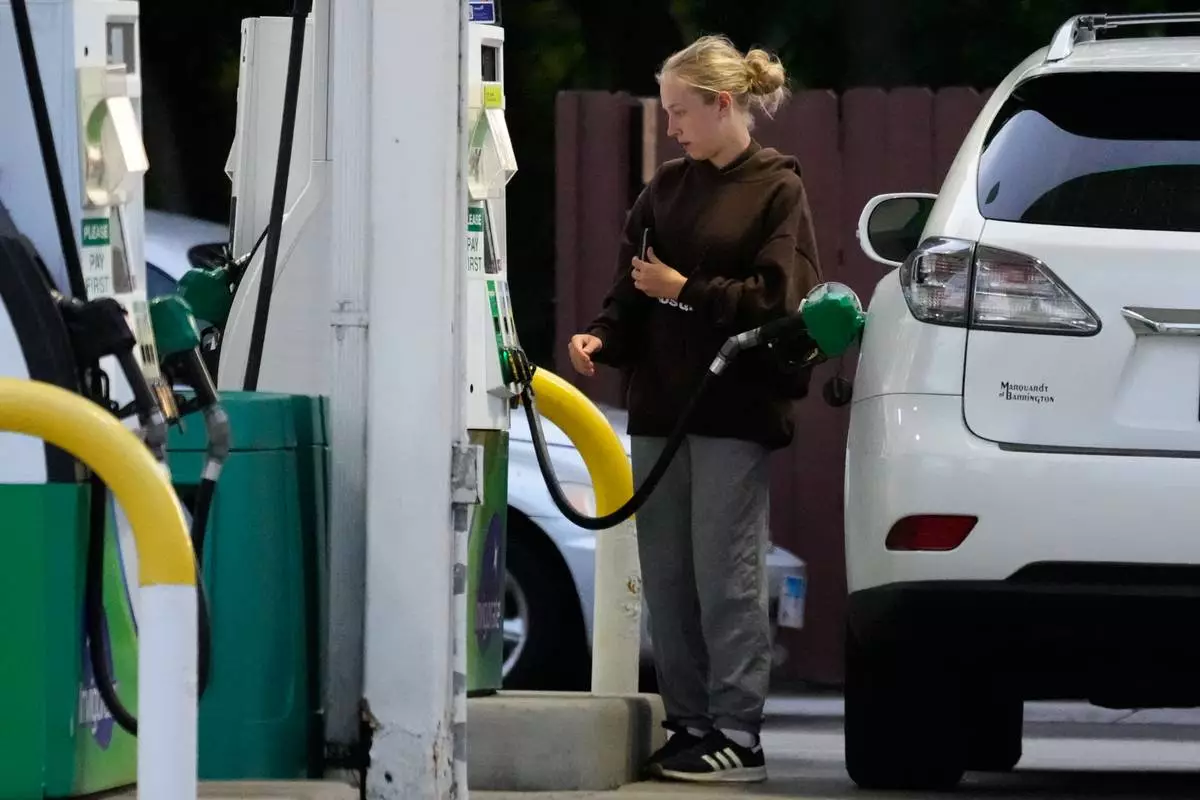
Customer checks gas price before she fills up her vehicle's tank at a gas station in Lincolnshire, Ill., Monday, June 8, 2026. (AP Photo/Nam Y. Huh)
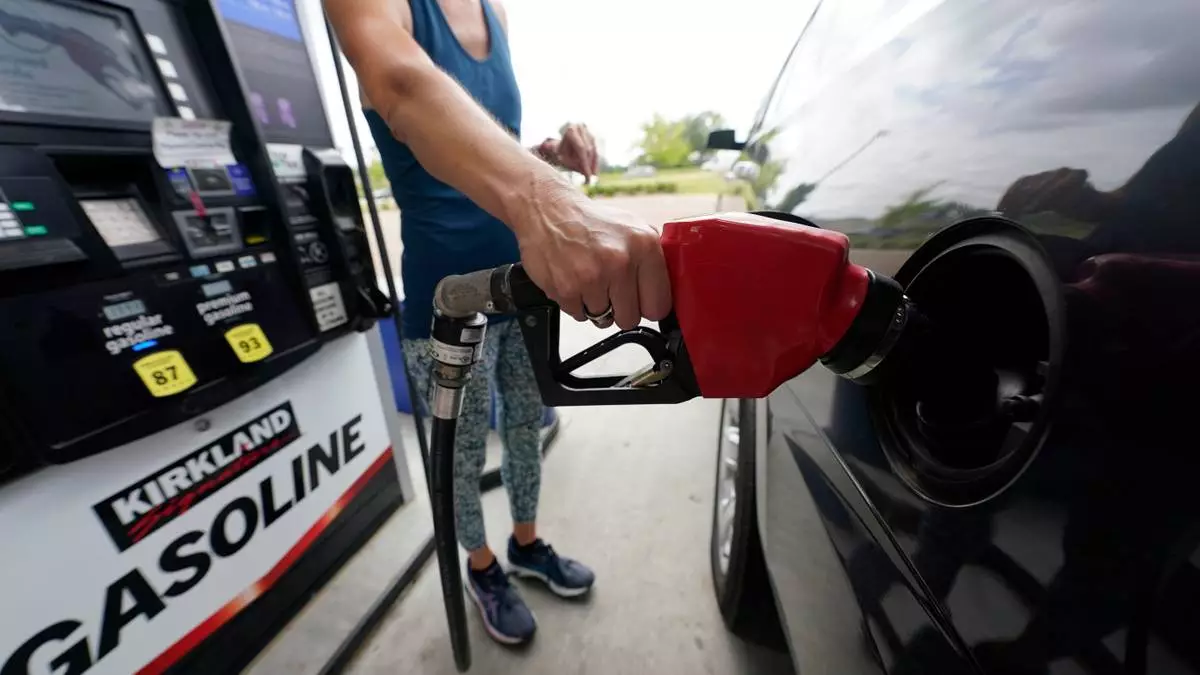
FILE - A customer readies to pump gas at this Ridgeland, Miss., Costco, Tuesday, May 24, 2022. s. (AP Photo/Rogelio V. Solis, File)