SEATTLE (AP) — Cristian Roldan is familiar with how loud Lumen Field can get.
The U.S. midfielder has played for the Seattle Sounders since 2015, getting plenty of love from fans in this soccer-crazed Pacific Northwest city.
Click to Gallery
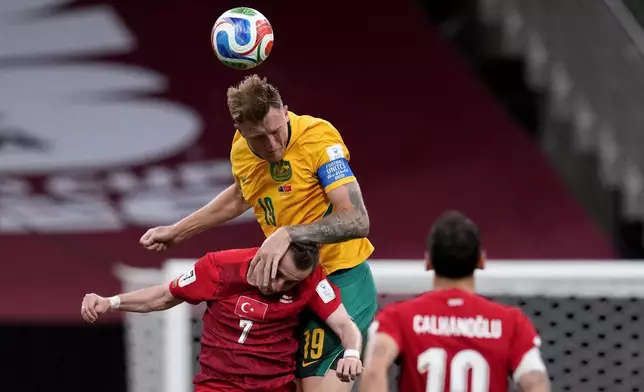
Australia's Harry Souttar center, challenges for the ball with Turkey's Muhammed Kerem Akturkoglu, during the World Cup Group D soccer match between Australia and Turkey in Vancouver, Canada, Saturday, June 13, 2026. (Ethan Cairns/The Canadian Press via AP)
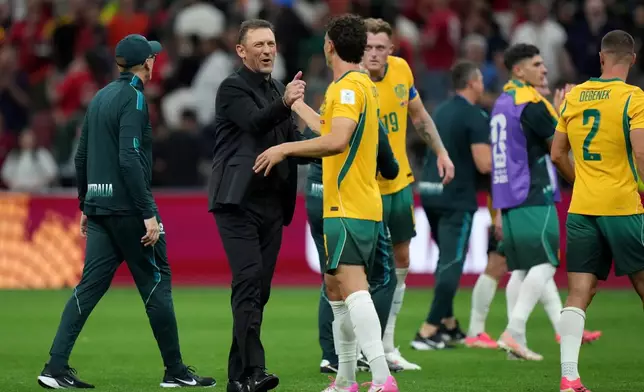
Australia's Tony Popovic, second left and Australia's Alessandro Circati celebrate following the World Cup Group D soccer match between Australia and Turkey in Vancouver, Canada, Saturday, June 13, 2026. (Darryl Dyck/The Canadian Press via AP)
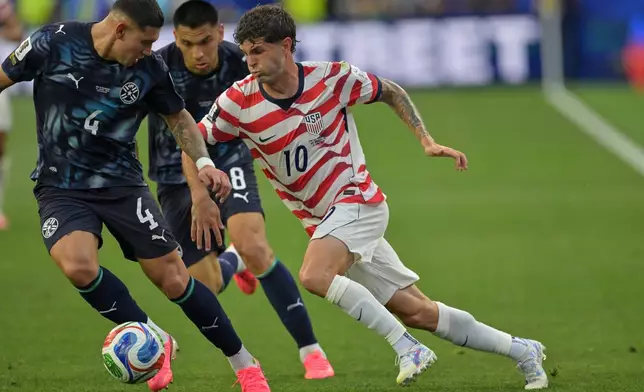
United States' Christian Pulisic (10) runs with the ball during the World Cup Group D soccer match between the United States and Paraguay in Inglewood, Calif., near Los Angeles, Friday, June 12, 2026. (AP Photo/Jayne Kamin-Oncea)
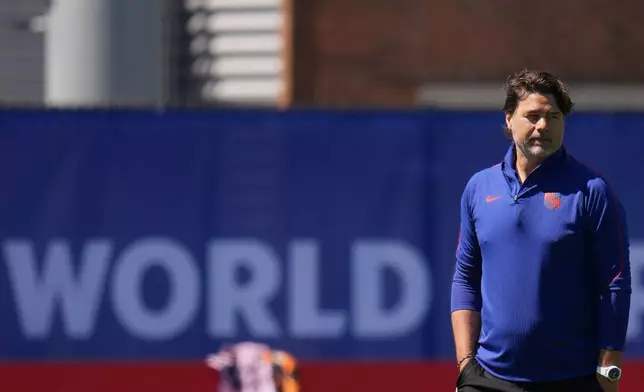
United States head coach Mauricio Pochettino takes part in a training session ahead of the team's World Cup Group D soccer match against Australia in Seattle, Thursday, June 18, 2026. (AP Photo/Manu Fernandez)
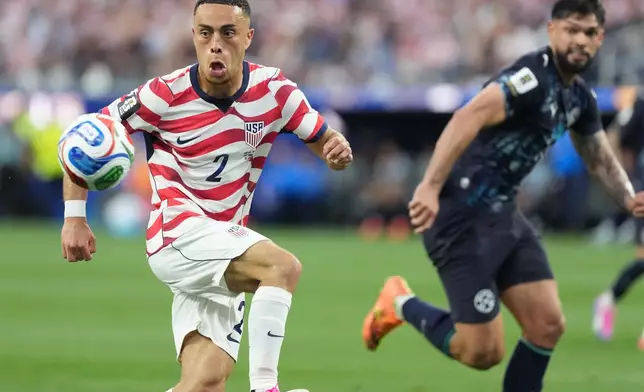
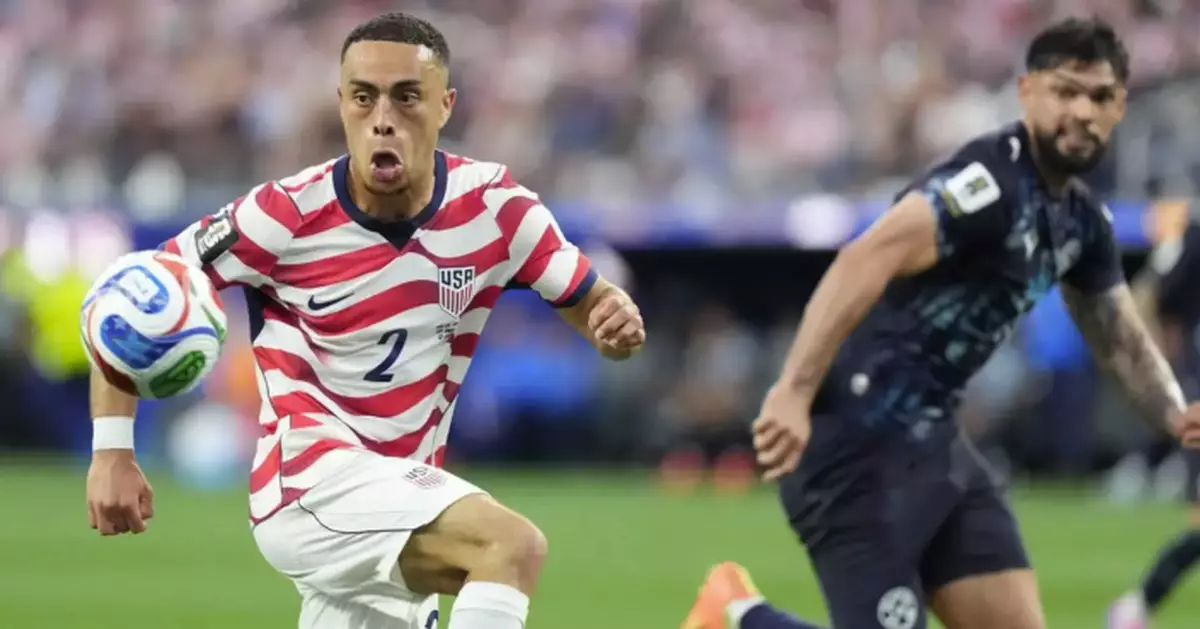
United States' Sergino Dest, left, controls a ball next to Paraguay's Omar Alderete during the World Cup Group D soccer match in Inglewood, Calif., near Los Angeles, Friday, June 12, 2026. (AP Photo/Jae C. Hong)
With the Americans coming off a 4-1 victory over Paraguay in their World Cup opener in Southern California, Roldan is expecting a charged atmosphere on Friday when the Americans face Australia at the home of the NFL's Seattle Seahawks.
“I fully expect this crowd to be extremely loud. And, they’re going to energize our group,” Roldan said. “This is one of the loudest stadiums in the world when you think about Seahawks games or Sounders games.
“Just seeing the Belgium game against Egypt and how the atmosphere was there, I fully expect the city of Seattle to come out and show out, and I think the guys are going to feel that type of energy.”
The Americans want to reward their supporters and justify the wave of momentum that is building around the team.
“What excites me is that the entire world, the entire nation is behind us,” Roldan said. “I think that they enjoyed watching us play, and at the end of the day what we want to do is inspire and motivate the next generation. ... We have to build off it, and that’s the truth. We can’t just talk about it: We have to show out against Australia.”
The Americans' excitement is somewhat tempered by concerns about their biggest star. Christian Pulisic trained apart from his teammates on Thursday for the fourth straight day because of his left calf injury, and coach Mauricio Pochettino said his availability was still up in the air as of Thursday night.
The Socceroos also pose a significant challenge. In October, the U.S. earned a hard-fought 2-1 victory against a physical Australia side in a friendly that Pochettino said was anything but.
Pochettino wants his team to match Australia's intensity.
“I think we need to play on the edge of the line,” Pochettino said, “with not crossing the lines of the rules.”
Australia center back Harry Souttar anticipates the U.S. will try to start fast, much as it did against Paraguay. Coach Tony Popovic's scrappy squad opened with a 2-0 victory over Turkey on Saturday.
“We want to earn our respect,” Popovic said. “We know that by our performances, we can put Australian football on the world map. And, that’s what we aim to do. We started off well against Turkey. Now, we want to back it up.”
AP World Cup: https://apnews.com/fifa-world-cup
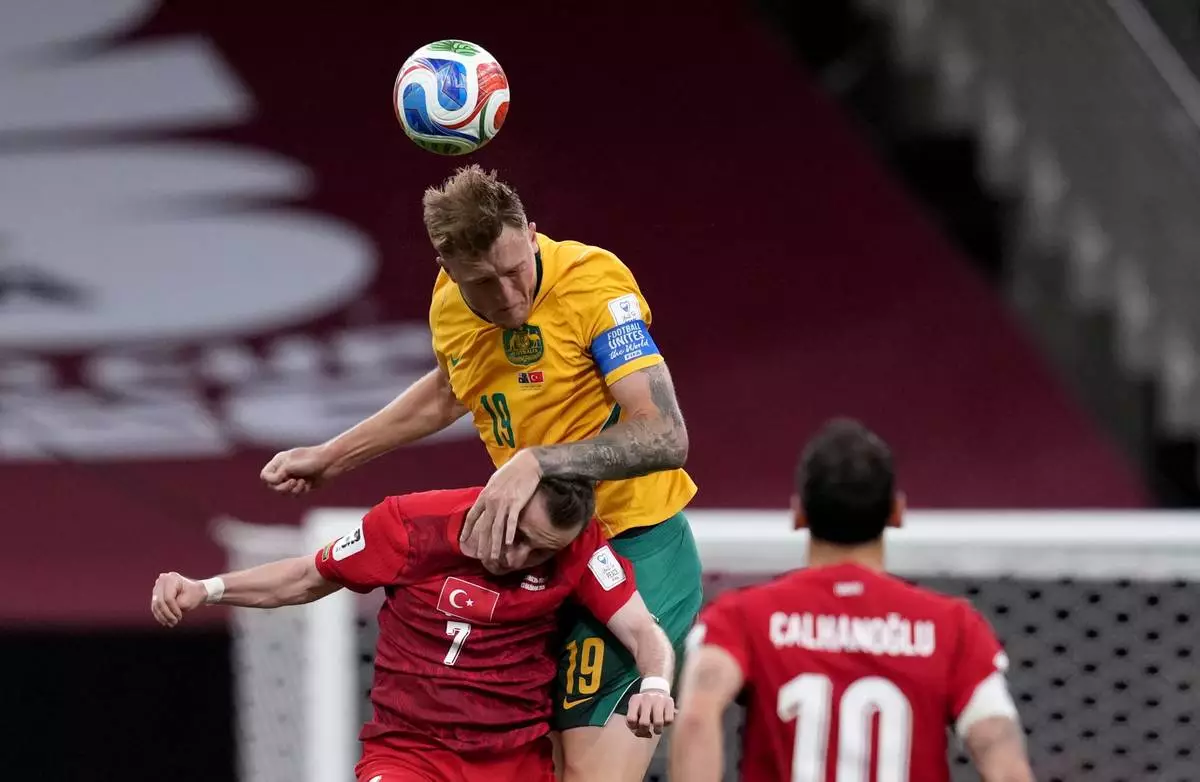
Australia's Harry Souttar center, challenges for the ball with Turkey's Muhammed Kerem Akturkoglu, during the World Cup Group D soccer match between Australia and Turkey in Vancouver, Canada, Saturday, June 13, 2026. (Ethan Cairns/The Canadian Press via AP)
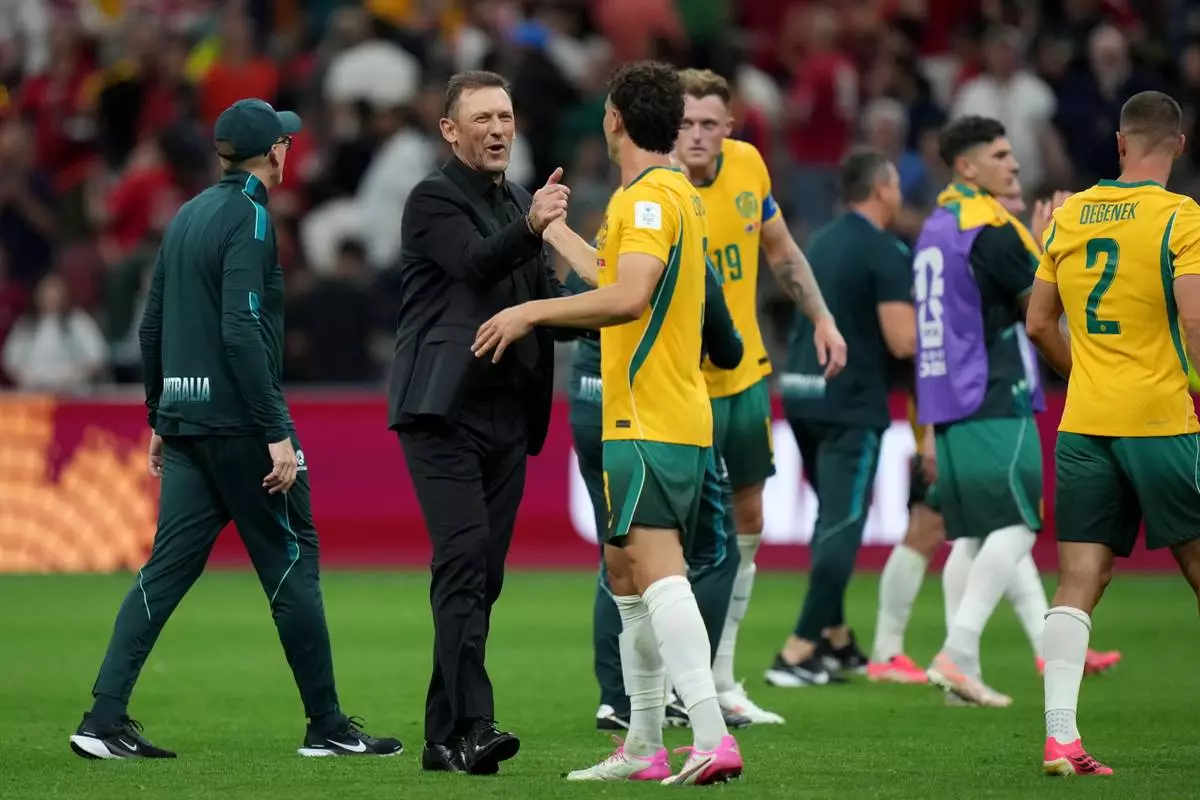
Australia's Tony Popovic, second left and Australia's Alessandro Circati celebrate following the World Cup Group D soccer match between Australia and Turkey in Vancouver, Canada, Saturday, June 13, 2026. (Darryl Dyck/The Canadian Press via AP)
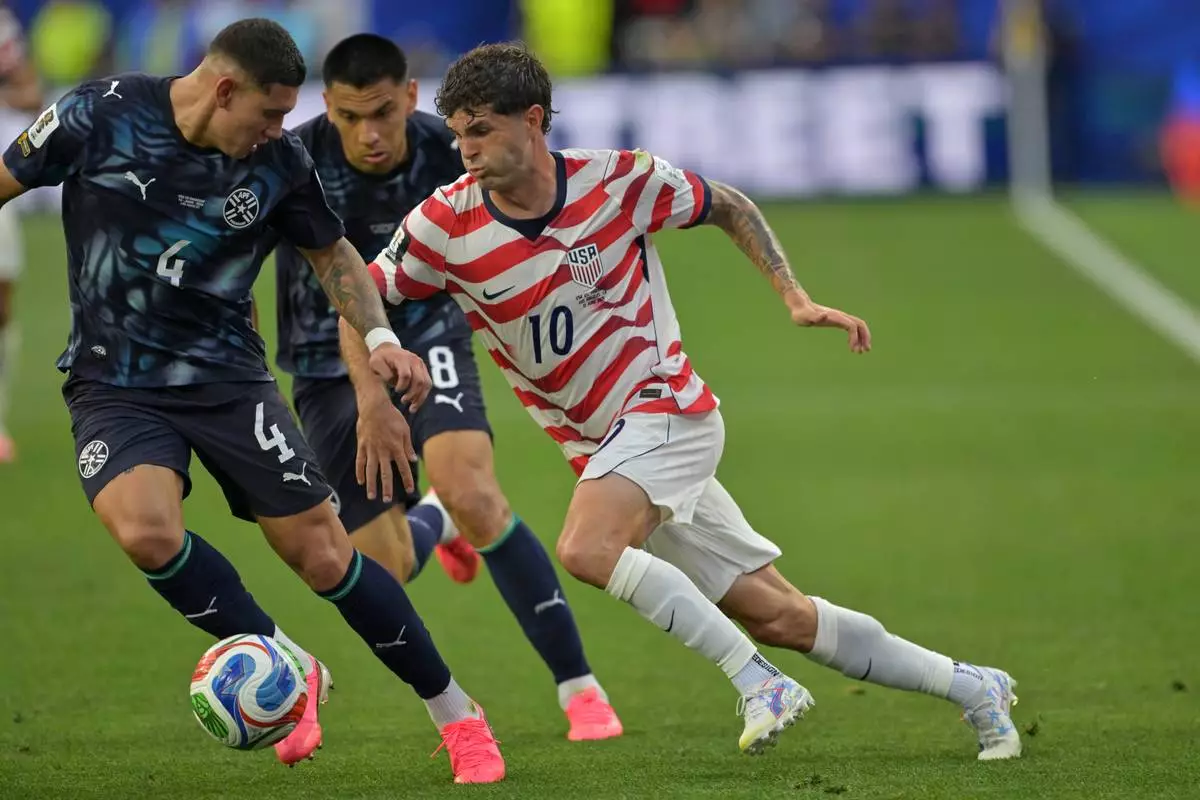
United States' Christian Pulisic (10) runs with the ball during the World Cup Group D soccer match between the United States and Paraguay in Inglewood, Calif., near Los Angeles, Friday, June 12, 2026. (AP Photo/Jayne Kamin-Oncea)
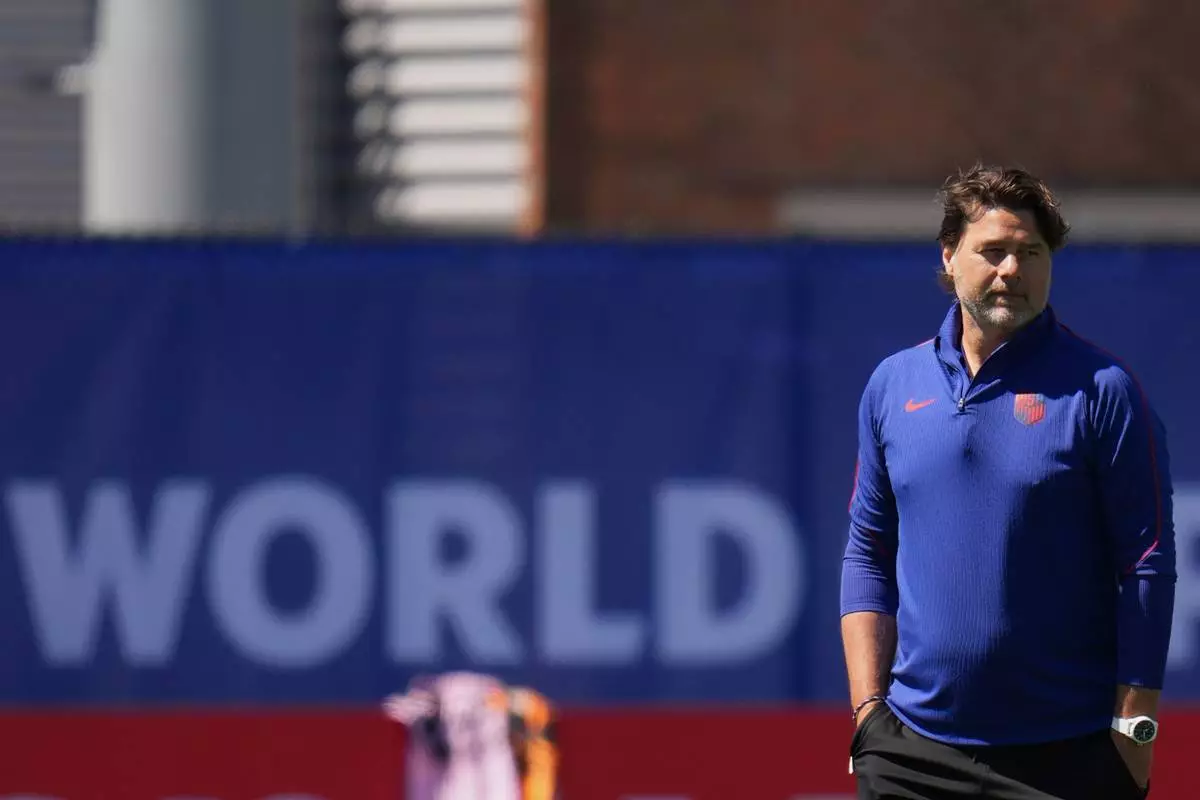
United States head coach Mauricio Pochettino takes part in a training session ahead of the team's World Cup Group D soccer match against Australia in Seattle, Thursday, June 18, 2026. (AP Photo/Manu Fernandez)
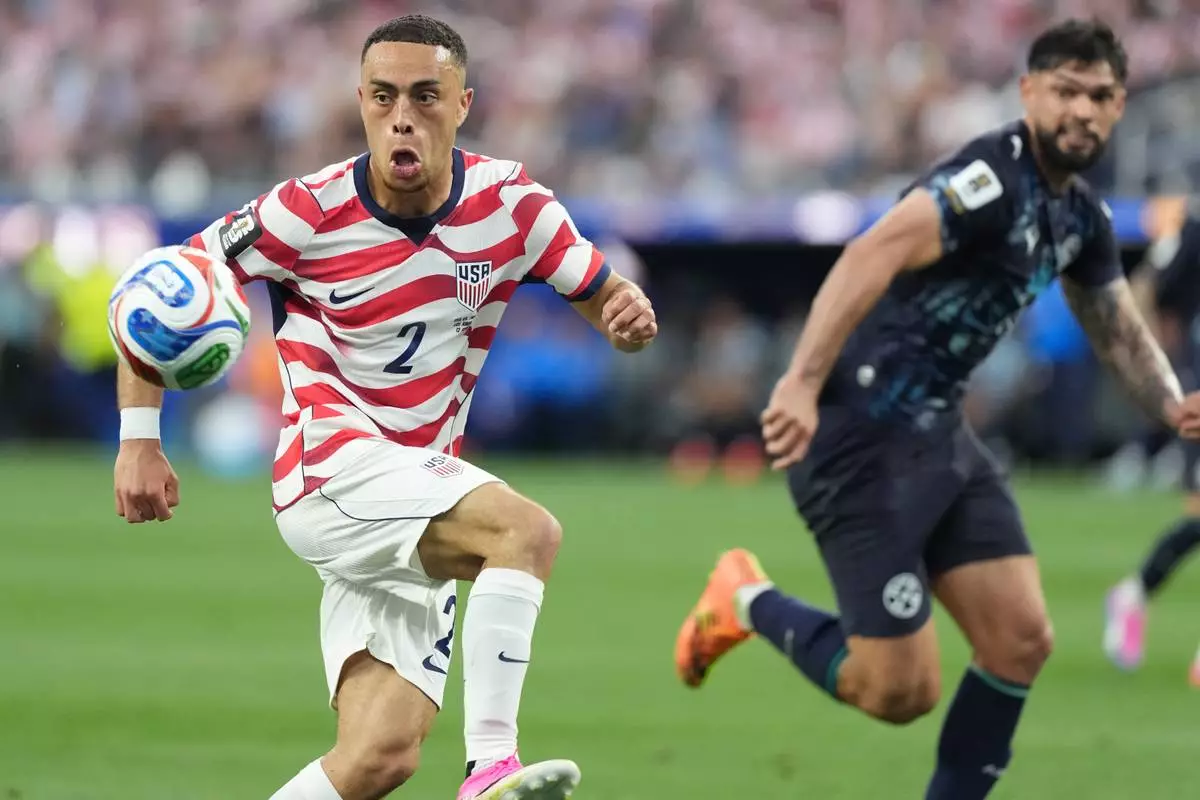
United States' Sergino Dest, left, controls a ball next to Paraguay's Omar Alderete during the World Cup Group D soccer match in Inglewood, Calif., near Los Angeles, Friday, June 12, 2026. (AP Photo/Jae C. Hong)