Local authorities across southern China on Friday reacted swiftly to repair rain-damaged roads and evacuate stranded residents after days of torrential downpours triggered flash floods, landslides and urban waterlogging in multiple regions.
In Longlin Various Nationalities Autonomous County, south China's Guangxi Zhuang Autonomous Region, heavy rain triggered a landslide on a national highway in the early hours of Friday, burying an 80-meter stretch under mud and rocks and cutting off traffic both ways. Local authorities rushed to clear the site and restored two-way traffic by noon.
Persistent rainfall in Luodian County, southwest China's Guizhou Province, triggered slope collapses and blocked roads, with accumulations reaching up to 242 millimeters. By 21:00 Friday, 36 of 92 disrupted roads had reopened, with full restoration expected by Monday.
In Wuhan, central China's Hubei Province, torrential rain over the past few days triggered a red alert, with floodwaters trapping residents in low-lying areas. Firefighters used rubber boats to evacuate stranded residents from flooded residential communities, one of which had water even reaching over one meter deep.
Meanwhile, east China's Jiangsu Province entered its annual plum rain season on Friday, with continuous rain sweeping across the province. Huai'an City issued a yellow rainstorm alert and closed several scenic spots that day. Local authorities activated emergency drainage plans to clear water from low-lying areas and avert urban flooding amid the prolonged downpours.
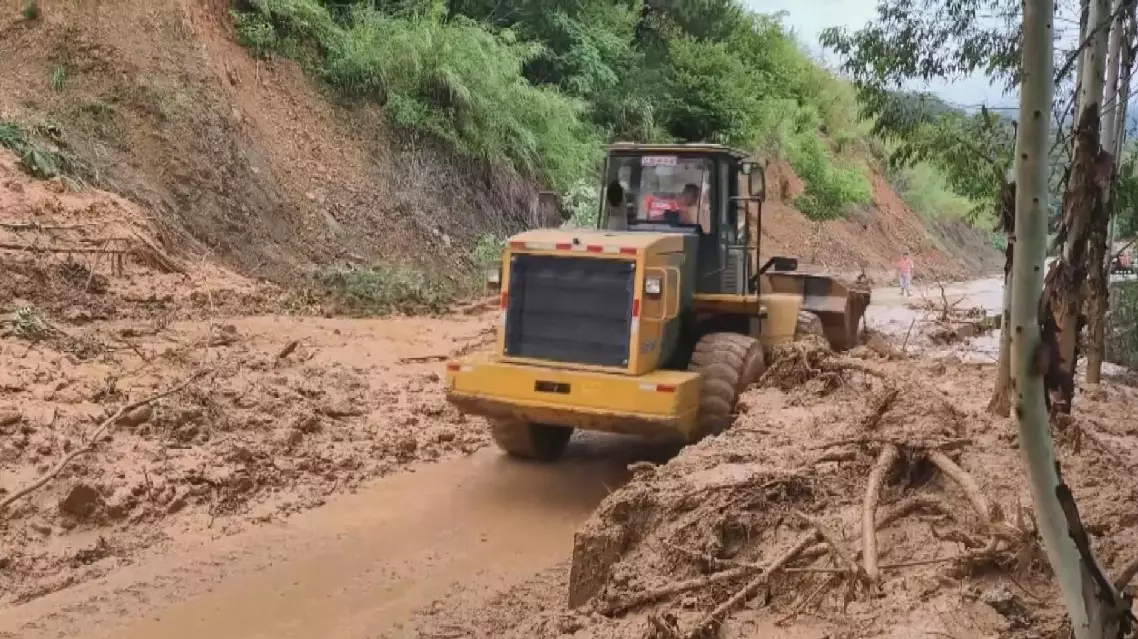
China steps up rescue, relief efforts after heavy downpours in southern regions
Spokesperson for the UN Refugee Agency (UNHCR) Babar Baloch warned that millions of internally displaced persons remain unable to return home due to stalled peace efforts, urging stronger global support as the crisis threatens to affect everyone.
At the end of 2025, 68.7 million people remained internally displaced due to conflict and violence, a 7 percent decrease from the end of 2024, according to the latest Global Trends report published this month.
In an interview with China Global Television Network (CGTN), Baloch referred to two countries in severe situations -- Sudan, which remains the largest internal displacement globally with 9.1 million people still displaced at the end of 2025, and the Democratic Republic of the Congo, which faces severe humanitarian crisis amid both violence and the Ebola outbreak.
Baloch said many displaced people remain near their homes hoping for a quick return, but warned that ongoing conflict and stalled peace efforts often dash those expectations and leave lives in danger.
"The problem is, as this report showed us, that once you become displaced, then it's not easy for people to go back to their places of origin because there are no efforts to bring back peace, or the efforts which continue, they don't bring results. And also if people stay closer to homes, and if there's a conflict, and if there are reasons that they may not become safe, so, also, their lives are in danger," he said.
With few solutions in sight, Baloch warned that the plight of internally displaced persons must become a global concern, as new conflicts continue to erupt and leave millions at risk.
"The trends are consistent in a way that there are not many solutions to be found for these displaced population. And then we see more and new theaters of war and conflict, or opening up. In terms of people when they become displaced, we are telling the world that you need to take care. It should be of everyone's concern because it affects all of us, all around the world alike," he said.
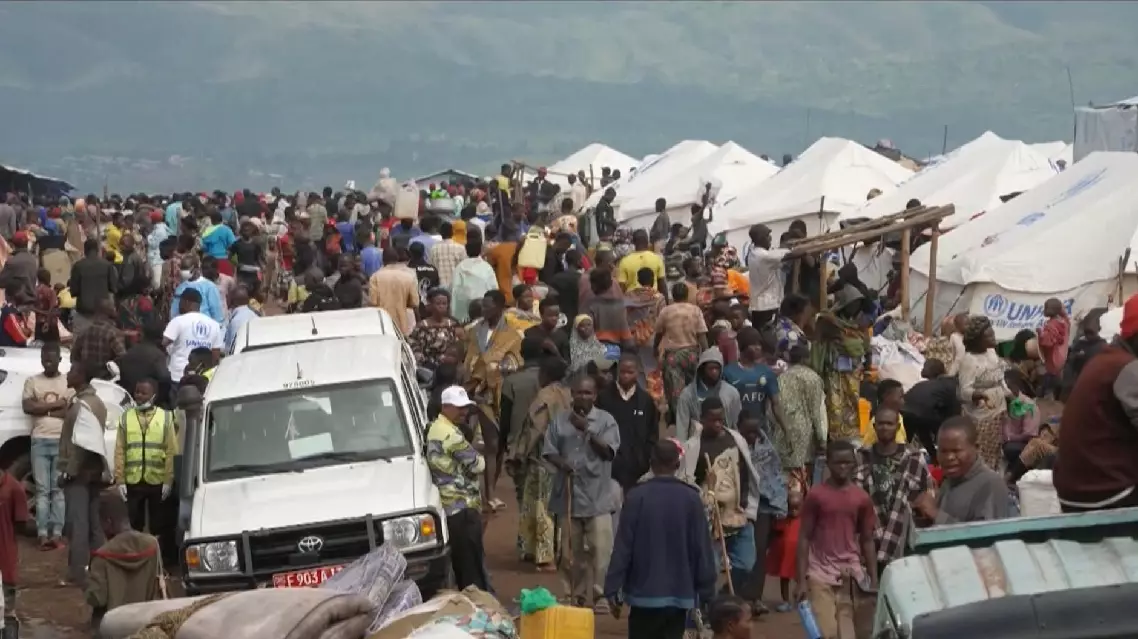
UNHCR warns global displacement crisis puts lives at risk