Experts from China and the United States met in Beijing on Thursday to call for deeper agricultural cooperation, saying stronger ties could help safeguard global food security.
The event, themed "Deepening Agricultural Cooperation, Safeguarding Food Security," covered agricultural trade, supply chains, sustainable development, and new technologies.
Amid climate change and growing supply chain uncertainties, participants stressed that closer cooperation could boost resilience and strengthen food security worldwide.
"We hope the agricultural sectors in China and the U.S. can learn from each other and deepen cooperation. While China imports a large number of agricultural products, including those from the U.S., we also hope to bring more high-quality Chinese agricultural products to global markets. That requires China to continue modernizing and developing its agricultural sector," said Zhang Houyu, president of China Agricultural Risk Management Society.
"China is one of our biggest buyers of soybeans. So, we hope to keep these relations and these ties good. We've been doing this for 44 years over here, and we want to keep those relationships going and the friendships that we've built tied together," said Mike Koehne, board director of the American Soybean Association.
Participants also highlighted the importance of people-to-people exchanges, saying that greater engagement between younger generations could help build trust and create new opportunities for the future.
"We can learn from each other and implement technology better. So the collaboration is important, and that all comes through great relationships and building trust with one another," said U.S. farmer Augustus.
"There's always more room for agricultural cooperation. I think that the U.S. and China can learn a lot from one another. We really need to work together and come together to support our agricultural communities and farmers," said U.S. student Rianne.
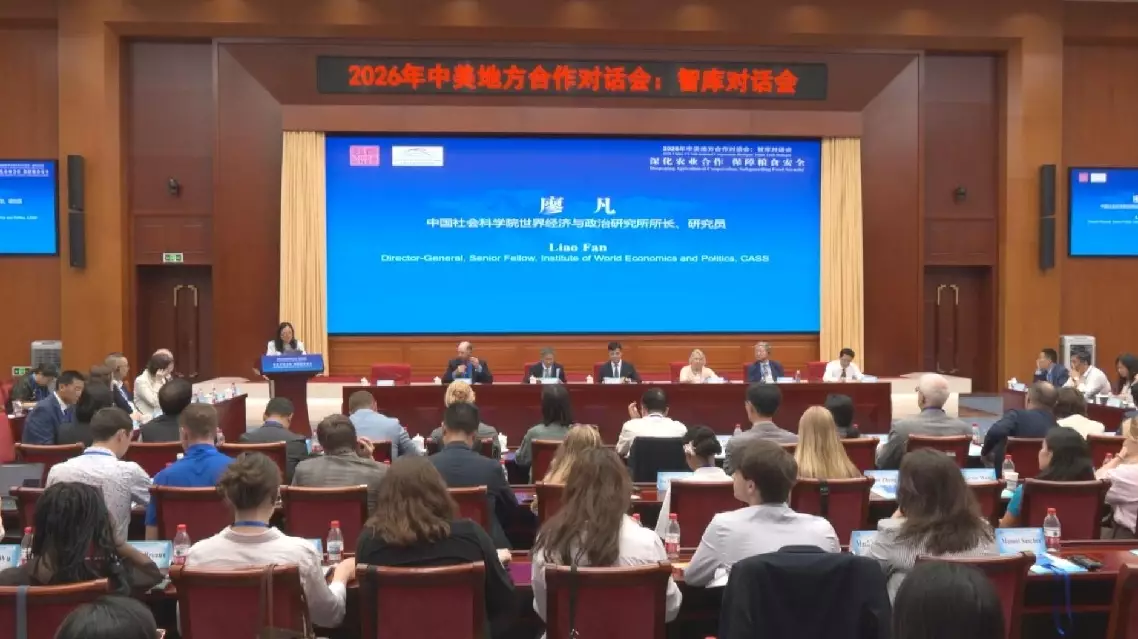
China-US dialogue highlights agricultural cooperation amid global challenges
Spokesperson for the UN Refugee Agency (UNHCR) Babar Baloch warned that millions of internally displaced persons remain unable to return home due to stalled peace efforts, urging stronger global support as the crisis threatens to affect everyone.
At the end of 2025, 68.7 million people remained internally displaced due to conflict and violence, a 7 percent decrease from the end of 2024, according to the latest Global Trends report published this month.
In an interview with China Global Television Network (CGTN), Baloch referred to two countries in severe situations -- Sudan, which remains the largest internal displacement globally with 9.1 million people still displaced at the end of 2025, and the Democratic Republic of the Congo, which faces severe humanitarian crisis amid both violence and the Ebola outbreak.
Baloch said many displaced people remain near their homes hoping for a quick return, but warned that ongoing conflict and stalled peace efforts often dash those expectations and leave lives in danger.
"The problem is, as this report showed us, that once you become displaced, then it's not easy for people to go back to their places of origin because there are no efforts to bring back peace, or the efforts which continue, they don't bring results. And also if people stay closer to homes, and if there's a conflict, and if there are reasons that they may not become safe, so, also, their lives are in danger," he said.
With few solutions in sight, Baloch warned that the plight of internally displaced persons must become a global concern, as new conflicts continue to erupt and leave millions at risk.
"The trends are consistent in a way that there are not many solutions to be found for these displaced population. And then we see more and new theaters of war and conflict, or opening up. In terms of people when they become displaced, we are telling the world that you need to take care. It should be of everyone's concern because it affects all of us, all around the world alike," he said.
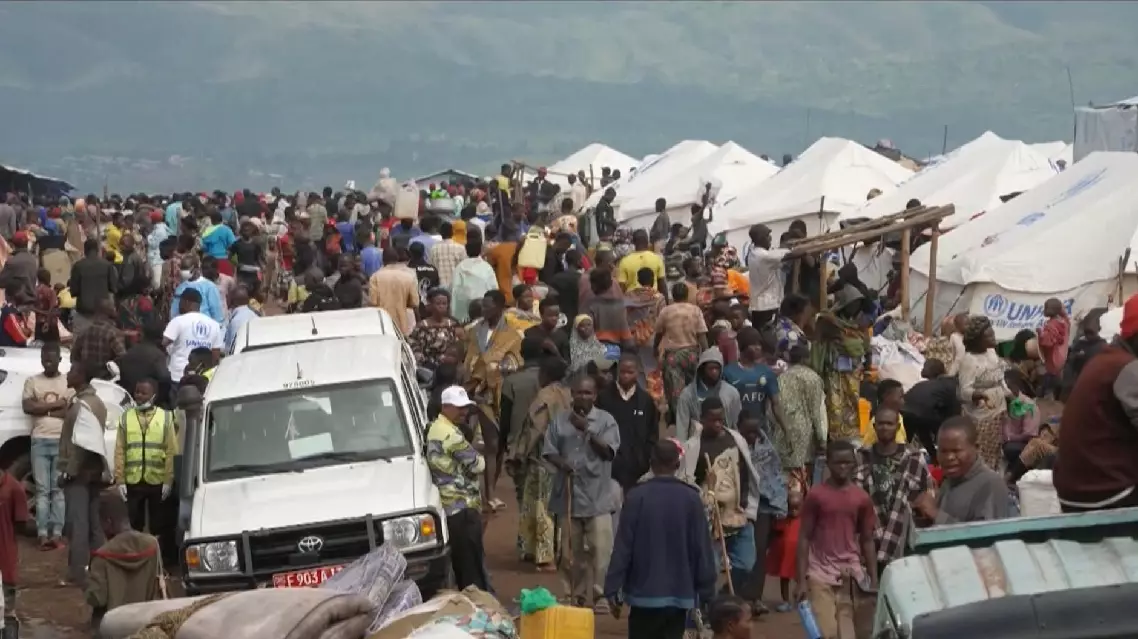
UNHCR warns global displacement crisis puts lives at risk