Organizations supporting Black women and girls across the American South can expect a bit more joy — and more money — this summer following a new round of grants.
The Southern Black Girls and Women’s Consortium will grant $350,000 to two dozen Southern community organizations working in thirteen states. The grants will fund organizations that address acute challenges facing underserved Black women and girls, like maternal health, gender-based violence prevention and educational support.
The funding and tour come at a moment when organizations focused on supporting underserved communities face funding crunches following the Trump administration's crackdown on diversity, equity and inclusion policies.
The administration has invoked civil rights laws traditionally understood to have protected the rights of marginalized communities to investigate or prosecute instances of “anti-white racism” and “illegal DEI” in companies, non-profits and government agencies.
“We’ve seen this retrenchment in philanthropy, and people are not putting resources on the ground,” said Chanceé Lundy, Southern Black Girls’ executive director. “Organizations are struggling, and we want to make sure that people know that we see them. We value the work that we’re doing, and we want to be able to help fill some of the gaps that they are experiencing.”
The grants coincide with the organization’s summer “Joy and Justice” tour, which convenes community building activities, resource drives and festivals in nine cities. Most of the tour stops take place at schools and community centers in majority-Black neighborhoods. One rally will take place at the Virginia Capitol alongside agency leaders promoting diversity in the state's government.
Southern Black Girls has maintained funding from some major corporations and foundations, though Lundy described the efforts to maintain those relationships as “extremely difficult” for most groups in the current political climate, where supporting race and gender conscious organizations may prompt backlash from the federal government.
“We’re being punished for who we are,” said LaTosha Brown, a voting rights activist and co-founder of the organization.
President Donald Trump defeated former Vice President Kamala Harris, the first Black woman presidential nominee of a major party. About 9 in 10 Black women backed Harris for the presidency, according to a survey of voters by AP VoteCast. Brown said that Black women’s longstanding participation in liberal politics made them a “target” in the current political climate.
“We have always been anchored, particularly in the social justice movements of this country, and I don’t think that that’s any different now. I think in many ways it has been exacerbated, just given the environment,” said Brown.
Both Brown and Lundy noted that Black women have always faced discrimination and marginalization in the South despite being integral to the region's economy and culture. Lundy recalled stories of past generations of Black women who raised the children of white families that upheld Jim Crow policies that underfunded schools, restricted voting and enabled political violence against Black communities.
“You have to have a deep, deep sense of humanity to be able to do that,” said Lundy. She said that the tour was part of promoting Black women's place in the country's history and future as the U.S. prepares to celebrate its 250th anniversary. “We've kept our humanity intact through it all, and I think this moment requires that.”
Lundy said she hoped the tour and grants would enable Black girls to reach their full potential.
“You matter now in this moment,” Lundy said was her “joyful” message to young Black girls. “And you’re not a victim. You are actually the solution, that you are the antidote to what is happening right now.”
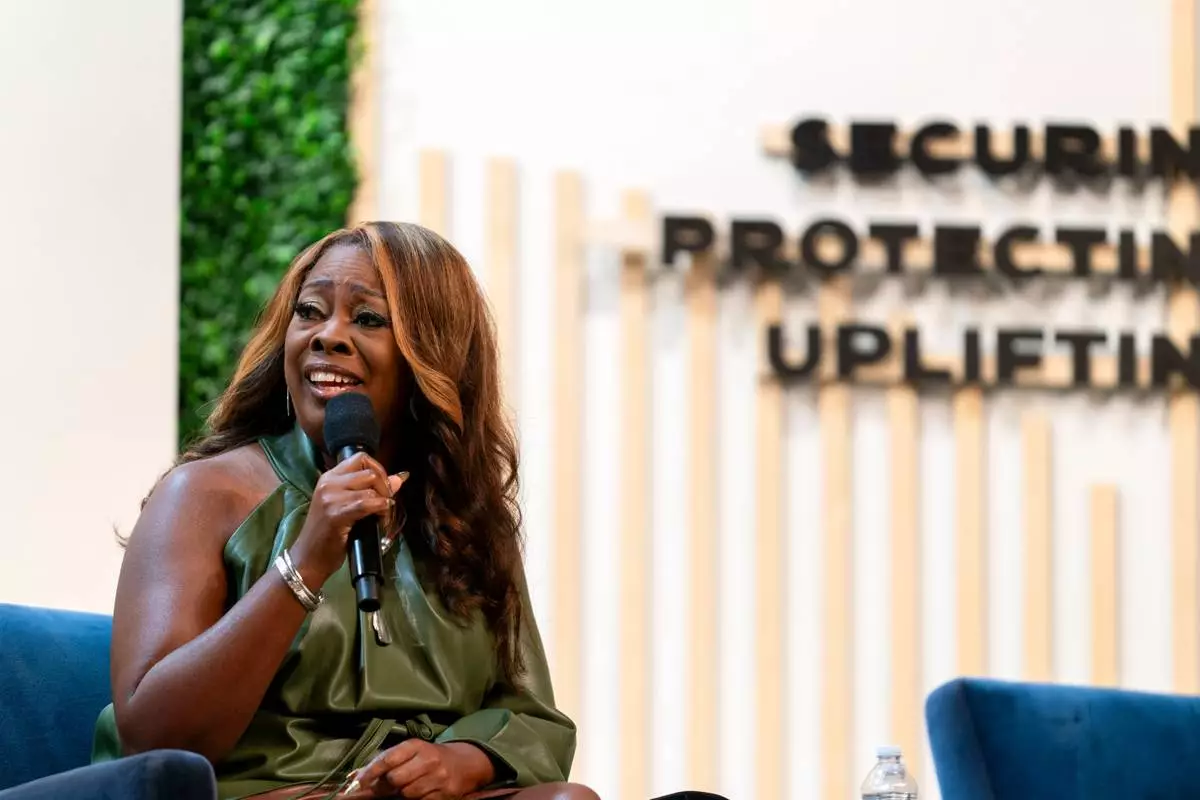
FILE - LaTosha Brown, co-founder of the Black Voters Matter Fund, speaks on a panel about threats to democracy at the Congressional Black Caucus Foundation's annual legislative conference, Sept. 21, 2023, in Washington. (AP Photo/Stephanie Scarbrough, File)
NEW YORK (AP) — Most of the U.S. stock market is rising Friday after oil prices eased back to where they were before the war with Iran, but drops for AI stocks are keeping the market in check.
The S&P 500 rose 0.2% after recovering from an early loss of 0.9%. The index at the heart of many 401(k) accounts is still on track for its second losing week in the last 13, largely because of drops for stocks swept up in the mania around artificial-intelligence technology.
The Dow Jones Industrial Average was up 7 points, or less than 0.1%, as of 1:53 p.m. Eastern time, and the Nasdaq composite was 0.1% higher.
Stocks got a boost as the price of Brent crude oil, the international standard, dropped 3.7% to $72.72. That's lower than it was the day before the United States and Israel attacked Iran, which eventually led to the closure of the Strait of Hormuz and the curtailment of oil shipments worldwide.
The easier oil prices helped stocks of companies with big fuel bills, and United Airlines climbed 1.7%.
Health care stocks, meanwhile, were some of the strongest forces pushing upward on the market after a committee of the European Medicines Agency recommended several medicines for approval and the extension for another dozen of their therapeutic indications. That included one for Eli Lilly, whose stock jumped 6.6%.
Besides Lilly, roughly two out of every three stocks within the S&P 500 were rising. But more drops for AI stocks were helping to overshadow them.
After soaring to tremendous heights and leading the market for years, AI stocks been under pressure recently because of worries their profits can’t possibly keep pace with the tremendous rallies for their stock prices. And those drops have an outsized effect because AI stocks have grown into Wall Street’s largest and most influential, giving movements for their stock prices more weight on indexes than others.
Micron Technology's drop of 3.8% was the heaviest weight on the market, for example. The maker of memory for computers has been a big winner this year, with its stock quadrupling, because the AI boom has created a surge of demand for its products.
But investors saw the downside of that surge Thursday, when Apple said it had to raise prices on laptops and many other of its products by significant percentages to make up for the increases in memory prices. The worry is that such higher prices could ultimately lead to lower demand.
Highlighting the roller-coaster ride that AI stocks have been on, SpaceX briefly dropped below $149 in the morning, a loss of 2.9%, before pulling higher to a gain of 1.6%.
After initially selling its stock at $135 apiece in its ballyhooed initial public offering earlier this month, the price briefly soared above $225 within its first few days of trading. Besides rockets, Elon Musk's company also owns the xAI artificial-intelligence business.
The day's largest loss in the S&P 500 was a 23.6% drop for ON Semiconductor, which said it agreed to buy Synaptics in an all-stock deal valued at roughly $7 billion.
In the bond market, Treasury yields eased with oil prices. The yield on the 10-year Treasury fell to 4.37% from 4.40% late Thursday.
It got some help from a report showing that expectations for inflation in the coming year inched down among U.S. consumers to 4.6% from 4.8% in May. That's still high, but moves downward mean less chance of a vicious cycle where expectations for higher inflation drive changes in behavior that create higher inflation.
High yields in bond markets worldwide caused by worries about inflation have been threatening to slow economies, and they have already sent rates higher for mortgages and other kinds of loans. High yields also hurt prices for investments, particularly those seen as the most expensive. That raises the pressure on AI winners.
Asian stock markets began Friday with sharp drops because of losses for AI winners.
In Japan, a 12.5% plunge for Softbank Group Corp helped pull the Nikkei 225 down by 4.2%. The company is a major investor in OpenAI, the maker of AI chatbot ChatGPT, and a report in The New York Times suggested OpenAI is considering delaying an initial public offering of its stock to next year from the second half of this year.
Such an IPO would give OpenAI the chance to raise more cash to spend on data centers, as well as the opportunity for early investors like Softbank to cash out some of their holdings. But the recent stumbles for SpaceX’s stock and for AI stocks broadly may be a signal of less appetite for big AI stocks among investors.
In South Korea, SK Hynix fell 8.4%, and Samsung Electronics sank 5.3%. That helped pull the Kospi 5.8% lower and trim its gain for the year so far to 99.6%.
AP Business Writers Matt Ott and Elaine Kurtenbach contributed.
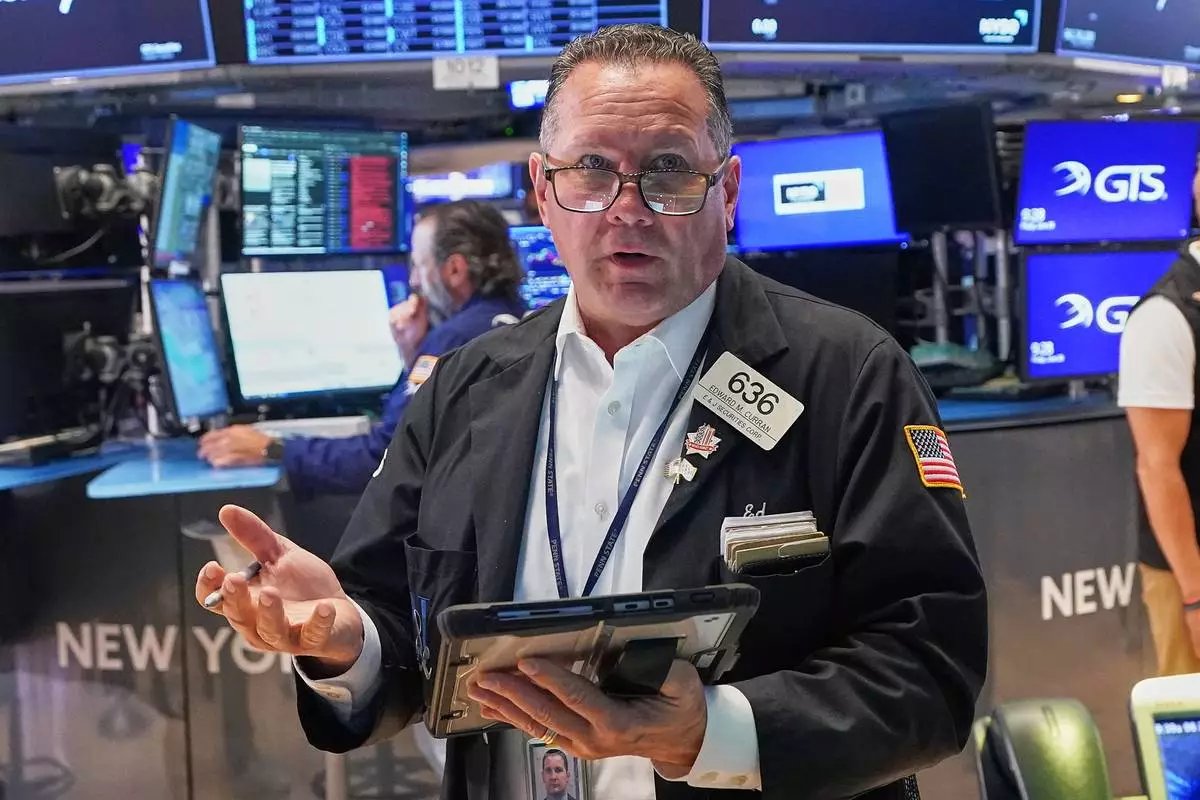
Trader Edward Curran works on the floor of the New York Stock Exchange, Friday, June 26, 2026. (AP Photo/Richard Drew)
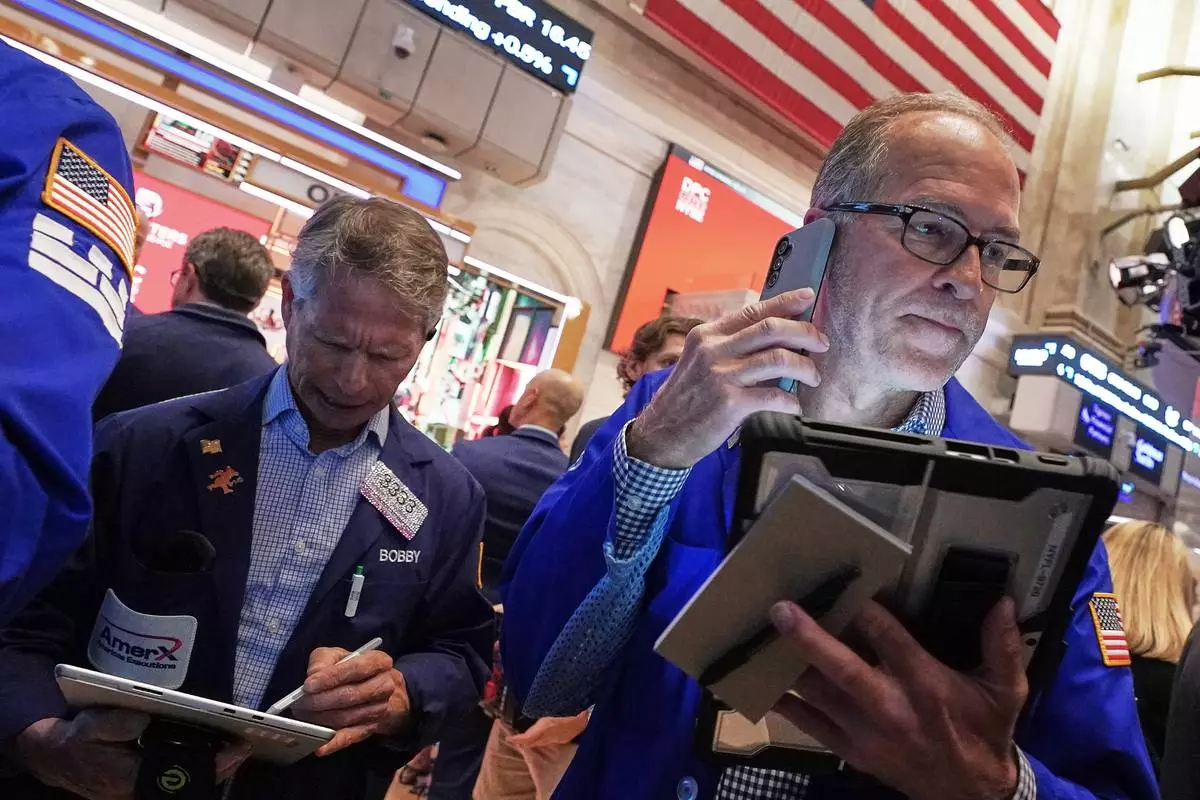
Traders Robert Charmak, left, and Mark Puetzer work on the floor of the New York Stock Exchange, Thursday, June 25, 2026. (AP Photo/Richard Drew)
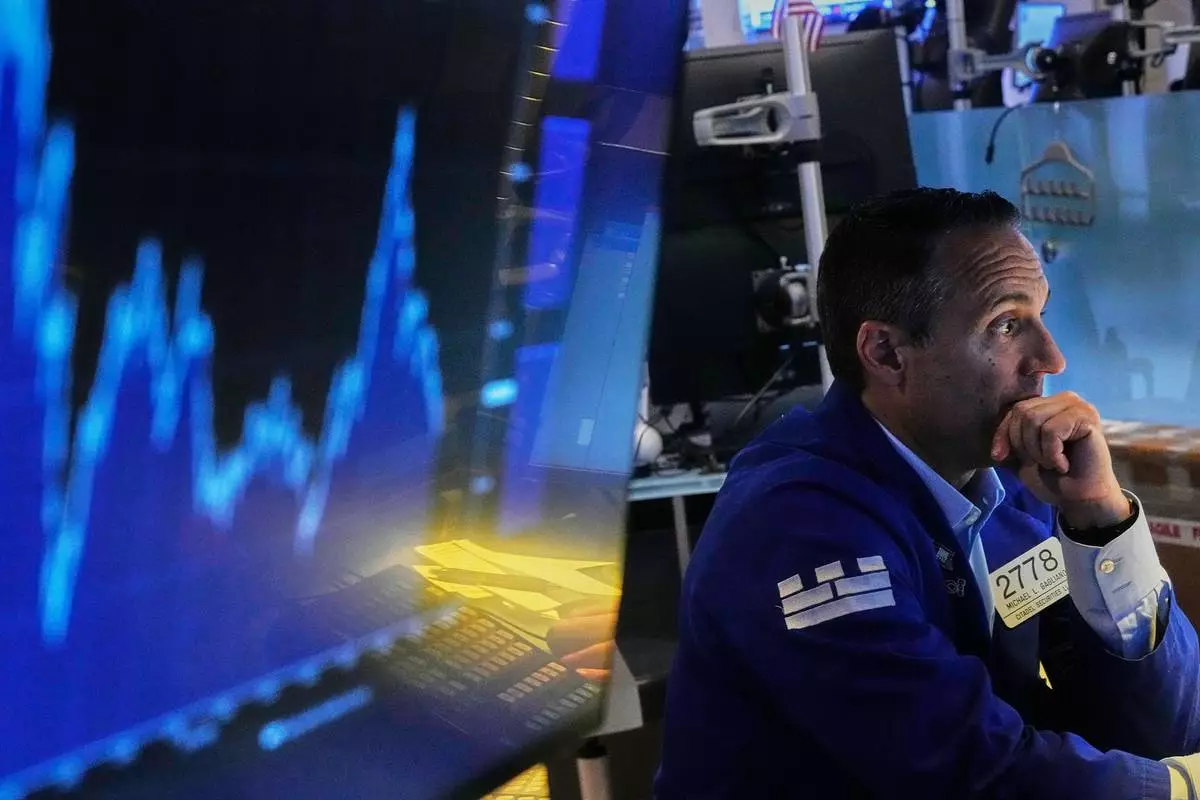
Specialist Michael Gagliano works at his post on the floor of the New York Stock Exchange, Thursday, June 25, 2026. (AP Photo/Richard Drew)
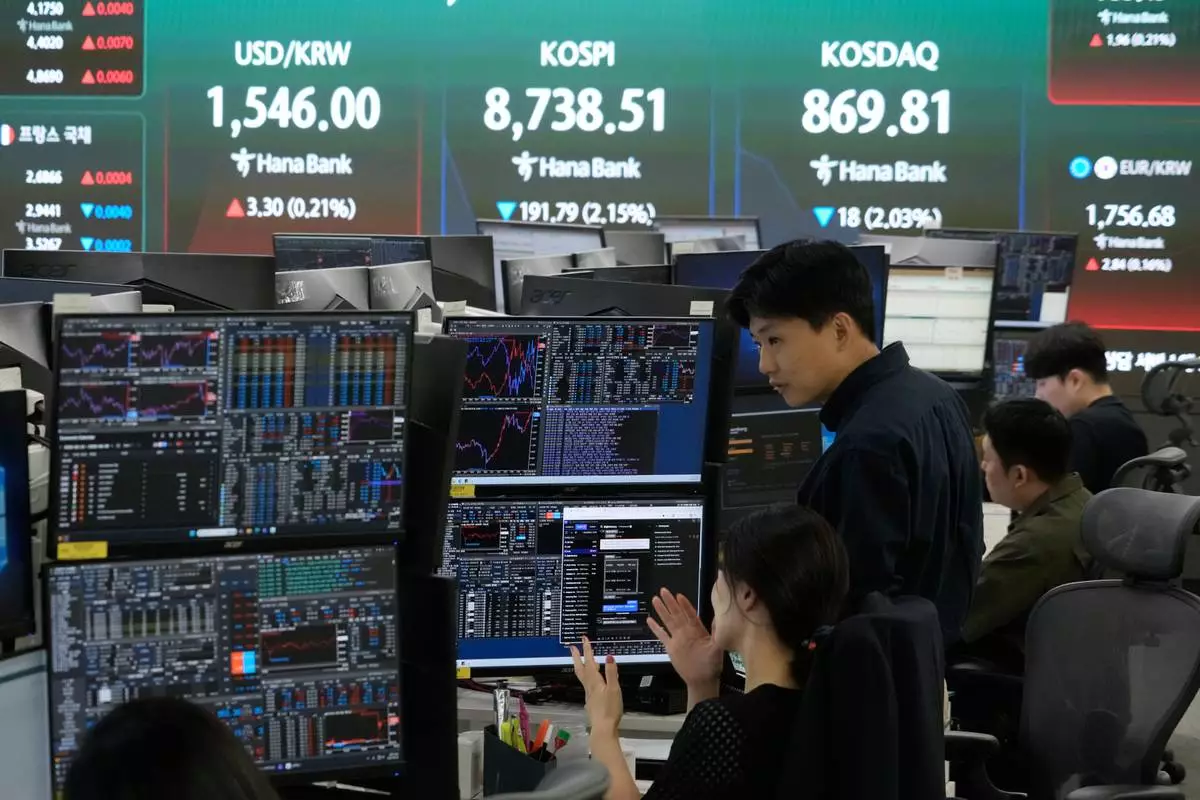
Currency traders work near a screen showing the Korea Composite Stock Price Index (KOSPI) and the foreign exchange rate between U.S. dollar and South Korean won at the foreign exchange dealing room of the Hana Bank headquarters in Seoul, South Korea, Friday, June 26, 2026. (AP Photo/Ahn Young-joon)
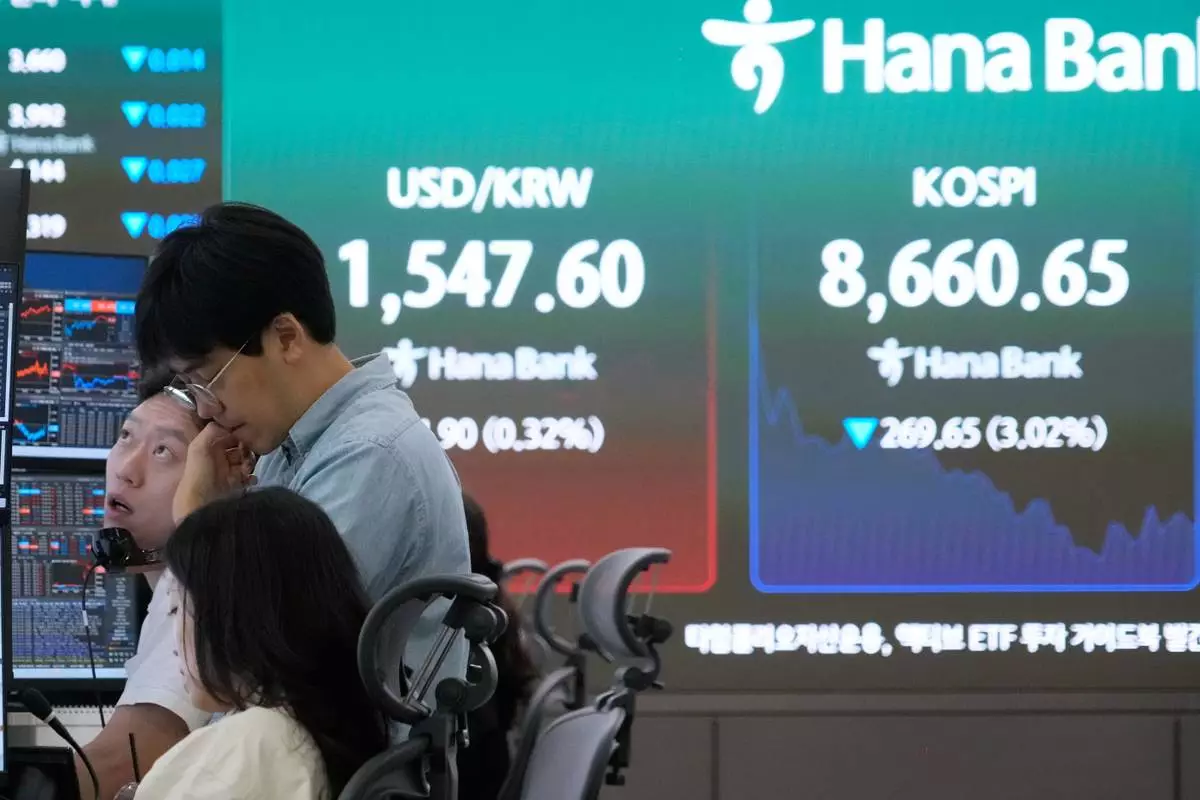
Currency traders work near a screen showing the Korea Composite Stock Price Index (KOSPI) and the foreign exchange rate between U.S. dollar and South Korean won at the foreign exchange dealing room of the Hana Bank headquarters in Seoul, South Korea, Friday, June 26, 2026. (AP Photo/Ahn Young-joon)
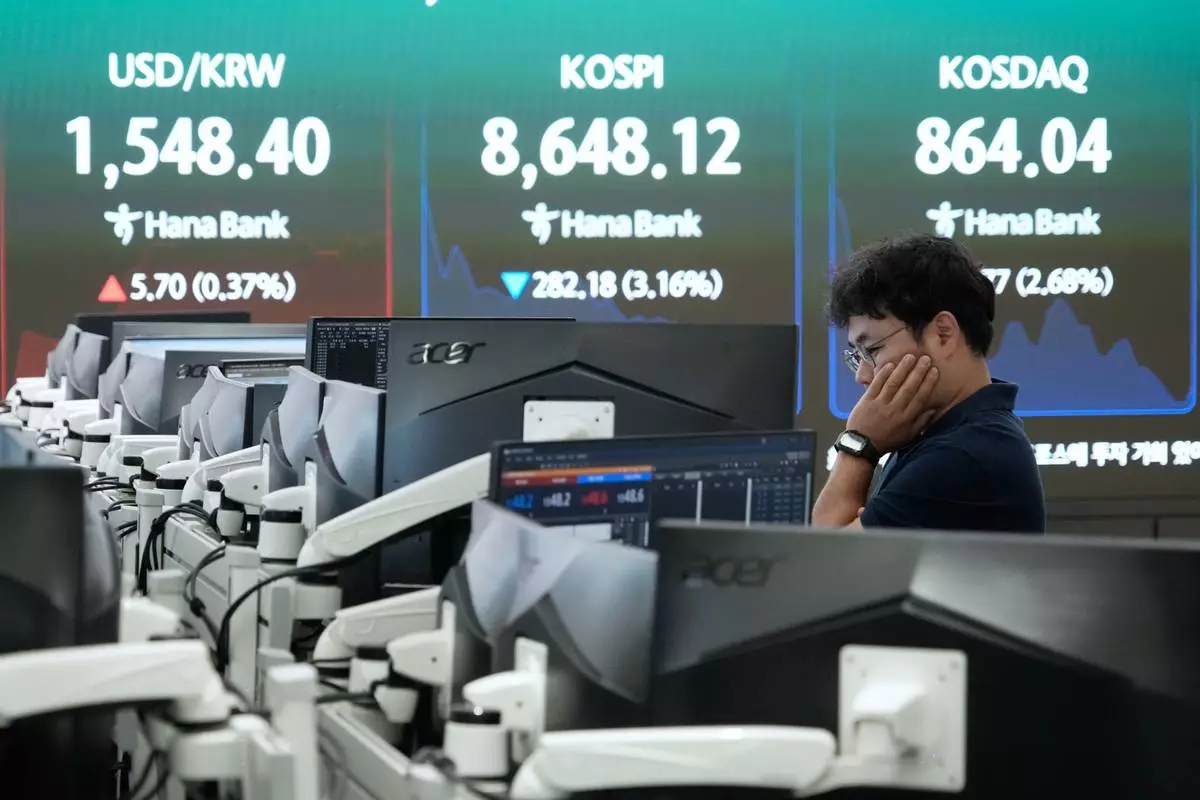
A currency trader watches monitors near a screen showing the Korea Composite Stock Price Index (KOSPI) and the foreign exchange rate between U.S. dollar and South Korean won at the foreign exchange dealing room of the Hana Bank headquarters in Seoul, South Korea, Friday, June 26, 2026. (AP Photo/Ahn Young-joon)
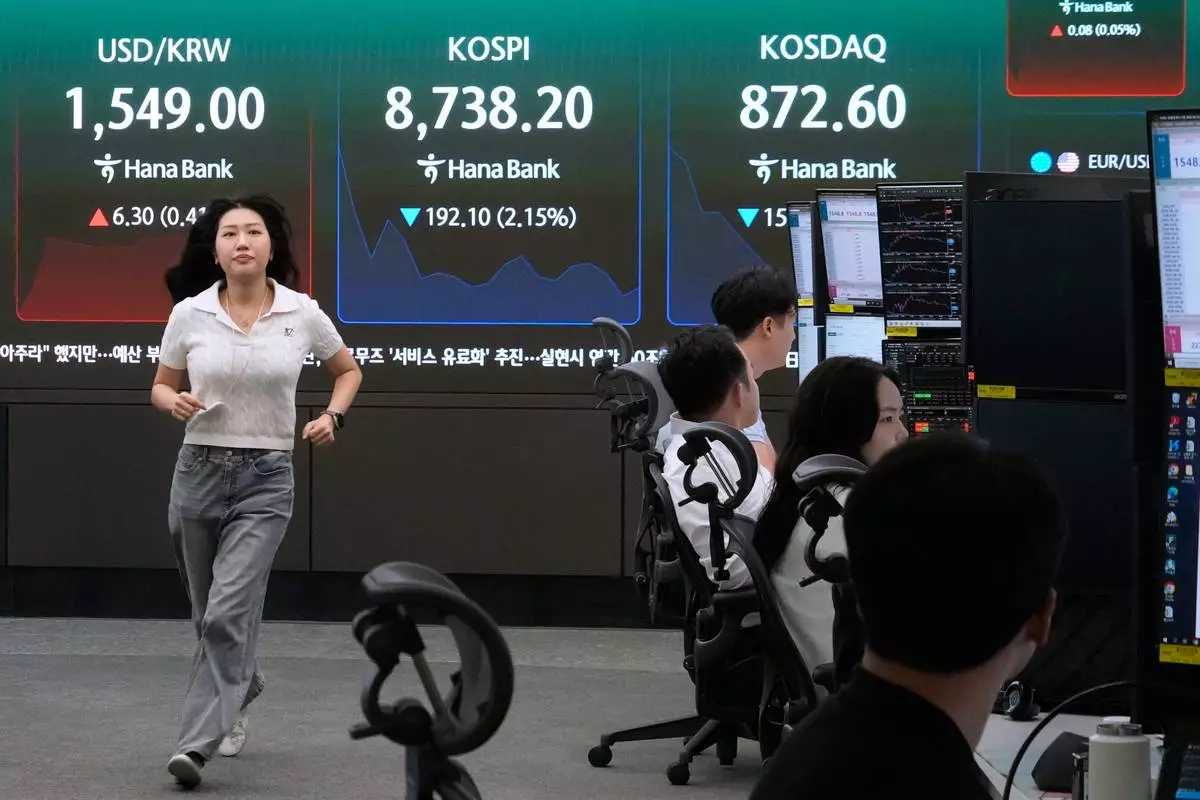
A currency trader passes by a screen showing the Korea Composite Stock Price Index (KOSPI) and the foreign exchange rate between U.S. dollar and South Korean won at the foreign exchange dealing room of the Hana Bank headquarters in Seoul, South Korea, Friday, June 26, 2026. (AP Photo/Ahn Young-joon)