Trade between the mainland and the Hong Kong Special Administrative Region (HKSAR) has been growing steadily since Hong Kong's return to the motherland 29 years ago, expanding from 420.87 billion yuan (around 61.89 billion U.S. dollars) in 1997 to 2.6 trillion yuan (around 382.5 billion U.S. dollars) in 2025, representing an average yearly growth of 6.7 percent, according to the Shenzhen Customs.
In the first five months of 2026, the total exports and imports between the mainland and Hong Kong hit 1.4 trillion yuan (around 205.9 billion U.S. dollars), marking a year-on-year increase of 48.6 percent.
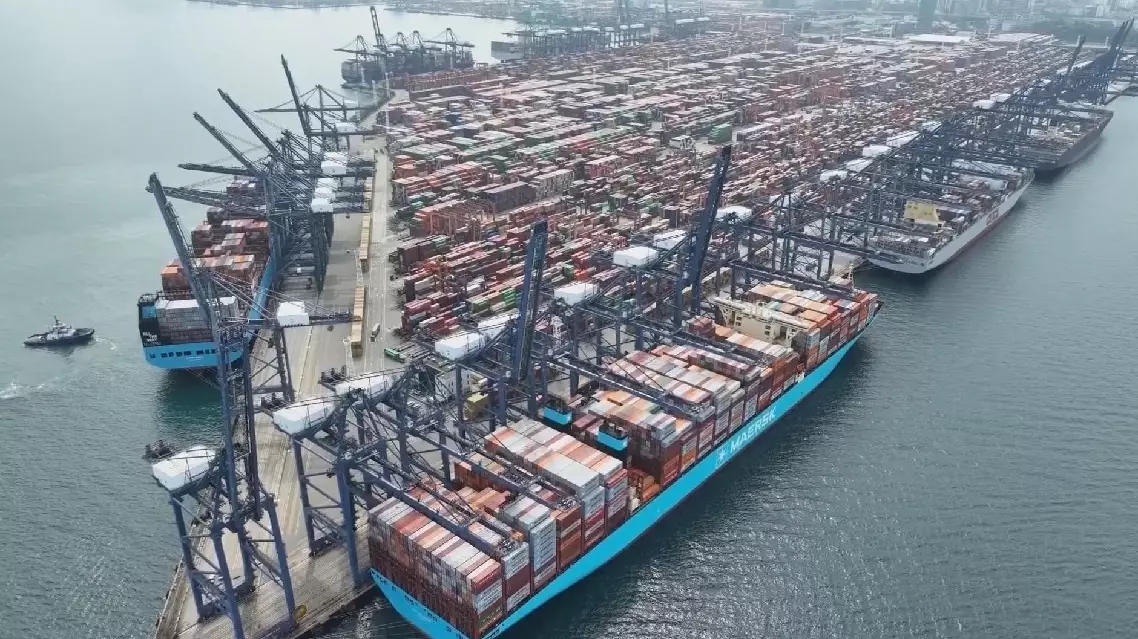
Hong Kong-mainland trade sees steady growth over past 29 years
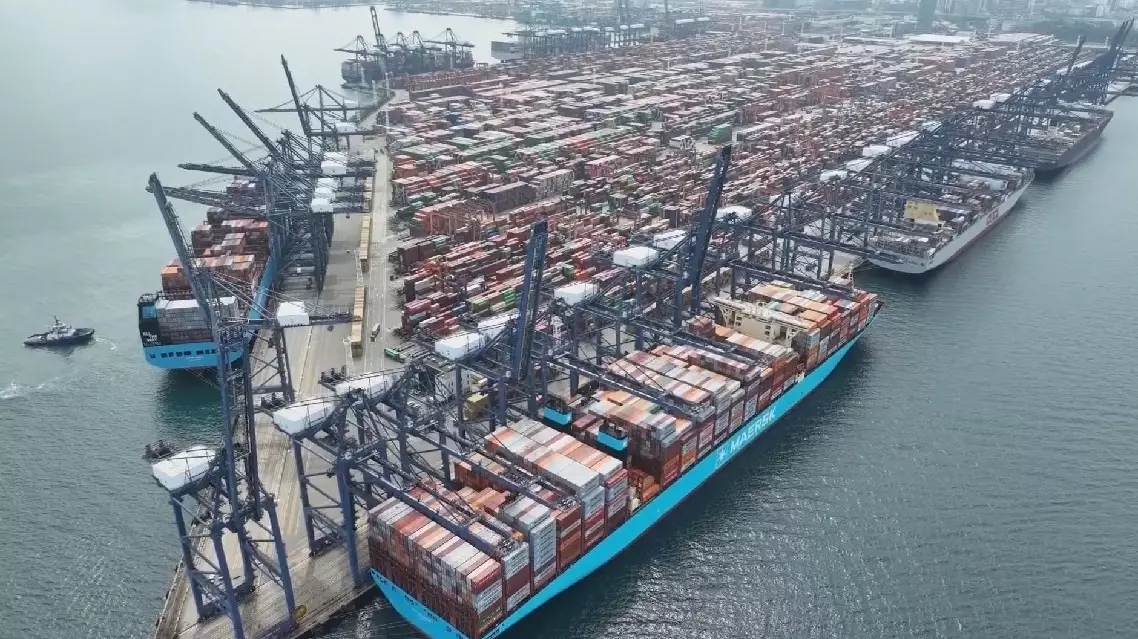
Hong Kong-mainland trade sees steady growth over past 29 years
The Swift Eagle 2026 joint training for airborne troops from China and Belarus concluded with a closing ceremony at a Chinese People's Liberation Army (PLA) Air Force training center on Monday.
The exercise focused on joint urban counter-terrorism operations, aiming to strengthen the combined operational capabilities of the troops in carrying out counter-terrorism missions.
During the joint training, troops from both sides operated in mixed task groups and conducted specialized training subjects including surveillance and counter-surveillance, seizure-and-control and protection, elimination and defense, in a bid to sharpen their capabilities in joint counter-terrorism operations.
The troops from the two countries also carried out themed workshops, sports competitions, cultural exchanges and other activities to learn from each other's training concepts and methods, enhance the friendship, and reach a consensus on cooperation.
"In this joint training, both sides have well honed their art of tactical cooperation and command coordination, effectively tested and enhanced the two militaries' joint counter-terrorism and emergency response capabilities. They have also accumulated valuable experience, laying a solid foundation for the subsequent execution of various joint missions," said Jiang Heping, a team leader from the Chinese troops.
Marking its fourth iteration, this joint exercise serves as an important platform for counter‑terrorism collaboration between the Chinese and Belarusian militaries. It is of great significance in strengthening practical bilateral cooperation and contributing to regional peace and stability.
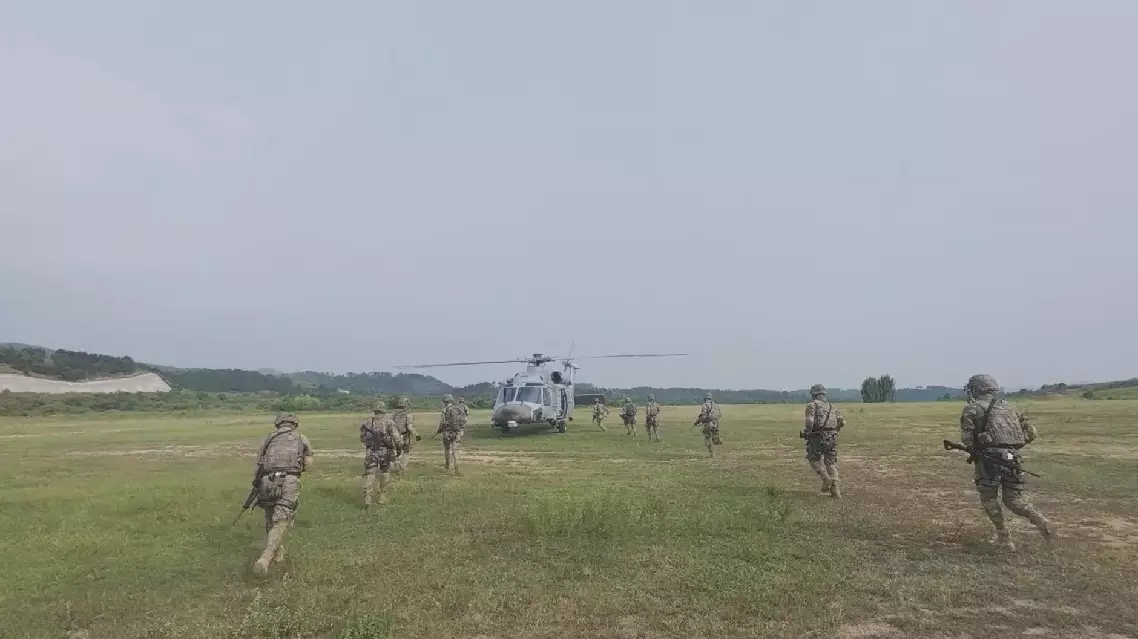
China-Belarus Swift Eagle 2026 joint training concludes