United Nations Secretary-General António Guterres is deeply concerned about the recent violence between Afghanistan and Pakistan, his spokesperson Stéphane Dujarric said on Monday.
According to Afghan officials, Pakistani airstrikes in eastern Afghanistan on Sunday night killed at least 36 people and injured 163 others. The attacks targeted areas in the provinces of Paktia, Paktika, and Kunar.
At a regular press briefing in New York, Dujarric said the UN chief called for an immediate end to hostilities and the protection of civilians.
"The Secretary-General is deeply concerned by the latest violence between Afghanistan and Pakistan, which resulted in civilian casualties. He calls for an immediate cessation of hostilities and the protection of civilians. The Secretary-General reiterates his call on the parties to resolve their differences through diplomacy. We continue to call on all parties to uphold their obligations under international humanitarian law and continue to stress that civilians and civilian infrastructure must be protected at all times," he said.
Dujarric noted that the attacks have also reportedly triggered displacement, with UN humanitarian teams on the ground assessing needs and preparing emergency assistance.
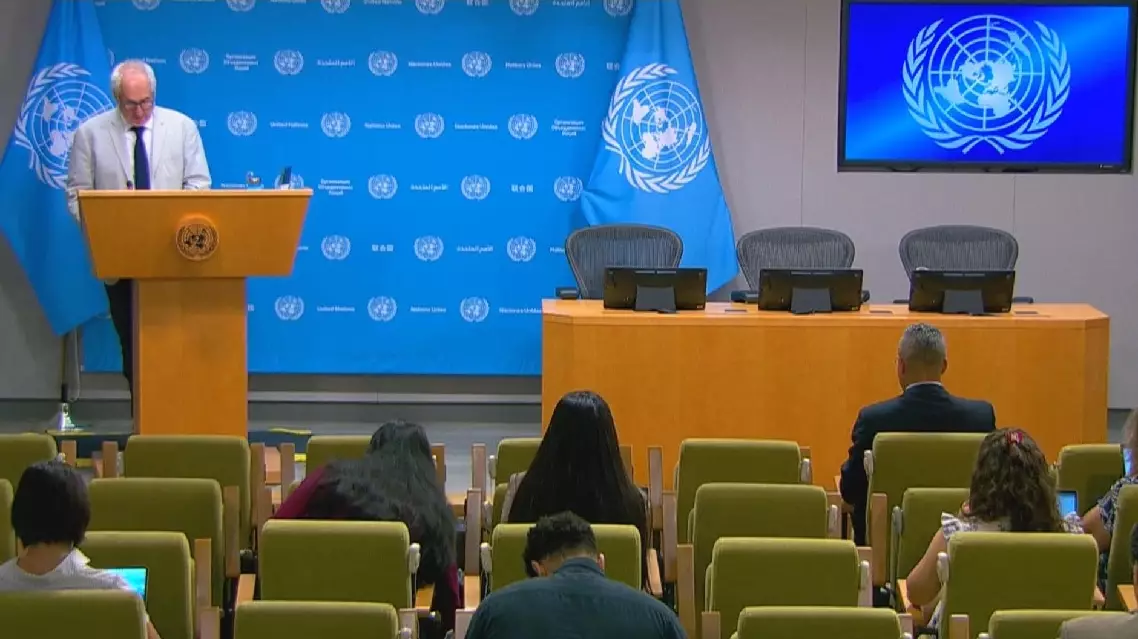
UN chief deeply concerned over latest Afghanistan, Pakistan hostilities: spokesperson
With tensions resurfacing barely two weeks after the United States and Iran signed a peace memorandum of understanding (MoU), an Iranian political expert has warned the U.S. is adopting a contradictory posture -- pursuing negotiations while continuing military pressure.
Fresh clashes have raised serious doubts about the durability of the fragile truce, with both sides accusing each other of violations.
The U.S. conducted strikes on Iranian targets on Friday and Saturday, citing "continued Iranian aggression against commercial shipping" in the Strait of Hormuz. Iran responded by striking U.S. military positions in the region.
During an interview with China Global Television Network (CGTN), Foad Izadi, an associate professor at the University of Tehran, argued that Iran's actions in the Strait of Hormuz are in line with the MoU, contrary to U.S. accusations.
"Article 1 is very clear that a ceasefire means ceasing fire. The United States has violated that with regard to Iran. The excuse they have is that Iran is trying to manage the Strait of Hormuz in terms of the passage of ships. But apparently, they have not read Article 5, because based on Article 5 of the MoU, that is what Iran is supposed to do, at least for the next 60 days. And the management of the Strait of Hormuz is going to be decided between the two coastal states. That is Iran and Oman," he said.
Izadi warned that the U.S. actions undermine the possibility of genuine diplomacy, though Iran keeps that on the table.
"Diplomacy can work if the United States wants it to work. If they want to have these talks to keep oil prices low, because if these talks break down, it may affect oil prices. They don't want to do that. They want to keep oil prices low, and they want to attack Iran at the same time, and they don't want to do what they are supposed to do under the agreement. You see, they are already violating Articles 1 and 5 of the agreement. So they want to have it both ways. They want to have these negotiations, but they don't want to engage these negotiations seriously, and they are preparing for their next attack. This is something that Iranian officials realize," he said.
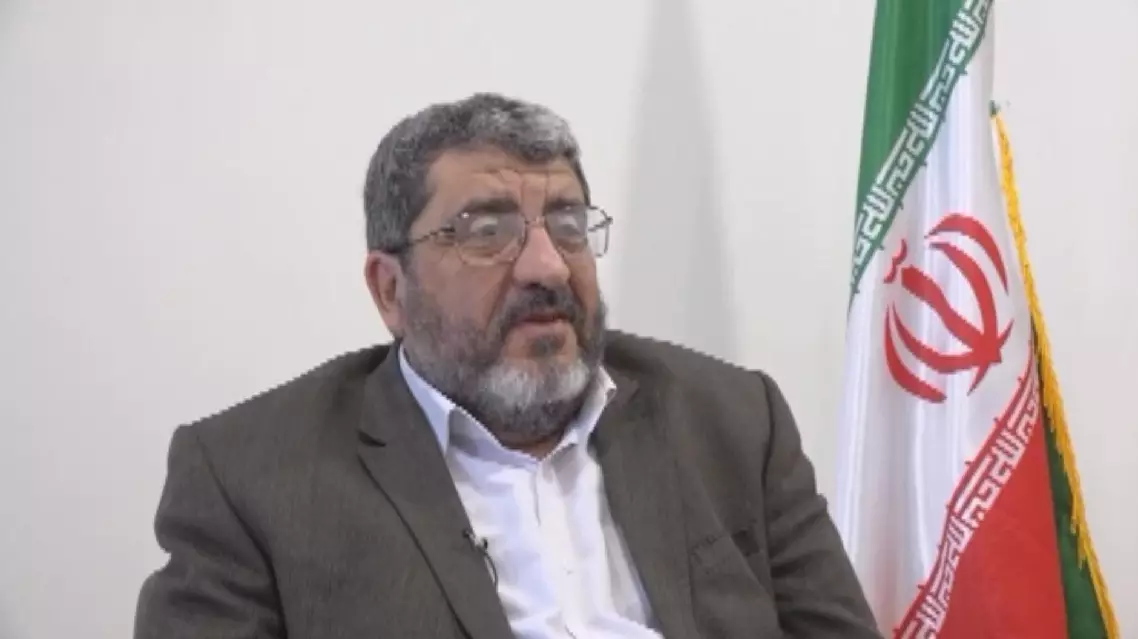
Iranian expert warns US violations undermine fragile ceasefire with Iran
Iranian expert warns US violations undermine fragile ceasefire with Iran