Peru's right-wing Popular Force candidate Keiko Fujimori secured more than half of the valid votes in the current presidential election, the 100-percent official count results showed Monday.
According to figures released by Peru's National Office of Electoral Processes (ONPE) on its real-time vote-counting platform, Fujimori received 50.135 percent of the valid votes, while her rival Roberto Sanchez of Together for Peru got 49.865 percent.
The results translated into 9,223,396 votes for Keiko Fujimori and 9,173,755 votes for Roberto Sanchez. Fujimori is the daughter of former President Alberto Fujimori, who governed from 1990 to 2000, while Sanchez served as a minister under then-President Pedro Castillo from 2021 to 2022.
The figures gave the right-wing candidate a lead of 49,641 votes, positioning her for what would be her first presidential victory after three previous bids.
According to official data from the ONPE, all 92,766 tally sheets from the June 7 election had been processed by Monday.
Roberto Burneo, president of the National Jury of Elections, said in recent days that the electoral authority was expected to officially proclaim the results on Friday.
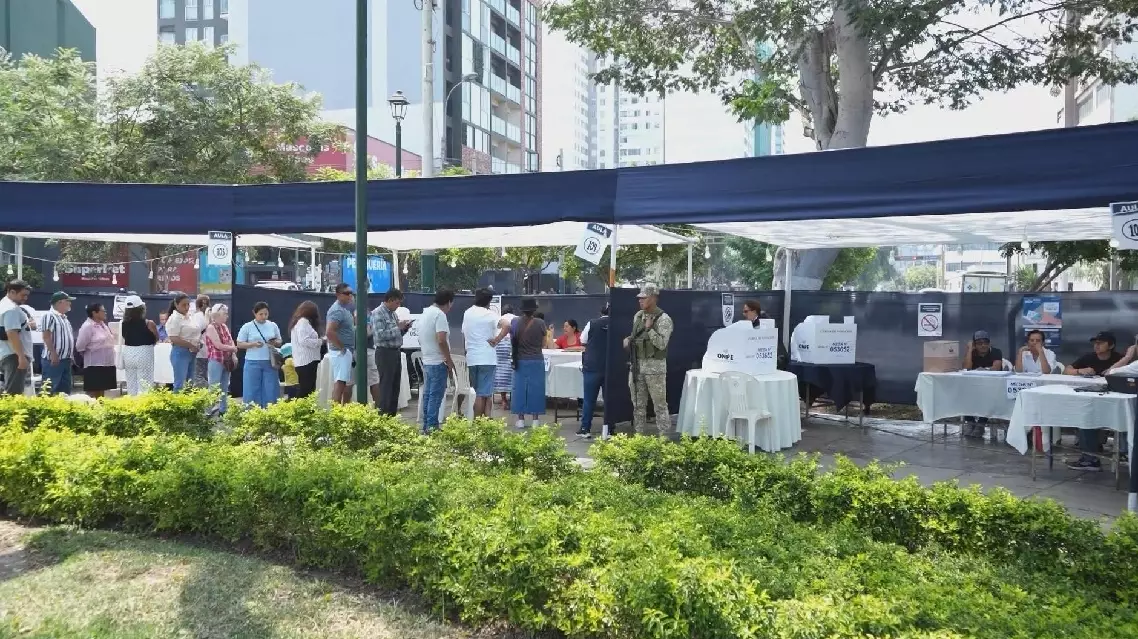
Keiko Fujimori wins Peru presidential election
With tensions resurfacing barely two weeks after the United States and Iran signed a peace memorandum of understanding (MoU), an Iranian political expert has warned the U.S. is adopting a contradictory posture -- pursuing negotiations while continuing military pressure.
Fresh clashes have raised serious doubts about the durability of the fragile truce, with both sides accusing each other of violations.
The U.S. conducted strikes on Iranian targets on Friday and Saturday, citing "continued Iranian aggression against commercial shipping" in the Strait of Hormuz. Iran responded by striking U.S. military positions in the region.
During an interview with China Global Television Network (CGTN), Foad Izadi, an associate professor at the University of Tehran, argued that Iran's actions in the Strait of Hormuz are in line with the MoU, contrary to U.S. accusations.
"Article 1 is very clear that a ceasefire means ceasing fire. The United States has violated that with regard to Iran. The excuse they have is that Iran is trying to manage the Strait of Hormuz in terms of the passage of ships. But apparently, they have not read Article 5, because based on Article 5 of the MoU, that is what Iran is supposed to do, at least for the next 60 days. And the management of the Strait of Hormuz is going to be decided between the two coastal states. That is Iran and Oman," he said.
Izadi warned that the U.S. actions undermine the possibility of genuine diplomacy, though Iran keeps that on the table.
"Diplomacy can work if the United States wants it to work. If they want to have these talks to keep oil prices low, because if these talks break down, it may affect oil prices. They don't want to do that. They want to keep oil prices low, and they want to attack Iran at the same time, and they don't want to do what they are supposed to do under the agreement. You see, they are already violating Articles 1 and 5 of the agreement. So they want to have it both ways. They want to have these negotiations, but they don't want to engage these negotiations seriously, and they are preparing for their next attack. This is something that Iranian officials realize," he said.
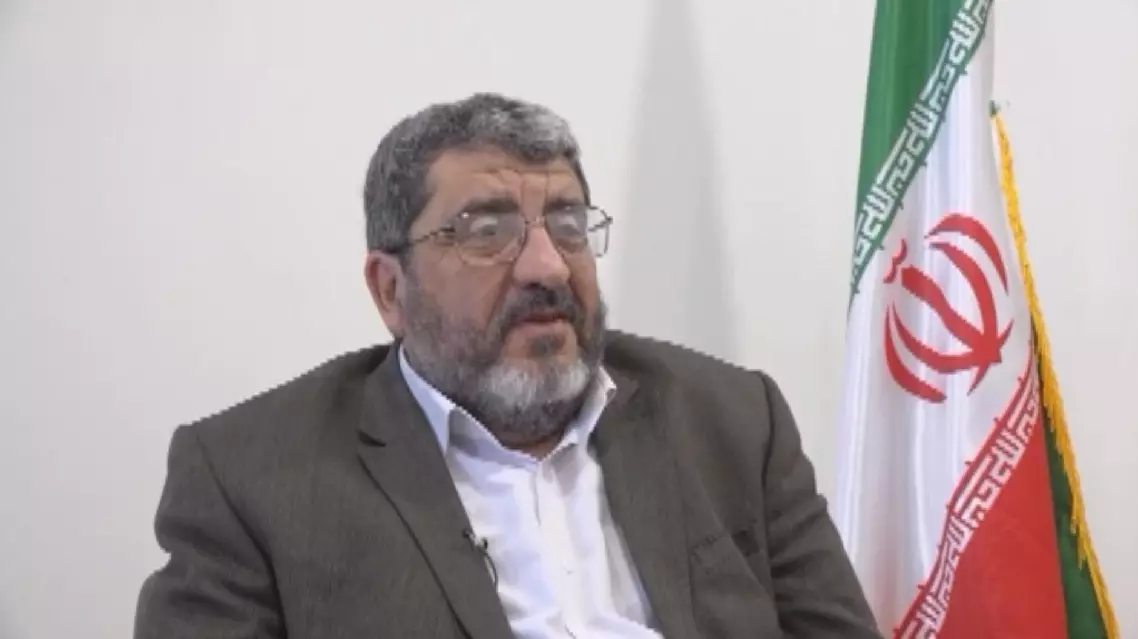
Iranian expert warns US violations undermine fragile ceasefire with Iran