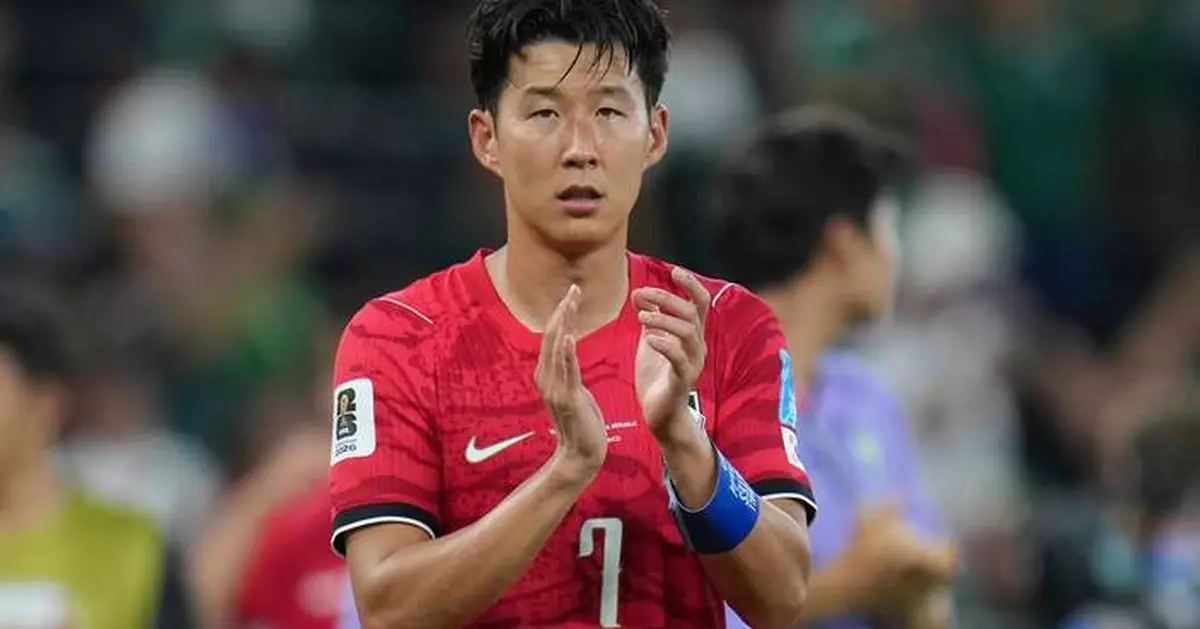
South Korea captain Son Heung-min has apologized for the team's group-stage exit at the World Cup, saying he is “indescribably hurt” and eager to “win the hearts” of the nation once again.
In a long post on Instagram on Monday night, Son — a soccer superstar in South Korea and a big name in Major League Soccer with Los Angeles FC — said he understood the disappointment of the team's fans after its performances in the tournament that have drawn harsh criticism from the country’s president and led to the resignation of coach Hong Myung-bo.
“I don’t dare to convey the disappointment and hurt of the fans with a single word ‘sorry,’” Son wrote, “so even saying those words feels insufficient.
“The ‘child’s dream stage’ that I always talked about has collapsed,” he added. “I’m indescribably stuck and hurt. To be honest, it’s still not easy to accept this reality.”
South Korea won its opening match against Czech Republic, then lost its next two Group A matches — to Mexico and South Africa.
The team failed to advance as one of the third-place group finishers.
Son, who started on the bench for the group closer against South Africa, didn't score a goal at the World Cup and said he felt a personal responsibility that “I couldn’t repay the time, heart, and constant support and love” that the fans gave.
In a signal he wouldn't be retiring from international soccer, the 33-year-old Son said “I will do my best in my position again to win the hearts of the Korean people and football fans.”
Son also called on the team's supporters to “send warm support and encouragement rather than criticizing and hurting all the players.”
See more of AP’s World Cup coverage here

South Korea's Son Heung-min (7) reacts after his team lost the World Cup Group A soccer match against South Africa in Guadalupe, near Monterrey, Mexico, Wednesday, June 24, 2026. (AP Photo/Dolores Ochoa)
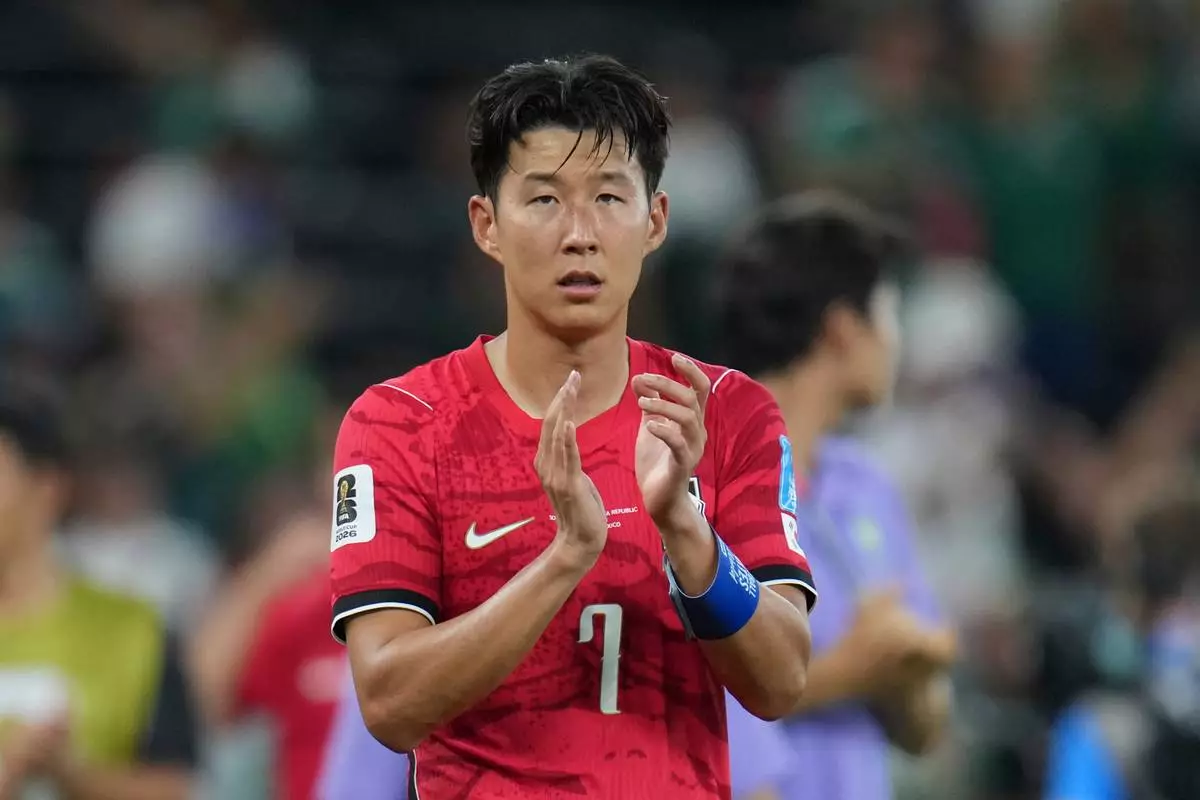
South Korea's Son Heung-min (7) reacts after the World Cup Group A soccer match between South Africa and South Korea in Guadalupe, near Monterrey, Mexico, Wednesday, June 24, 2026. (AP Photo/Matias Delacroix)
The Supreme Court on Tuesday will rule on the constitutionality of President Donald Trump’s order on birthright citizenship declaring that children born to parents who are in the United States illegally or temporarily are not American citizens.
The decision comes on the final day of a Supreme Court term that has centered on Trump’s expansive claims of presidential power — and largely ruled in his favor.
The court on Monday handed Trump a major win by upholding his firings of independent federal agency heads at will, with the exception of Federal Reserve governor Lisa Cook, who will retain her job while she fights the president’s effort to fire her over allegations of mortgage fraud.
Here's the latest:
Most Americans say they believe in birthright citizenship, though many are conflicted about exactly who it should apply to.
An April survey by The Associated Press-NORC Center for Public Affairs Research of more than 2,500 U.S. adults found that about two-thirds say children born in the U.S. should get automatic citizenship. That number drops to 44% for Republicans.
But the poll also showed ambivalence when it came to specifics.
For example, 75% of U.S. adults support automatic citizenship for children born in the U.S. to parents in the country on work visas. Only about half, though, believe in it for children born to parents who are illegally in the country.
The 5-4 decision rejected a Republican-led attack on laws in more than half the states and the District of Columbia that permit mailed ballots to arrive and be counted some number of days after the election, provided they are postmarked by Election Day.
The outcome spares officials the headache of changing their ballot rules just a few months before the 2026 midterm congressional elections.
In just over half of those states, the more forgiving deadlines apply only to ballots cast by military and overseas voters.
During oral arguments, even many conservative justices appeared unconvinced by the government’s case.
“I can imagine it being messy in some applications,” Justice Amy Coney Barrett said, asking Solicitor General D. John Sauer about the issue of abandoned infants.
“What if you don’t know who the parents are?” she asked.
Sauer started to say that question was addressed in the U.S. code, but Barrett quickly interrupted him.
“Yeah, yeah, yeah, yeah, but what about the Constitution?” she asked.
Outside of the Americas, most countries follow the legal principle of jus sanguinis, or “right of blood,” with a child’s citizenship inherited from its parents, no matter the place of birth.
In the European Union, for example, no member states grant automatic, unconditional citizenship to children born to foreigners.
But American legal practice is descended in many ways from English common law, which had long provided for citizenship based on a child’s place of birth, the legal concept of jus soli, or “right of soil.”
The UK, though, abandoned jus soli with the British Nationality Act of 1981.
Under the new rules, people born in the UK get citizenship only if at least one parent is a British citizen or has “settled status” under the law.
The court will dive right into the remaining decisions when the justices take the bench at 10 a.m. ET.
The opinions are typically read in ascending order of seniority so that the most junior justice with an opinion goes first. Chief Justice John Roberts, who may well have the decision in the birthright citizenship case, would go last.
Other than at the Federal Reserve, with its role of setting interest rates, the court held that presidents have free rein to fire agency heads at will, despite federal laws that require a cause for such dismissals and a 91-year-old decision that had limited executive authority.
The justices allowed Fed governor Lisa Cook to stay in her job while she fights Trump’s effort to fire her over allegations of mortgage fraud, which she has denied.
With the six conservative justices in the majority, the nine-member court jettisoned its unanimous decision in Humphrey’s Executor that had limited when presidents can fire agencies’ board members — in part to try to ensure decision-making free of political influence.
“We hold that such protection from removal is contrary to the separation of powers enshrined in the Constitution,” Chief Justice John Roberts wrote for the court.
In separate cases, the court will also decide:
Whether states can prohibit transgender athletes from playing on girls’ and women’s public school and college teams.
Whether to uphold a federal law more than 50 years old limiting how much political parties can spend in coordination with candidates for Congress and the president.
Oral arguments for the case lasted more than two hours in a crowded courtroom that included Trump, the first sitting president to attend arguments at the nation’s highest court, and, in seats reserved for the justices’ guests, actor Robert De Niro.
Trump heard his administration’s top Supreme Court lawyer, Solicitor General D. John Sauer, face one skeptical question after another. Justices asked about the legal basis for the order and voiced more practical concerns.
“Is this happening in the delivery room?” Justice Ketanji Brown Jackson asked, drilling down into the logistics of how the government would actually figure out who is entitled to citizenship and who is not.
Chief Justice John Roberts suggested that Sauer was relying on quirky exceptions to citizenship to make a broad argument about people who are in the country illegally. “I’m not quite sure how you can get to that big group from such tiny and sort of idiosyncratic examples,” Roberts said.
Justice Clarence Thomas sounded the most likely among the nine justices to side with Trump.
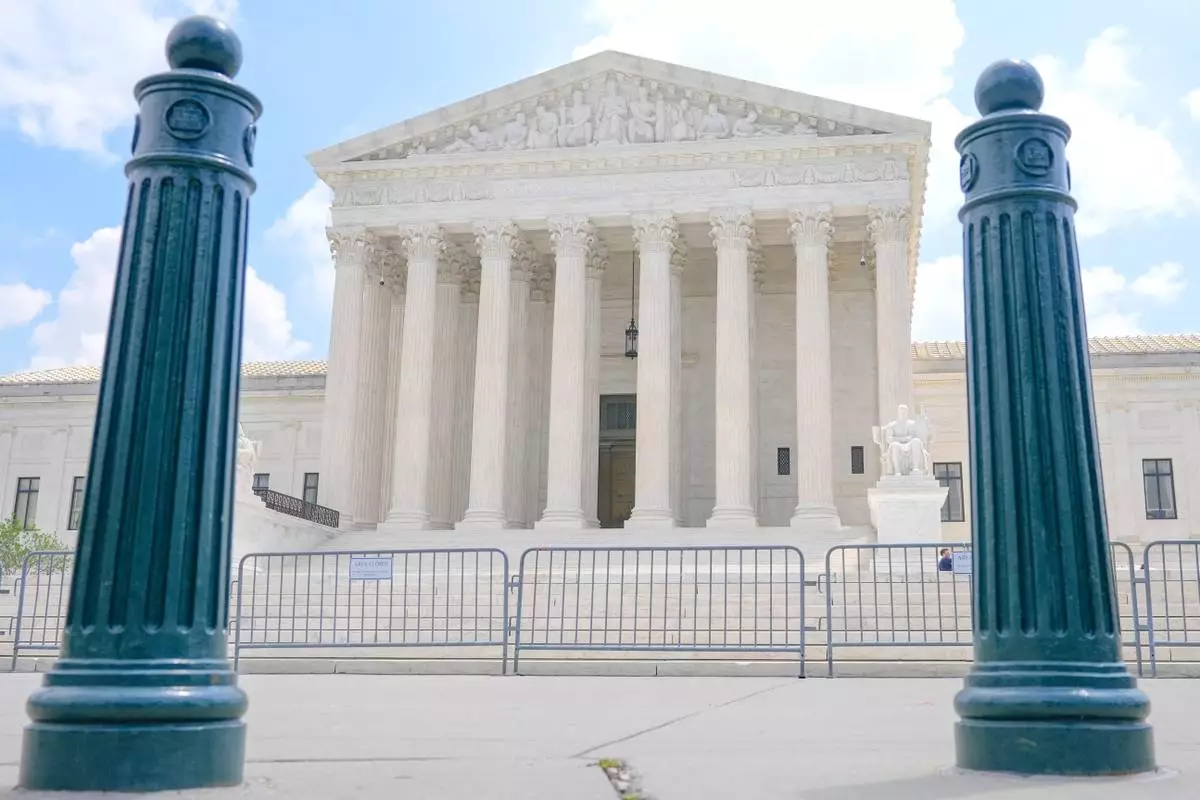
The U.S. Supreme Court is seen Monday, June 29, 2026, in Washington. (AP Photo/Mariam Zuhaib)
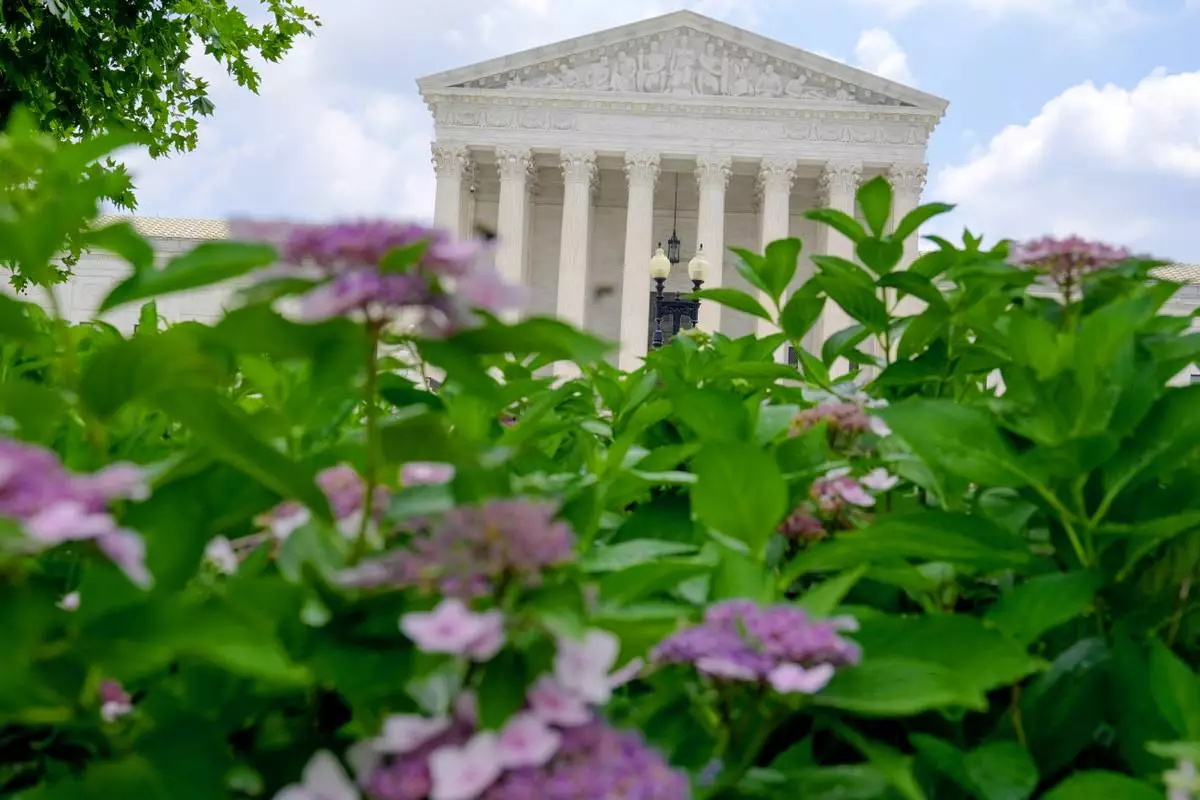
The U.S. Supreme Court is seen Monday, June 29, 2026, in Washington. (AP Photo/Mariam Zuhaib)