DUBAI, United Arab Emirates (AP) — Iran’s joint military command warned Thursday that all oil tankers moving through the Strait of Hormuz must use its approved routes or face a “forceful response,” again ratcheting up tensions over a waterway crucial for international energy supplies.
The strait, the narrow mouth of the Persian Gulf, has emerged as one of the top issues in negotiations to reach a permanent end to the Iran war. The statement from the Khatam al-Anbiya military command, reported by Iranian state television, comes after both U.S. and Iranian diplomats met with mediators on Wednesday in Qatar.
It wasn’t immediately clear what sparked the threat from Iran. However, the U.S. military's Central Command had put out a statement about having a meeting with officials from Mideast nations in Bahrain that said “leaders underscored their shared commitment to the free flow of commerce through the Strait of Hormuz.”
That appears to have been the phrase to anger Iran, which is preparing for the funeral that begins this weekend for the late Supreme Leader Ayatollah Ali Khamenei, who was killed in the war's first moments in February.
“Any failure to comply, deviation from the designated route, or disregard for the navigation protocols of the Islamic Republic of Iran in the Strait of Hormuz will be met with an immediate and forceful response from the armed forces, endangering the security of the violating vessels,” the Iranian statement said.
It also said the continued presence of U.S. fighter jets over the strait “causes insecurity in this waterway and threatens regional security.”
“Any attempt by the United States to interfere in security matters or any disruptive action in the Strait of Hormuz will be considered a threat to Iran’s national sovereignty and will be met with a rapid and decisive reaction,” the Iranian warning added.
Iran and the United States agreed as part of an interim deal to allow ships to pass without paying charges for 60 days. But Tehran insisted it must control the routes of the vessels and later charge fees for passage, upending decades of practice in the waterway.
The U.S. and many Gulf Arab states say they won’t agree to the charges. An effort by Oman and a United Nations agency to launch a new route near Oman’s shore sparked attacks across the Mideast last weekend, highlighting the tensions.
Despite the tensions, Wednesday's talks saw “positive progress,” Pakistani Foreign Ministry spokesperson Tahir Andrabi said. He told journalists that Pakistan hoped the next round of talks would be scheduled as soon as possible after Khamenei’s funeral.
Associated Press writer Munir Ahmed in Islamabad contributed to this report.
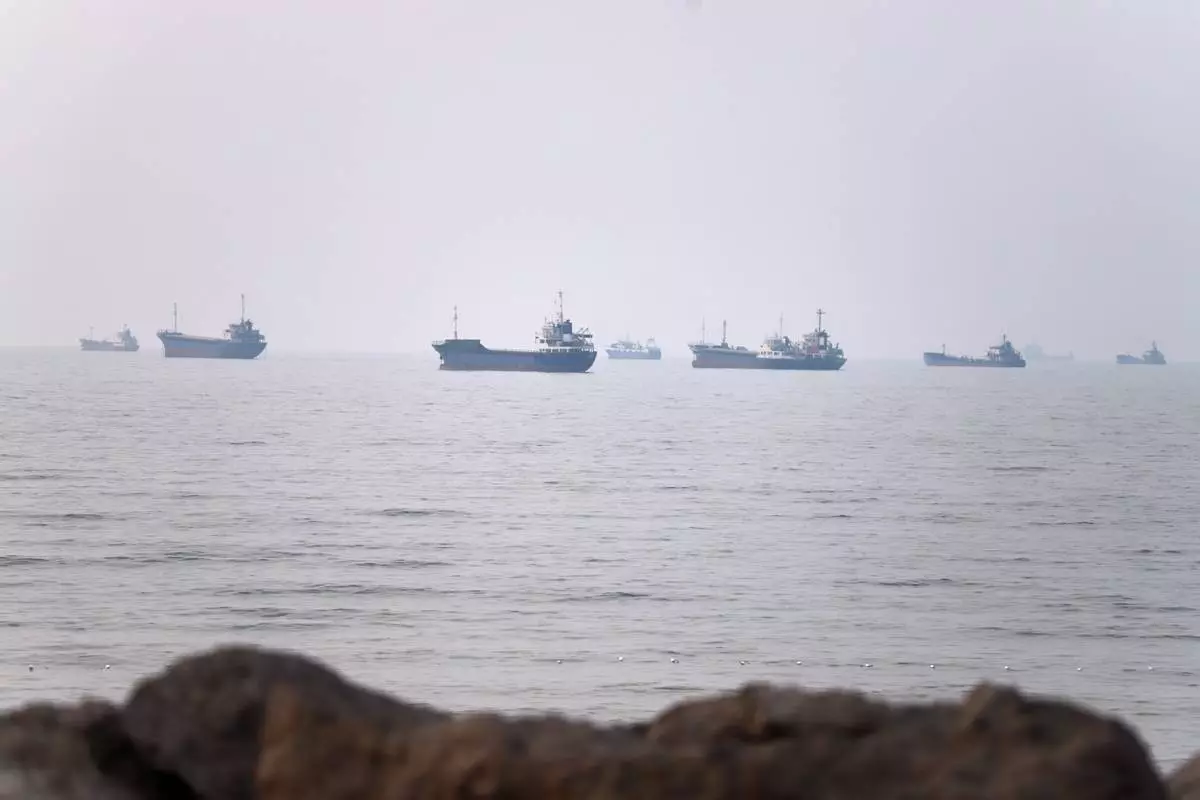
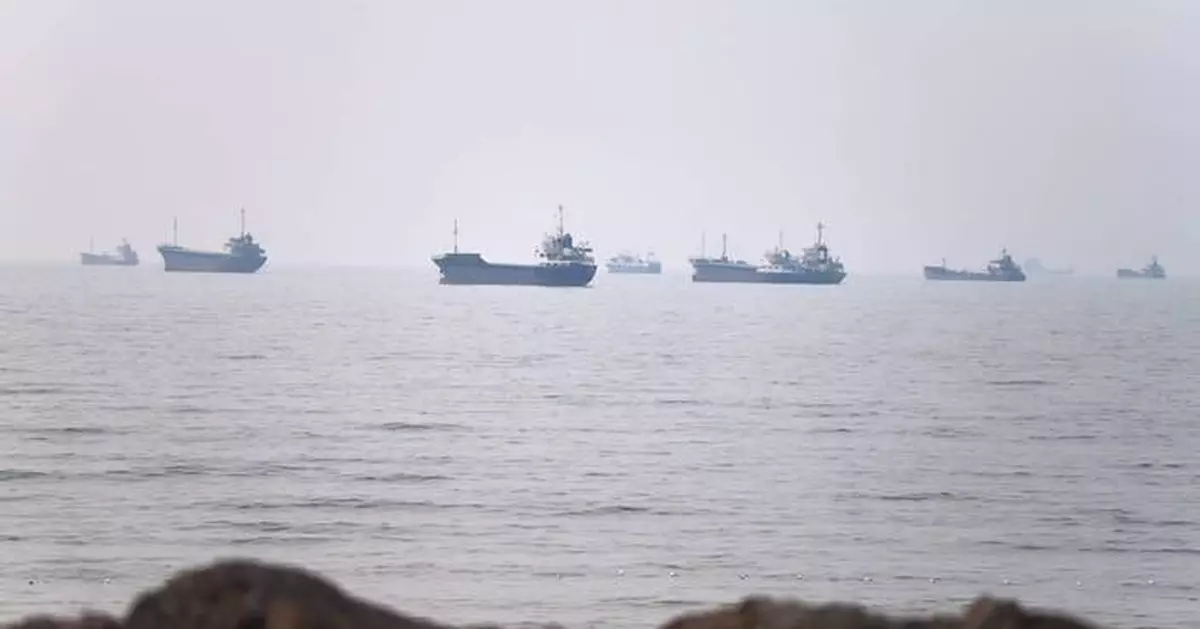
Commercial vessels are seen in the Strait of Hormuz off Bandar Abbas, Iran, Tuesday, June 30, 2026. (Amirhosein Khorgooi/ISNA via AP)
LONDON (AP) — Prime Minister Keir Starmer formally apologized Thursday for the British state's role in separating tens of thousands of unmarried mothers from their babies, a practice that lasted for decades until the 1970s.
He said in Parliament that “we are deeply and profoundly sorry” for what he called a “stain on our history.”
An estimated 185,000 babies of unmarried mothers were adopted in England and Wales between 1949 and 1976. Campaigners have fought for years for acknowledgment that women were pressured, deceived and threatened into giving up their babies.
Starmer, who is the final weeks of his premiership, said women were “coerced, bullied or misled into feeling that they had no choice but to have their children taken away from them.”
“Children grew up believing they were unwanted” and mothers were told “their babies would be better off without them,” he said.
“To every one of those affected we say a deep and heartfelt sorry,” Starmer said.
Britain is one of several countries reckoning with the legacy of social norms, religious practices and government policies that heaped shame on unwed mothers, hid them away in institutions while pregnant and took their children to be adopted by married couples.
Ann Keen, a former U.K. health minister whose baby was taken for adoption in 1966 when she was 17, said she was looking forward to “being released from my shame.”
“We need this apology, because we have always been accused of giving up our babies, and we didn’t give them up,” she told the BBC. “We’ve now got the opportunity to really put this wrong right.”
In 2022, Parliament’s Joint Committee on Human Rights said the British state should apologize for “the pain and suffering caused by public institutions and state employees that railroaded mothers into unwanted adoptions.”
The semiautonomous governments in Scotland and Wales issued apologies the following year, but the Conservative U.K. government at the time declined to follow suit.
The apology from Starmer’s Labour Party government comes two weeks after the Church of England said sorry for its role in forced adoptions.
Archbishop of Canterbury Sarah Mullally said that “we are profoundly sorry for the pain, trauma and stigma experienced — and still carried — by many people because of historical adoption practices in homes affiliated to the Church of England.”
Other countries have been facing up to a similar history.
In 2013, Australia’s then-Prime minister, Julia Gillard, delivered a landmark national apology for the country’s history of forced adoptions and the “lifelong legacy of pain and suffering” it had caused.
Ireland has been reckoning with the legacy of mother-and-baby homes run by the Catholic Church, in which tens of thousands of women were housed in often degrading conditions. An inquiry found in 2021 that 9,000 children had died in 18 mother-and-baby homes during the 20th century.
Prime Minister Micheál Martin apologized for the “profound and generational wrong” visited upon mothers and their babies who ended up in the institutions.
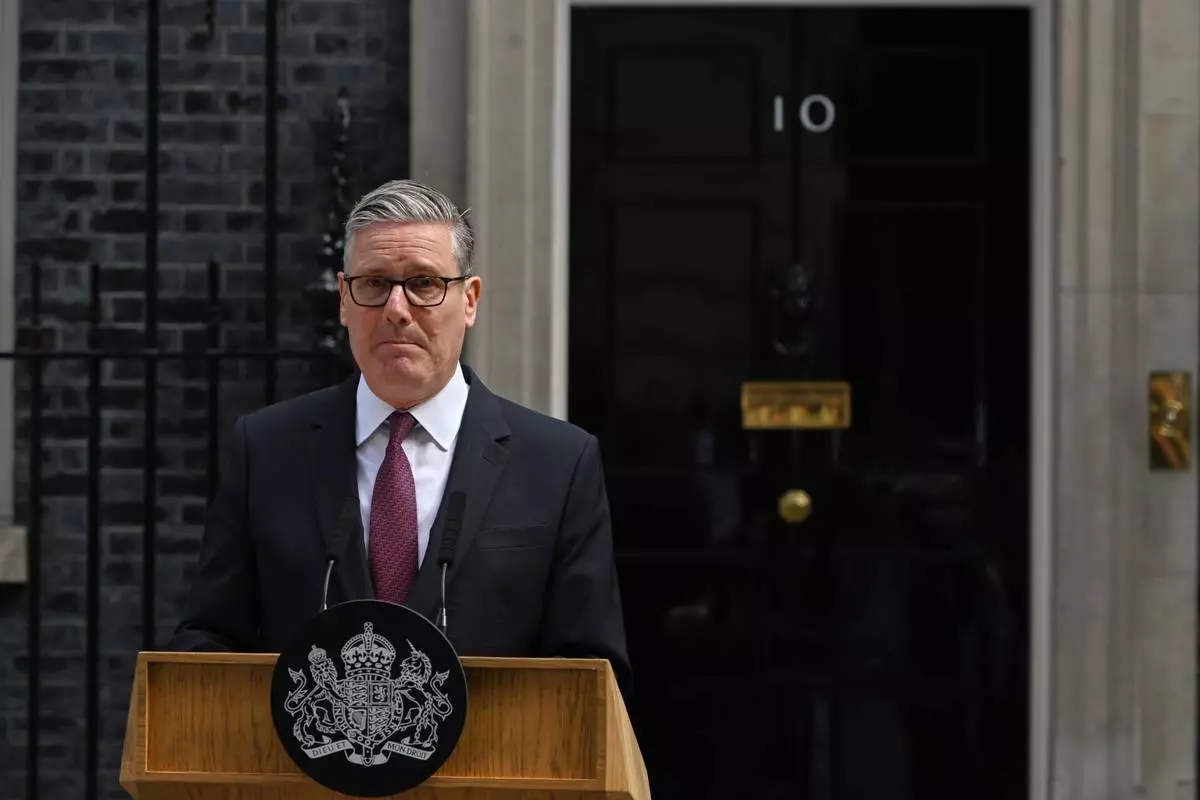
Britain's Prime Minister Keir Starmer speaks to the media outside 10 Downing Street to announce his resignation in London, Monday, June 22, 2026.(AP Photo/Thomas Krych)