Skip to Content Facebook Feature Image

Medical University of Graz Enrolls First Patient in DEEPER CHALLENGE Trial Evaluating Spur® Peripheral Retrievable Scaffold System in a Select CLTI Cohort

Business

Medical University of Graz Enrolls First Patient in DEEPER CHALLENGE Trial Evaluating Spur® Peripheral Retrievable Scaffold System in a Select CLTI Cohort
Business

Business

Medical University of Graz Enrolls First Patient in DEEPER CHALLENGE Trial Evaluating Spur® Peripheral Retrievable Scaffold System in a Select CLTI Cohort

2026-07-02 19:00 Last Updated At:19:11

SAN CLEMENTE, Calif.--(BUSINESS WIRE)--Jul 2, 2026--

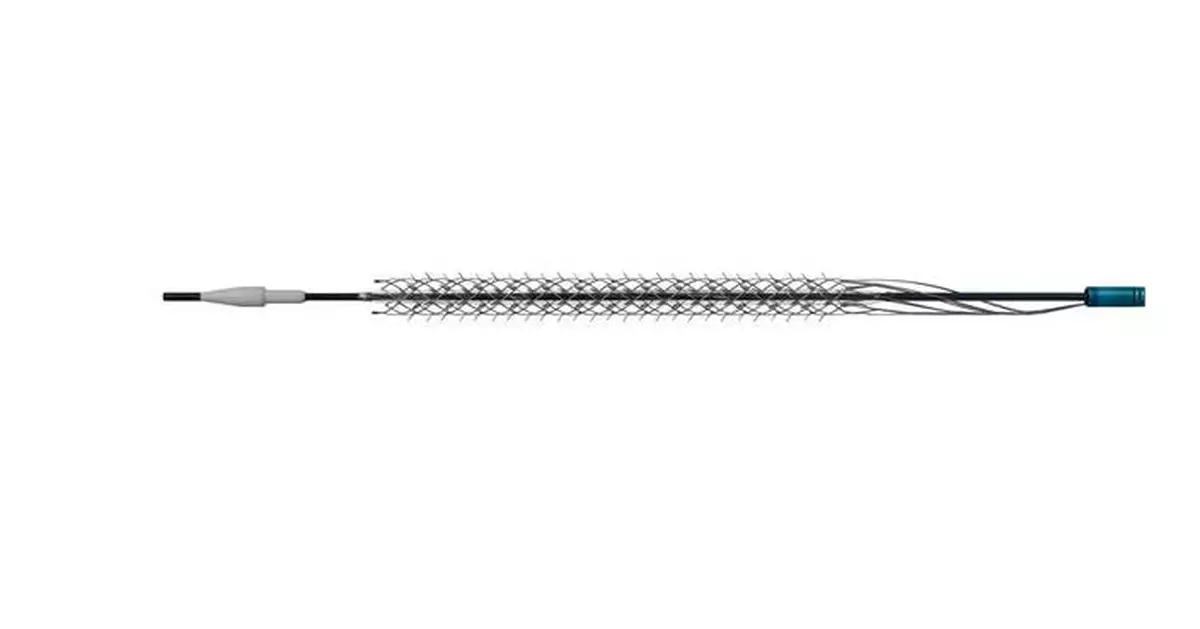
Reflow Medical, Inc. announces that the Medical University of Graz has enrolled the first patient in the DEEPER CHALLENGE clinical trial. This investigator-initiated, single-center, single-arm, prospective study, supported by a grant, investigates early vessel recoil following below-the-knee treatment using the Spur ® Peripheral Retrievable Scaffold System in combination with a commercially available drug-coated balloon.

This press release features multimedia. View the full release here: https://www.businesswire.com/news/home/20260701995624/en/

The study plans to enroll up to 40 patients with chronic limb-threatening ischemia (CLTI) across two distinct cohorts: patients with diabetes and patients with end-stage renal disease receiving hemodialysis for at least six months, with women comprising no less than 50 percent of each cohort.

The study aims for a better understanding of the mechanical response of vessels immediately following treatment in patient populations that often experience complex lesion morphology and higher rates of restenosis. The primary endpoint is early vessel recoil, assessed by angiography within 15 minutes after treatment. Secondary endpoints include major adverse limb events, mortality, and reintervention outcomes through 12 months, and hemodynamic outcomes through 30 days.

“This study is an important step in understanding early vessel recoil in challenging below-the-knee interventions,” said Dr. Katharina Kurzmann-Gütl, Principal Investigator at the Medical University of Graz. “By focusing on selective patient cohorts and ensuring balanced female representation, this research aims to generate data that more accurately reflects the clinical realities of treating complex peripheral artery disease.”

“Patients with end-stage kidney disease or diabetes are often underrepresented in CLTI studies, despite facing higher risks of restenosis and limb-threatening ischemia, while females are underrepresented in most medical studies,” added Prof. Marianne Brodmann, Co-Investigator and Head of the Division of Angiology at the Medical University of Graz. “This study’s specific inclusion criteria and focus on early vessel recoil will provide insights into the vessel’s immediate mechanical response after endovascular therapy.”

“We are pleased to support this investigator-initiated study led by the Medical University of Graz, which addresses important questions in below-the-knee disease,” said Dejan Ilic, Vice President of Global Marketing at Reflow Medical. “The study reflects our continued commitment to collaborating with physicians to advance clinically driven research in high-risk patient populations.”

AboutReflow Medical, Inc.

Reflow Medical is a global company that partners with leading physicians to develop innovative technologies addressing unmet clinical needs in the endovascular treatment of complex cardiovascular disease. The company’s portfolio includes coronary and peripheral microcatheters, crossing catheters, and its proprietary Retrievable Scaffold Therapy (RST) platform. The coronary Cora Catheters™ line is FDA approved. The peripheral product line includes Wingman™, Spex ®, Spex LP, and Spur ®, which have FDA clearance and CE Mark registration. Reflow Medical is headquartered in San Clemente, California.
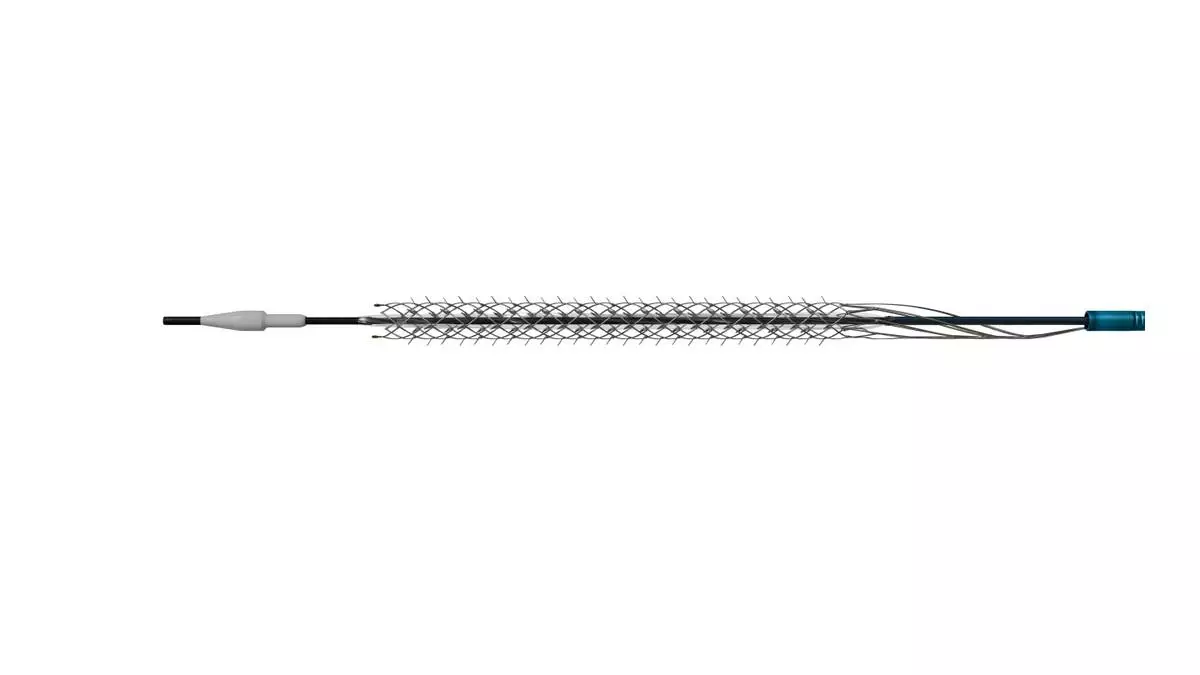
The study investigates early vessel recoil following below-the-knee treatment using the Spur® Peripheral Retrievable Scaffold System in combination with a commercially available drug-coated balloon.


The study investigates early vessel recoil following below-the-knee treatment using the Spur® Peripheral Retrievable Scaffold System in combination with a commercially available drug-coated balloon.

LONDON (AP) — Prime Minister Keir Starmer formally apologized Thursday for the British state's role in separating tens of thousands of unmarried mothers from their babies, a practice that lasted for decades until the 1970s.

He said in Parliament that “we are deeply and profoundly sorry” for what he called a “stain on our history.”

An estimated 185,000 babies of unmarried mothers were adopted in England and Wales between 1949 and 1976. Campaigners have fought for years for acknowledgment that women were pressured, deceived and threatened into giving up their babies.

Starmer, who is the final weeks of his premiership, said women were “coerced, bullied or misled into feeling that they had no choice but to have their children taken away from them.”

“Children grew up believing they were unwanted” and mothers were told “their babies would be better off without them,” he said.

“To every one of those affected we say a deep and heartfelt sorry,” Starmer said.

Britain is one of several countries reckoning with the legacy of social norms, religious practices and government policies that heaped shame on unwed mothers, hid them away in institutions while pregnant and took their children to be adopted by married couples.

Ann Keen, a former U.K. health minister whose baby was taken for adoption in 1966 when she was 17, said she was looking forward to “being released from my shame.”

“We need this apology, because we have always been accused of giving up our babies, and we didn’t give them up,” she told the BBC. “We’ve now got the opportunity to really put this wrong right.”

In 2022, Parliament’s Joint Committee on Human Rights said the British state should apologize for “the pain and suffering caused by public institutions and state employees that railroaded mothers into unwanted adoptions.”

The semiautonomous governments in Scotland and Wales issued apologies the following year, but the Conservative U.K. government at the time declined to follow suit.

The apology from Starmer’s Labour Party government comes two weeks after the Church of England said sorry for its role in forced adoptions.

Archbishop of Canterbury Sarah Mullally said that “we are profoundly sorry for the pain, trauma and stigma experienced — and still carried — by many people because of historical adoption practices in homes affiliated to the Church of England.”

Other countries have been facing up to a similar history.

In 2013, Australia’s then-Prime minister, Julia Gillard, delivered a landmark national apology for the country’s history of forced adoptions and the “lifelong legacy of pain and suffering” it had caused.

Ireland has been reckoning with the legacy of mother-and-baby homes run by the Catholic Church, in which tens of thousands of women were housed in often degrading conditions. An inquiry found in 2021 that 9,000 children had died in 18 mother-and-baby homes during the 20th century.

Prime Minister Micheál Martin apologized for the “profound and generational wrong” visited upon mothers and their babies who ended up in the institutions.

Britain's Prime Minister Keir Starmer speaks to the media outside 10 Downing Street to announce his resignation in London, Monday, June 22, 2026.(AP Photo/Thomas Krych)

Britain's Prime Minister Keir Starmer speaks to the media outside 10 Downing Street to announce his resignation in London, Monday, June 22, 2026.(AP Photo/Thomas Krych)

Recommended Articles