China welcomes strengthened dialogue and deepened cooperation between the commerce departments of China and the Netherlands, foreign ministry spokeswoman Mao Ning said on Monday.
Speaking at a regular press briefing in Beijing, Mao responded to a media query concerning Dutch Minister of Foreign Trade and Development Cooperation Sjoerd Sjoerdsma's upcoming visit to China.
"China and the Netherlands are important partners for each other. Advancing dialogue and cooperation in an open and pragmatic spirit serves the common interests of both countries. We welcome the two countries' commerce departments strengthen dialogue and exchanges, as well as deepen cooperation based on mutual respect," said Mao.
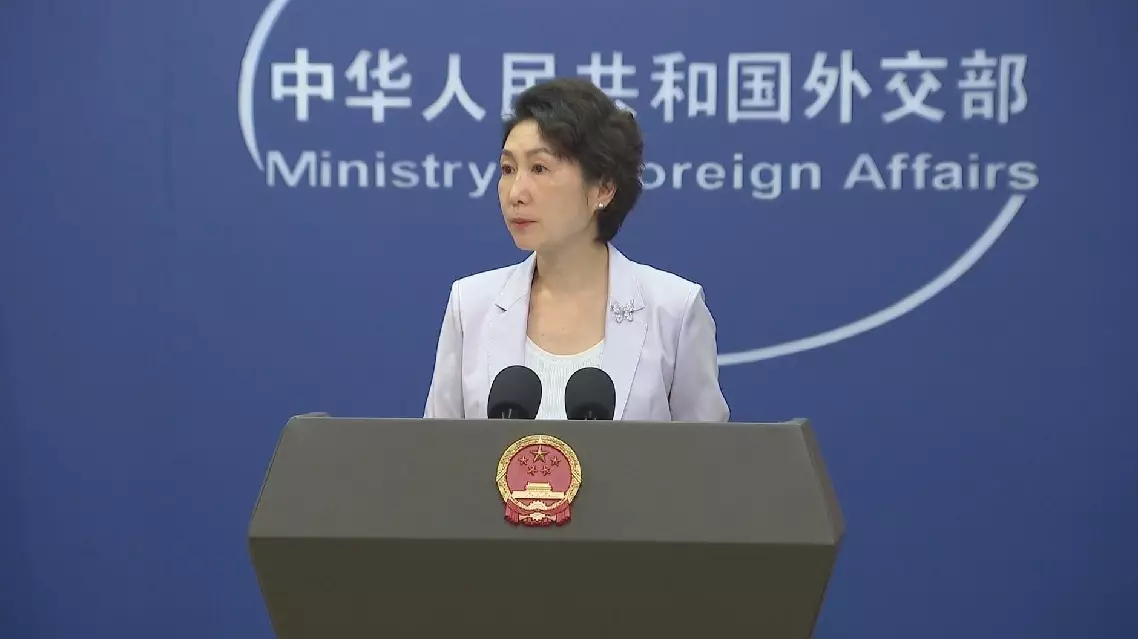
China welcomes closer dialogue, cooperation with Netherlands: spokeswoman
The Beijing Space Computing Innovation Center, unveiled on June 29 in the capital city's satellite town in the northwestern district of Haidian, is expected to gather talent across sectors and drive growth in the space computing industry, according to industry insiders.
Jointly led by the Beijing University of Posts and Telecommunications and leading enterprises in the space computing sector, the center will work on tackling common technological challenges such as large-scale space models, while advancing the construction of public platforms, the formulation of industry standards, and the commercialization of application scenarios.
The Beijing Space Computing Innovation Alliance was also launched at the same time, expected to bring together 108 diverse innovation entities ranging from universities and research institutes to state-owned enterprises and private companies to pool resources and strengthen industry collaboration.
"Space computing power in effect is a field with a very long industrial chain, covering commercial aerospace -- which has developed rapidly in recent years -- as well as chips, artificial intelligence, cloud-related technologies, and specific application scenarios -- integrating all of these together for organized research and development," said Fu Yunhao, CEO of Beijing Tiansuan Xinglian Technology Company.
"As satellite networks become increasingly advanced, they will inevitably host a variety of value-added services and applications. And these value-added services and applications will certainly require computing," said Wang Shangguang, dean of the School of Computer Science at the Beijing University of Posts and Telecommunications.
Space computing power technologies refer to deploying computing facilities within an orbital satellite system so that massive volumes of data can be processed, stored and transmitted in orbit. Compared with traditional space information processing method, where data collected by satellites need to be sent back to the Earth for processing, space computing power technologies can break through latency bottlenecks and be applied to numerous scenarios such as remote sensing and monitoring.
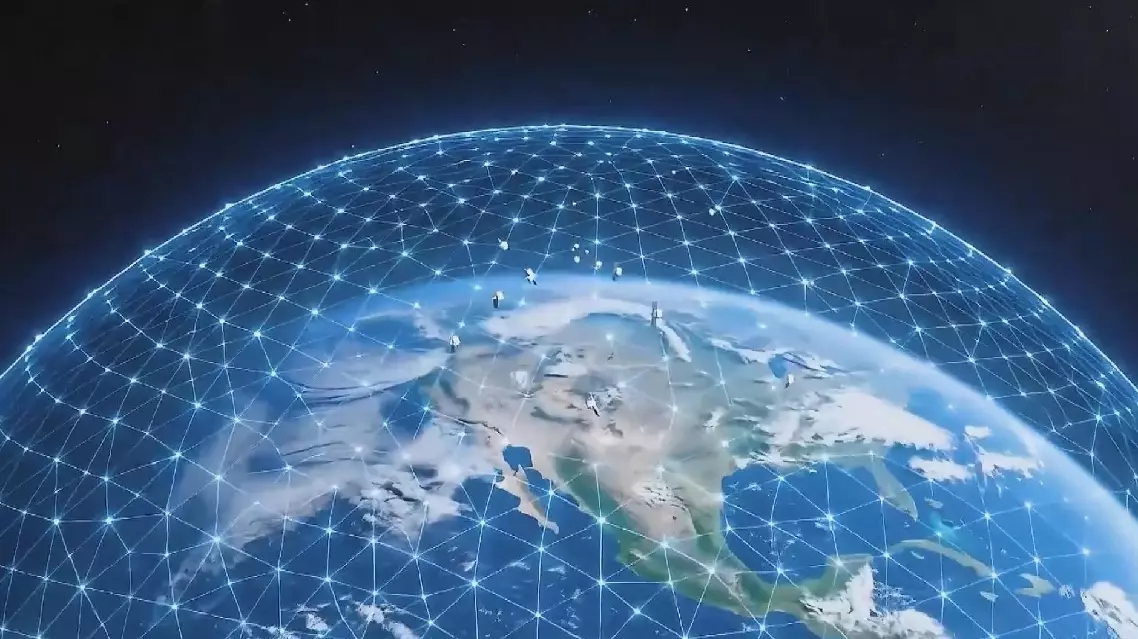
Beijing's new space computing innovation center to attract talent, drive growth: insiders