Diplomatic tensions between China and Japan, triggered by the Takaichi administration last year, have led to a surge in flight cancellations on China-Japan routes, dealing a heavy blow to Japan's tourism sector, according to industry analysts.
The decline in passenger air transport between China and Japan comes amid tensions triggered by Japanese Prime Minister Sanae Takaichi’s provocative remarks on Nov. 7 last year regarding China’s Taiwan region. In those statements, she claimed that a Taiwan contingency could constitute a "survival-threatening situation" for Japan, and implied that Tokyo might invoke the so‑called "right to collective self-defense" for armed intervention across the Taiwan Strait.
In June this year, all flights on 25 China-Japan air routes were fully canceled and a total of 1,488 flights between the Chinese mainland and Japan were canceled, marking a cancellation rate of 37.5 percent, data from flight tracking platform DAST showed.
"In the first half of this year, Japan was the hardest-hit international aviation market. The core reason behind this was the Japanese government's incorrect practice that seriously affected bilateral relations and hurt the feelings of Chinese tourists. So, the need by Chinese tourists to visit Japan has been largely reduced," said Lin Zhijie, a civil aviation industry analyst, when taking an online interview with the China Global Television Network (CGTN).
Behind the cancellation of flights is the decline in the number of Chinese tourists. Data released by Japan National Tourism Organization shows that their numbers plunged over 60 percent year on year in May, continuing a six-month downward trend.
"China was previously the largest source of tourists to Japan. Meanwhile, the per capita consumption of tourists from the Chinese mainland is also significantly higher than the average level of international tourists. With these factors, I believe, it will have a huge impact on Japan's tourism industry and the economy of tourist cities," said Lin.
On the other hand, South Korea, Thailand, and Malaysia are expected to welcome more flights from China during this summer vacation. Data from Qunar, a Chinese leading online travel platform, showed that bookings from first-time travelers to Thailand are 3.6 times higher year on year, while for South Korea and Indonesia, the figures went up by 50 percent and 30 percent, respectively.
"I believe airlines would reallocate their transport capacity. For example, more flights would be arranged to fly to some Southeast Asian countries or to domestic destinations. If there is no significant improvement in bilateral relations, we expect the flight volume to further decline in the second half of the year," said Lin.
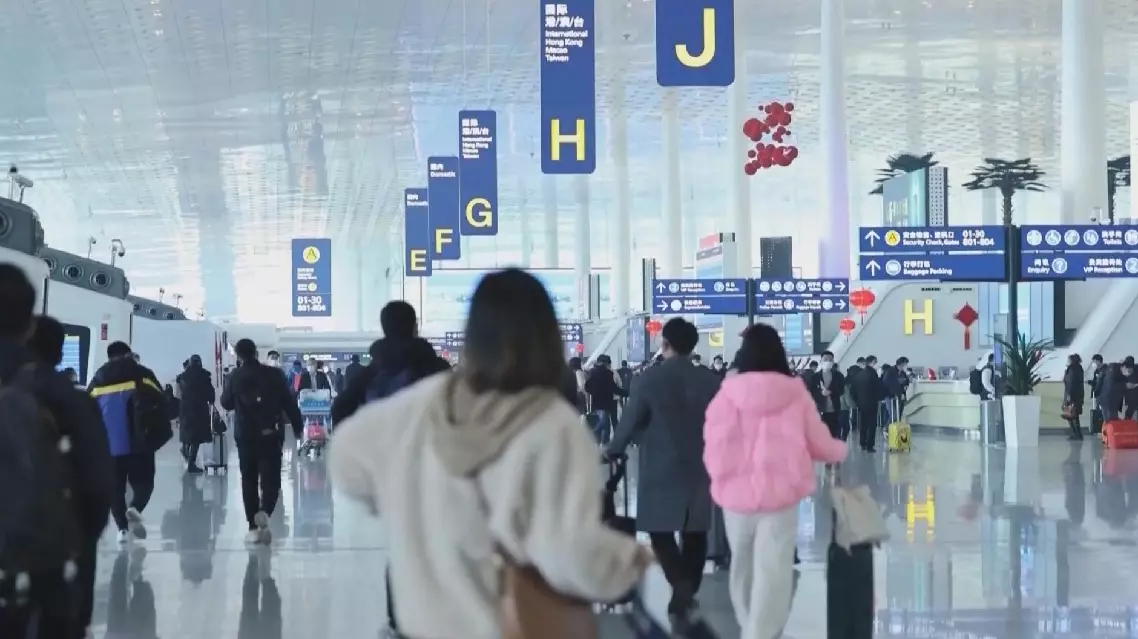
Air passenger traffic between China, Japan slumps in H1