As Typhoon Bavi, the ninth of the year, barreled towards China's eastern coast on Wednesday, local authorities in areas on its trajectory activated emergency-response plans to ensure public safety.
Based on the typhoon's trajectory and projected path, the Zhejiang Maritime Bureau in east China's Zhejiang Province initiated a Level-III emergency response at 8:00 on Wednesday.
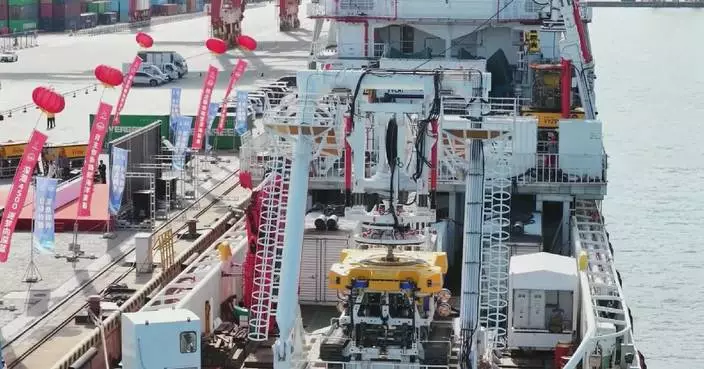
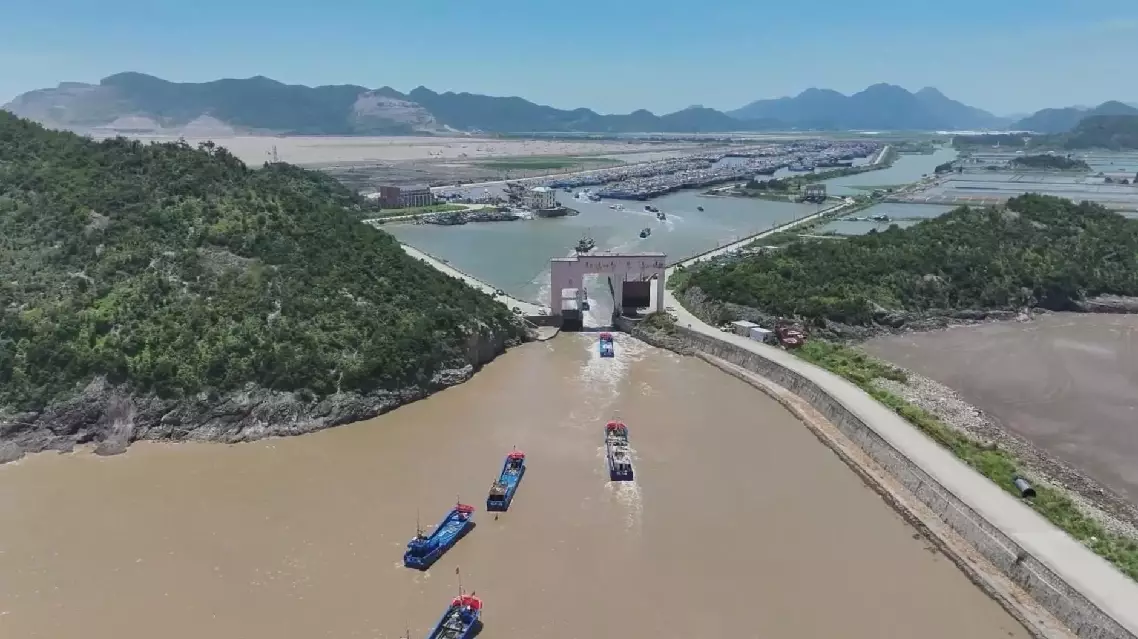
By 8:00, all 205 coastal projects across Zhejiang Province had been suspended, with 546 construction vessels relocated to safe sheltered waters. Passenger services were also severely affected, as 52 passenger routes and 98 passenger ships were ordered to halt operations. More than 3,000 people were evacuated from remote island areas.
To ensure rapid response to any emergencies, the local maritime authority has dynamically deployed 72 patrol vessels, eight large-horsepower tugboats, and one professional rescue aircraft on standby.
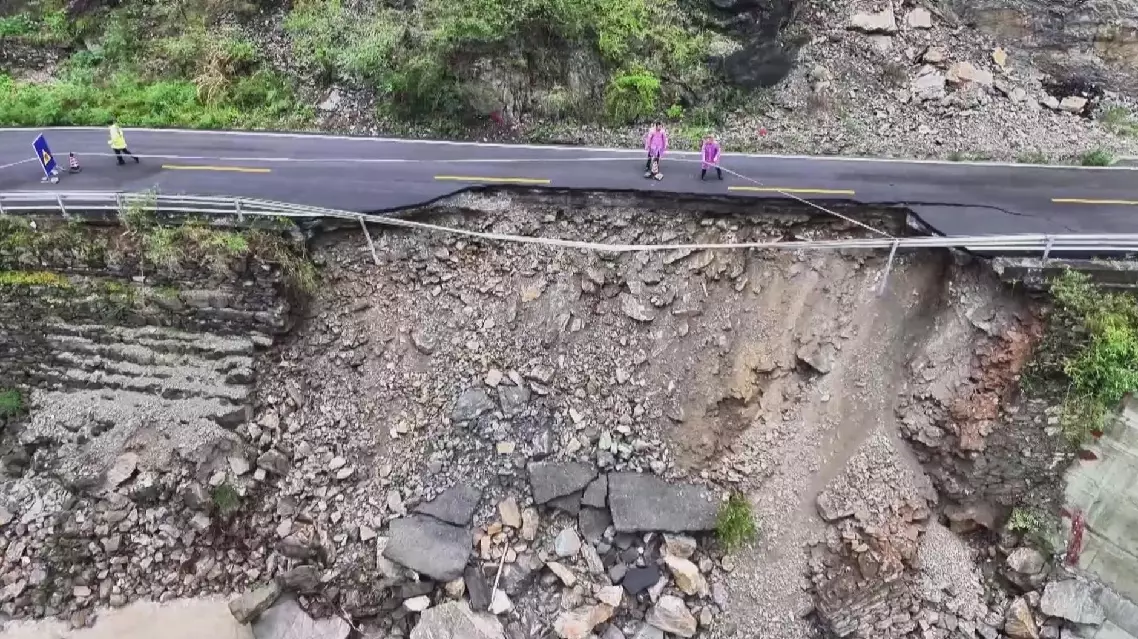
According to joint assessments by the Ministry of Transport and the China Meteorological Administration, 29 regions in nine provinces and autonomous regions, including Jiangxi, the Guangxi Zhuang Autonomous Region and Guizhou, had seen more than 15 days of rainfall as of Tuesday, leading to treacherous road conditions.
Local transport authorities have intensified inspections for geological hazards and road patrols while refining proactive safety measures to mitigate potential disruptions.
Chinese maritime, transport authorities activate contingency plans as typhoon Bavi approaches