China's eastern coastal provinces have intensified typhoon prevention and response efforts as Typhoon Bavi, the ninth of the year, approaches with strong winds and heavy rain.
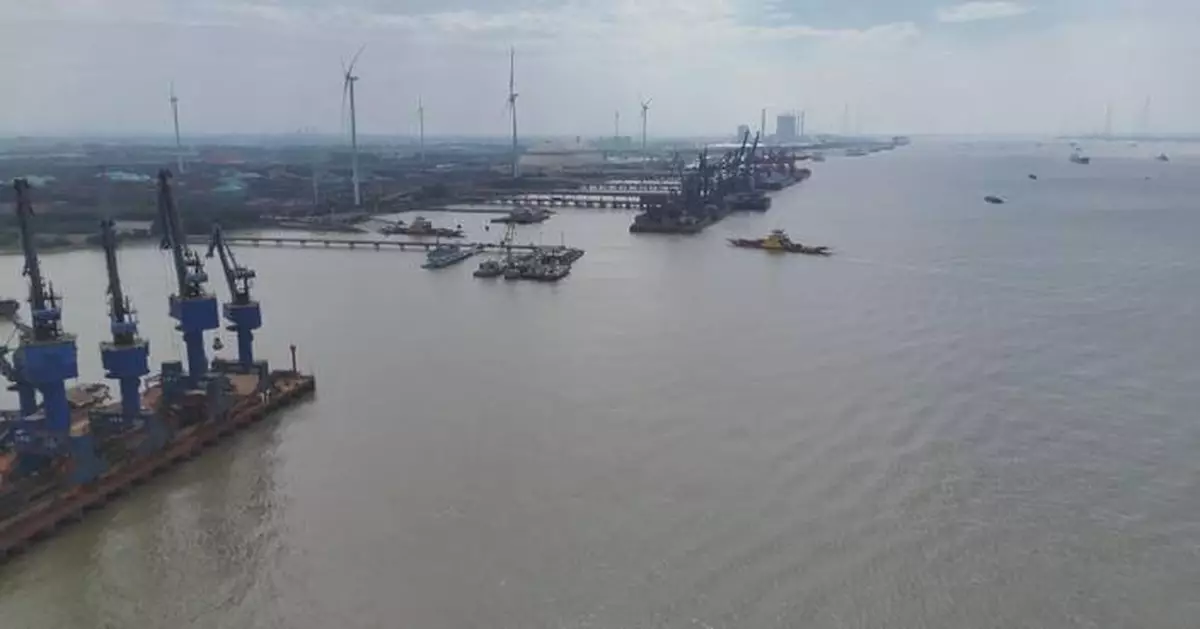
In Jiangsu, the provincial maritime safety administration raised its emergency response to Level III, a status requiring suspension of operations and evacuation of personnel in exposed areas, late Thursday. All waterway activity along the Yangtze River section was halted, vessels were directed to nearby shelters, and more than 600 workers on the Zhangjinggao Yangtze River Bridge project were evacuated from island construction sites.
The river, normally crowded with traffic, was largely empty Friday as vessels under 80 meters were placed under traffic control and others sought refuge in inland waterways and anchorages. By noon, all above‑ and below‑water construction and sea trials had been halted, and fishery authorities ordered coastal boats back to port by 6 p.m., completing the evacuation of 1,149 personnel from 267 construction vessels.
"Since July 8, we have evacuated about 500 vessels from anchorages, mooring areas, and ports within our jurisdiction. We have also deployed six patrol boats and 15 high-horsepower tugboats to standby points for 24-hour emergency readiness to handle all types of contingencies," said Li Yasai, director of the command center at the Jiangyin Maritime Safety Administration.
Major infrastructure projects also advanced evacuation plans. Work on the Zhangjinggao Bridge, set to be the world’s longest‑span suspension bridge, was suspended at 4 p.m. Thursday, with more than 600 island‑based workers ferried to resettlement sites and all personnel evacuated by midnight.
Meanwhile in Shanghai, where Typhoon Bavi is expected to bring significant wind and rainfall from July 11 to 13, authorities reinforced defenses across key sectors.
In Pudong New Area, the fire and rescue department inspected flood‑control vehicles and boats, stocked life jackets and lighting gear, and reinforced doors and windows in older high‑rise communities. Additionally, sandbags and barriers were laid in water‑prone neighborhoods, while emergency teams in Chongming checked equipment for clearing fallen trees.
In Jinshan District, inspectors focused on hazardous‑chemical warehouses, testing emergency pumps and verifying flood‑control supplies.
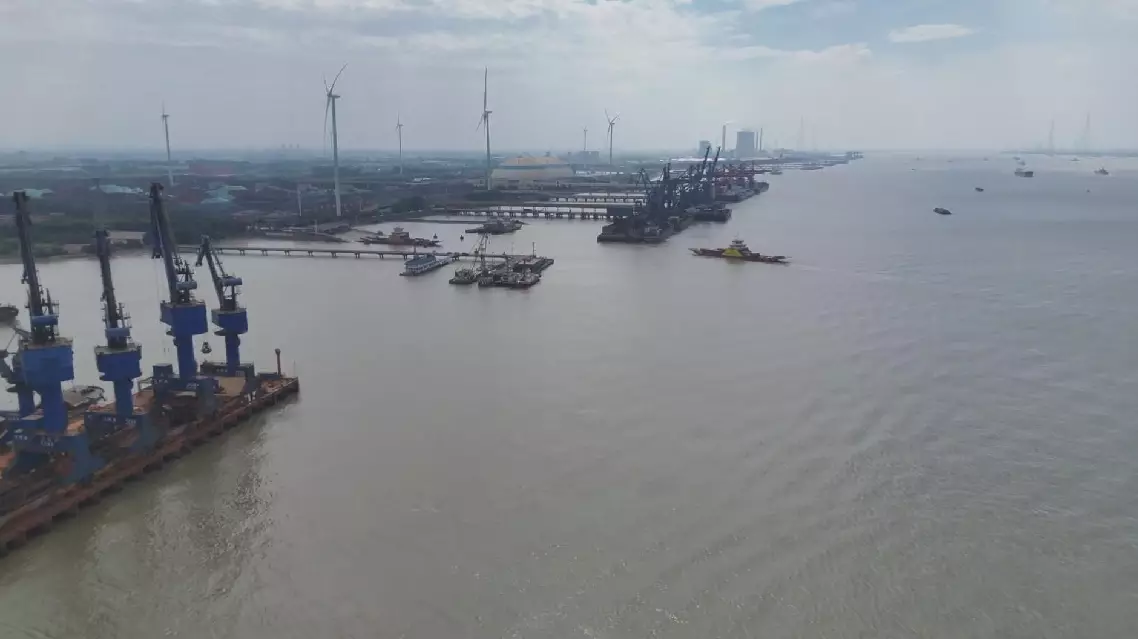
China's eastern provinces step up defenses as Typhoon Bavi approaches
China's Producer Price Index (PPI) rose 1.5 percent year‑on‑year in the first half of the year, influenced by improved supply‑demand dynamics in domestic industries and fluctuations in international commodity prices, the National Bureau of Statistics (NBS) said Friday.
The growth rate widened compared with the same period last year, pointing to a gradual recovery in industrial production prices, the NBS said.
Data showed that in June alone, the PPI increased by 4.1 percent, with the growth rate widening by 0.2 percentage points compared to the previous month.
"In terms of production, the industrial sector has become increasingly intelligent, green, and integrated, while the new economy and new growth drivers played an ever-greater role in supporting and leading the sector, resulting in rising prices in related industries," said Dong Lijuan, chief statistician of the NBS' Department of Urban Surveys.
Due to international factors, prices in the petroleum-related industries have shifted from a downward trend to an upward one. In the first half of the year, prices in petroleum and natural gas extraction, as well as petroleum, coal, and other fuel processing industries, all turned from decline in the first quarter to growth, according to the NBS.
Additionally, certain downstream manufacturing sectors saw sustained price improvement thanks to optimized market competition order. The year-on-year growth rates of ex-factory prices in the electrical machinery and equipment manufacturing sector, as well as the computer communication, and other electronic equipment manufacturing sector, both expanded compared to last year.
In the non-ferrous metals industry, driven by demand from new energy and artificial intelligence development, prices continued their strong upward trend. Specifically, in the first half of the year, ex-factory prices in non-ferrous metal mining and dressing, as well as non-ferrous metal smelting and rolling processing, rose by 31.7 and 21.9 percent year-on-year, respectively.
In the petrochemical industry, influenced by the U.S.-Israel-Iran conflict, prices rose to varying degrees. In the first half of the year, ex-factory prices in petroleum and natural gas extraction, petroleum, coal, and other fuel processing, and chemical raw materials and chemical products manufacturing increased by 8.6 percent, 3.1 percent, and 3.9 percent year-on-year respectively.
In the ferrous metals industry, supported by front-loaded infrastructure investment and strengthened capacity and output regulation, prices stabilized. The year-on-year price change in ferrous metal smelting and rolling processing turned from negative to positive starting in May, with the decline in the first half of the year narrowing compared to the same period last year.
"Certain downstream manufacturing sectors have seen sustained price improvement under the influence of optimized market competition order, computing infrastructure construction, and industrial technology upgrades. In the first half of the year, the year-on-year growth rates of ex-factory prices in the electrical machinery and equipment manufacturing sector, as well as the computer, communication, and other electronic equipment manufacturing sector, both expanded compared to the same period last year," said Liu Nancun, an economist with the National Development and Reform Commission.
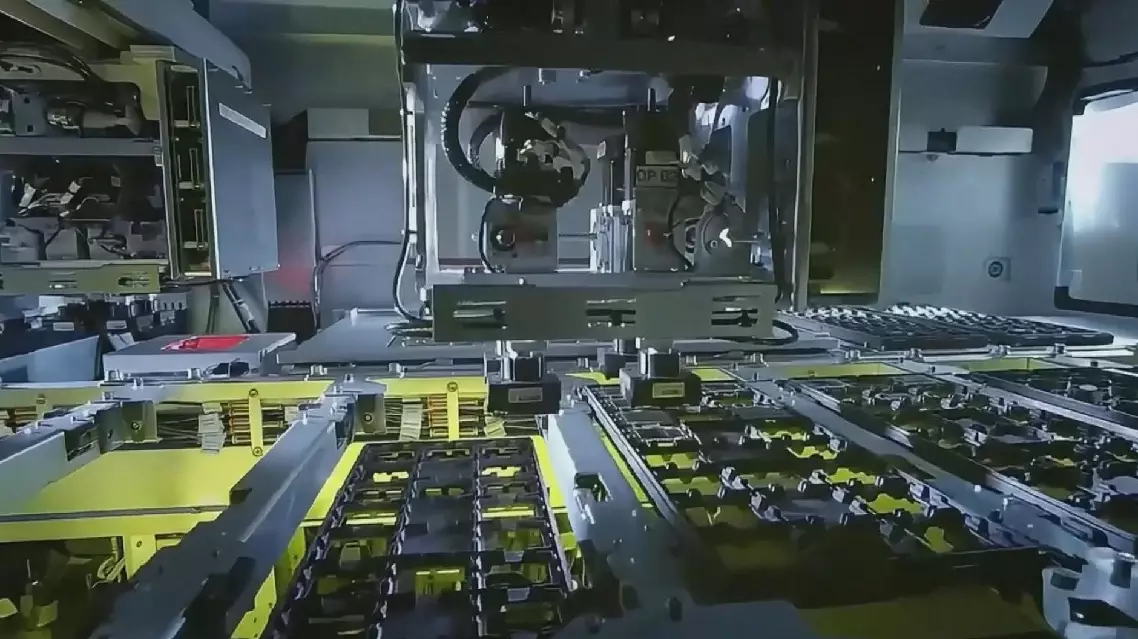
China's PPI rises 1.5 pct in first half of 2026