Iran has accused the United States of repeatedly violating multiple provisions of a memorandum of understanding (MoU) signed in mid June this year.
In an interview with an Iranian media on Friday, Iranian Foreign Ministry spokesman Esmaeil Baqaei said that the U.S. violations have become habitual and it is continuously violating the agreement's various terms despite its recent signing.
Baghaei noted that strikes conducted on Wednesday and Thursday openly violated Articles 1 and 2 of the MoU. Additionally, the U.S. announcement canceling licenses related to Iranian oil sales and the declaration of new sanctions against Iran also clearly breached corresponding provisions of the MoU.
The Iranian state television reported on Friday that Iranian Parliament Speaker Mohammad Bagher Ghalibaf said that Iran has never relaxed its readiness to defend the nation.
At any time, should the United States renege on the agreement reached between both sides, Iran is fully prepared to defend itself, will resolutely confront the United States, and safeguard the rights of the Iranian people, the speaker added.
The MoU was signed by U.S. President Donald Trump and his Iranian counterpart Masoud Pezeshkian to end the Iran war on June 18. It took effect immediately.
The MoU covers several key areas, including the cessation of hostilities, maritime security and navigation, reconstruction and economic assistance, sanctions relief, nuclear-related commitments, and an executive mechanism.
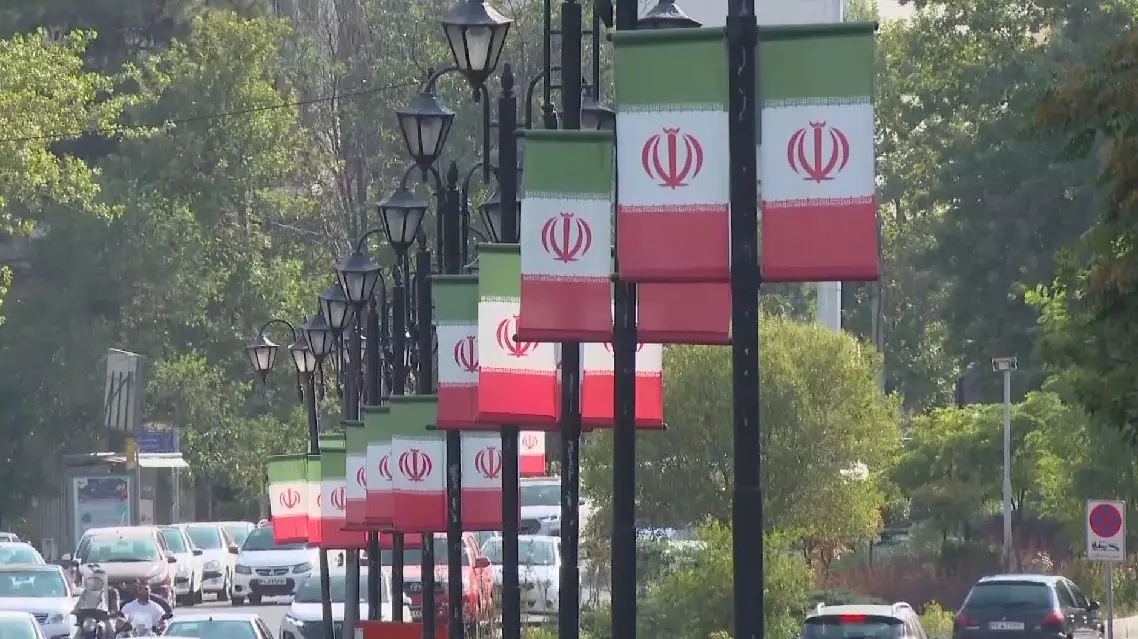
Iran accuses US of violating MoU, vows defense readiness
Ukrainian President Volodymyr Zelensky has called on the United States to let Ukraine independently determine the issue of elections for itself during an interview with an Italian media outlet on Tuesday.
On Oct 10, U.S. President Donald Trump called on Ukraine to hold an election and replace Zelensky with a new leader who could reach a deal with Russia, accusing Zelensky of being unwilling to negotiate a settlement to end the conflict.
Zelensky noted that Russia is raising the issue of elections because it expects that a change of president will ease its pressure. He then expressed surprise that the United States is taking a similar stance.
The Ukrainian President said that open and democratic elections -- with the presence of Western observers -- are impossible under the current situation.
Conducting elections must provide voting opportunities for service members at the front, Ukrainians abroad, and citizens residing within the country, Zelensky added.
On the same day, Zelensky said that he had discussed defense cooperation over the phone with U.S. Secretary of State Marco Rubio.
The talks focused on providing ballistic missile interceptors, early warning of Russian ballistic missile attacks, and the need to restore Starlink/Starshield services, Zelensky said in a post on X, adding that diplomatic efforts to end the Russia-Ukraine conflict were also discussed.
Zelensky thanked Rubio for "his readiness to help and his clear position", describing the conversation as "substantive" and "constructive".
Zelensky said the two sides agreed to speak again soon for an update.
Speaking to reporters in India on the same day, Rubio confirmed the phone talk while denied that the Trump administration has made any changes to previous intelligence sharing with Ukraine.
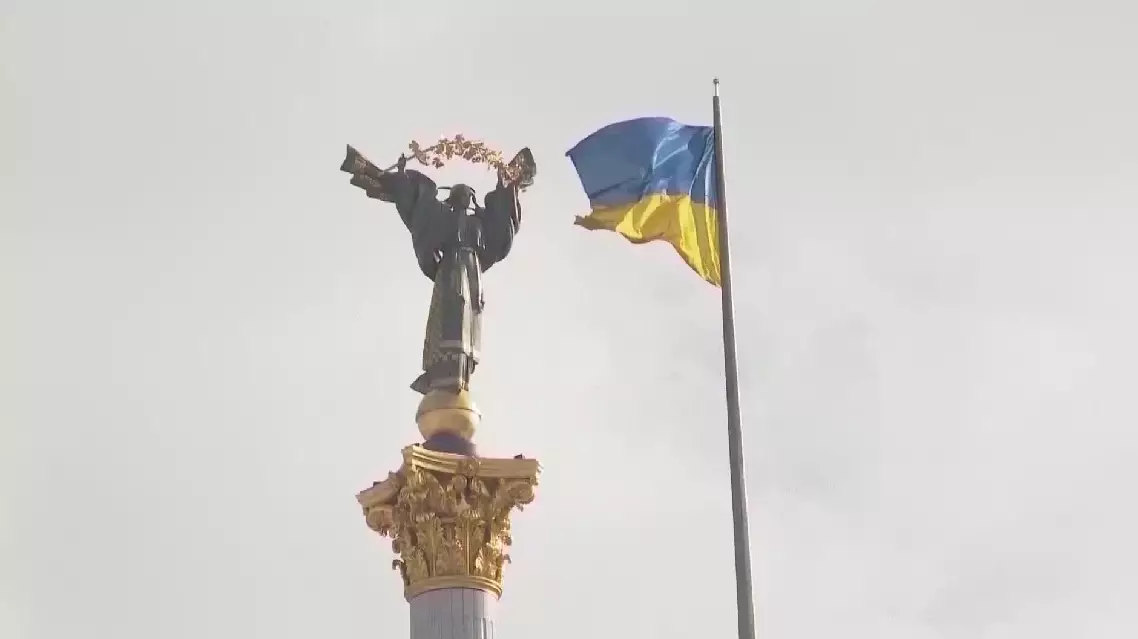
Zelensky calls on US to let Ukraine determine elections for itself
Zelensky calls on US to let Ukraine determine elections for itself