Widespread concern has emerged among the American public as persistent uncertainty continues to surround the U.S.-Iran conflict and flaring tensions belie a diplomatic resolution.
The United States and Iran officially signed a 14-point MoU on June 17, 2026, aimed at halting hostilities. Brokered by Pakistan, the deal mandated a permanent ceasefire across all fronts, including Lebanon, and a framework to ease U.S. sanctions and reopen the Strait of Hormuz.
But U.S. forces carried out repeated strikes against Iran earlier this week in response to several attacks on commercial vessels transiting the Strait of Hormuz.
The extended conflict has dismayed even some supporters of U.S. President Donald Trump, who campaigned on an end to America's "forever wars."
"I voted for Trump, I'm going to be honest, but he's just a puppet. We have a bunch of veterans out there sacrificing their life, losing their lives just for just a bunch of lies, just for money and for whatever they want," said Emanuel Nazco, a U.S. citizen.
Others in the country have expressed sympathy with the Iranian side, saying that attacks on the country are fundamentally unjust.
"I have Iranian friends I study with. And it's really hurting them too with the student visas. It's the H-1B visa. They'll send them right back if the job is done or if the job is over. So Iran's been through this. I think they'll push through, but it's all upon us to take accountability," said Fernando Aldridge, another U.S. resident.
"I think it's a shame for the U.S. Because I think we should have never gotten there in the first place. We went after the wrong battle for the wrong reason," said Christophe Petit, also a U.S. resident.
A new round of U.S.-Iran negotiations is expected to be held next week, possibly in Switzerland, according to a report from U.S. media.
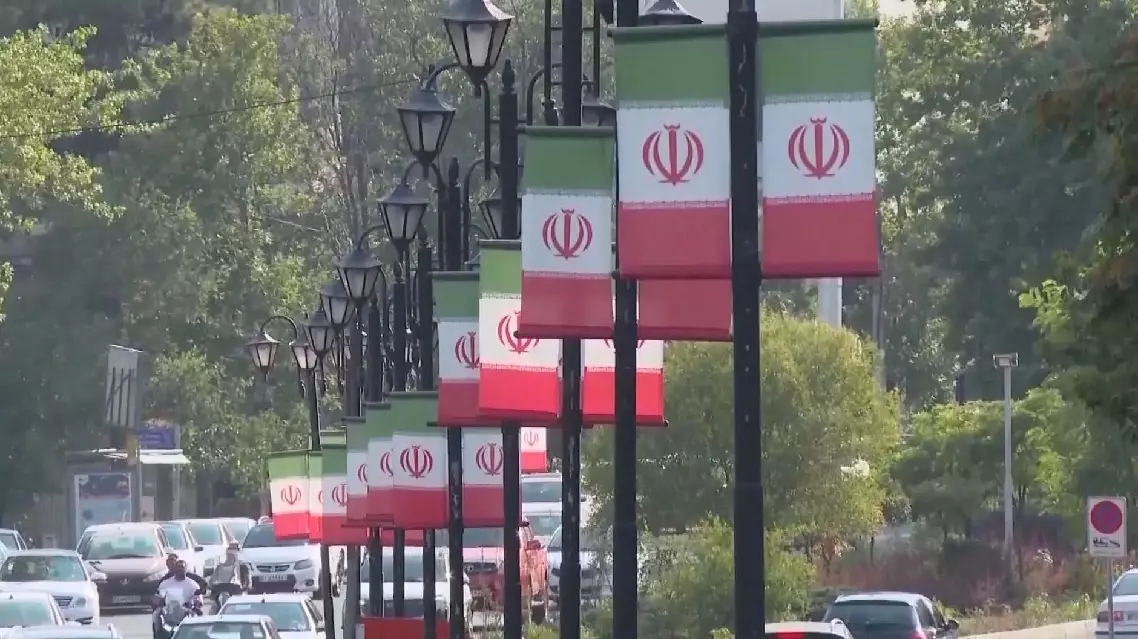
Uncertainty surrounding US-Iran conflict sparks frustration among US public