Concerns over the resurgence of cholera are mounting in Yemen, where the healthcare system is already struggling after a decade of war, leaving thousands of people at greater health risk as suspected cases continue to rise.
At the emergency department of Al Jumhouri Hospital in southwestern Yemen's Taiz province, medical teams are working around the clock to treat patients struck by the waterborne disease, with severe dehydration driving a surge in urgent admissions.
Fatima Qaed, a 60-year-old Taiz resident, shared her firsthand account of fighting the disease.
"First came severe diarrhea. I endured the pain for two days, but on the third day, I started vomiting severely. The diarrhea and vomiting just wouldn't stop. It is a relentless, severe illness. I couldn't even sleep. I felt like I was dying. I already have high blood pressure and diabetes, so I was terrified my condition would worsen. When they told me I had cholera, I was extremely terrified," she said.
Fatima's case is far from an isolated incident, as Yemen is currently experiencing a new surge in infections.
According to the latest data from the World Health Organization (WHO), nearly 5,000 suspected cases of cholera and acute watery diarrhea have been reported since the beginning of 2026, along with seven deaths.
Most of these cases, recorded since late April, have been concentrated in areas under the control of the internationally-recognized Yemeni government, including Taiz.
Local health authorities warn the outbreak is fueled by deep, long-running crises across the country.
"Regarding the current epidemic situation in Yemen, multiple diseases and outbreaks are spreading across the country, and cholera is one of them. Cholera is a disease fueled by war and the shortage of international financial aid in recent years," said Tayseer Al-Samaei, spokesperson for the Taiz Health Office.
The current outbreak places Yemen among the countries most affected by cholera worldwide. It ranks seventh globally in the number of suspected cases, and second in the WHO's Eastern Mediterranean Region after Afghanistan.
The WHO warns that the continued spread is closely linked to the deterioration of water and sanitation services, a fragile healthcare system, and critical shortages of medical staff and supplies. With unsafe water sources remaining a primary driver of the disease, avoiding and surviving cholera has become yet another daily challenge for families struggling under the weight of years of conflict.
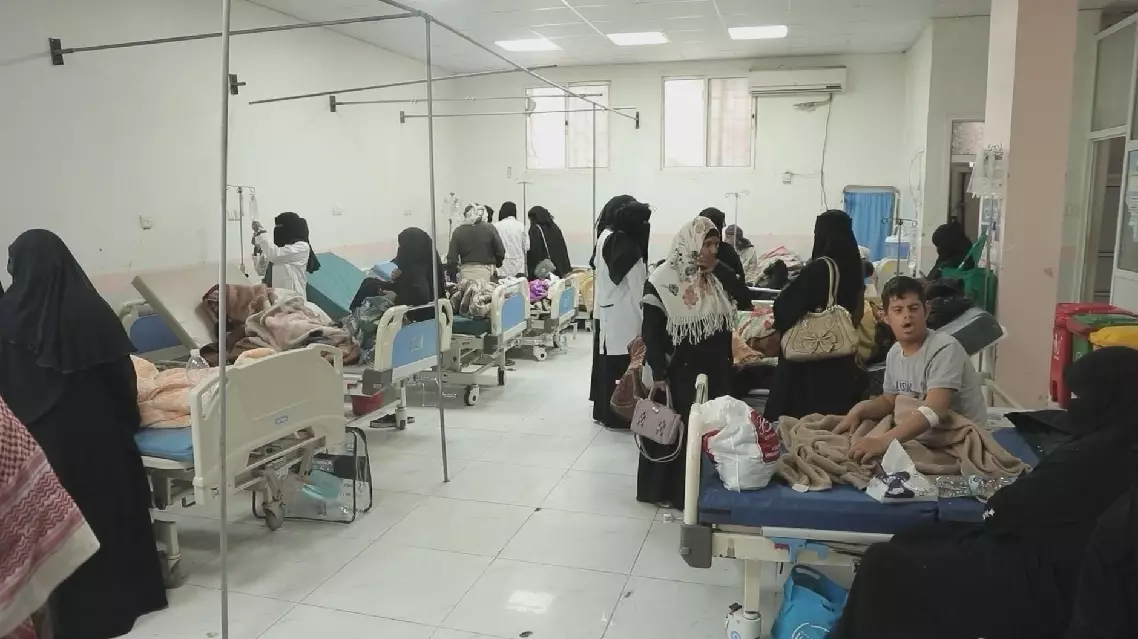
Cholera outbreak resurges in Yemen amid fragile healthcare system