WASHINGTON (AP) — The United States is imposing 25% tariffs on imports from Brazil after finding a range of what it deemed unfair trade practices by the world’s 10th-biggest economy.
The tariffs, which were first proposed last month, will take effect July 22.
The order exempts some goods that are not produced in the U.S. or that officials worry would disrupt supply chains. Exempted products include coffee, beef, oranges and orange juice, some oil and gas energy products and aerospace parts and components.
The Office of the U.S. Trade Representative concluded after a yearlong investigation that Brazil had a range of unfair trade practices, including lax anti-corruption enforcement and unfair tariffs of its own, among other practices seen as unreasonable and unfair. The U.S., however, has had a goods trade surplus with Brazil for years.
U.S. Trade Representative Jamieson Greer said in a statement that the action was necessary to ensure American workers and companies compete on a level playing field.
“Extensive negotiations with Brazil over the past year have not resolved these issues, but we remain open to continuing negotiations with Brazil to bring about long-needed changes to the problems identified in this investigation,” he said.
After U.S. officials in early June warned that they were proposing the tariffs, Brazilian President Luiz Inácio Lula da Silva reacted with indignation. He instead pointed to political considerations, blaming his rival in the country's October elections, Sen. Flávio Bolsonaro. Bolsonaro had recently visited Washington and is the son of former President Jair Bolsonaro, an ally of President Donald Trump.
Secretary of State Marco Rubio said in a post on X about the announcement of the tariffs: “Let there be no confusion about why: President Lula and his government have not negotiated with the US in good faith. His economic policies are bad for Americans and bad for Brazilians. For the past year, Lula has put his own ego ahead of making a deal for the welfare of the Brazilian people, and these tariffs are the price for that.”
The tariffs are being imposed under Section 301 of the Trade Act of 1974, allowing the U.S. to launch the investigation into Brazil’s trade practices.
The U.S. Supreme Court in February ruled against many of Trump's tariffs imposed under a different law, the International Emergency Economic Powers Act (IEEPA) of 1977. The court found he overstepped his authority under that act to impose sweeping tariffs on U.S. trading partners, including Brazil.
Trump had under that law imposed a 50% tariff on Brazil to protest its prosecution of Jair Bolsonaro for trying to overturn his loss in a 2022 election. But Trump's relationship with Lula seemed to improve in May, when he visited the White House.

President Donald Trump speaks at the United States Army War College in Carlisle, Pa., during the Pennsylvania Defense and Innovation Summit, Wednesday, July 15, 2026. (AP Photo/Julia Demaree Nikhinson)
MASAFER YATTA, West Bank (AP) — The blue-and-white Israeli flags flutter from hilltops and line the roads of the occupied West Bank, signaling the growing presence of Israeli settlements and the outposts they’re building on Palestinian land.
For shepherds in the Jordan Valley, as well as in Masafer Yatta, a cluster of villages in the southern West Bank, the flags and expanding settlements have become inescapable features of the landscape, reminders of how daily life has narrowed.
Thiab Draghme and his brother, Ayman, led their flock across the dry hills of the Jordan Valley, returning to their community after searching for grazing land. Their route is carefully chosen. Some pastures are no longer considered safe because of increasing attacks by settlers. Others can be reached only with Israeli activists walking alongside them, documenting their encounters with settlers and Israeli troops and providing what they call a protective presence.
Shepherding has changed little over generations. The risks surrounding it have.
“We are people of generosity and hospitality,” said Thiab, a father of eight. “We want to live in peace.”
He said his children have grown up surrounded by Israeli demolitions, displacement and uncertainty. “What kind of future is that for a child?”
Not far away, Youssef Moussa Shinaran, 52, says he has not been able to harvest olives from his land since the war between Israel and Hamas in Gaza began in October 2023. “You’re not allowed to move around. The house has become a prison,” said Shinaran, who lives near Susya in the southern West Bank.
According to the U.N. humanitarian agency, settler attacks have increased sharply in 2026. Between January and April, the agency recorded 761 attacks linked to Israeli settlers and nearly 2,000 people displaced by violence and access restrictions. Entire communities have found themselves increasingly isolated as new outposts expand across the surrounding hills.
The pressure extends well beyond confrontations between settlers and Palestinians.
One morning, a dispute over a brush fire brought settlers, Palestinians, soldiers and police to a hillside. After settlers accused Palestinians of starting the blaze, one Palestinian and one Israeli activist were detained before being released later that day.
The expansion of the settlements and accompanying violence has forced many Palestinian families to alter their routines. Like the Draghme brothers, some shepherds no longer graze where they once did. Others have sold their flocks after deciding the risk had become too great.
Near the village of Taybeh, northeast of Ramallah, Shoma Kaabneh’s family sold all their sheep after an Israeli outpost was built close to their home. Her husband now works in construction, earning far less than they once made selling dairy products.
In another community in the northern Jordan Valley, a Palestinian family leaves an Israeli flag that settlers planted near their sheep pen. They say removing it could provoke retaliation from settlers or soldiers.
As evening fell over the Masafer Yatta region, men gathered to pray outside homes. Nearby, settlers rode quad bikes before returning to an outpost a few hundred meters away.
Residents organize night watches, taking turns staying awake to warn neighbors if Israeli settlers approach.
Each day begins much like the last: Sheep are led into the hills. Children play between tents and homes. Families tend to their animals, repair fences and prepare meals under a horizon increasingly dominated by Israeli construction that seeks to push them away.
This is a documentary photo story curated by AP photo editors.
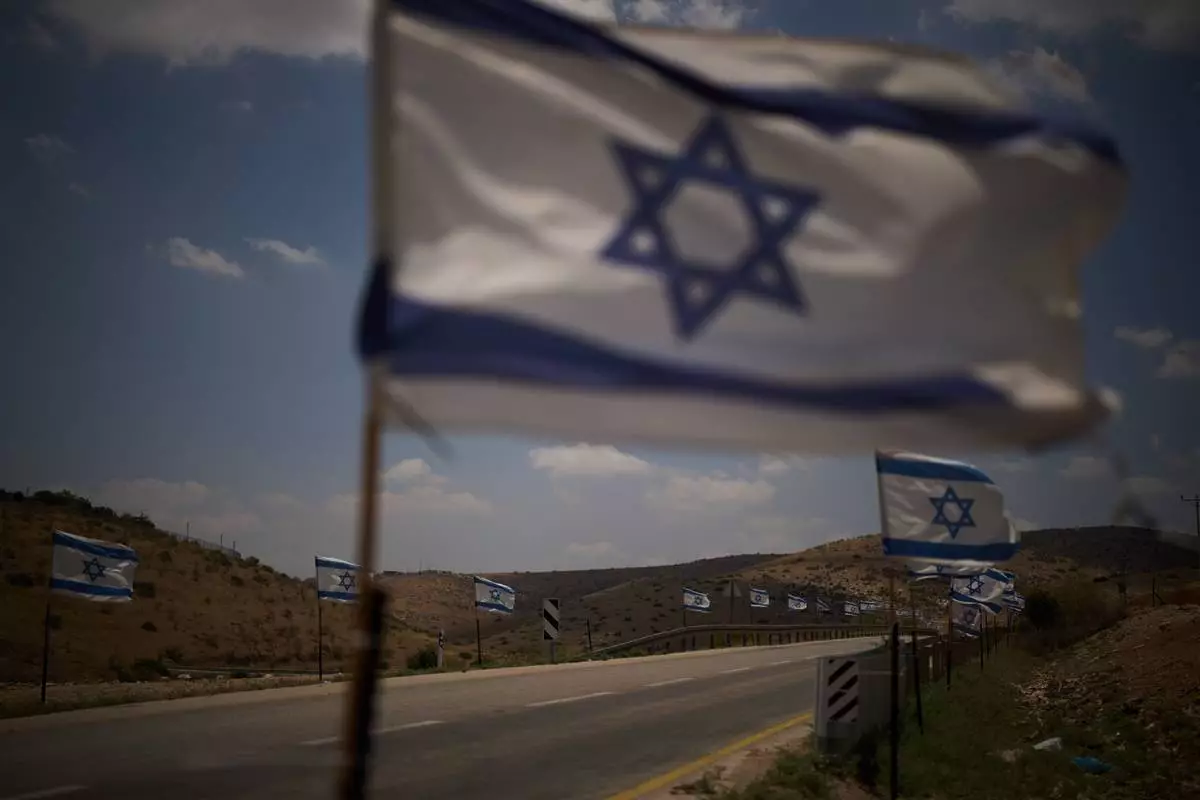
Israeli flags are seen lining a road in the northern Jordan Valley in the occupied West Bank, Wednesday, June 24, 2026. (AP Photo/Leo Correa)
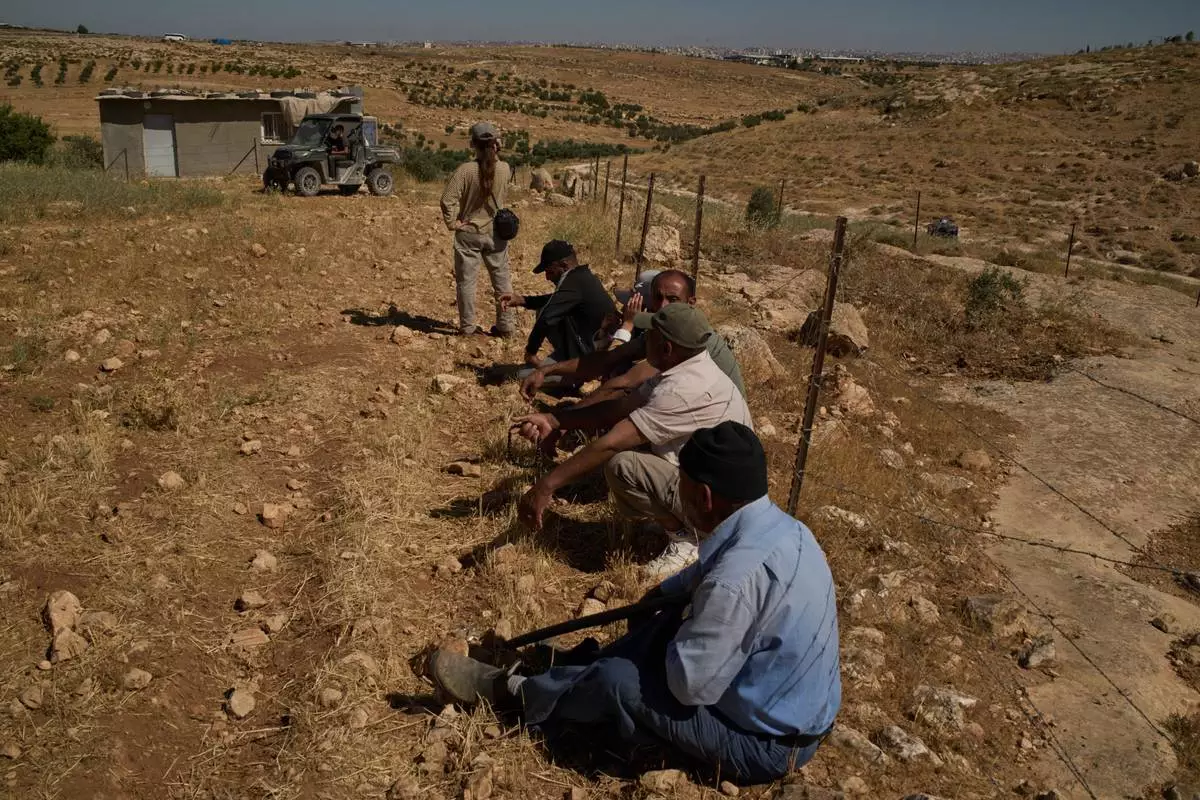
After Israeli soldiers told them to remain by the fence, Palestinians and an Israeli activist sit watching as settlers arrive in a vehicle after the settlers accused a local Palestinian resident of setting fire to a field, near the West Bank village of Susya in the Masafer Yatta region, Thursday, June 18, 2026. (AP Photo/Leo Correa)
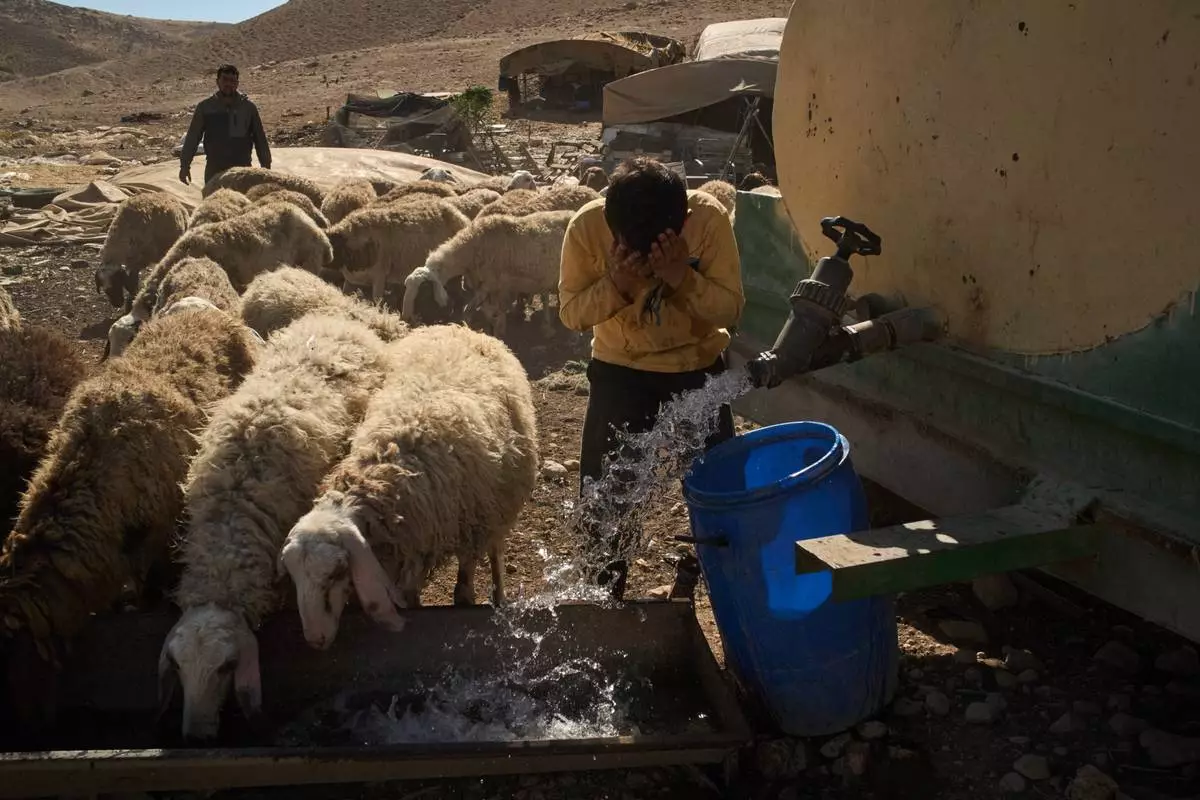
Hamoudi, 10, washes his face as he gives water to his family's sheep at a Palestinian community in the northern Jordan Valley in the occupied West Bank, Tuesday, June 23, 2026. (AP Photo/Leo Correa)
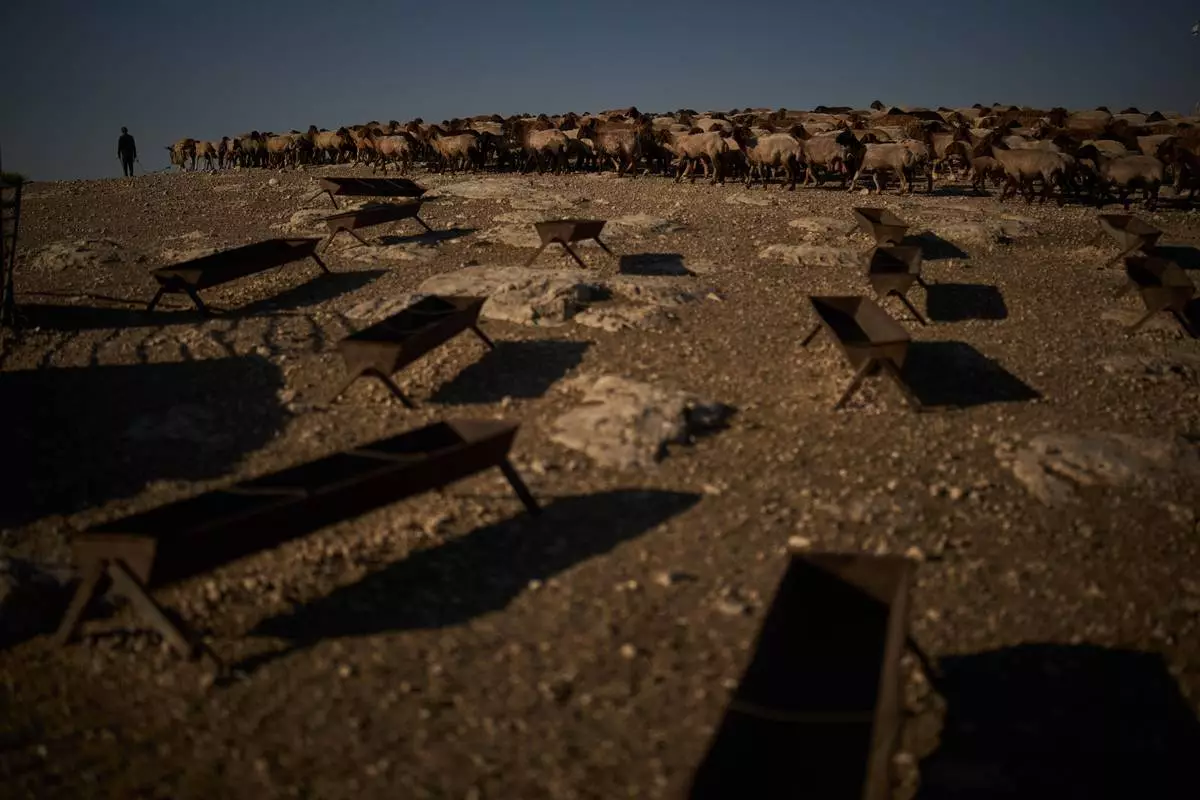
A Palestinian shepherd leads his flock of sheep as they move away from his family compound in the northern Jordan Valley in the occupied West Bank, Wednesday, June 24, 2026. (AP Photo/Leo Correa)
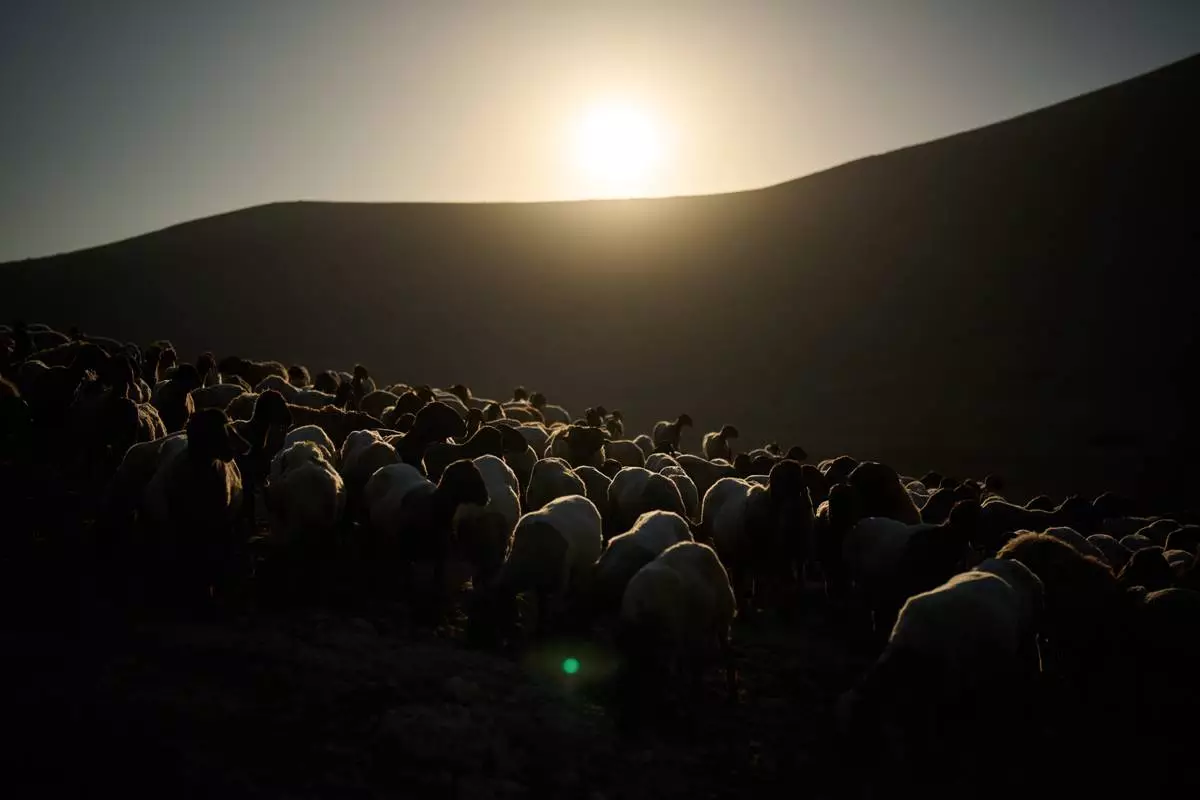
A herd of sheep graze on a hill as the sun rises over a Palestinian community in the northern Jordan Valley, in the occupied West Bank, Wednesday, June 24, 2026. (AP Photo/Leo Correa)
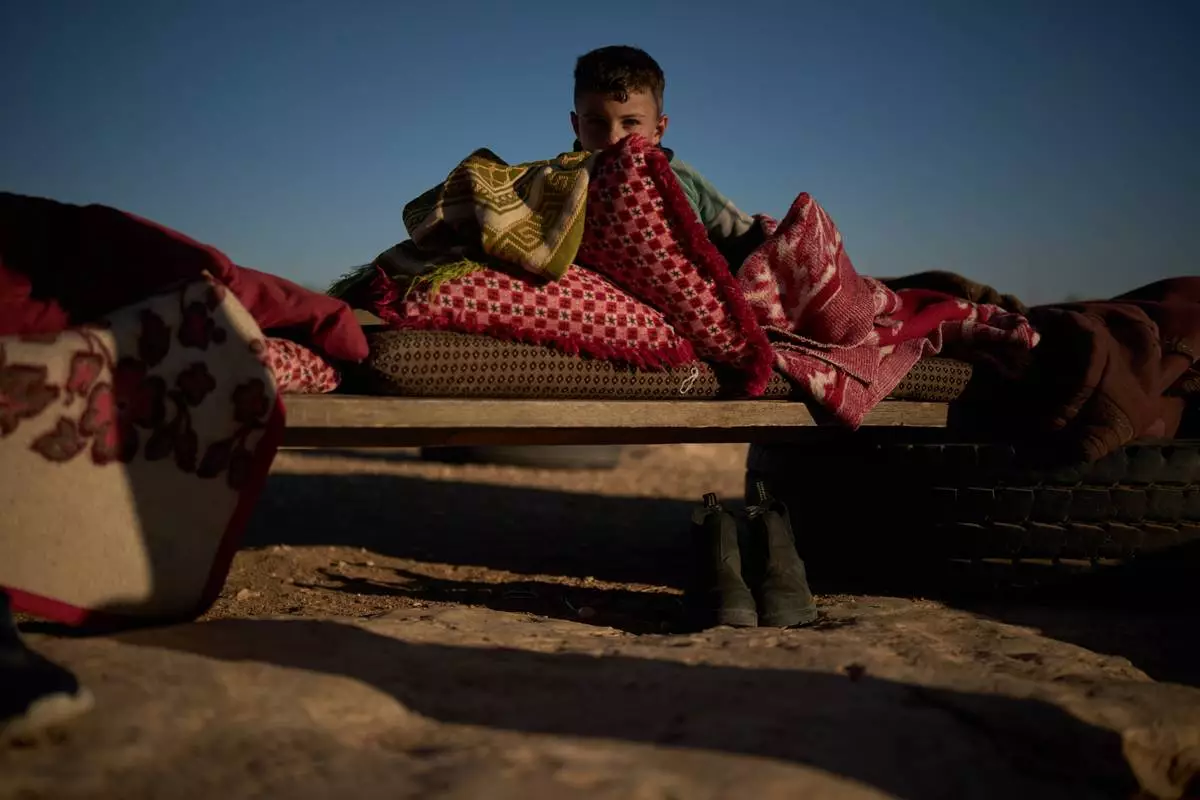
Yasser, 8, looks at the camera after taking a nap in the morning outside his house in a Palestinian community near the West Bank village of Susya, in the Masafer Yatta region, Thursday, June 18, 2026. (AP Photo/Leo Correa)
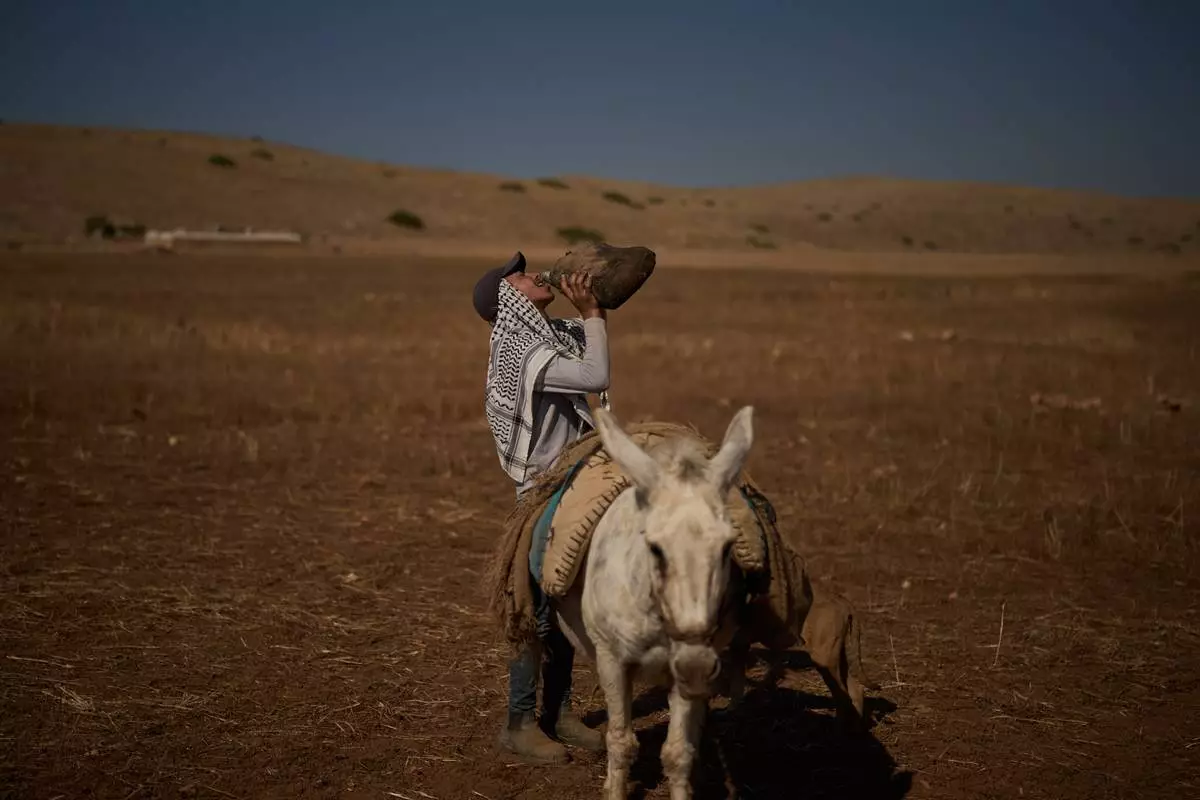
Ahmad, 15, drinks water after being stopped by Israeli soldiers while grazing his flock near his community in the northern Jordan Valley in the occupied West Bank, Wednesday, June 24, 2026. (AP Photo/Leo Correa)
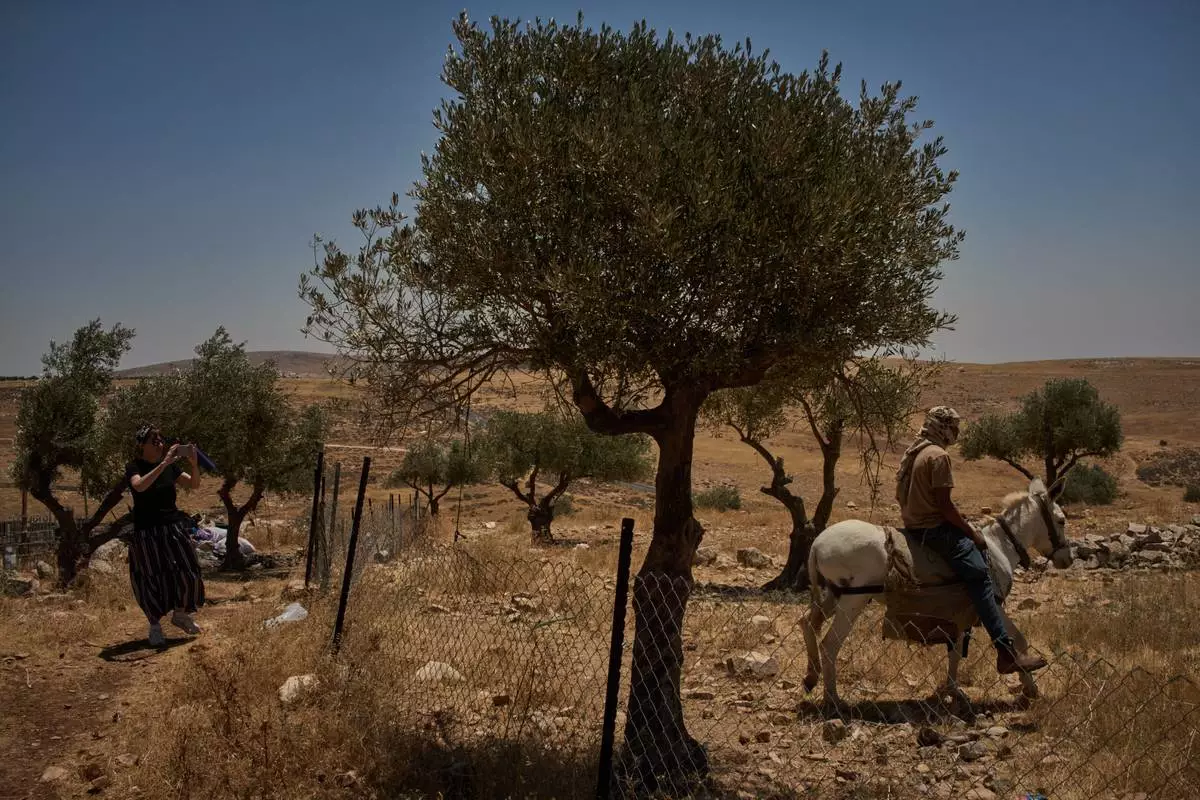
An Israeli activist records the presence of a settler as he moves with his donkey in front of a Palestinian house on the outskirts of the West Bank town of Taybeh, Thursday, June 25, 2026. (AP Photo/Leo Correa)
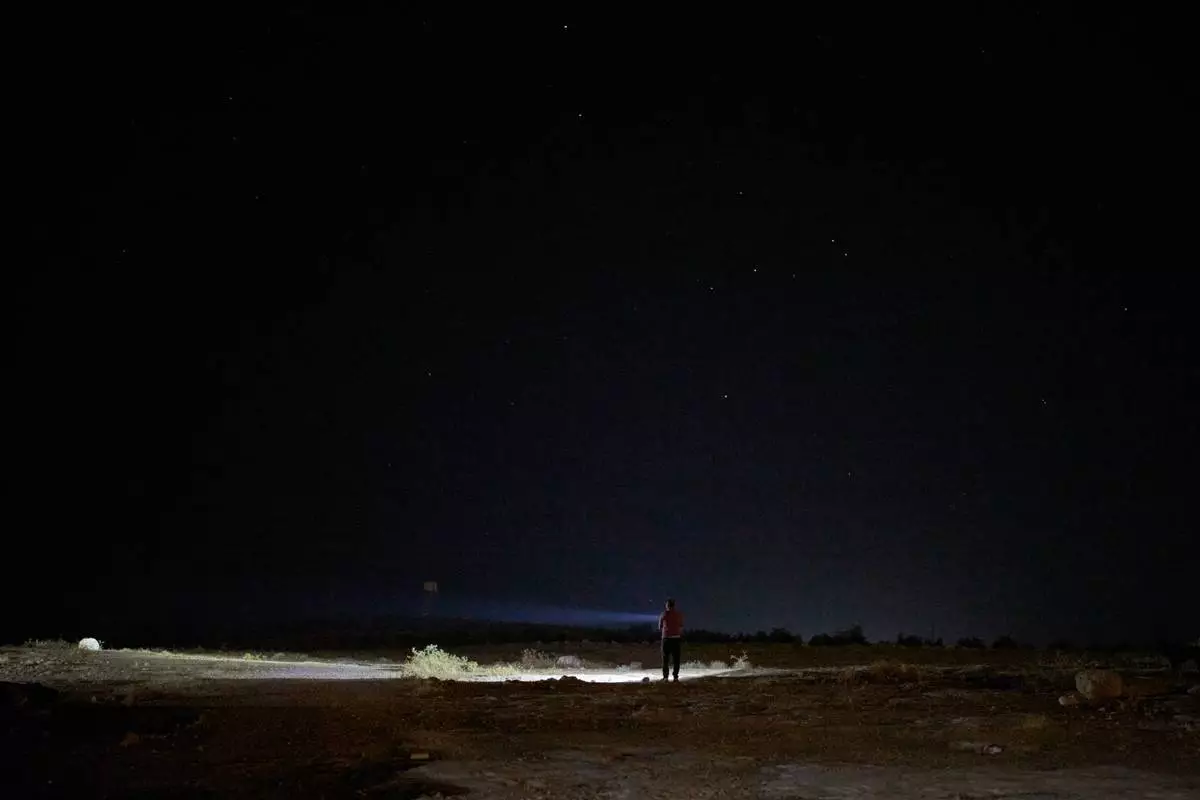
A Palestinian uses a flashlight as he takes part in a night watch to warn neighbors if Israeli settlers approach his community near the West Bank village of Susya, in the Masafer Yatta region, Thursday, June 18, 2026.. (AP Photo/Leo Correa)
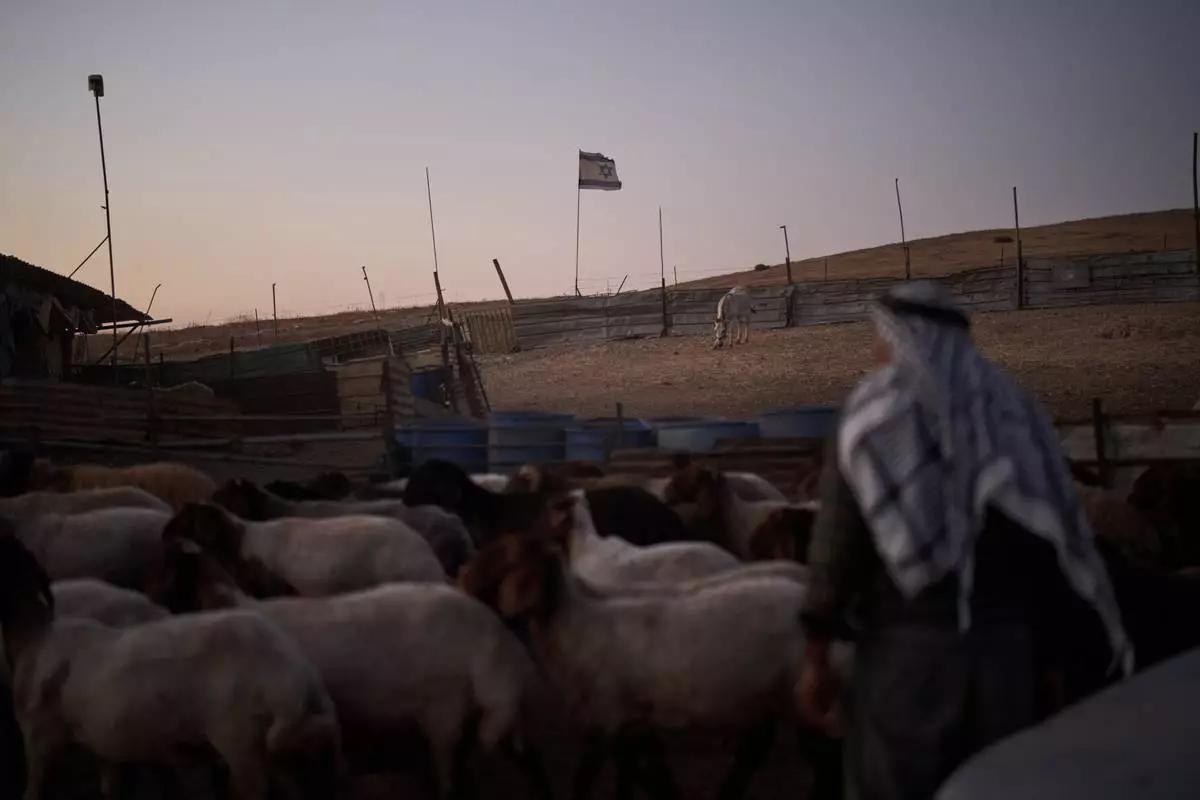
An Israeli flag, set up by settlers, waves beside a fence around a Palestinian compound's sheep pen at dusk in the northern Jordan Valley in the occupied West Bank, Tuesday, June 23, 2026.(AP Photo/Leo Correa)
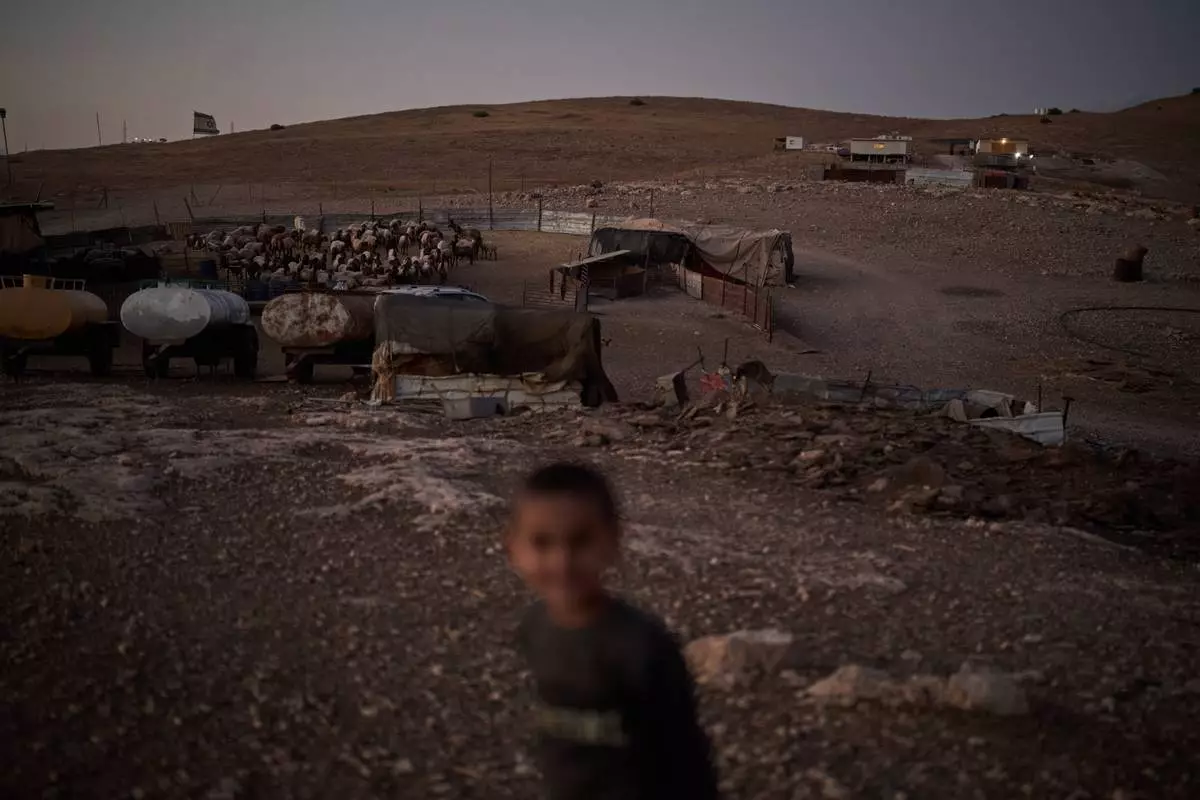
An Israeli settler outpost, top right, overlooks a Palestinian compound at dusk in the northern Jordan Valley in the occupied West Bank, Tuesday, June 23, 2026. (AP Photo/Leo Correa)
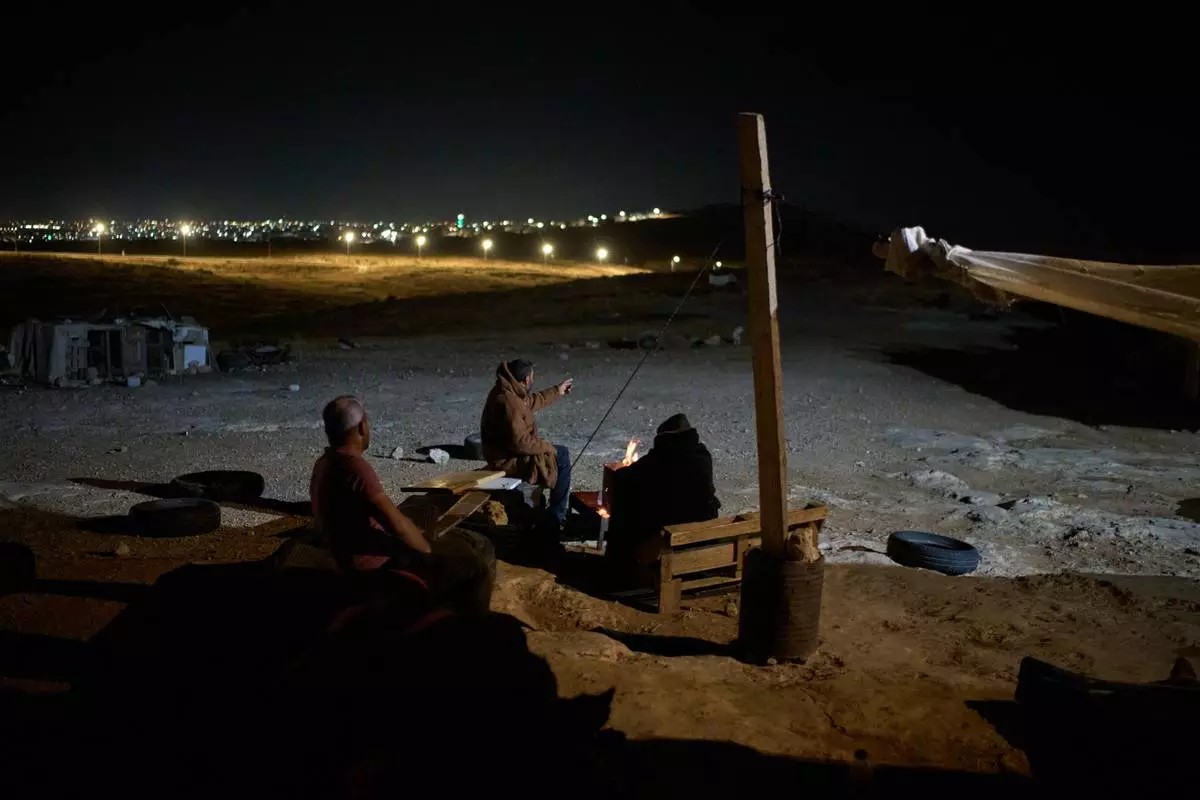
Palestinians sit next to a fire as they take part in a night watch to warn neighbors if Israeli settlers approach their community near the West Bank village of Susya, in the Masafer Yatta region, Thursday, June 18, 2026.. (AP Photo/Leo Correa)
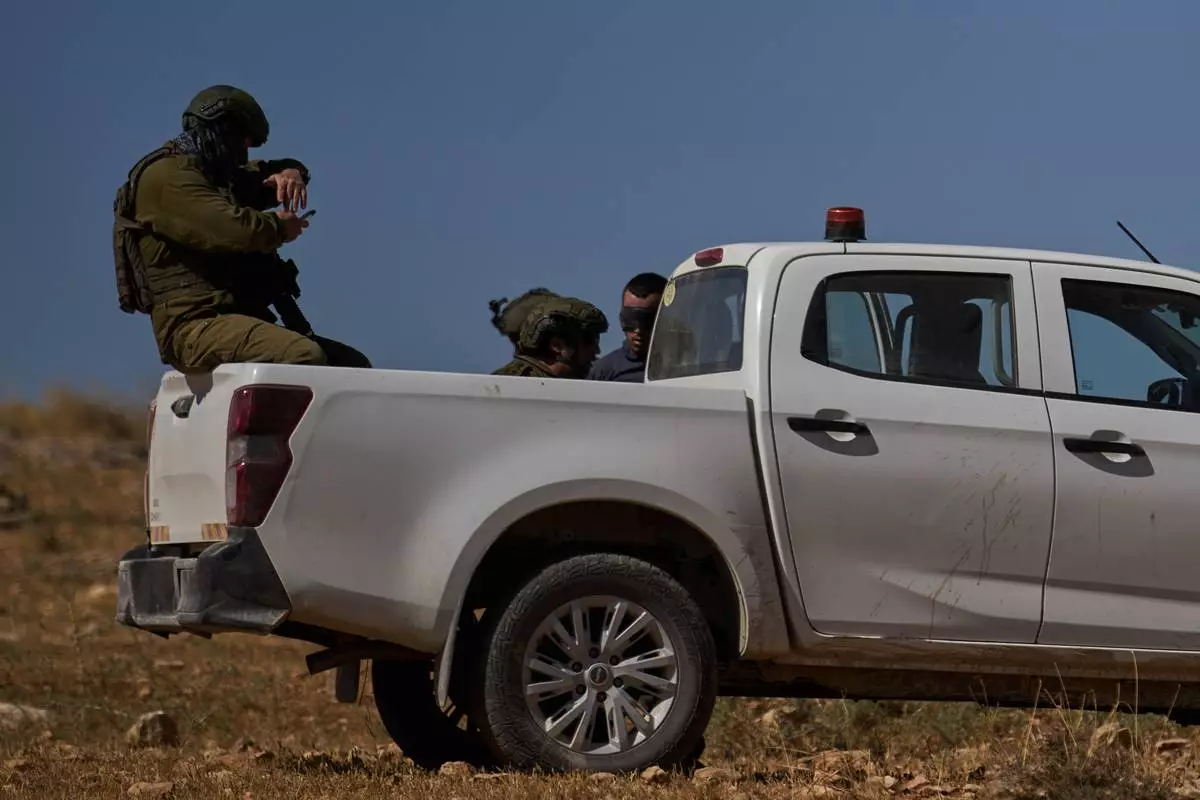
A blindfolded Palestinian is detained by Israeli soldiers after being accused by Israeli settlers of setting a field on fire near the West Bank village of Susya, in the Masafer Yatta region, Thursday, June 18, 2026.(AP Photo/Leo Correa)
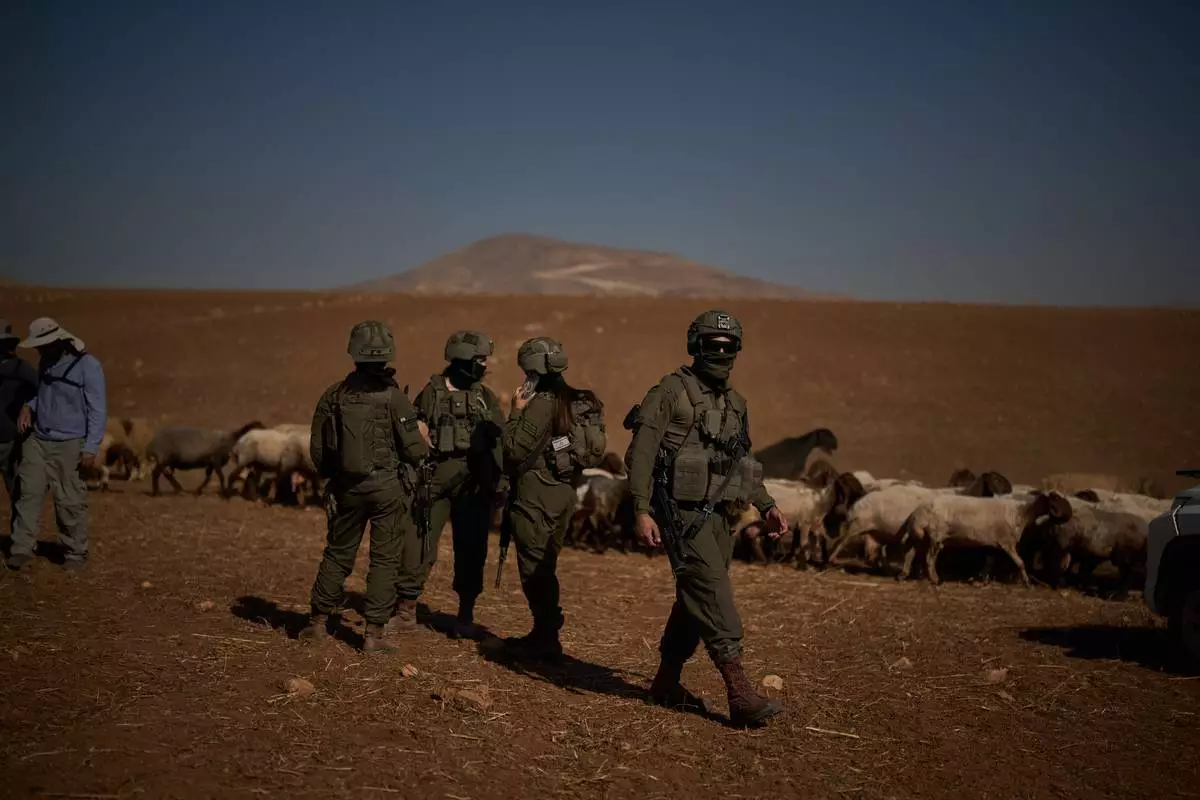
Israeli soldiers stand next to an activist and sheep after stopping a young Palestinian man who was grazing his flock near his community in the northern Jordan Valley in the occupied West Bank, Wednesday, June 24, 2026. (AP Photo/Leo Correa)
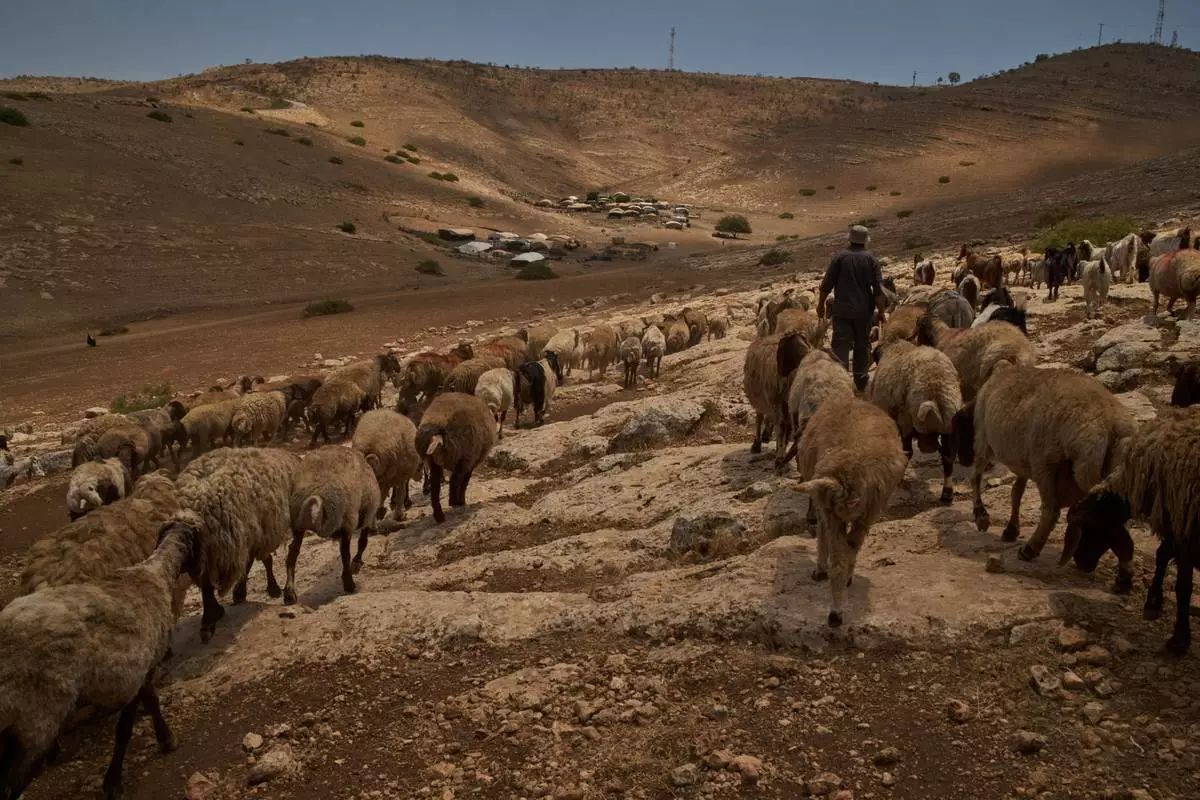
Palestinian shepherd Ayman Draghme leads his flock back to his family's community in the northern Jordan Valley in the occupied West Bank, Tuesday, June 23, 2026. (AP Photo/Leo Correa)
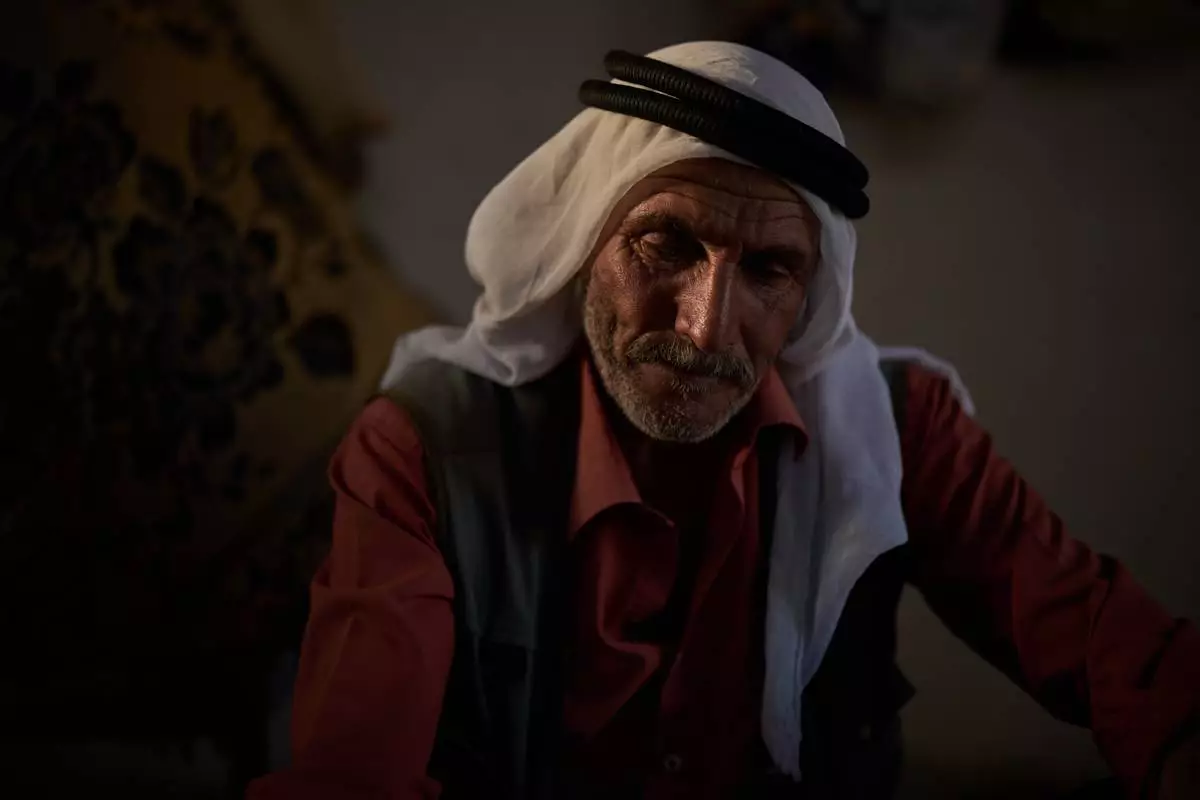
Youssef Moussa Shinaran, looks down as he talks about settlers attacks in his community near the West Bank village of Susya, in the Masafer Yatta region, Wednesday, June 17, 2026. "You're not allowed to move around. The house has become a prison," says the 52-year-old Palestinian. (AP Photo/Leo Correa)
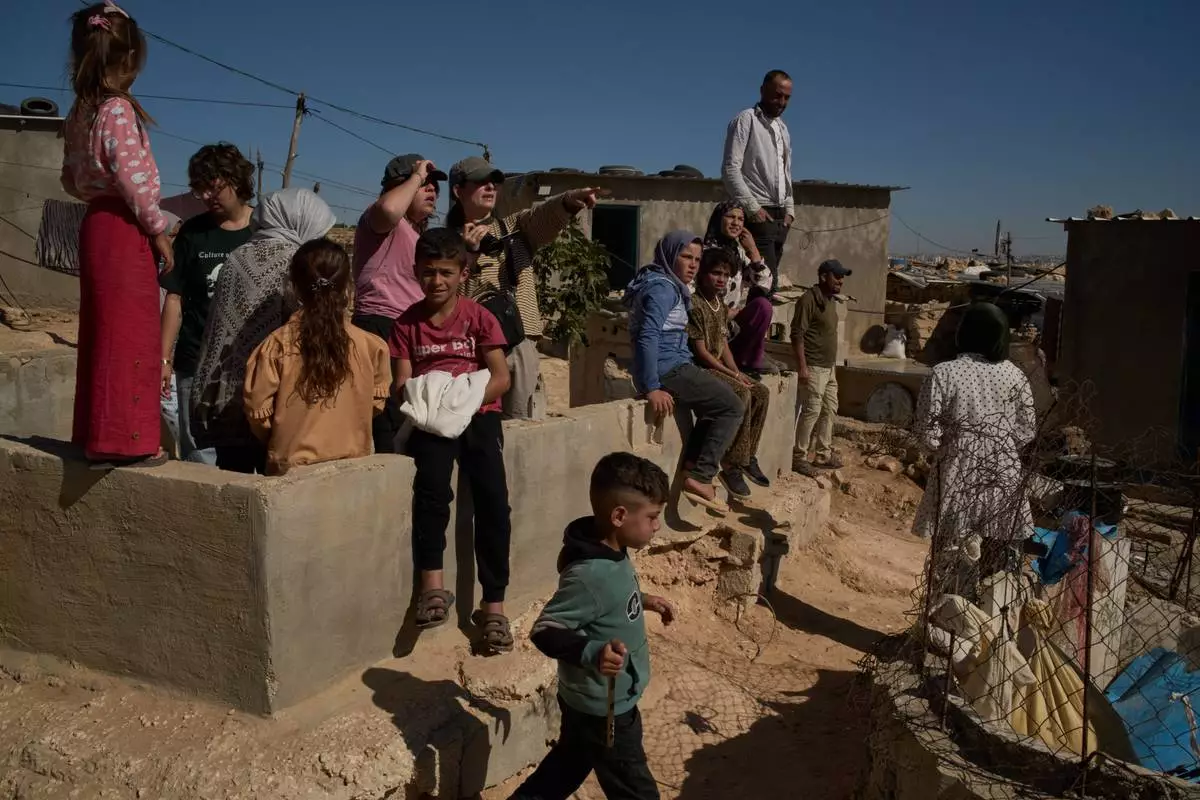
Israeli activists along with Palestinians from a local community observe the movement of settlers near the West Bank village of Susya, in the Masafer Yatta region, Thursday, June 18, 2026. (AP Photo/Leo Correa)
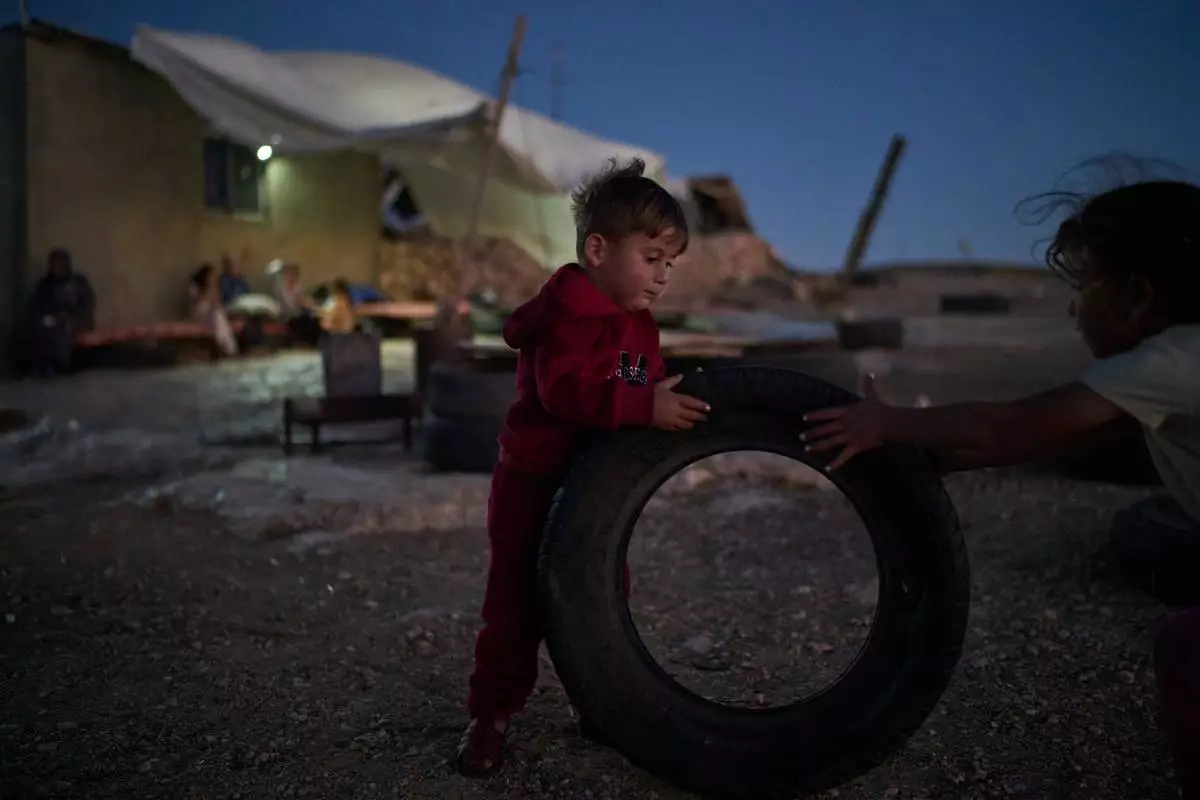
Palestinian children play outside their houses in a community near the West Bank village of Susya, in the Masafer Yatta region, Wednesday, June 17, 2026.(AP Photo/Leo Correa)
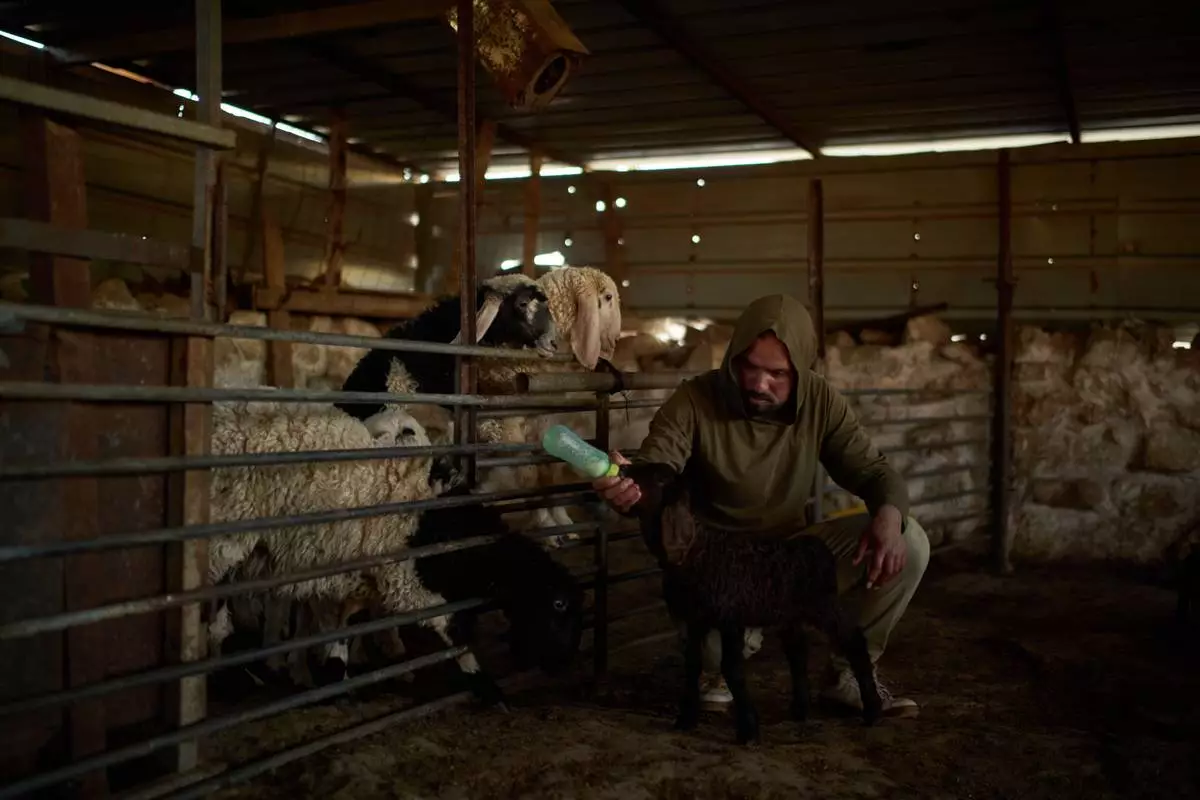
Saber, 32, bottle feeds a lamb in his community near the West Bank village of Susya, in the Masafer Yatta region, Thursday, June 18, 2026.(AP Photo/Leo Correa)
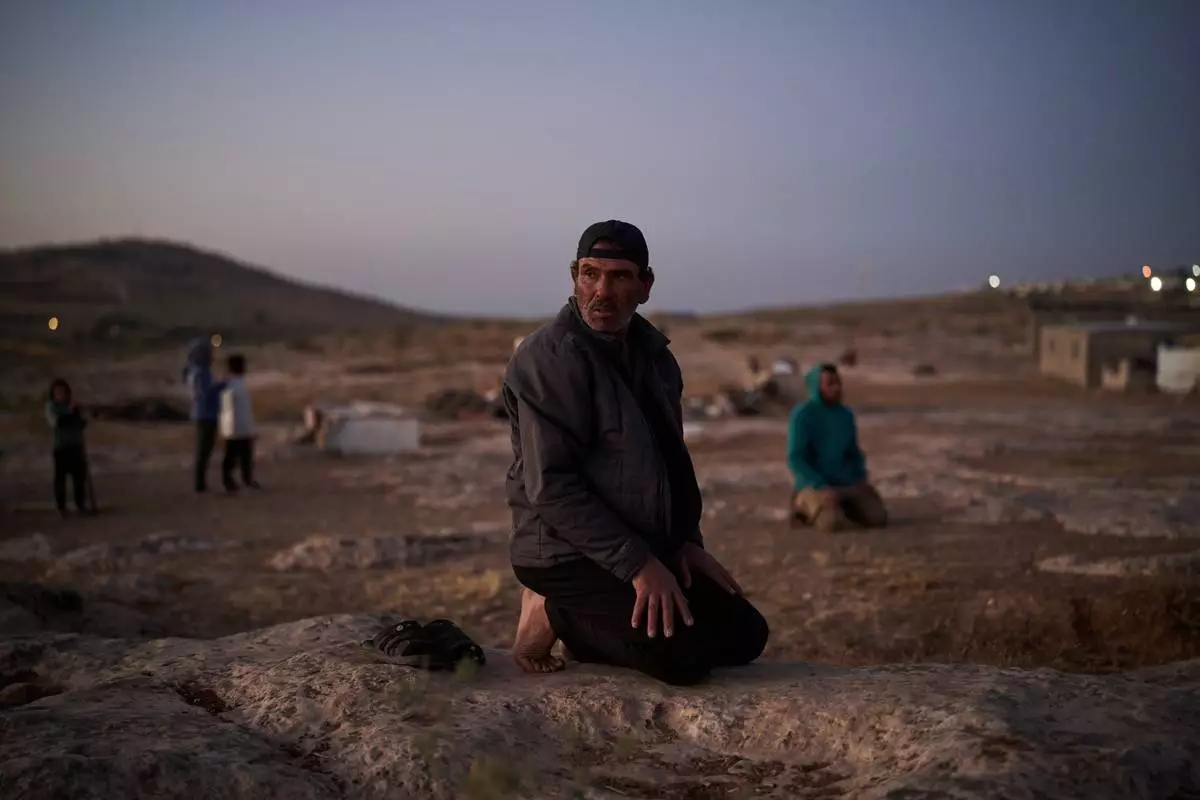
Thalib prays along with other Palestinian men at dusk in their community near the West Bank village of Susya, in the Masafer Yatta region, Wednesday, June 17, 2026.(AP Photo/Leo Correa)
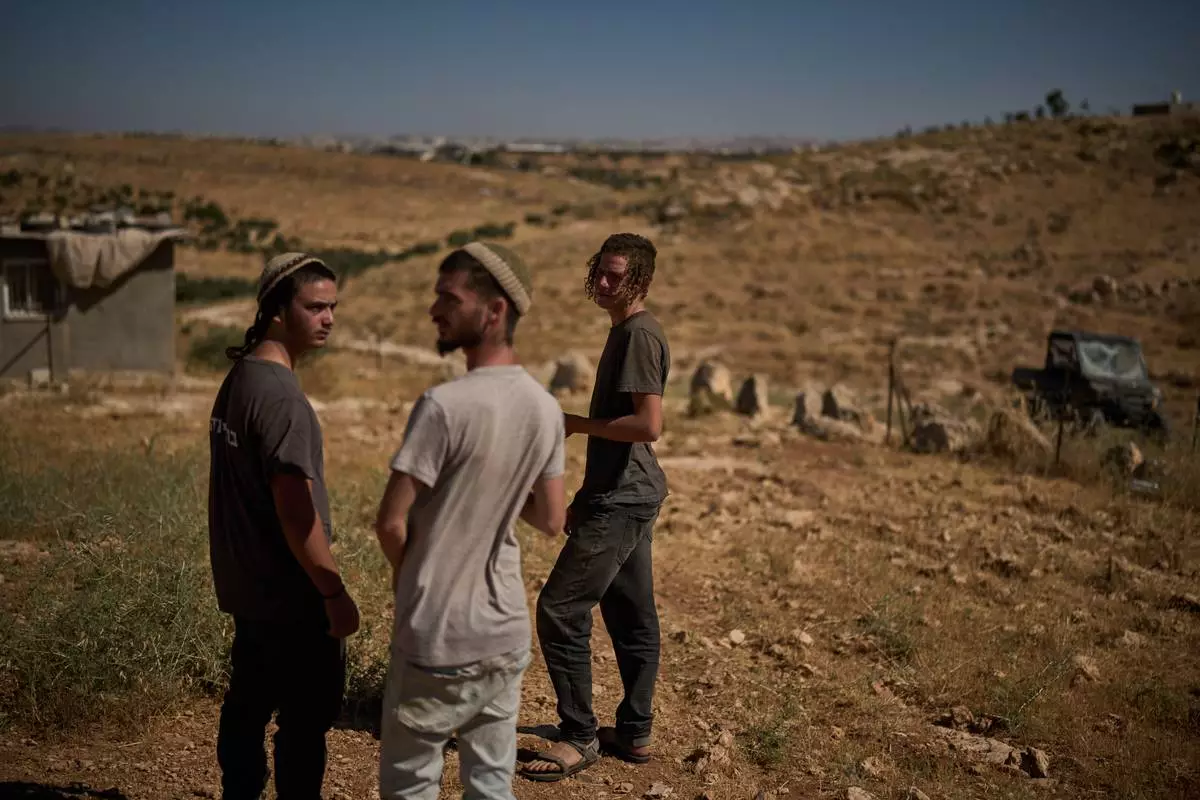
Israeli settlers stand together as they wait for the arrival of police after accusing Palestinians of setting a field on fire near the West Bank village of Susya, in the Masafer Yatta region, Thursday, June 18, 2026.(AP Photo/Leo Correa)
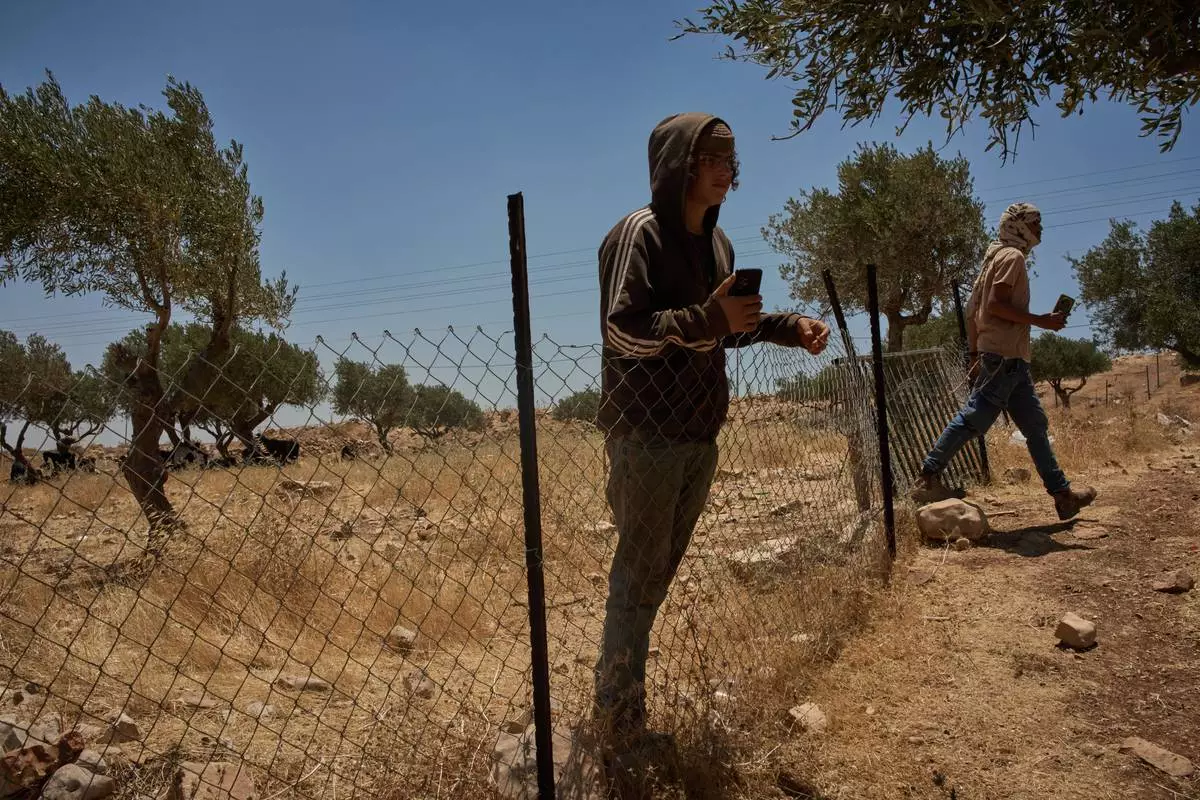
An Israeli settler steps into the courtyard of a home as another stands next to the fence, trespassing on Palestinian property on the outskirts of the West Bank town of Taybeh, Thursday, June 25, 2026. (AP Photo/Leo Correa)
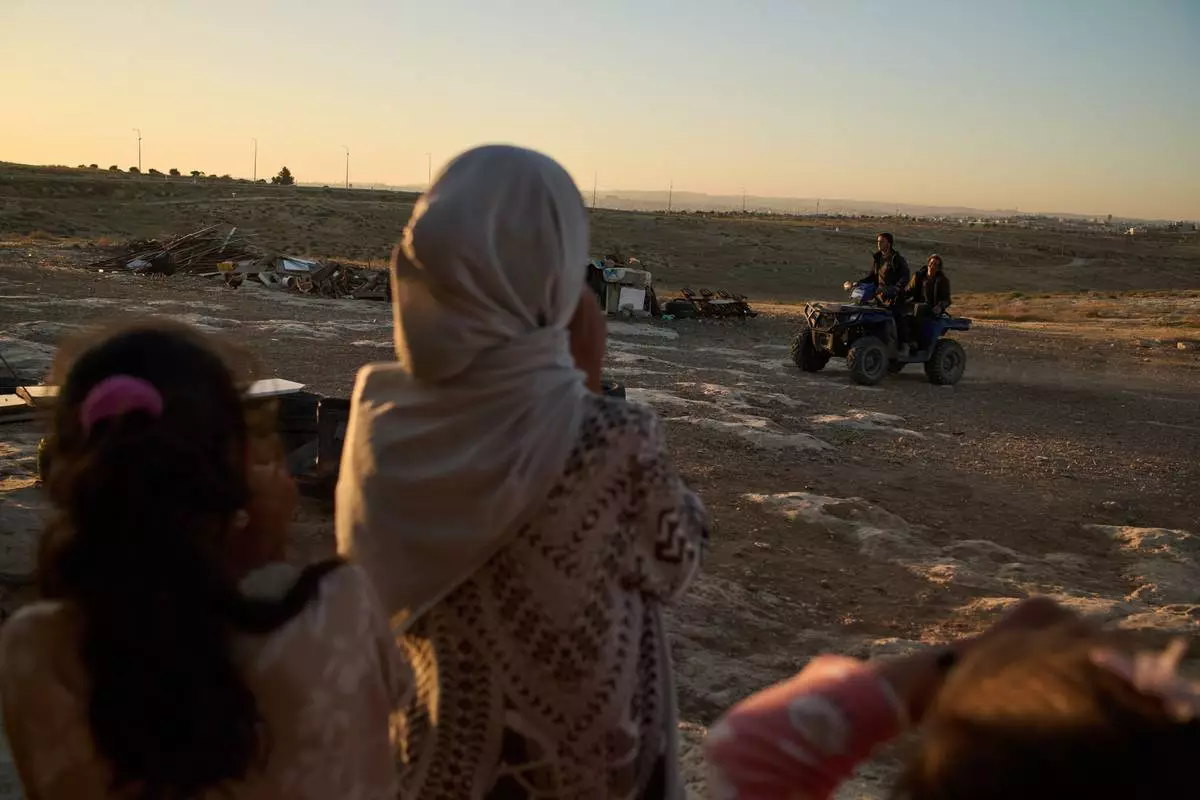
Palestinian girls watch Israeli settlers riding a quad bike past their community near the West Bank village of Susya, in the Masafer Yatta region, Wednesday, June 17, 2026.(AP Photo/Leo Correa)
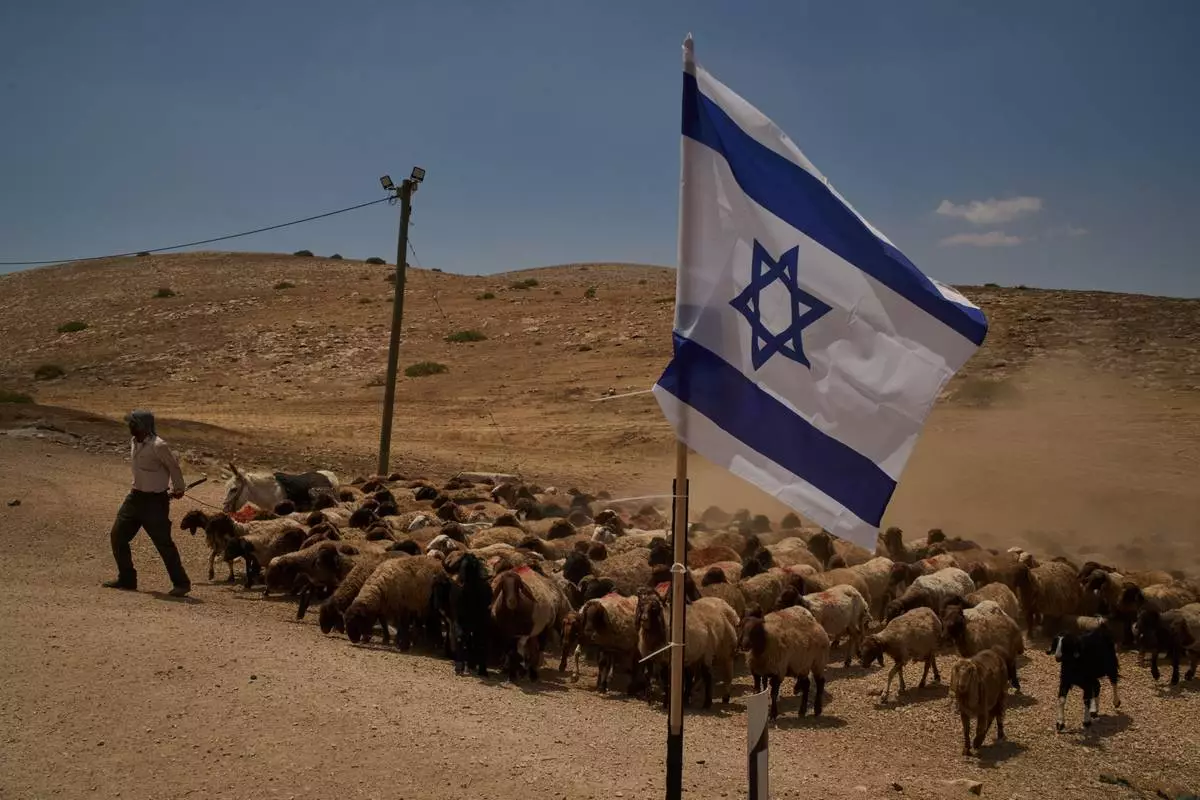
Palestinian shepherd Thiab Draghme leads his flock of sheep and goats past an Israeli flag placed on a road in the northern Jordan Valley of the occupied West Bank, Tuesday, June 23, 2026. (AP Photo/Leo Correa)