China released on Friday an action plan for artificial intelligence (AI) cooperation and development, as part of broader efforts to strengthen international AI collaboration and bridge the digital divide.
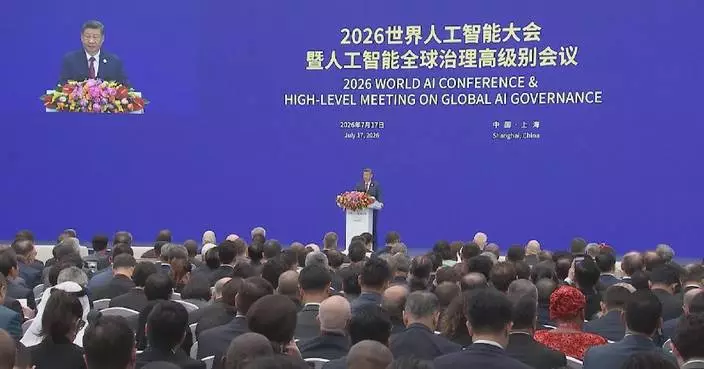
The action plan was jointly issued by the National Development and Reform Commission and other central government departments at the 2026 World AI Conference and High-Level Meeting on Global AI Governance in Shanghai.
The document outlines actions in eight areas covering data, computing power, ecosystems, industrial empowerment, talent development, rules and standards, governance and AI ethics.
It calls for greater access to high-quality data, more inclusive intelligent computing services, and broader sharing of open-source AI ecosystems.
The action plan also seeks to promote deeper AI application across industries, joint cultivation of digital talent, coordinated development of rules and standards, stronger cooperation on AI security and governance, and the development and use of AI for the benefit of humanity.
Also released at the conference was a collection of case studies on China's international AI cooperation.
Published for the third consecutive year, the collection features 10 stories showcasing China's cooperation with partners around the world, highlighting the country's experience and approach in promoting global AI development.
The 2026 World AI Conference and High-Level Meeting on Global AI Governance runs from Friday to next Monday, bringing together official representatives, business leaders, scholars and researchers from more than 100 countries and international organizations.
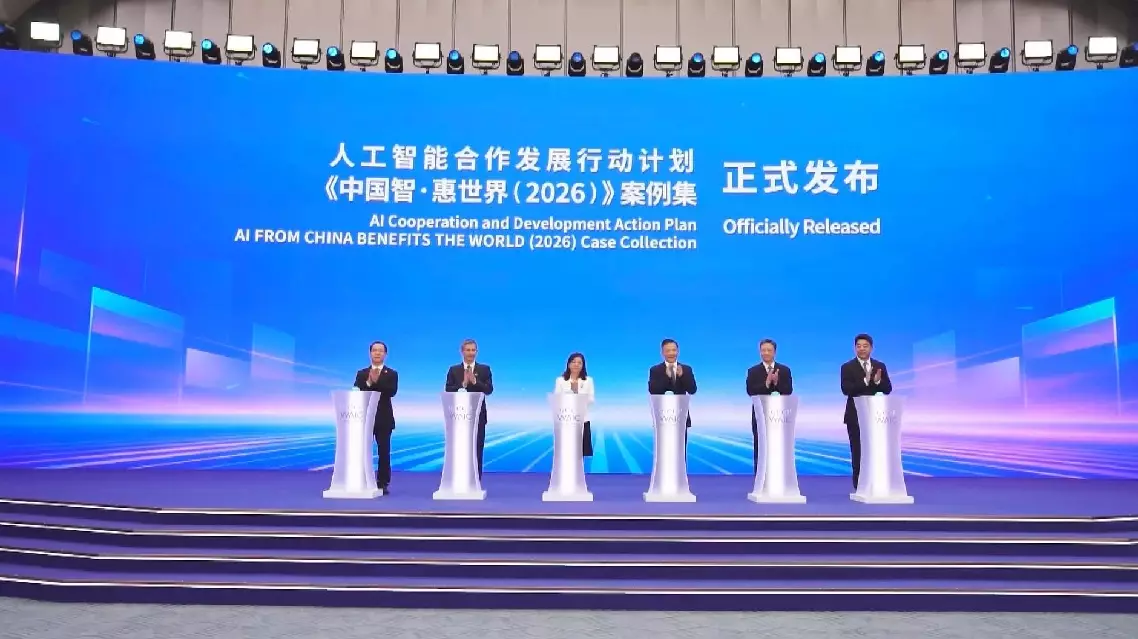
China issues action plan for AI cooperation, development
Cambodian Prime Minister Hun Manet commended China's constructive contributions to promoting international dialogue and cooperation on artificial intelligence (AI) governance at the opening ceremony of the 2026 World Artificial Intelligence Conference in Shanghai on Friday.
"[I highly commend] the government of the People's Republic of China for convening this important gathering under the timely and relevant theme -- 'AI Partnership for a Brighter Future'. AI is reshaping economies, public services, security, and competitiveness at an unprecedented speed. China's constructive contributions to advancing international dialogue and cooperation on AI governance through initiatives such as the Global AI Governance Initiative and the Global AI Governance Action Plans," Hun Manet said when addressing the opening ceremony of the grand gathering.
"The World Artificial Intelligence Conference has become a crucial platform for broadening participation in global AI governance and translating our shared commitment to international cooperation and to practical dialogue and partnership," he said.
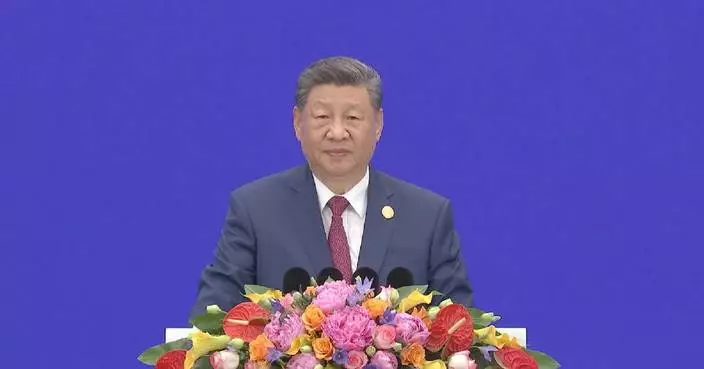
Chinese President Xi Jinping delivered a keynote speech at the event. Kazakh President Kassym-Jomart Tokayev, Thai Prime Minister Anutin Charnvirakul and United Nations Secretary-General Antonio Guterres also addressed the ceremony, respectively.
The 2026 World AI Conference and High-Level Meeting on Global AI Governance runs from Friday to next Monday, bringing together officials, representatives, business leaders, scholars and researchers from more than 100 countries and international organizations.
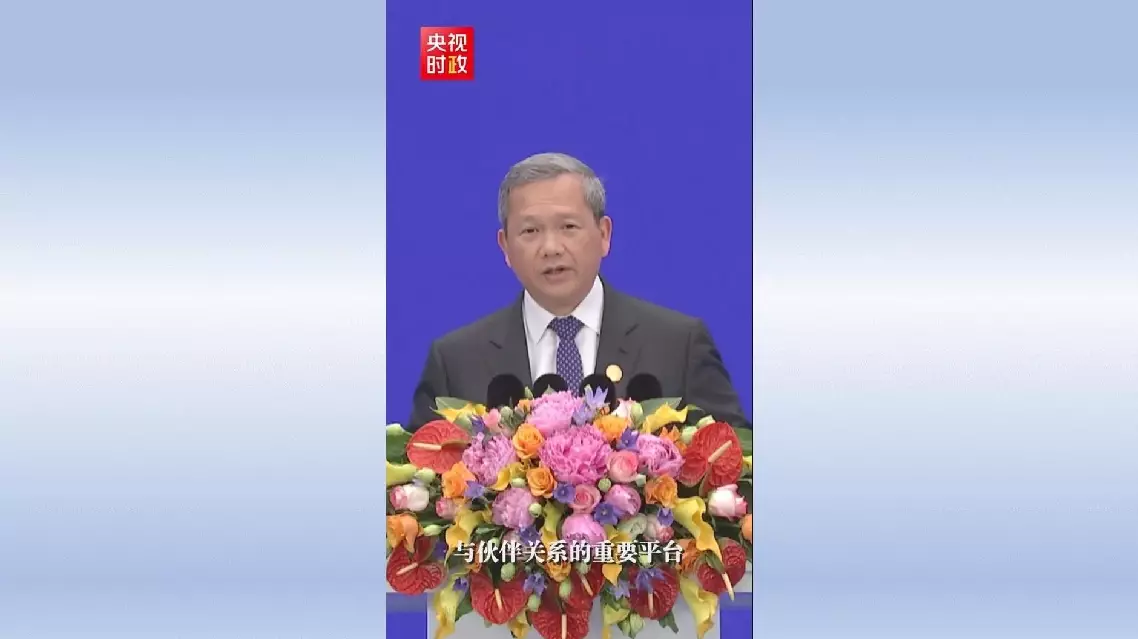
Cambodian prime minister commends China's contributions to promote dialogues, cooperation on AI governance