The 2026 World AI Conference (WAIC) and High-Level Meeting on Global AI Governance is a testament to China's remarkable achievements in artificial intelligence, Kazakh President Kassym-Jomart Tokayev said when addressing the event's opening ceremony in Shanghai on Friday.
Chinese President Xi Jinping attended the ceremony and delivered a keynote speech.
Following Xi's speech, Tokayev and several other world leaders also addressed the event.
"It is my great honor and privilege to join you at this extremely important conference. Over the years, this forum has firmly established itself as one of the world's leading platforms for shaping the global AI agenda. This conference is a testament to China's remarkable achievements in artificial intelligence," said the Kazakh president.
He elaborated on China's achievements and contributions.
"Today, more than half of the world's AI researchers come from the People's Republic of China. Chinese innovators produce the largest share of AI patents globally, while the country's dynamic innovation ecosystem continues to drive breakthroughs across a wide range of advanced technologies. China's leading contribution to open source innovation, open platforms and international technological cooperation creates new opportunities for countries around the globe," said Tokayev.
Cambodian Prime Minister Hun Manet, Thai Prime Minister Anutin Charnvirakul and United Nations Secretary-General Antonio Guterres also addressed the ceremony, respectively.
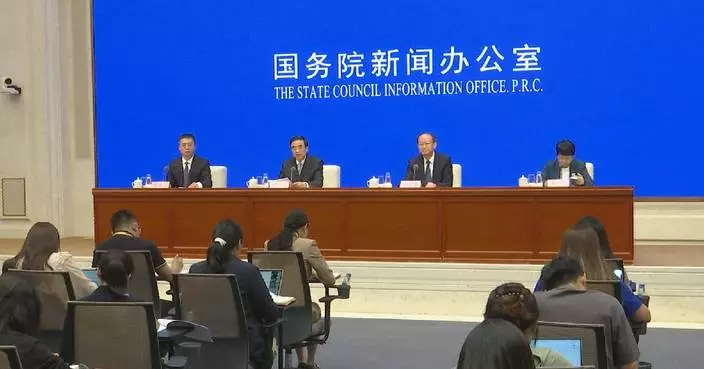
The event is being held from Friday to next Monday, bringing together official representatives, business leaders, scholars and researchers from more than 100 countries and international organizations.
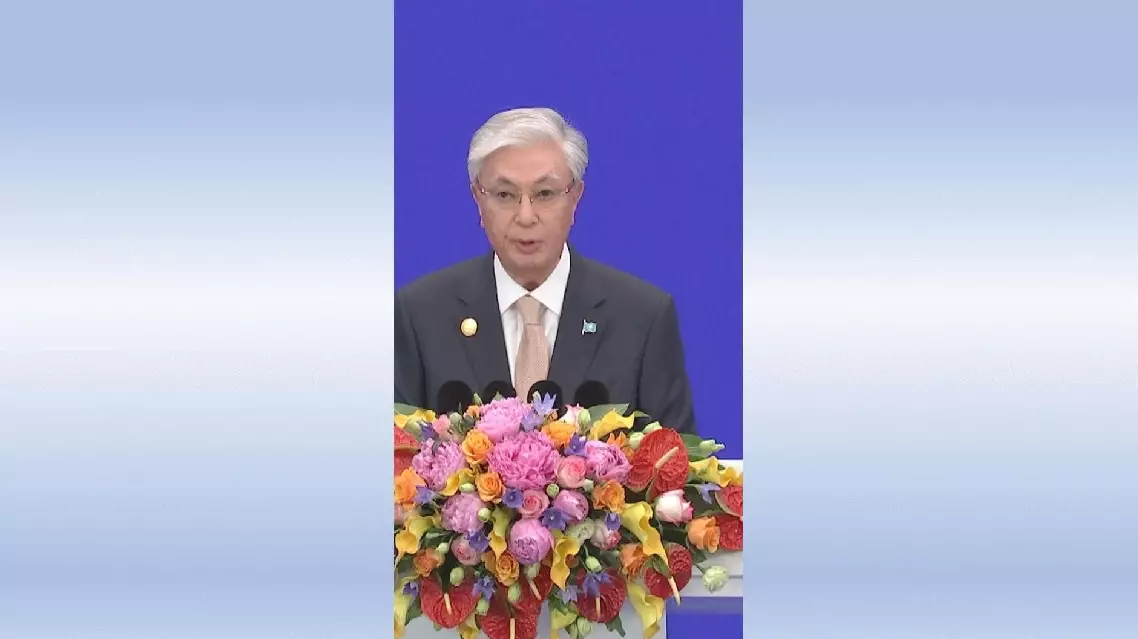
WAIC testament to China's remarkable achievements in AI: Kazakh president
WAIC testament to China's remarkable achievements in AI: Kazakh president
Japan's ongoing push to revise its pacifist constitution and expand military buildup escalate regional tension, warned Japanese lawyer Kyoko Oe, who urged adherence to pacifism and vigilance against the government's dangerous moves.
Since Japanese Prime Minister Sanae Takaichi took office last October, the Japanese government has renewed its push to revise the country's pacifist constitution and accelerated a series of military expansion measures, including increasing defense spending, deploying long-range missiles, and easing restrictions on arms exports.
Speaking on the dangerous policy shifts, Oe criticized the Takaichi administration for bypassing public will.
"We believe that when Japanese citizens are not demanding constitutional reform, pushing it forward through a parliamentary majority clearly violates the principle of popular sovereignty and the obligation to respect the constitution. Moreover, the content of the revision itself is extremely dangerous. [The government] is attempting to change pacifist principles of the Japanese constitution -- the most fundamental part -- and abandon basic concepts, including the renunciation of war and not maintaining military forces," said Oe.
The Japanese government has aggressively accelerated war readiness even under the current constitution, said Oe, adding that amending it will grant the Self-Defense Forces even greater freedom of action at the constitutional level.
"If the constitution is amended, the Self-Defense Forces will gain greater freedom of action at the constitutional level than they have now, and legal interpretations will develop in that direction. Even while the current constitution remains effective, the Japanese government has already forcibly advanced war preparations. For example, manufacturing long-range missiles, which were previously considered unacceptable to possess, and deploying them domestically; conducting joint war games and military exercises with the United States; and massively manufacturing and exporting weapons overseas," said Oe.
The lawyer also criticized Takaichi's provocative remarks on China, saying they have sharply strained bilateral ties and undermined peace and stability in the region.
"We believe that due to Takaichi's remarks made last November, China-Japan relations have become very tense and are deteriorating. Legal experts believe that Takaichi's remarks contain multiple obvious errors. Takaichi should frankly retract the relevant remarks and apologize. Only by building mutual trust with neighboring countries can we maintain our peace, and the peace of East Asia and even the peace of Asia. We believe that what the Takaichi administration is doing runs completely counter to what the Japanese people truly wish to achieve," Oe said.
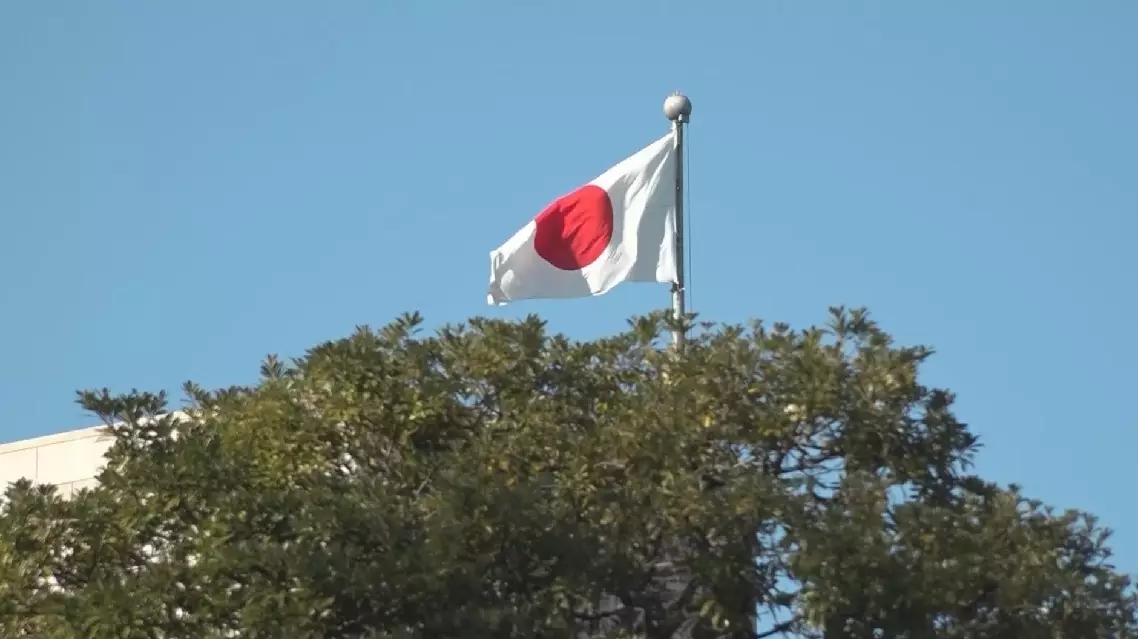
Japan's constitution revision, military buildup fuel regional tensions: lawyer