China's first commercial brain-computer interface (BCI) implantation surgery was performed on Monday at Huashan Hospital, affiliated with Fudan University in Shanghai, following the market approval of a domestically developed system designed to compensate for hand-movement function.
The patient, publicly identified as a male surnamed Xu, suffered a spinal cord injury from a car accident 10 years ago, which impaired his hand grasping function and limited his ability to perform daily activities independently. Despite years of rehabilitation training, his limb function recovery remained limited. The surgery now offers him a new treatment option.
Intraoperative testing showed that the patient's epidural brain signals were stable and of good quality, and his postoperative vital signs remained stable. According to the rehabilitation plan, the device will be activated and calibrated after the wound heals, with medical staff providing home-based guidance for standardized rehabilitation training to gradually restore hand motor function.
In his hospital bed, Xu expressed profound hope that the treatment would restore his independence.
"I have great faith in the hospital's technology. My biggest dream is to be able to walk upstairs and open my fingers of my right hand. Better recovery would improve my quality of life. I want to get better," said the patient.
Xu's injury is located at cervical levels C3 to C6, an area that falls within the device's indicated scope. The Huashan Hospital team used functional MRI and cerebral cortex structure simulation to determine the precise electrode placement site prior to surgery and navigated the electrode into position during the procedure. Electrophysiological testing confirmed stable function and system integrity at the implanted site.
"We anticipate that this surgery will enable him to perform grasping motions, which will be helpful for his daily life," said Chen Liang, Deputy Director of Neurosurgery at the hospital.
From receiving the registration certificate -- marking the world's first market launch of an invasive BCI medical device -- on March 13, to issuing the world's first clinical prescription on July 13, the domestically developed BCI device has transitioned from innovation to clinical application in just four months.
Shanghai authorities expedited the entire approval process, while the hospital simultaneously completed pricing registration, equipment procurement, and patient screening.
"Collecting real-world data will help us iterate the technology and enable more patients to receive treatment through safer methods. Several similar technologies are currently undergoing clinical trials, all progressing smoothly," said Mao Ying, president of Huashan Hospital.
The BCI system has been included in Shanghai's local medical insurance program. Health insurance and regulatory authorities are concurrently monitoring clinical application, refining payment policies, standardizing operational protocols, and expanding the technology's applications.
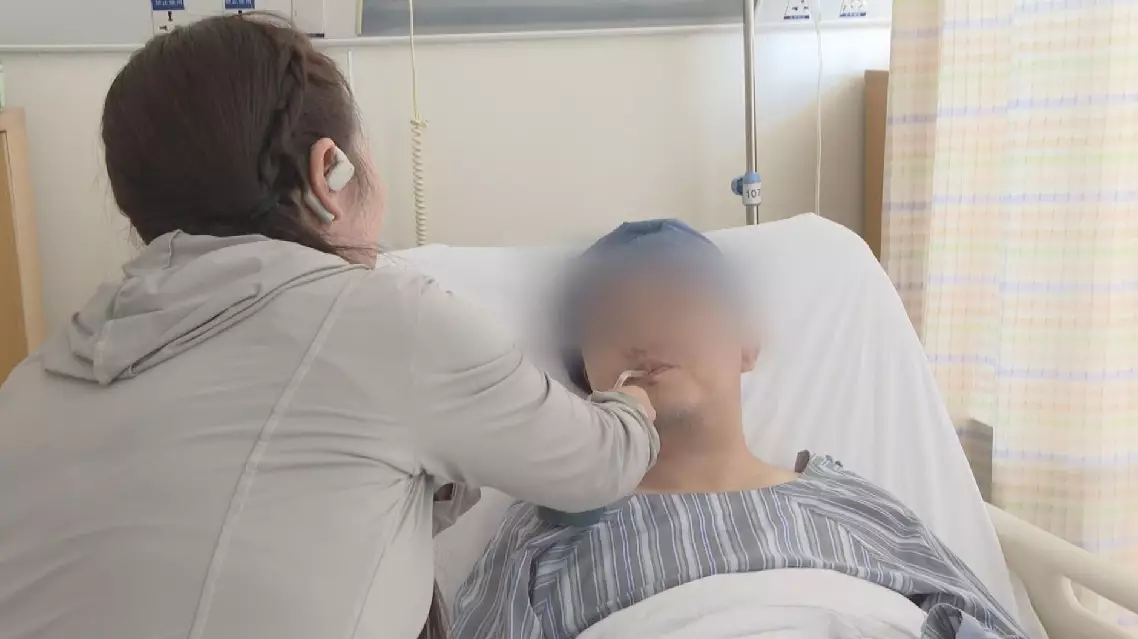
Shanghai hospital implants world's first brain-computer interface for hand movement