Oil prices climbed on Tuesday to the highest level in five weeks as concerns over oil supply in the international market reemerged amid the escalating tensions between the United States and Iran, and a threatened naval blockade of Saudi shipping in the Red Sea by Yemen's Houthis.
The West Texas Intermediate for August delivery went up 1.68 U.S. dollars, or 2.02 percent, to settle at 84.91 dollars a barrel on the New York Mercantile Exchange, while Brent crude for September delivery added 1.79 dollars, or 2.01 percent, to settle at 91.01 dollars a barrel on the London ICE Futures Exchange.
Market concerns are mounting over further disruptions to energy transportation in the Middle East.
The U.S. military carried out overnight strikes on targets in southern and western Iran, while Iran attacked U.S. facilities in Bahrain, Kuwait and Jordan. At least one oil tanker has been attacked in the Strait of Hormuz.
Yemen's Houthi group announced on Monday a maritime blockade of Saudi shipping in the Red Sea, further expanding the conflict risk to the Red Sea shipping routes.
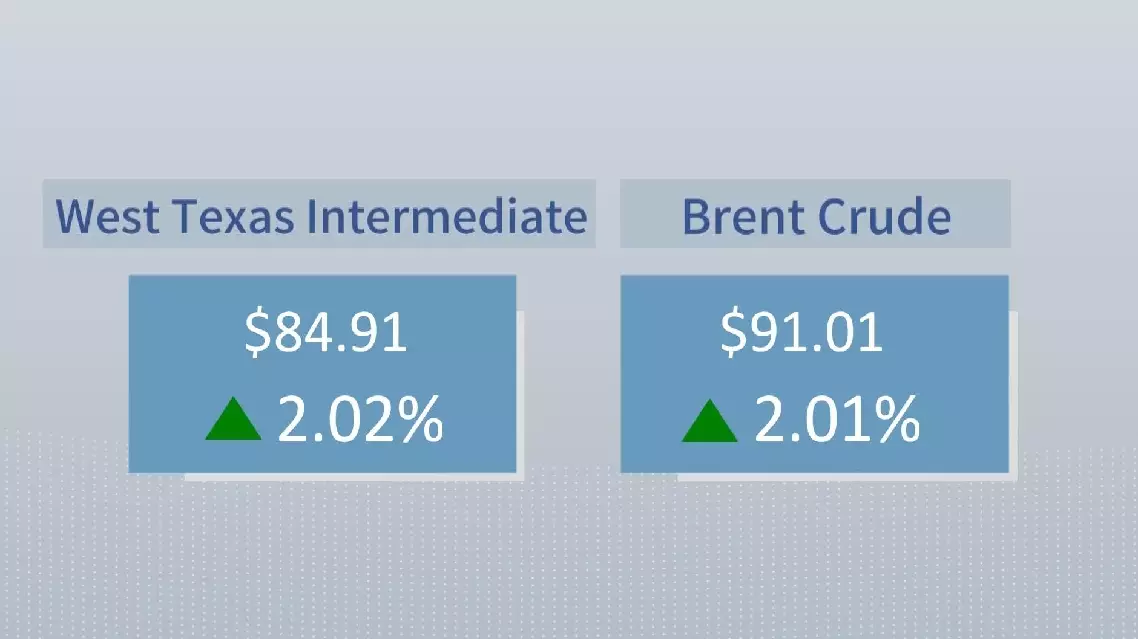
Crude futures settle higher on Tuesday over escalating US-Iran tensions, Red Sea blockade threats
The Japanese yen hit 163 against the U.S. dollar in New York on Tuesday, a level unseen since December 1986, as investors sought the greenback as a safe asset amid escalating tensions in the Middle East.
The yen's slide has driven up import costs from energy to food, hitting Japan's resource‑dependent economy and millions of households.
Analysts warn that renewed hostilities in the Middle East could disrupt vital energy shipping routes and send global oil prices surging. For Japan, which relies heavily on imported fossil fuels, higher crude costs would swell the trade deficit and prompt investors to sell yen for dollars in anticipation of a worsening current account balance. Meanwhile, domestic factors are adding to the yen's weakness. The wide interest rate gap between Japan and major Western economies remains a drag, while markets expect Prime Minister Sanae Takaichi's administration to press ahead with its "proactive fiscal policy," easing budget discipline. Traders see that stance as a signal for further yen depreciation.
At its lowest in nearly four decades, the yen is fueling expectations of fresh intervention by Japan's government and central bank.

Japanese yen falls to 39-year low amid Middle East tensions