The U.S. forces on Tuesday struck military targets in Iran for the 11th consecutive night, the U.S. Central Command said.
The strikes, which began at 19:00 ET (2300 GMT), were "designed to continue degrading Iran's ability to threaten commercial shipping in the Strait of Hormuz," the command said in a post on X.
It said that despite Iran's ongoing military actions, the Strait of Hormuz remains open for commercial vessels. It has helped approximately 900 commercial vessels and 450 million barrels of crude oil transit through the vital international maritime corridor, the command said.
The U.S. military will strike Pickaxe Mountain in central Iran "pretty soon," U.S. President Donald Trump said , referring to a fortified underground facility that Tehran declared to the International Atomic Energy Agency in 2020 as the future site of an advanced centrifuge assembly plant.
Trump said earlier in the day that Washington has no interest in holding talks with Iran unless Tehran is prepared to engage in what he called "meaningful" negotiations.

US forces strike Iran for 11th consecutive night
The Japanese yen hit 163 against the U.S. dollar in New York on Tuesday, a level unseen since December 1986, as investors sought the greenback as a safe asset amid escalating tensions in the Middle East.
The yen's slide has driven up import costs from energy to food, hitting Japan's resource‑dependent economy and millions of households.
Analysts warn that renewed hostilities in the Middle East could disrupt vital energy shipping routes and send global oil prices surging. For Japan, which relies heavily on imported fossil fuels, higher crude costs would swell the trade deficit and prompt investors to sell yen for dollars in anticipation of a worsening current account balance. Meanwhile, domestic factors are adding to the yen's weakness. The wide interest rate gap between Japan and major Western economies remains a drag, while markets expect Prime Minister Sanae Takaichi's administration to press ahead with its "proactive fiscal policy," easing budget discipline. Traders see that stance as a signal for further yen depreciation.
At its lowest in nearly four decades, the yen is fueling expectations of fresh intervention by Japan's government and central bank.
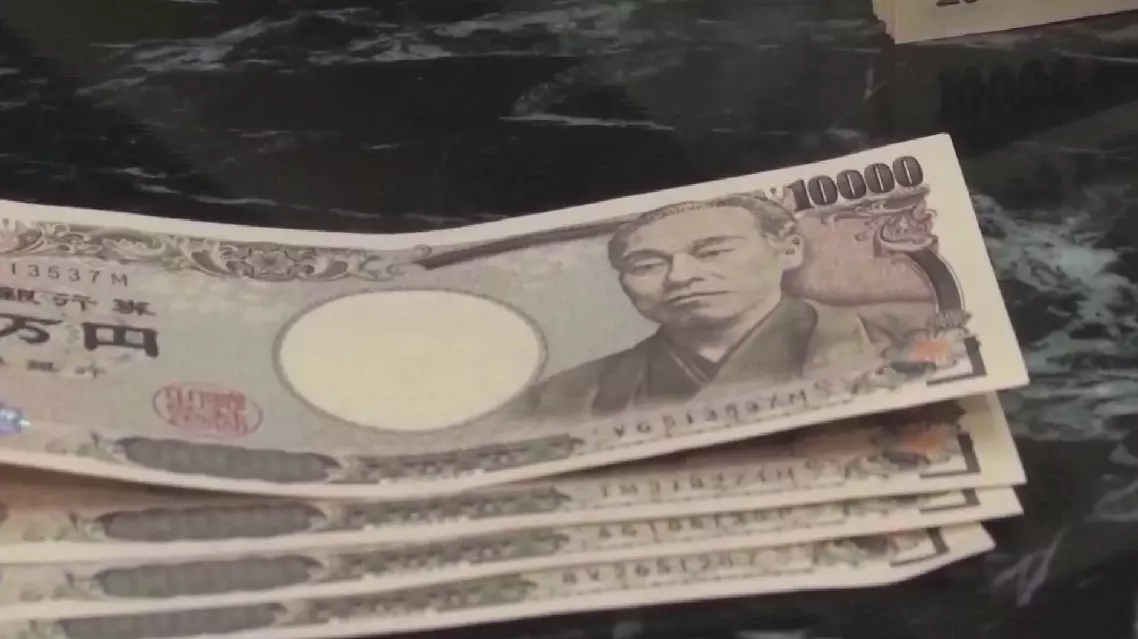
Japanese yen falls to 39-year low amid Middle East tensions