China's urban employment situation remained generally stable in the first half of 2026, with 6.95 million new jobs created, the Ministry of Human Resources and Social Security said on Wednesday.
The number of new urban jobs was unchanged from the same period of last year, while the average surveyed urban unemployment rate stood at 5.2 percent from January to June, the ministry said.
During the period, China issued 3.6 billion yuan (about 530 million U.S. dollars) in unemployment insurance subsidies to help stabilize employment, 900 million yuan in one-off job expansion subsidies and 1.2 billion yuan in skills training subsidies, said the ministry.
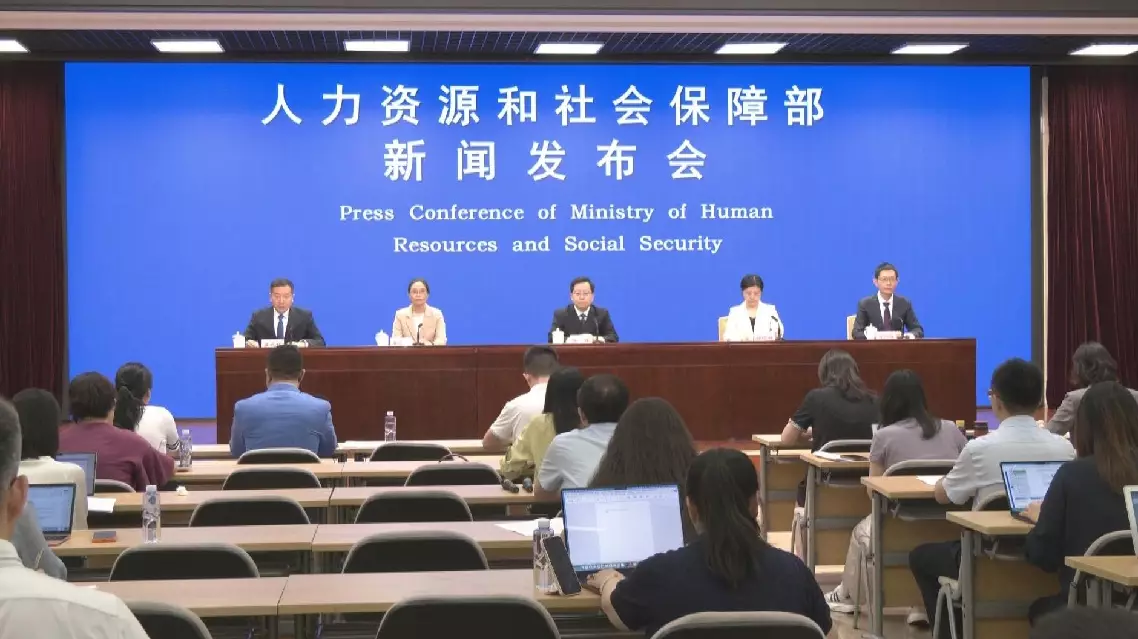
China's urban employment remains stable in first half of 2026
Falling water levels on the Danube River, driven by persistent heat, are disrupting Serbia's grain exports along the key shipping route.
The Vojvodina Province in northern Serbia, a crucial grain-producing area for the country, has been particularly hard hit. As the Danube shrinks, ships are being forced to reduce their loads to stay afloat, driving up transportation costs and squeezing profit margins for farmers and exporters.
"Today, the water level at the monitoring station in Novi Sad stood at minus 44 centimeters. Normally, it should be around 150 centimeters this time of year. So the river is now roughly two meters lower than usual. This has created significant shipping difficulties. Some sections of the river have become nearly impassable, forcing ships to reduce their loads just to get through," said Bozidar Belos, advisor to the director of public water management company Vode Vojvodine.
Serbia's hydrometeorological department has warned that Danube water levels are expected to fall even further in the coming days.
To address the crisis, Serbia is working with neighboring countries on dredging the river and building sluices and dams to ease pressures on both navigation and irrigation.

Danube water levels plunge amid prolonged heatwave, threatening Serbia's grain exports