U.S. President Donald Trump unveiled a phased tariff plan on generic drugs on Tuesday, which he said will promote the return of generic drug production to the United States.
In a post on social media platform Truth Social, Trump said that starting August 1 of this year, the U.S. will continue to exempt all imported generic drugs from tariffs for the next two years.
In the third year, a 100-percent import tariff will apply to generic drugs.
Starting in the fourth year, the import tariff on generic drugs will surge to 200 percent.
Trump said that this move aims to encourage the return of generic drug production to his country and to penalize companies that fail to build factories and facilities in the U.S. within the specified time frame.
U.S. policies regarding patented drugs, brand-name drugs, and innovative drugs will remain unchanged.
According to media reports, generic drug companies find it difficult to absorb the costs of high tariffs due to their low profit margins and reliance on global manufacturing networks.
Once implemented, these measures are expected to deal a severe blow to major generic drug exporting countries such as India.
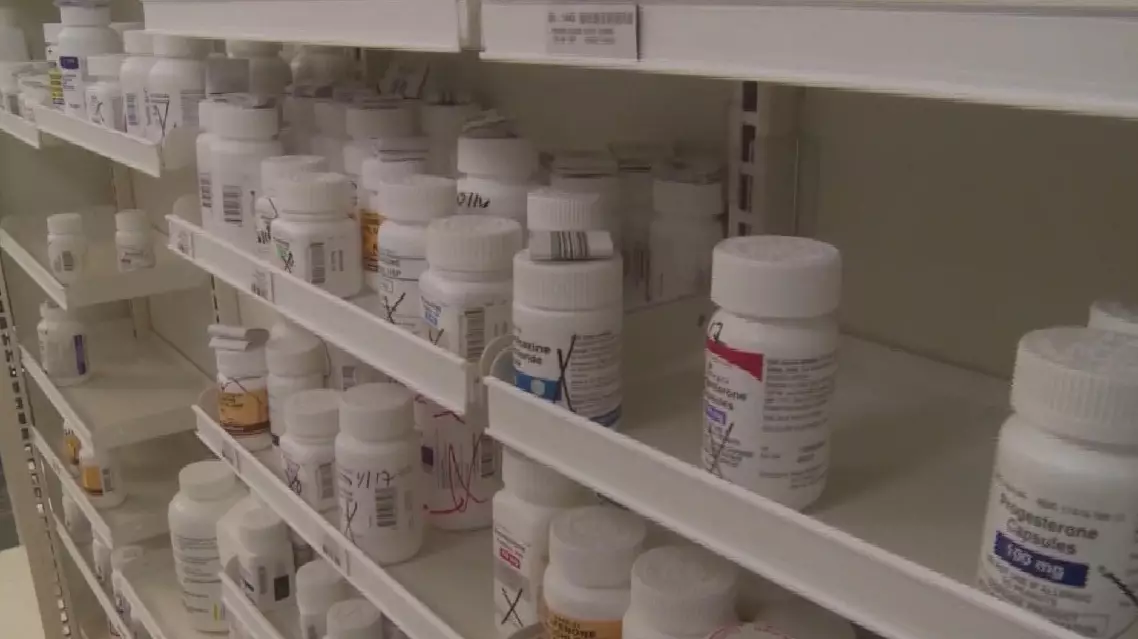
Trump unveils phased tariff plan on generic drugs
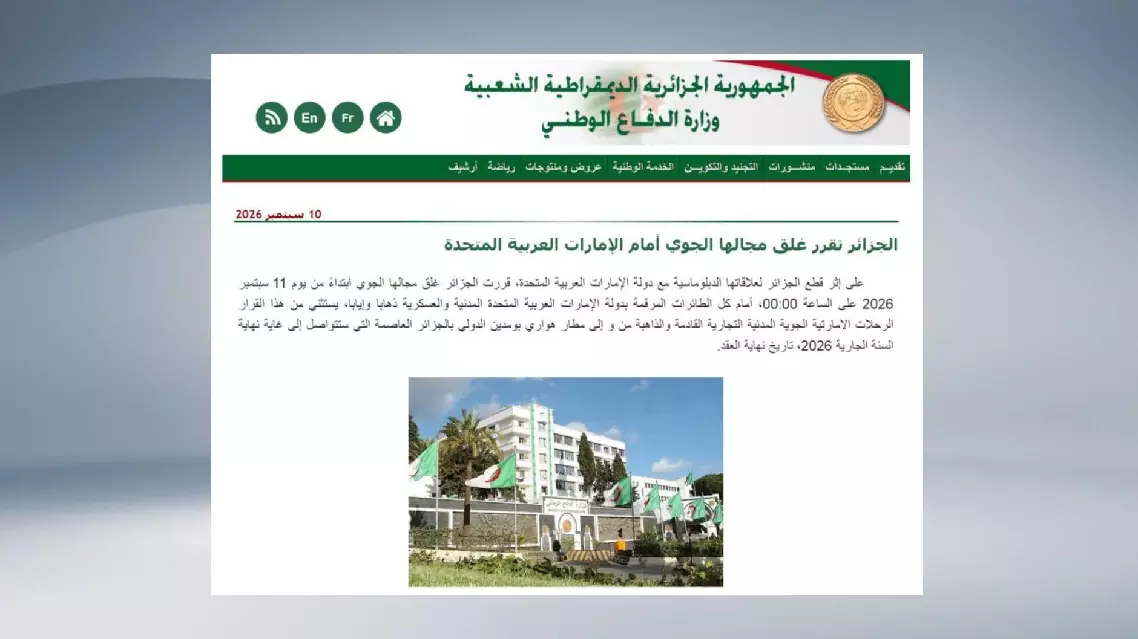
Algeria on Thursday announced that it will close its airspace to civilian and military aircraft registered in the United Arab Emirates (UAE) from Friday, following the decision to sever diplomatic relations with the UAE.
Algeria's Ministry of National Defense said in a statement that commercial civilian flights operating between the UAE and Houari Boumediene International Airport in Algiers are exempt, and will be permitted to continue until the end of 2026, when the contract expires.
Algeria announced earlier Thursday that it would sever diplomatic relations with the UAE after "exhausting all avenues" to preserve their ties.
Citing a foreign ministry statement, the official state news agency Algeria Press Service (APS) said Algeria had shown "great restraint and a high sense of responsibility" in response to what it described as increasingly "provocative or hostile actions" by the UAE.
"Despite repeated warnings and calls for the UAE to consider the serious consequences" of its conduct, the ministry said, the UAE had persisted in actions that had reached "the limits of what is admissible or tolerable."
The ministry said the UAE ambassador was received at its headquarters on Thursday and formally notified of the decision, with a 48-hour deadline to comply.
Although the reason for cutting diplomatic ties remains unclear, Algerian media outlets have accused the UAE in the past of seeking to fuel regional tensions.
Algeria closes airspace to UAE-registered aircraft after cutting diplomatic ties