China has unveiled an extensive plan to modernize its ports of entry as part of efforts to further expand openness and promote international cooperation during the current 15th Five-Year Plan period (2026-2030), a key blueprint mapping out the country's development priorities for the coming years.
The plan, jointly issued by the General Administration of Customs (GAC) and the National Development and Reform Commission, noted that China will make significant progress in port modernization by 2030, with a more efficient port network, upgraded infrastructure, wider application of smart technologies, smoother cross-border connectivity, stronger governance and more effective security measures.
By 2035, China aims to have basically completed the modernization of its ports of entry, providing strong support for high-quality development and national security.
The plan serves as the blueprint for the country's port development during the present15th Five-Year Plan period, said Zhang Baofeng, deputy head of the GAC, at a press conference in Beijing on Wednesday.
Zhang said China will focus on building ports of entry that are safer, more efficient, smarter, greener and better governed under the rule of law, while meeting a world-class standard.
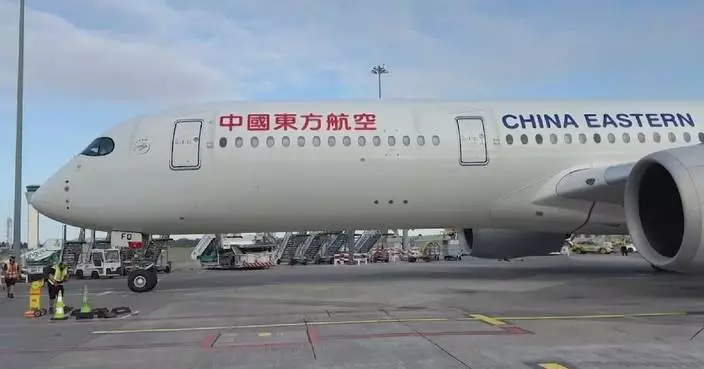
"We will accelerate the implementation of major border port projects under the 15th Five-Year Plan. At the same time, [we] will ensure the high-quality execution of renovation projects for port facilities at 57 ports as laid out in the plan, and speed up the construction of railway ports including the Torugart Pass (on the border with Kyrgyzstan) and Ganqimaodu port (bordering Mongolia). These efforts will strengthen cross-border communication capabilities along China's southbound, westbound, and northbound corridors. In terms of aviation ports, we will advance the functional segregation of passenger and cargo operations, thereby supporting the growth and consolidation of specialized aviation ports for cargo transport," he said.
Meanwhile, Zhang said customs authorities have incorporated 43 key ports into the "Smart Port Construction Project," stepped up the in-depth application of "AI plus" scenarios at ports, and promoted the integrated development of smart ports with a smart customs system, smart border inspection, and smart maritime affairs, all of which underscores the modernization drive.
China has also initiated the establishment of a national port standardization technical committee which will further oversee these ongoing developments, he said.
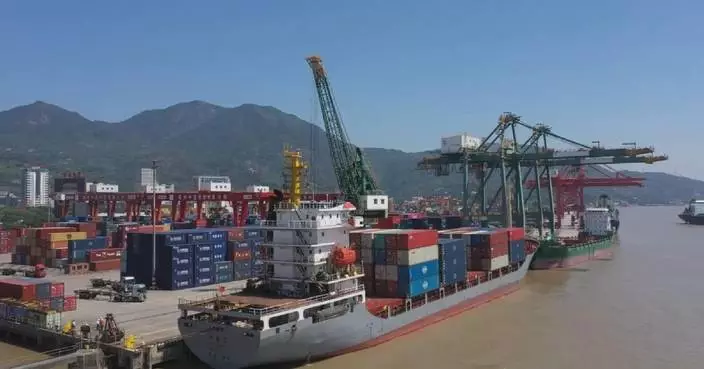
"In the first half of this year, the so-called 'port economy' is moving in a positive direction and progressing steadily. For instance, 'bonded refueling' at our ports has seen rapid expansion, with the Ningbo-Zhoushan Port ranking among the world's top three in related business. At the same time, cross-border tourism has sustained its popularity, significantly contributing to local employment and infrastructure upgrading," said Zhang.
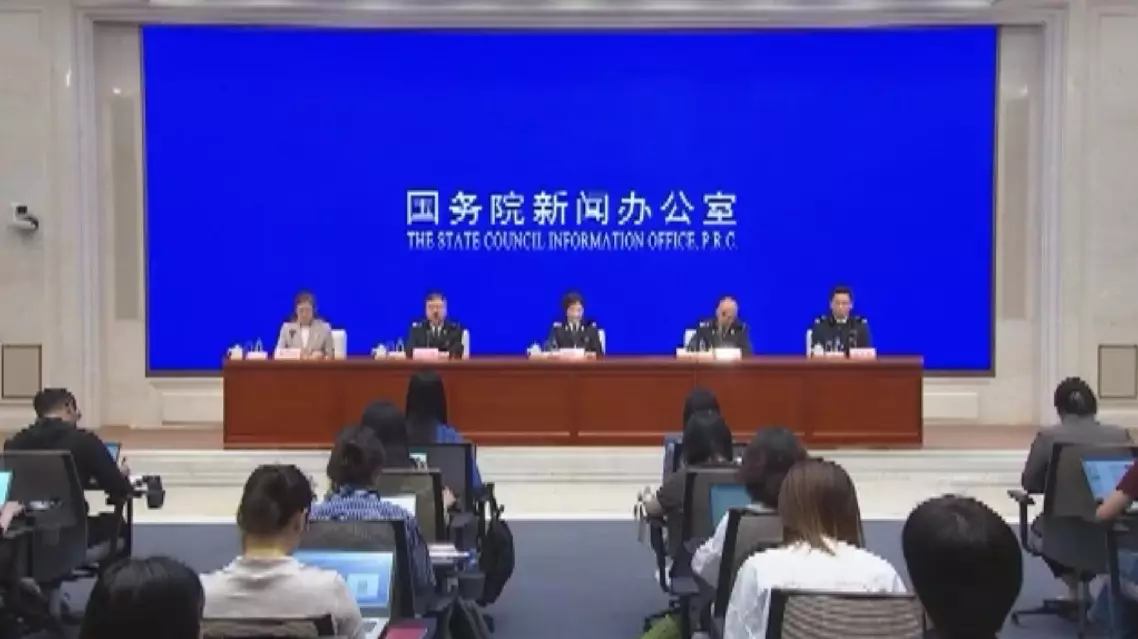
China issues five-year plan to promote modernization of ports